China's foreign exchange market remained stable in the first quarter of 2025, with a strong net inflow of cross-border funds driven by robust goods trade and foreign capital investments, according to data released by the State Administration of Foreign Exchange (SAFE) on Tuesday.
In the first quarter, non-bank sectors, including enterprises and individuals, saw a net inflow of 51.7 billion U.S. dollars, a relatively high level historically. The inflow from goods trade reached 206.3 billion U.S. dollars, reflecting a 120 percent year-on-year increase.
Additionally, from February to March, foreign capital increased its holdings of domestic bonds by 26.9 billion U.S. dollars, an 84 percent rise compared to the previous year. The momentum continued through April 1 to 18, with net bond purchases reaching 33.2 billion U.S. dollars.
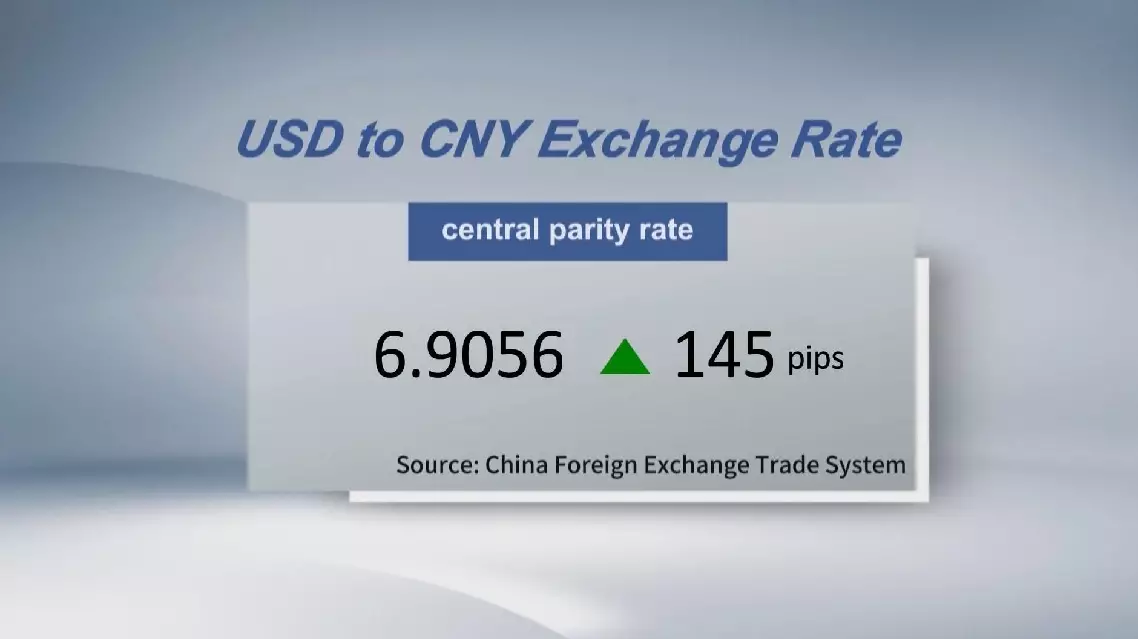
SAFE attributed fluctuations in international financial markets to U.S. protectionist actions, including the imposition of "reciprocal tariffs" on April 3. Despite initial depreciation, the RMB against the U.S. dollar later appreciated, stabilizing near pre-tariff levels, reflecting a normal market response influenced by economic fundamentals.
"From the perspective of balance of payments, the trade surplus in goods has remained above 200 billion U.S. dollars for three consecutive quarters. In terms of capital flows, overseas investments have increasingly accelerated the purchasing of Chinese bonds. As for foreign exchange transactions, the RMB exchange rate has exhibited two-way fluctuations, both appreciating and depreciating, with the current trading price near the level seen at the start of the year, maintaining a generally stable central point," said Li Liuyang, chief foreign exchange analyst at China International Capital Corporation.
SAFE reiterated its commitment to policies that support cross-border trade and investment, aiming to enhance China’s ability to manage exchange rate fluctuations and external shocks.
In the first quarter, the proportion of RMB cross-border receipts and payments under goods trade, as well as the corporate foreign exchange hedging ratio, both increased compared to the previous year, indicating an enhanced ability of enterprises to cope with exchange rate fluctuations.
Looking ahead, SAFE plans to further monitor the foreign exchange situation, maintain exchange rate flexibility, and use exchange rate adjustments as stabilizers for macroeconomic balance and the balance of payments.
"The data from the first quarter underscores the strong resilience of China's export-driven economy. China holds a core competitive advantage amid external uncertainties, and the ability of its foreign exchange market to withstand external risks continues to strengthen," said Zhang Di, chief macro analyst at China Galaxy Securities.
China's foreign exchange market remains stable in Q1 with strong net inflow of funds