TEL AVIV, Israel (AP) — Whether the threat was abusive Hamas guards, hunger, illness or Israeli strikes, there were moments during Tal Shoham's 505 days of captivity in Gaza when he didn't think he'd be alive the next morning.
There were "many times that I separated from life and ... tried to accept death," the 40-year-old Israeli, who also holds Austrian citizenship, told The Associated Press. “There are so many ways to die there.”
Click to Gallery

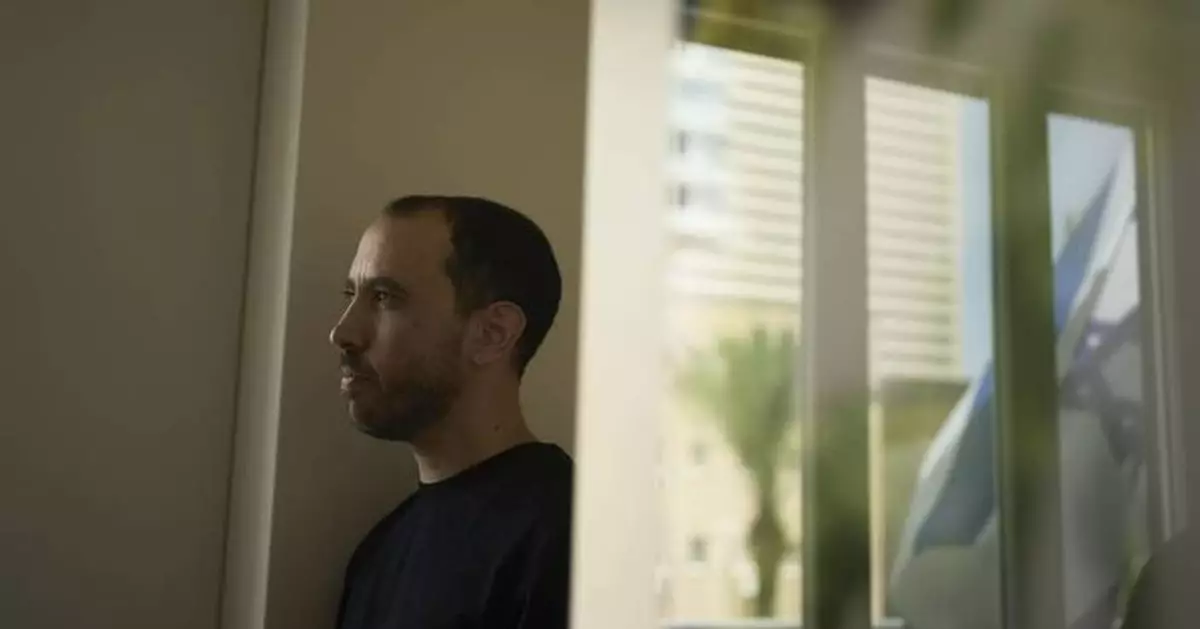
Freed Israeli hostage Tal Shoham, who was held by Hamas militants in the Gaza Strip, poses for a portrait in Tel Aviv, Israel, Tuesday, April 22, 2025. (AP Photo/Maya Alleruzzo)

Freed Israeli hostage Tal Shoham, who was held by Hamas militants in the Gaza Strip, poses for a portrait in Tel Aviv, Israel, Tuesday, April 22, 2025. (AP Photo/Maya Alleruzzo)

Freed Israeli hostage Tal Shoham, who was held by Hamas militants in the Gaza Strip, demonstrates how his captors handcuffed him, in Tel Aviv, Israel, Tuesday, April 22, 2025. (AP Photo/Maya Alleruzzo)

Freed Israeli hostage Tal Shoham, who was held by Hamas militants in the Gaza Strip, poses for a portrait in Tel Aviv, Israel, Tuesday, April 22, 2025. (AP Photo/Maya Alleruzzo)
Shoham was one of dozens of hostages released from Gaza in February as part of a ceasefire agreement between Hamas and Israel that has since been broken. His wife, two children and three other family members were also kidnapped on Oct. 7, 2023, and were freed a month later.
Shoham said he spent half his captivity in apartments and the rest in underground tunnels. He was sometimes bound, starved, beaten and threatened with death, and initially didn’t know if his family was alive.
After his wife was released, Shoham said, someone identifying himself as a member of Hamas called to warn her not to talk about what she’d been through or they’d kill her husband. So as he recounted his own experience, Shoham said there were details he wouldn’t discuss, fearful of endangering remaining hostages.
With ceasefire talks at a standstill, Israel is vowing to advance deeper into Gaza until Hamas releases the 59 hostages still there, more than half of whom are believed dead.
The resumption of fighting has inflamed debate in Israel over the course of the war and the hostages' fate. Israeli Prime Minister Benjamin Netanyahu has come under mounting domestic pressure for his handling of the hostage crisis. But he also faces demands from his hard-line allies not to accept any deal that falls short of Hamas’ destruction.
Shoham was kidnapped while visiting relatives in Kibbutz Be’eri. When Hamas attacked, he and his family hid in a safe room meant to offer protection from incoming rockets. But as militants pried open a window and used explosives to try to break in, the family surrendered, a decision Shoham credits with saving their lives.
Shoham was thrown into the back of a vehicle and taken into Gaza, not knowing what happened to his wife or children. Be’eri was among the hardest-hit communities that day.
Before being separated, Shoham recalled telling his now 9-year-old son that he didn't know if they were going to die. “I didn't want him to hear a lie from me, if it's the last minutes of our life,” he said.
Upon entering Gaza, a militant jumped on the car’s roof, pointed his gun at Shoham and told him to kneel. But Shoham refused, not wanting to be killed on their terms, he said.
He said the militant had “murder in his eyes.”
Shoham was first taken to an apartment that his captors said was in northern Gaza. He spent weeks there, handcuffed and confined to a room.
About a month later, he was moved to another apartment and joined by Evyatar David and Guy Gilboa-Dalal, hostages he would spend most of his captivity with.
The two men were abducted from a music festival in southern Israel where at least 364 people were killed and dozens more taken hostage. Hearing about the conditions of their captivity made Shoham feel lucky about his own. They'd been kept in more uncomfortable zip-tie handcuffs, with plastic bags on their heads, he said, and fed one pita per day.
The three lived in that apartment for months, where they endured daily beatings. Guards would taunt and humiliate them, asking how the music festival was and making shooting noises, Shoham said.
Forbidden by their captors from speaking, they got to know each other through furtive whispers.
To humanize himself in the eyes of his captors, and hopefully make them less likely to kill him, Shoham learned Arabic and talked with them about his life in Israel.
One of their guards liked massages, Shoham said, so the captives provided daily back rubs in exchange for more variety in their diet, like tuna, sardines and even eggs.
Shoham learned his wife and children were alive about 50 days into his captivity. In what he considered an act of kindness, his captors gave him a letter written by his wife that said she and their children were OK and would be released soon.
He credits that gesture by the guards with giving him more mental strength to focus on his own survival.
Last June, Shoham, David and Gilboa-Dalal were relocated to a tunnel that they estimated to be about 30 meters (98 feet) underground.
Shoham said they were moved after Israel rescued four hostages from apartments in Gaza earlier that month, an operation that killed more than 270 Palestinians.
They were transported in an ambulance, Shoham said, cleanly shaved, dressed in clothes meant to make him blend in and blindfolded. Hamas operates from civilian areas, including hospitals, and Israel accuses Hamas militants of taking cover in ambulances and other emergency vehicles.
The tunnels were dark and damp, and it was hard to breathe, Shoham said. The three men were kept with another hostage, Omer Wenkert, who had been in the tunnels for much longer.
They shared a 12-meter-long (39-foot-long) cell and slept on mattresses on the ground, a meter away from a hole that was their toilet. They showered roughly every 21 days.
Shoham lost about 60 pounds (28 kilograms) while in captivity. He developed a leg infection that was so bad he couldn't walk for weeks. After a doctor visited and provided vitamins, he said his health improved.
What also helped Shoham survive, he said, was focusing on what he could control. He started doing mindfulness activities he had learned from his wife, a psychologist, and discussed his feelings with the other hostages. "The only thing that I have power upon is my inner life,” he said.
He told himself each day that he'd eventually be free.
Shoham and Wenkert were freed together in the last release of living hostages before the ceasefire ended. The last thing Shoham told David and Gilboa-Dalal was to be strong and not lose hope.
Hamas later released a video showing the two men, sitting in a nearby vehicle, distressed as they were forced to watch the handover for released hostages that day. A group representing hostages’ families called the video “sickening.”
Shoham worries they're running out of time and is urging the government and the international community not to tie the hostages' fate to a ceasefire or a peace agreement.
“I really fear that if they won’t be released soon, they probably will die there,” he said.
Shoham says his own healing process has been made easier by knowing his family can relate to what he endured.
And his freedom has helped the family properly mourn those killed on Oct. 7, including his wife's father. While he was in captivity, they'd been so focused on his release, he said.
Since returning home, Shoham has gained 35 pounds (16 kilograms), saying he wanted to eat everything and never felt full. Lately he's been trying to get back to his pre-captivity routine of intermittent fasting.
While his leg is still not fully healed, Shoham says he’s one of the lucky ones, in that he’s not suffering from nightmares. He credits his children with helping him keep moving forward.
“When I can hear my children addressing us, like mother and father, mom and dad, saying both names, it’s like music to the ears,” he said. “As a family, we’re all in the process of recovery now. But we are doing it together."
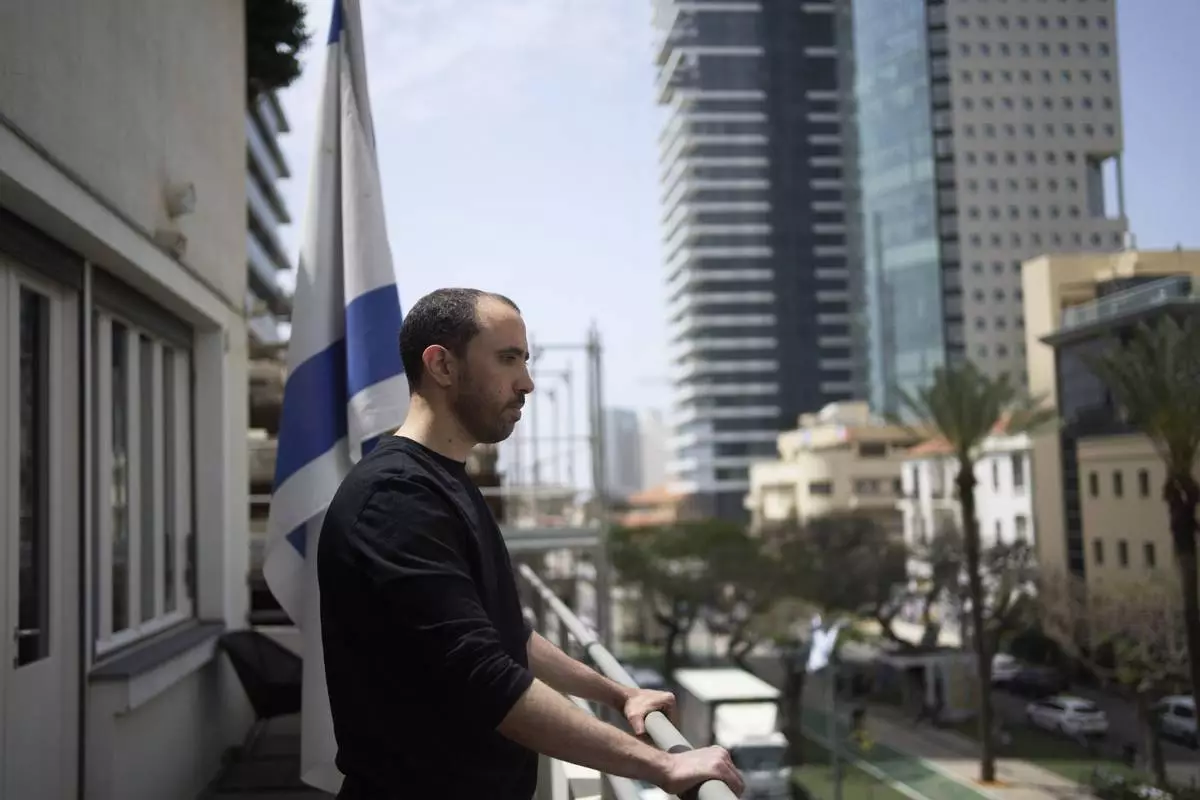
Freed Israeli hostage Tal Shoham, who was held by Hamas militants in the Gaza Strip, poses for a portrait in Tel Aviv, Israel, Tuesday, April 22, 2025. (AP Photo/Maya Alleruzzo)
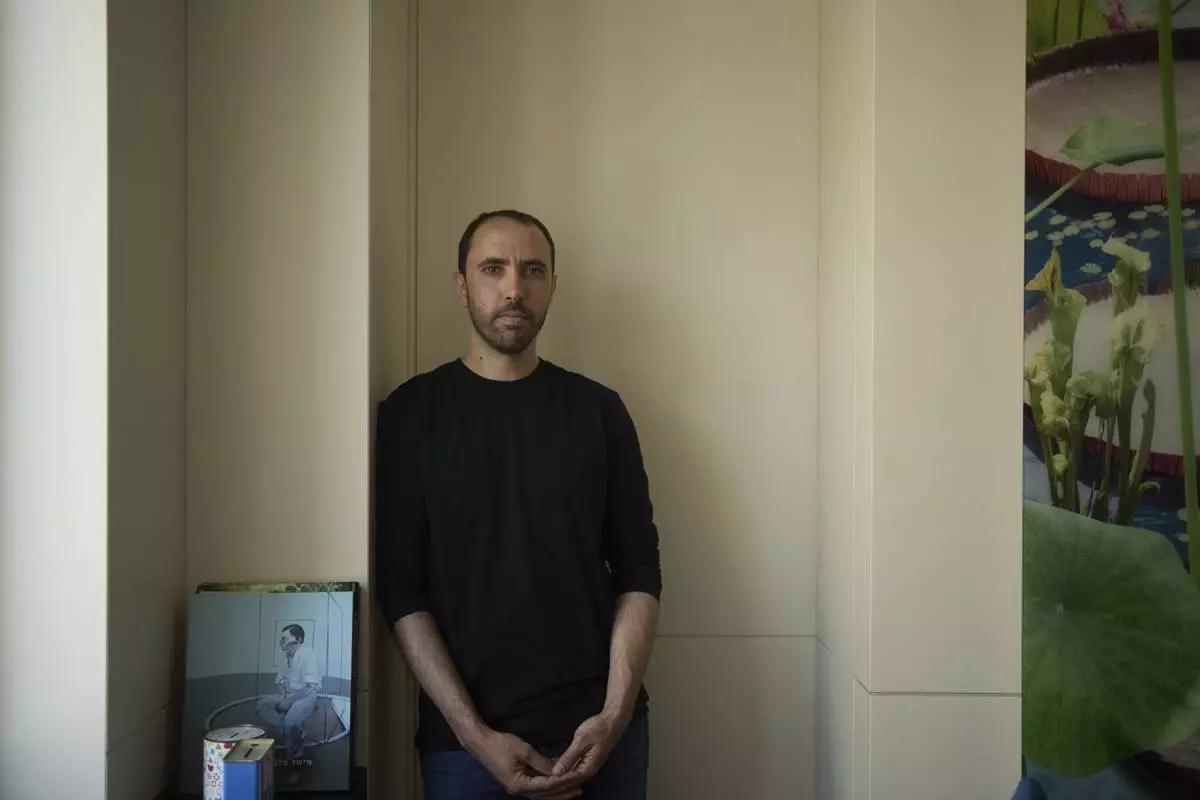
Freed Israeli hostage Tal Shoham, who was held by Hamas militants in the Gaza Strip, poses for a portrait in Tel Aviv, Israel, Tuesday, April 22, 2025. (AP Photo/Maya Alleruzzo)
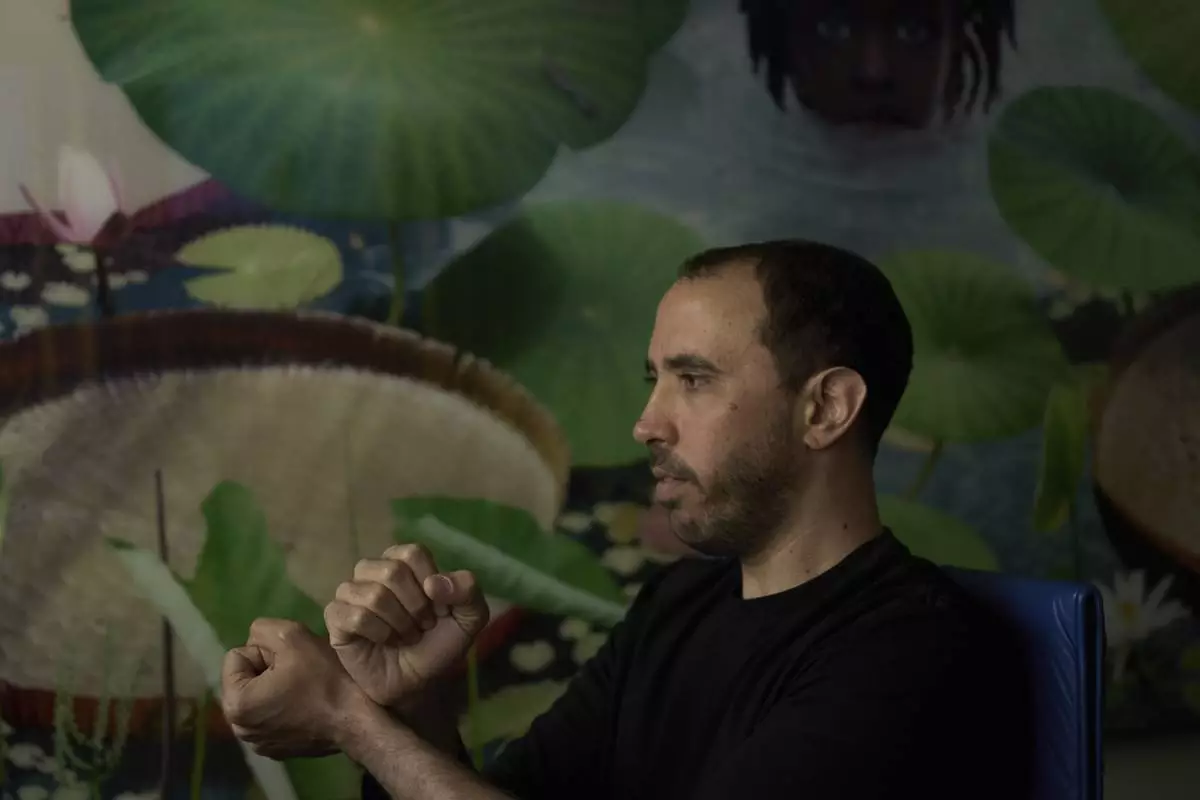
Freed Israeli hostage Tal Shoham, who was held by Hamas militants in the Gaza Strip, demonstrates how his captors handcuffed him, in Tel Aviv, Israel, Tuesday, April 22, 2025. (AP Photo/Maya Alleruzzo)
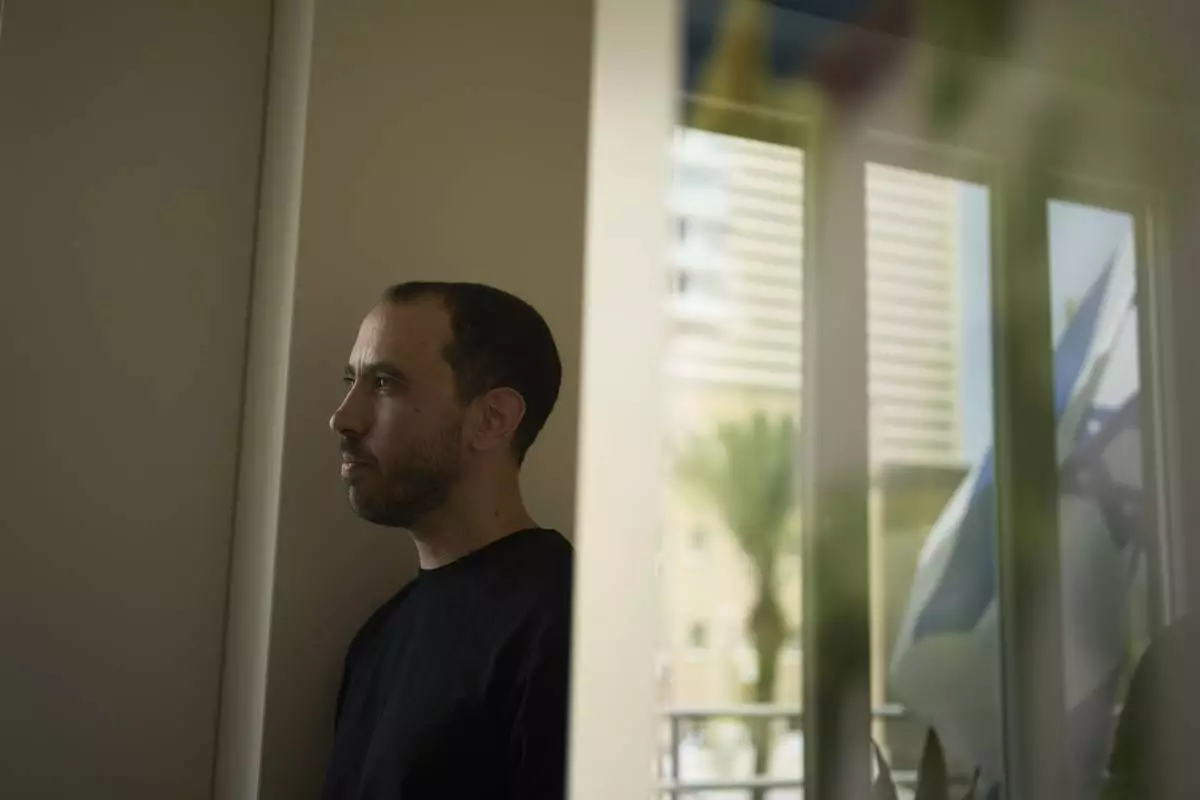
Freed Israeli hostage Tal Shoham, who was held by Hamas militants in the Gaza Strip, poses for a portrait in Tel Aviv, Israel, Tuesday, April 22, 2025. (AP Photo/Maya Alleruzzo)