Artificial intelligence (AI) and other key technologies are reshaping the automotive industry, with component suppliers expected to achieve significant growth in the coming years, according to industry insiders and experts at the 21st Shanghai International Automobile Industry Exhibition, which opened on Wednesday.
While large language models may have taken the world by storm, attendees at Auto Shanghai 2025 expressed excitement about world models -- AI models that aim to simulate an understanding of the environment.
These could allow autonomous driving systems in decision-making as they help the vehicle anticipate how other cars or pedestrians might move, how road conditions may change, or even how the vehicle itself will respond to various inputs.
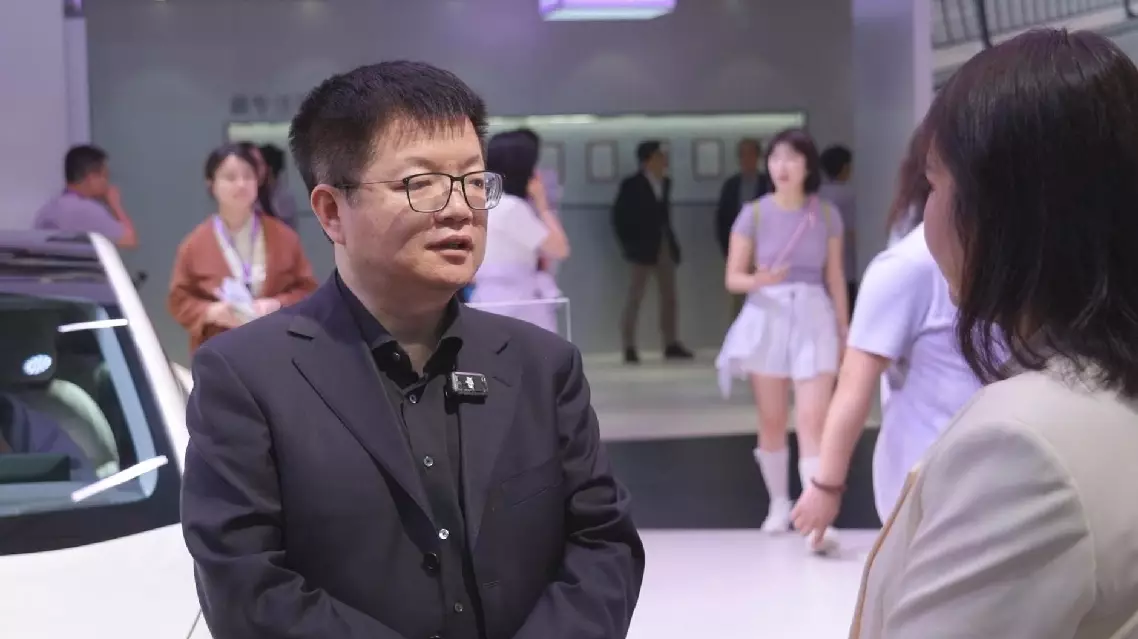
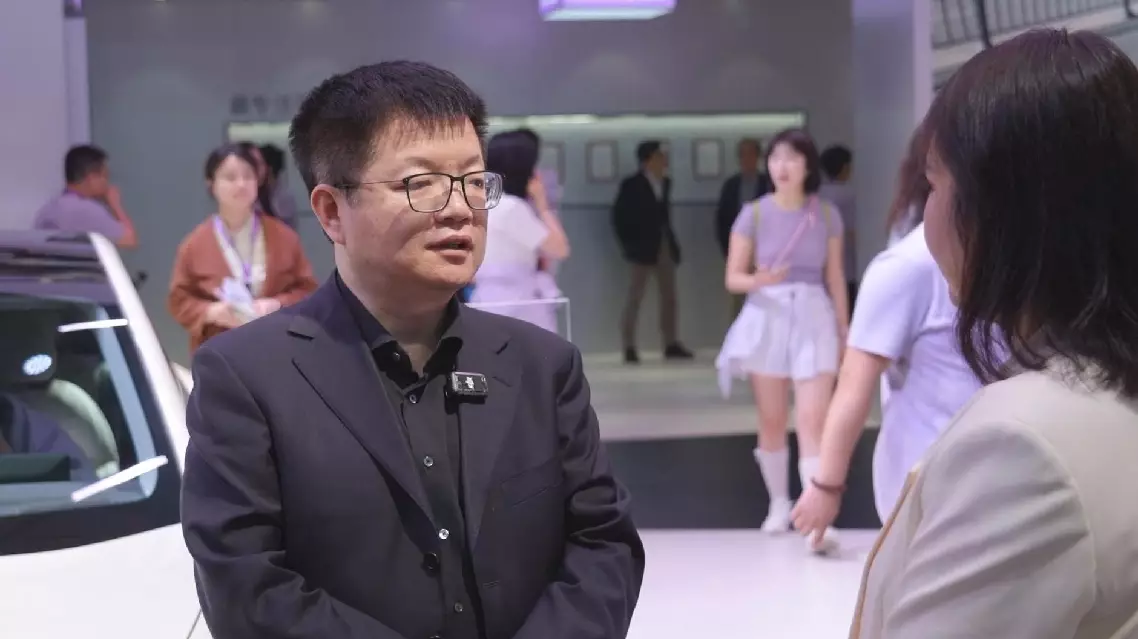
Wang Xiaogang, CEO of SenseAuto, a leading global provider of Artificial General Intelligence (AGI) technology for the smart auto era, said the automotive industry has shifted its focus toward these emerging technologies.
"We are witnessing how artificial intelligence, especially generative AI, is rapidly transforming and reshaping smart vehicles with remarkable progress in this domain. In the field of assisted driving, while the industry consensus last year centered on end-to-end autonomous driving, this year's focus has shifted to generative AI and world models that reimagine our driving environment, coupled with reinforcement learning. This represents an evolutionary trend," said Wang.
Meanwhile, in-cabin large language models, especially those with advanced reasoning capabilities, are redefining user experiences, he said, citing DeepSeek's breakthroughs in contextual reasoning and its integration into vehicles as a user interface.
"We anticipate accelerated integration between driving and cabin systems. As autonomous driving safety standards rise, real-time monitoring of driver states -- assessing alertness capability and potential incapacitation -- becomes critical. Thus, the 'cockpit-driving convergence' is advancing rapidly, driven by AI-powered perception and adaptive safety protocols," he said.
Felix Mogge, senior partner at Roland Berger's Automotive unit in Munich, said he expects the global market for automotive parts will grow by almost 70 percent over the next 15 years, although some suppliers may enjoy higher sales than others.
"With regards to the product, autonomous driving for sure remains a core driving force behind the growth of the automotive component market. If we put this all together, actually the global market for automotive components will grow by almost 70 percent over the next 15 years. We will have more cars being produced and we will have more technology like autonomous driving in the vehicles of tomorrow. That's good news for the supplier industry. The not-so-good news, at least for some of these suppliers, is that this growth is actually quite unevenly distributed. We'll have some areas like autonomous driving, like batteries, like software that will grow exponentially, and we have some others that will actually face a steep decline. And when it comes to artificial intelligence, that for sure will be a driver for the entire industry, car manufacturers and suppliers alike, to further drive the efficiency about product creation might be in development and may it be in production," he said.
"I think we will be seeing based on the shift of technology, not only in overall growth, but we will see that the industry most likely we consolidate. More larger-scale suppliers providing such technological solutions, and at the other end of the spectrum, maybe some smaller-scale suppliers exiting the business over the next decade or so," said Mogge.
Themed "Embracing Innovation, Empowering the Future," the Shanghai auto show is scheduled to run from April 23 to May 2, attracting nearly 1,000 companies from 26 countries and regions.
With the development of the Chinese and global auto industry, the biennial auto show, which was initiated in 1985, has become one of the most authoritative auto exhibitions in China while boasting significant international influence.
Emerging technologies reshape automotive industry, driving transformation of supplier landscape
Emerging technologies reshape automotive industry, driving transformation of supplier landscape