A total of 17 countries and international organizations, as well as over 50 international research institutions have joined an International Lunar Research Station Program initiated by China, said Wu Weiren, chief designer of China's lunar exploration program said at the Space Day of China celebrations in Shanghai.
According to Wu, China's exploration program has maintained a 100-percent mission success rate over the past two decades and is now advancing to its fourth phase.
In an interview with China Global Television Network (CGTN), Wu introduced plans and expectations on international cooperation on lunar exploration.
"We currently recognize several key areas of international cooperation. The first is at the technical level -- but what does that mean? It means working together to develop and implement shared plans. Technological breakthroughs are essential, particularly to tackle the harsh conditions of the lunar South Pole, including challenges related to lighting, power supply, and extreme temperature variations. These obstacles must be overcome collaboratively. Technical implementation also includes ground-based operations such as tracking, surveying, control, and communication. For instance, we are already working with the European Space Agency and countries in South America like Argentina. Looking ahead, I expect more emerging nations to join us in these cooperative efforts," Wu said.
"The second aspect is cooperation on scientific instruments. What will we do on the Moon? The focus is primarily on scientific exploration using instrument payloads. We welcome more countries to collaborate with China in this endeavor. Joint research is encouraged, but for those who prefer to conduct independent studies, China is also willing to assist in delivering their instruments to the lunar surface," Wu added.
"The third aspect is scientific data. Once obtained, this data will be analyzed collaboratively or shared with participating countries for joint research, aiming to achieve groundbreaking scientific discoveries of global significance. Scientific and technological advancement remains the primary goal of our lunar exploration efforts," Wu said.
"The fourth aspect, in my view, is collaboration at the ground headquarters. Located in China, the headquarters welcomes scientists from around the world for academic exchange. We share common goals and a collective determination to achieve outcomes of global significance," Wu said.
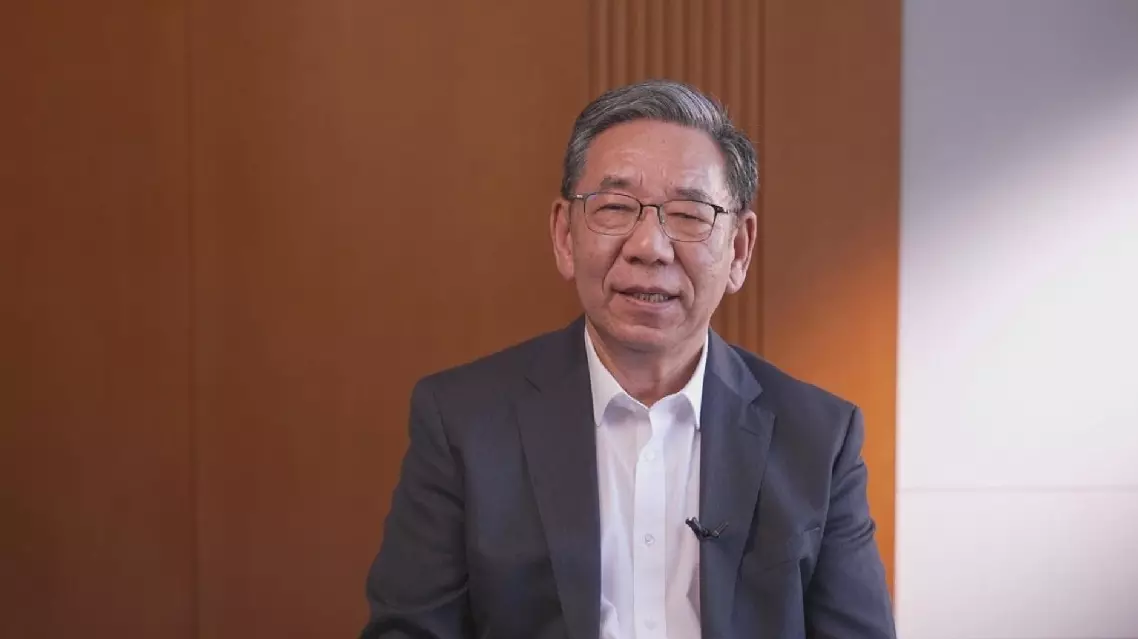
Int'l experts join China-led international lunar research station program: chief designer
Chinese Foreign Minister Wang Yi said on Thursday that UN Security Council actions must not provide legal cover for unauthorized military operations, nor should they heighten tensions or escalate conflict.
Wang, also a member of the Political Bureau of the Communist Party of China Central Committee, made the remarks in a phone conversation with Kaja Kallas, the High Representative for Foreign Affairs and Security Policy of the European Commission.
Kallas shared her views on the situation in the Middle East and commended China's active diplomatic mediation efforts to ease the situation, including the latest five-point joint initiative issued by China and Pakistan for restoring peace and stability in the Gulf and the Middle East.
The European side has not been involved in this war but has suffered from its spillover effects, she said, expressing hope for swiftly de-escalating the war and resuming dialogue and negotiations.
The European side supports UN humanitarian operations, the protection of civilians and non-military targets, and will make every effort to ensure the opening of navigation through the Strait of Hormuz, she said.
Wang said that amid the current international turmoil, it is the shared responsibility of China and Europe to step up communication and exchanges, and to uphold the UN-centered international system and the international order based on international law.
Wang elaborated on China's principled position on the Middle East situation, noting that the five-point initiative proposed by China and Pakistan reflects a broad international consensus, whose core elements include a cessation of hostilities, the start of peace talks as soon as possible, ensuring the security of non-military targets and security of shipping lanes, and safeguarding the primacy of the UN Charter.
A ceasefire and an end to hostilities are the strong call of the international community, and also the fundamental solution to ensuring safe navigation through the Strait of Hormuz, Wang said, adding that all parties should build greater consensus and create the necessary conditions to that end.
The UN Security Council actions should focus on cooling down the situation and de-escalating tensions, Wang said, adding that China stands ready to maintain communication and cooperation with the European side to promote an early end to hostilities and restore regional peace.
The two sides also exchanged views on China-EU relations. Wang said that China's development represents opportunities for Europe, and that the challenges Europe faces do not originate from China. Protectionism does not enhance competitiveness, and decoupling from China means decoupling from opportunities, Wang said, expressing hope that the European side will develop a comprehensive and objective perception of China and maintain the correct direction of China-EU relations.
Kallas said that the European side views China as an important cooperation partner, does not seek decoupling from China, and looks forward to maintaining dialogue and communication between the two sides.
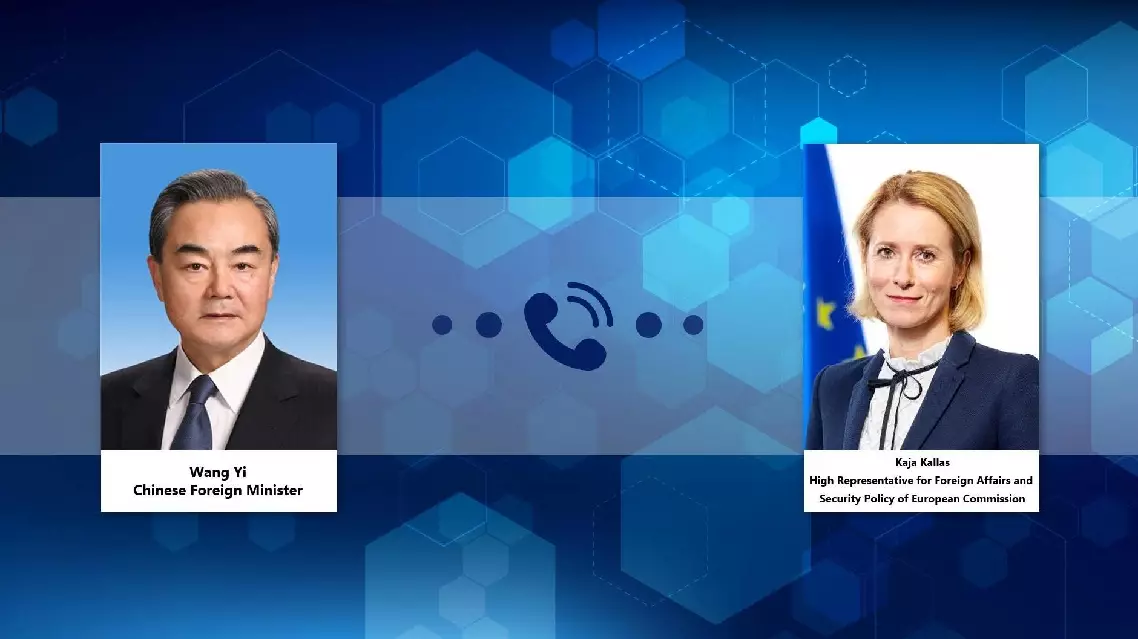
Chinese FM says UN Security Council actions should not legitimize unauthorized military operations