Artificial intelligence (AI) companies based in south China's tech hub Shenzhen City are now seeking to diversify their customer base and strengthen their capability of developing technologies independently, as the U.S. tariff abuse adds pressure to their supply chain and growth of customer demand.
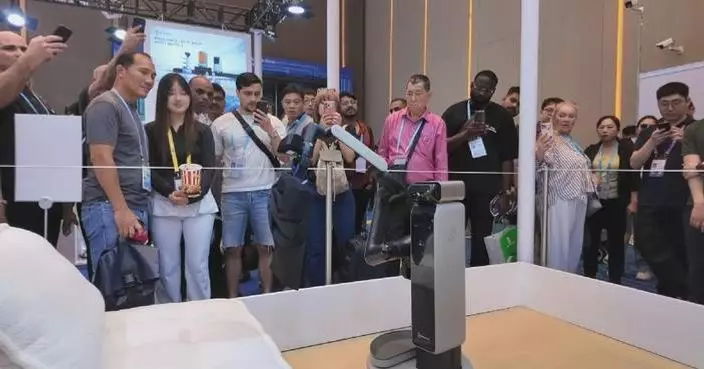
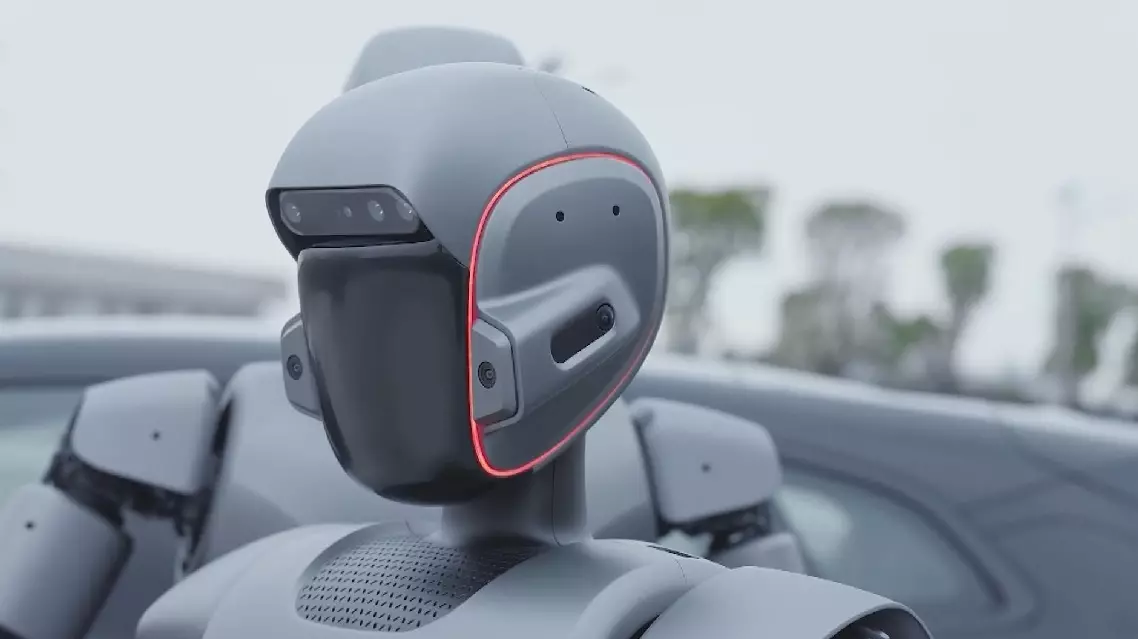
UBTECH, a humanoid robots and smart service robots company based in the city, has been making efforts to diversify its customer source. The company has leveraged the ongoing 137th Canton Fair as a platform to connect it with customers outside the U.S. and to secure more orders from them.
The fair, also named the China Import and Export Fair, opened on April 15 in nearby Guangzhou City, capital of south China's Guangdong Province, and gathers worldwide purchasers in businesses talks with exhibitors.
Michael Tam, chief brand officer of the robot company, said the company's orders have been greatly diversified thanks to the exhibition.
"We've received more orders from international customers at the 137th Canton Fair and the orders were also more diversified. Compared with last year, the number of orders we've received has grown several-fold," he said.
As a result of rapid development over the past few years, AI companies in Shenzhen have built strong technology development capability and have been dedicated to making innovation to increase their products' competitiveness on the global market.
"What sets our robot dog apart from a real dog? Will it be able to communicate with humans in the future? Robot dogs are not for show, which cannot generate any productivity. For example, we are now making a dog that can think deeply and can also patrol. It is capable of reasoning about the things it sees on a floor," said Yu Hao, founder of Shenzhen Meta Chip Technology.
Witnessing rising trade tension with the U.S., AI industry insiders like Yu said that Chinese AI companies need to put more resources on developing key technologies independently so as to minimize the impact of growing uncertainty.
"Given the trend [as a result of the tariff war], AI ecosystem enterprises like us are required to focus more on self-developed technologies and our competitiveness," said He Fei, operation manager at the Shenzhen Foundation Model AI Eco-Hub.
Chinese AI companies seek customer diversification, independent technological innovation amid impact of US tariff abuse