Germany's influential automotive sector has reiterated its commitment to opening markets and free competition while expressing optimism about the resumption of EU-China trade talks, calling for positive outcomes that leverage the industrial strengths of both sides.
One of the world's top auto exhibitions -- Auto Shanghai 2025 -- has unfolded in China's economic hub, where German automotive giants including Volkswagen, BMW, and Mercedes-Benz are showcasing their cutting-edge electric vehicles (EVs) and concept cars.
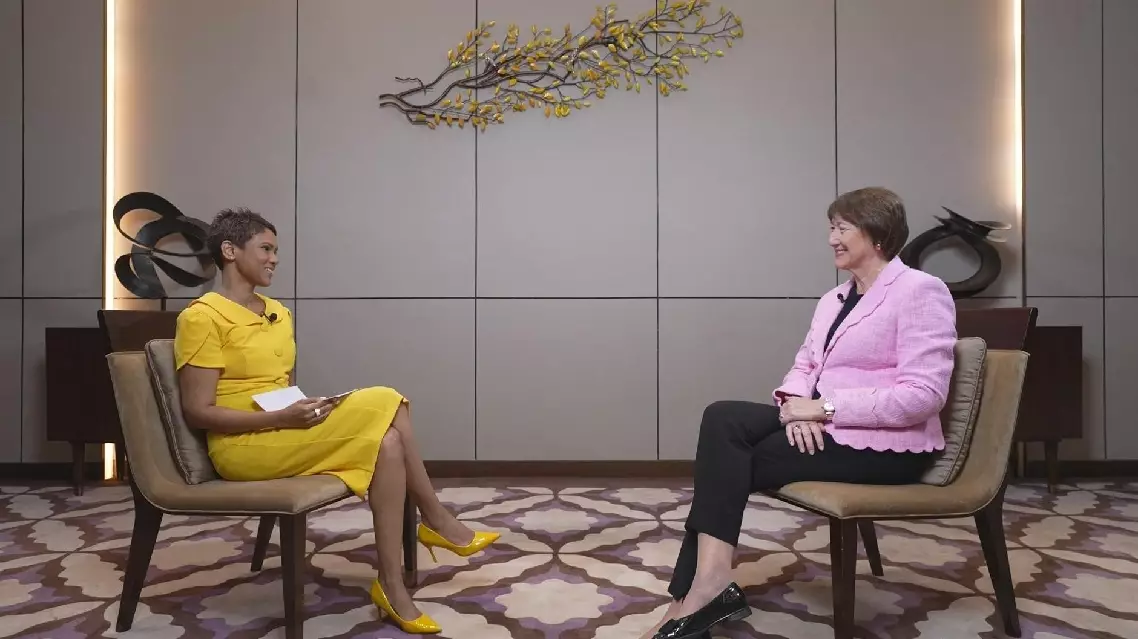
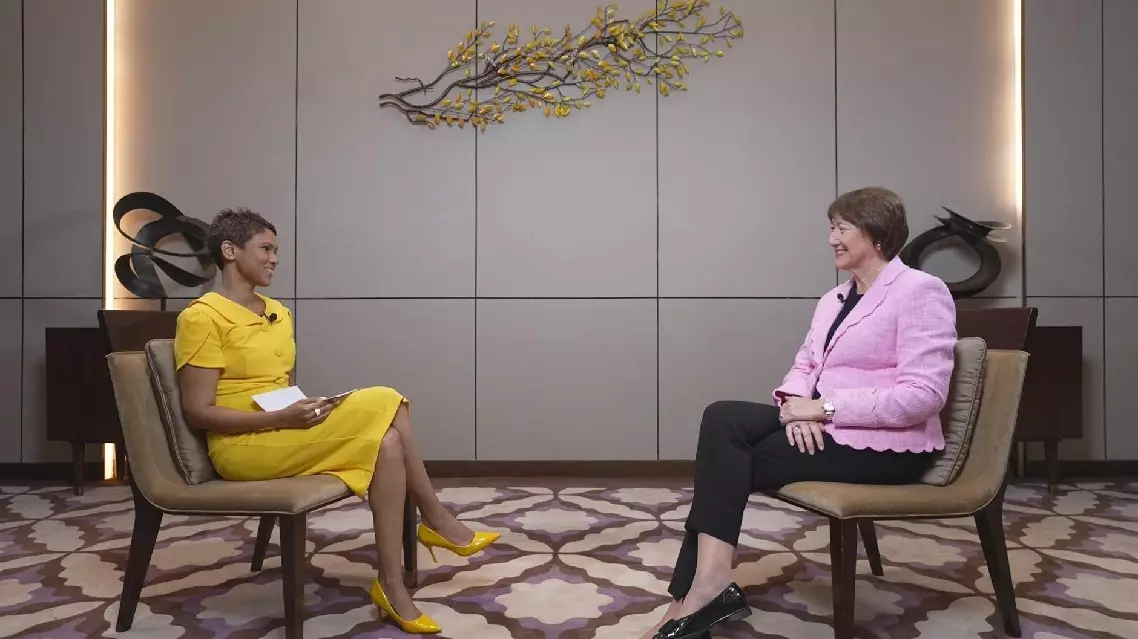
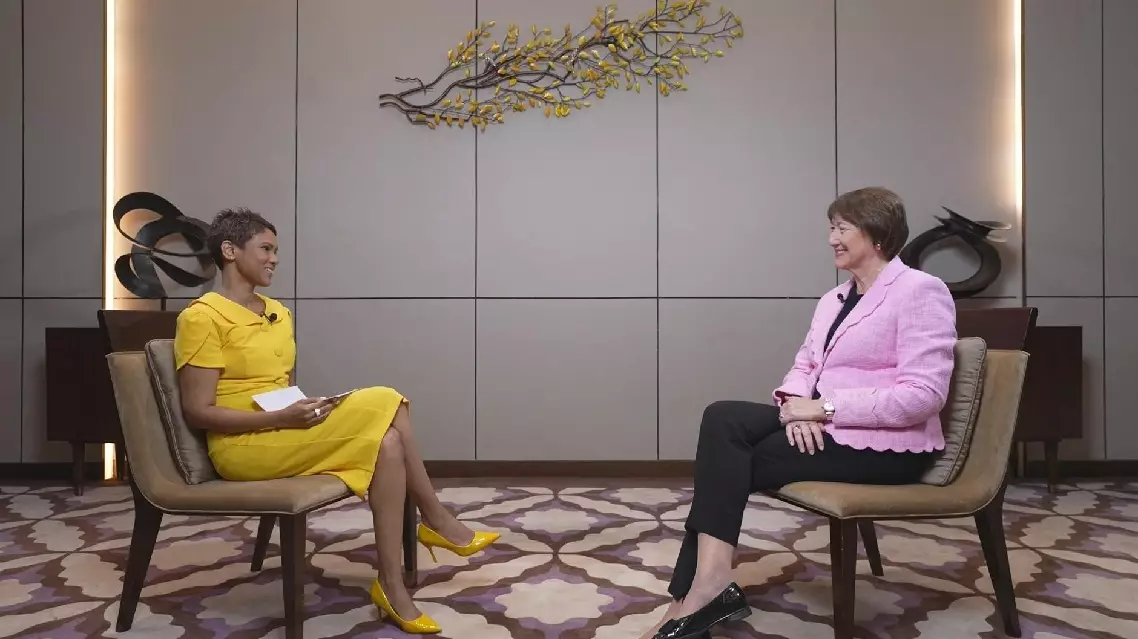
On the sidelines of the event, CGTN had an exclusive interview with Hildegard Mueller, president of the German Association of the Automotive Industry (VDA) to discuss the Chinese market and China-EU trade relations.
Reflecting on the German presence at the auto show, Mueller expressed full confidence in the competitiveness of German carmakers in the global EV race, particularly within China's fast-evolving automotive landscape.
"I believe that the German automotive industry, both manufacturers and suppliers, can participate in the competition with full confidence. At Auto Shanghai, we have seen numerous new models from various brands. Most importantly, these models are tailored to the needs of Chinese customers. I believe this will be a successful process," said Mueller.
German carmakers have significantly scaled up investments in China over the past years. From forming joint ventures to establishing local production facilities, these efforts aim to serve what Mueller described as a "fast-paced, dynamic, and highly innovative market." She emphasized that the best way to meet the demands of Chinese customers is to develop locally and stay close to the market.
Trade frictions between the EU and China showed signs of easing earlier this month, as both sides agreed to launch negotiations on electric vehicle pricing commitments and issues related to bilateral investment cooperation in the automotive sector.
Welcoming the progress in trade talks, Mueller reiterated that the German auto industry opposes the use of tariffs as a solution.
"We are glad that the negotiations between the European Union and China are back on track. Of course, first and foremost, we hope for positive outcomes. I would like to make it clear that we obviously have some issues that need to be discussed with each other, such as possible trade restrictions and competition-distorting problems. However, the German automotive industry advocates an open and free market, including competition within the industry. Therefore, we have always been opposed to tariffs," she said.
Mueller expressed hope for more constructive engagement between China and the EU to forge new pathways toward harmonious economic relations.
"In fact, the minimum price is a better means than tariffs, but it is still not truly open and fair trade. We hope that, especially considering all the ongoing geopolitical discussions, the European Union and China can find new ways to get along and reach an agreement," she said.
Looking ahead, Mueller sees immense potential for deeper China-Germany cooperation in the auto sector, particularly by combining their respective strengths. She stressed the importance of sustained dialog between the two economic powerhouses to foster mutually beneficial growth.
"I believe that the greatest strengths of both sides can be combined. China has a very rapid development speed and a very high level of digitalization. On the other hand, Germany represents efficiency, safety and rich experience in automobile manufacturing. By combining these strengths, we can ideally meet the needs of customers. Therefore, we believe that the cooperation between the two sides is of great value. The markets of both countries are attractive. In this regard, we hope that the dialog between the two sides can continue," said the VDA president.
German auto industry advocates free trade, welcomes renewed EU-China talks
German auto industry advocates free trade, welcomes renewed EU-China talks
German auto industry advocates free trade, welcomes renewed EU-China talks