WASHINGTON (AP) — President Donald Trump signed executive orders Tuesday to relax some of his 25% tariffs on automobiles and auto parts, a significant reversal as the import taxes threatened to hurt domestic manufacturers.
Automakers and independent analyses have indicated that the tariffs could raise prices, reduce sales and make U.S. production less competitive worldwide. Trump portrayed the changes as a bridge toward automakers moving more production into the United States.
Click to Gallery
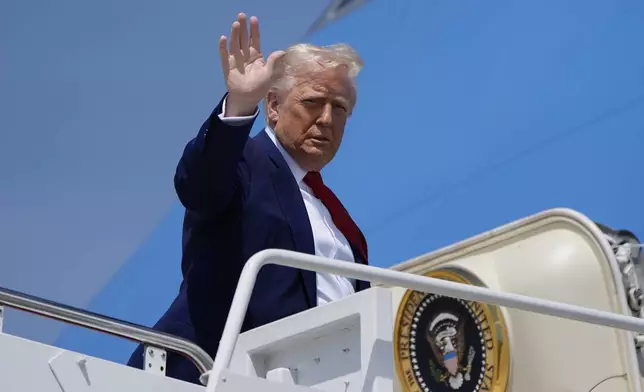
President Donald Trump waves as he boards Air Force One, Tuesday, April 29, 2025, at Joint Base Andrews, Md. (AP Photo/Alex Brandon)
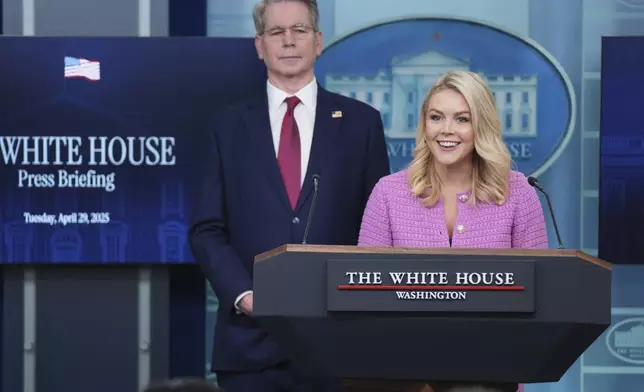
White House press secretary Karoline Leavitt speaks during a briefing with Treasury Secretary Scott Bessent at the White House, Tuesday, April 29, 2025, in Washington. (AP Photo/Evan Vucci)
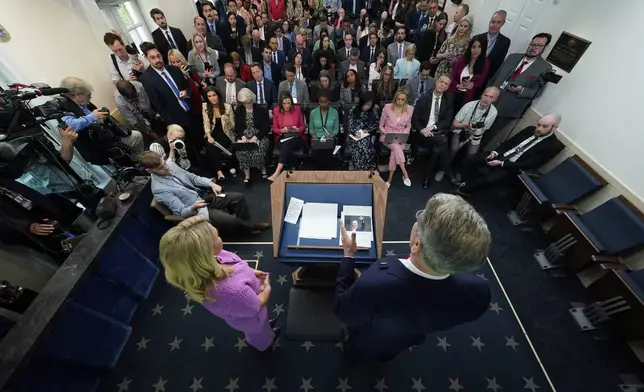
White House press secretary Karoline Leavitt and Treasury Secretary Scott Bessent participate in a press briefing at the White House, Tuesday, April 29, 2025, in Washington. (AP Photo/Evan Vucci)
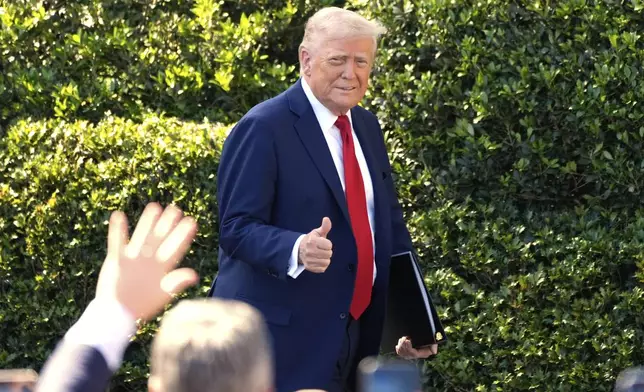
President Donald Trump arrives to welcome the Super Bowl champion Philadelphia Eagles NFL football team to the South Lawn of the White House, Monday, April 28, 2025, in Washington. (AP Photo/Alex Brandon)
“We just wanted to help them during this little transition, short term," Trump told reporters. "We didn’t want to penalize them. ”
Treasury Secretary Scott Bessent, who spoke earlier at a White House briefing on Tuesday, said the goal was to enable automakers to create more domestic manufacturing jobs.
“President Trump has had meetings with both domestic and foreign auto producers, and he’s committed to bringing back auto production to the U.S.,” Bessent said. “So we want to give the automakers a path to do that, quickly, efficiently and create as many jobs as possible.”
Trump signed one order on Tuesday that amended his previous 25% auto tariffs, making it easier for vehicles that are assembled in the U.S. with foreign parts to not face prohibitively high import taxes.
The amended order provides a rebate for one year of 3.75% relative to the sales prices of a domestically assembled vehicles. That figure was reached by putting the 25% import tax on parts that make up 15% of a vehicle's sales price. For the second year, the rebate would equal 2.5% of a vehicle's sales price, as it would apply to a smaller share of the vehicle's parts.
A senior Commerce Department official, insisted on anonymity to preview the order on a call with reporters, said automakers told Trump that the additional time would enable them to ramp up the construction of new factories, after automakers warned that it would take time for them to shift their supply chains. The official said automakers would over the next month announce additional shifts for workers, new hires and plans for new facilities.
Stellantis Chairman John Elkann said in a statement that the company appreciates the president's tariff relief measures.
“While we further assess the impact of the tariff policies on our North American operations, we look forward to our continued collaboration with the U.S. Administration to strengthen a competitive American auto industry and stimulate exports," he said.
General Motors CEO Mary Barra said the automaker is grateful for Trump's support of the industry, and she noted the company looks forward to conversations with the president and working with the administration.
“We believe the President’s leadership is helping level the playing field for companies like GM and allowing us to invest even more in the U.S. economy," Barra said in a statement.
Jim Farley, president and CEO of Ford Motor Company, stressed that his company does more than its peers to manufacture domestically.
“We will continue to work closely with the administration in support of the president’s vision for a healthy and growing auto industry in America," Farley said. “As the right policies are put in place, it will be important for the major vehicle importers to match Ford’s commitment to building in America. If every company that sells vehicles in the U.S. matched Ford’s American manufacturing ratio, 4 million more vehicles would be assembled in America each year.”
But changing direction doesn't help an industry that thrives on stability, said Sam Fiorani, analyst at business forecasting firm AutoForecast Solutions.
“Finding a way to get the auto industry back working has to be paramount in this,” Fiorani said. “The tariffs have not looked at this industry, the way it works, and expect it to be able to jump and relocate production at the blink of an eye. It just doesn’t work that way.
“Making a production change for vehicle manufacturing takes minimum, months, and usually years, along with hundreds of millions if not billions of dollars,” he added. "And so it is not something that they take lightly.”
The Wall Street Journal first reported details of the actions. The White House's Rapid Response account on X said Trump signed a second order Tuesday afternoon to prevent his various tariffs from being stacked on top of his existing taxes on imported autos and auto parts.
The tariffs imposed by Trump were seen by some as an existential threat to the auto sector. Arthur Laffer, whom Trump gave the Presidential Medal of Freedom to during his first term, said in a private analysis that the tariffs without any modifications could add $4,711 to the cost of a vehicle.
New vehicles sold at $47,462 on average last month, according to auto-buying resource Kelley Blue Book. Tariffs stress the automotive supply chain, a complex web which spans the globe. Not only do many auto parts cross North American borders several times before being assembled into a finished vehicle, auto manufacturers rely on suppliers around the world for thousands of components.
Increased levies would certainly cost new car buyers — sensitive to inflation — more, driving them to the used vehicle market and quickly straining the availability of pre-owned cars. Tariffs also impact the cost of owning and maintaining a vehicle.
The modifications come as Trump marks 100 days back in the White House by going to Michigan, a state defined by auto manufacturing. Trump won the state in last year's election by promising to increase factory jobs.
Still, it remains unclear what impact Trump's broader tariffs will have on the U.S. economy and auto sales. Most economists say the tariffs — which could ultimately hit most imports — would raise prices and slow economic growth, possibly hurting auto sales despite the relief that the administration intends to offer on its previous policies.
St. John contributed from Detroit.
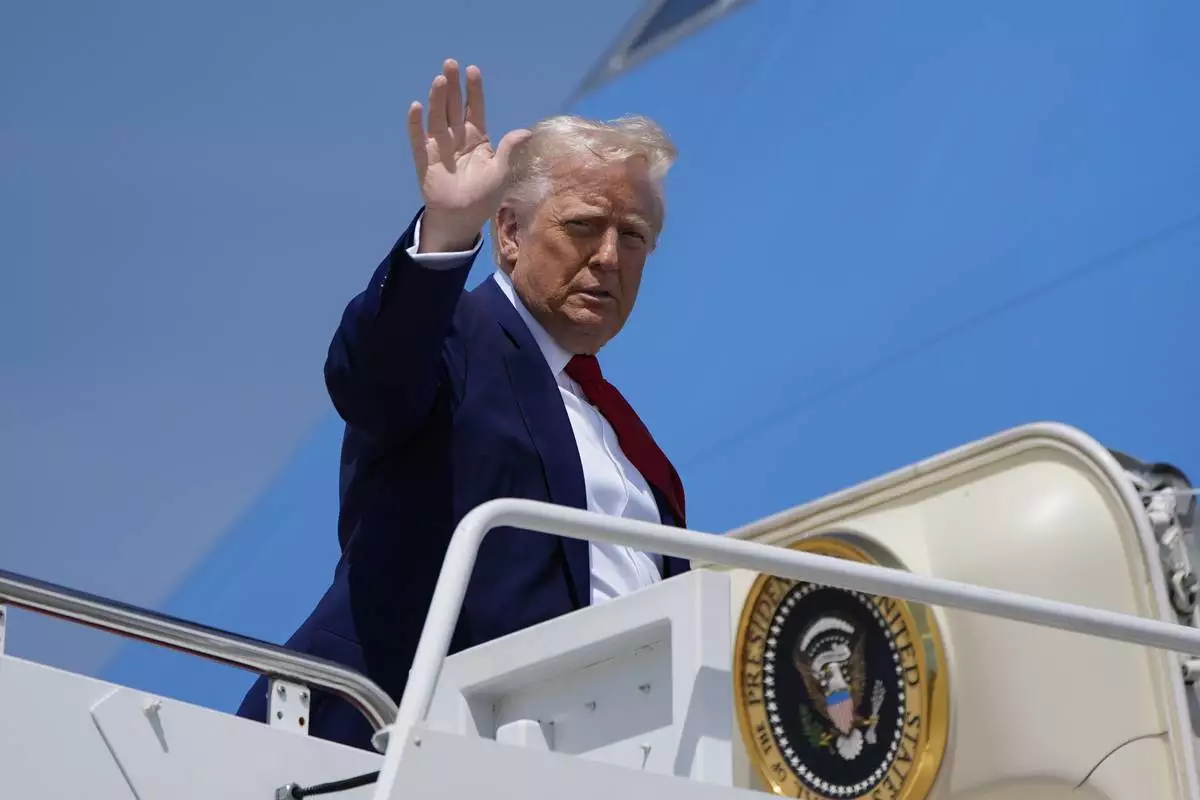
President Donald Trump waves as he boards Air Force One, Tuesday, April 29, 2025, at Joint Base Andrews, Md. (AP Photo/Alex Brandon)
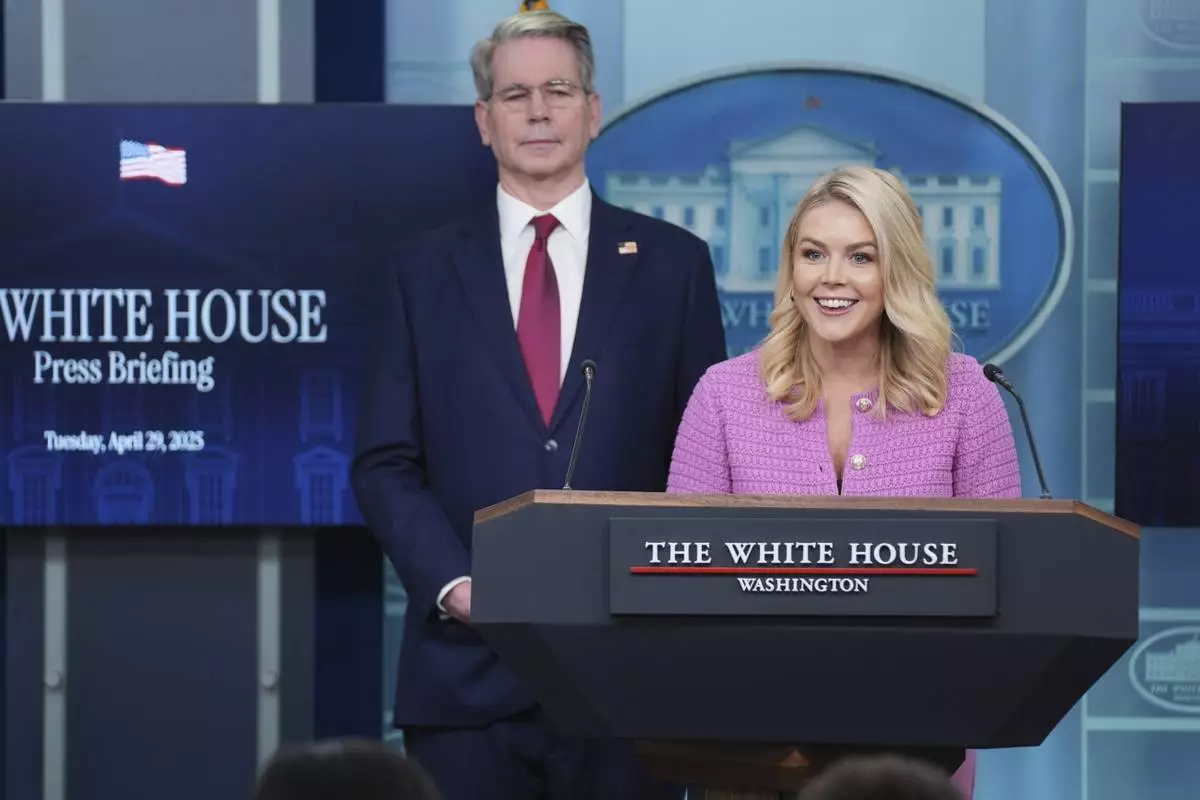
White House press secretary Karoline Leavitt speaks during a briefing with Treasury Secretary Scott Bessent at the White House, Tuesday, April 29, 2025, in Washington. (AP Photo/Evan Vucci)
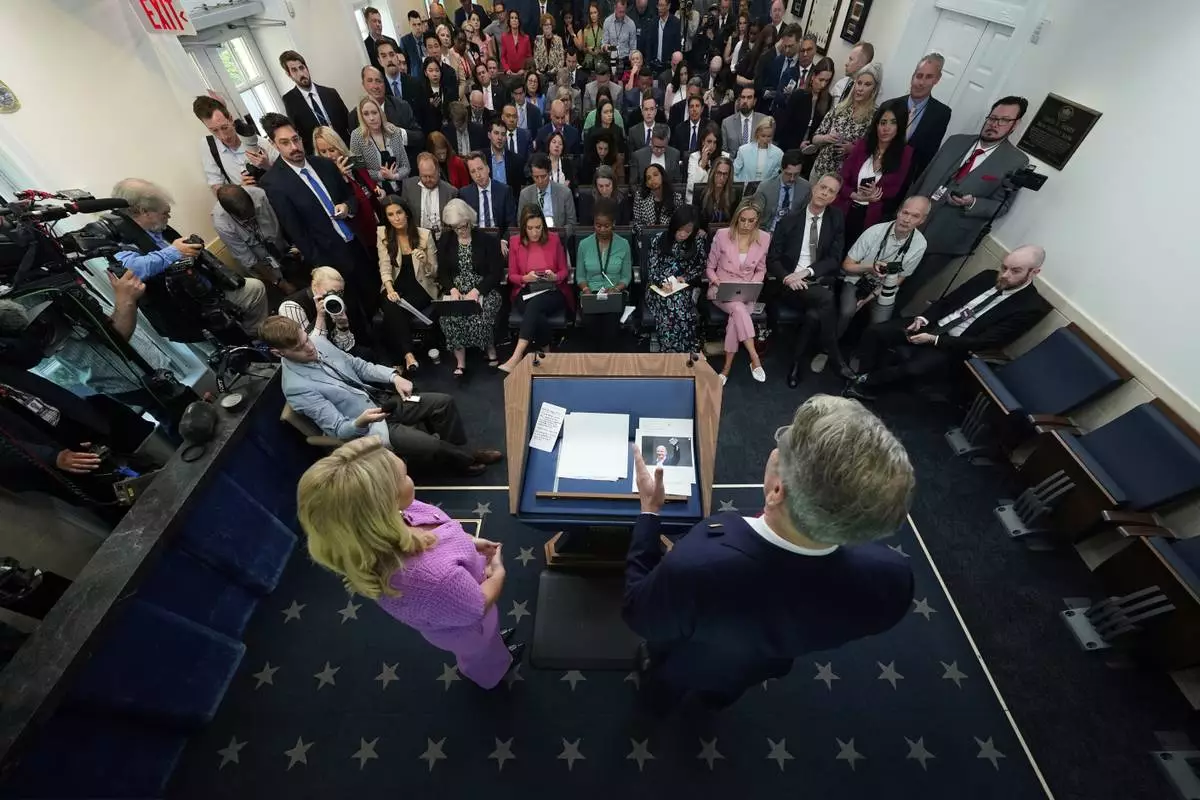
White House press secretary Karoline Leavitt and Treasury Secretary Scott Bessent participate in a press briefing at the White House, Tuesday, April 29, 2025, in Washington. (AP Photo/Evan Vucci)
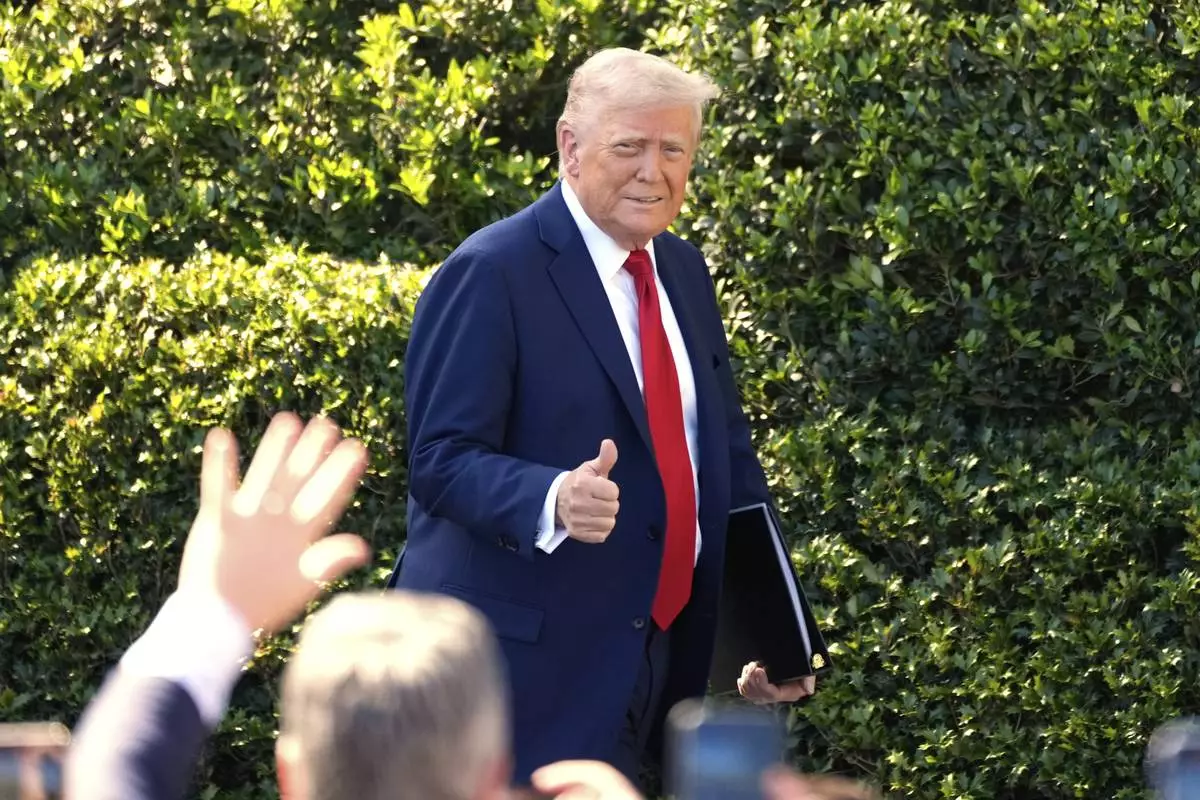
President Donald Trump arrives to welcome the Super Bowl champion Philadelphia Eagles NFL football team to the South Lawn of the White House, Monday, April 28, 2025, in Washington. (AP Photo/Alex Brandon)