PANHANDLE, Texas (AP) — The truck driver is cutting his lawn on a windy afternoon, in a town so quiet you can take afternoon walks down the middle of Main Street.
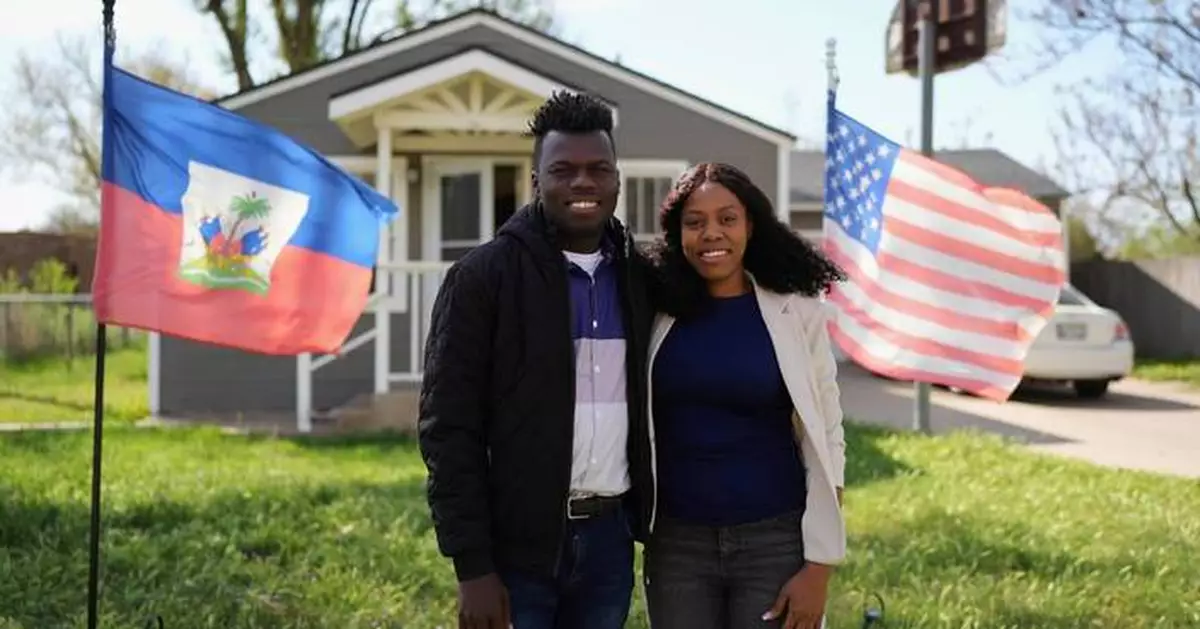
Kevenson Jean is leaving the next day for another long haul and wants things neat at the two-bedroom home he shares with his wife in the Texas Panhandle town fittingly called Panhandle. So after mowing he carefully pulls grass from around the flagpoles in his front yard. One holds the Haitian flag, the other American. Both are fading in the sun.
Click to Gallery
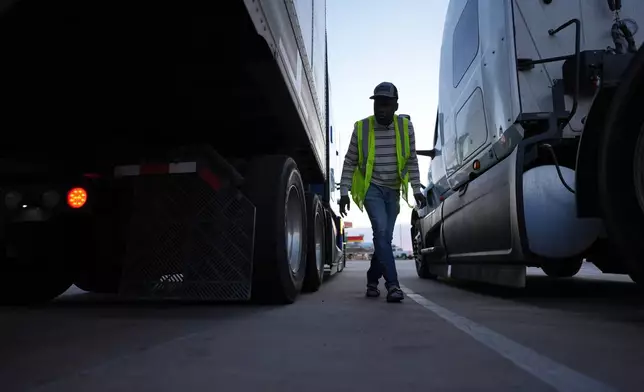
Haitian immigrant Kevenson Jean, a truck driver, checks his truck before a road trip, Tuesday, April 15, 2025, in Panhandle, Texas. (AP Photo/Eric Gay)

Haitian immigrant Idaneau Mintor, a meat plant worker, stands at the doorway of his one-bedroom apartment he shares with a fellow Haitian, Tuesday, April 15, 2025, in Dumas, Texas. (AP Photo/Eric Gay)

Haitian immigrants Kevenson Jean, a truck driver, looks over papers at his home, Monday, April 14, 2025, in Panhandle, Texas. (AP Photo/Eric Gay)

Haitian immigrants Kevenson Jean, a truck driver, and wife Sherlie Jean, a fast food worker, speak about their status status in the United States at their rental home, Monday, April 14, 2025, in Panhandle, Texas. (AP Photo/Eric Gay)

Haitian immigrant Nicole, who works for a meat processing plant, shows an email terminating her parole, Sunday, April 13, 2025, in Dumas, Texas. (AP Photo/Eric Gay)
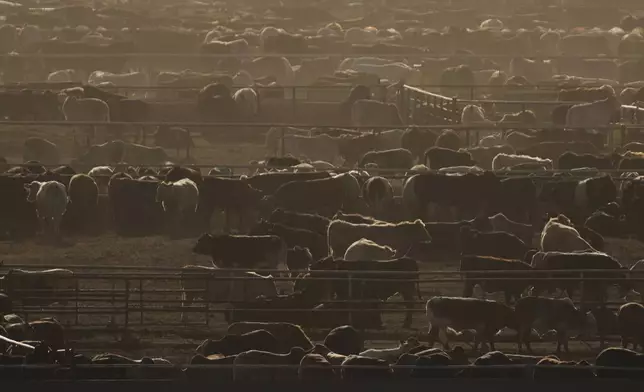
Cattle are penned at a feedlot, Tuesday, April 15, 2025, in Cactus, Texas. (AP Photo/Eric Gay)

Haitian immigrant Idaneau Mintor, a meat plant worker, reflects on his status in the United States, Tuesday, April 15, 2025, in Dumas, Texas. (AP Photo/Eric Gay)
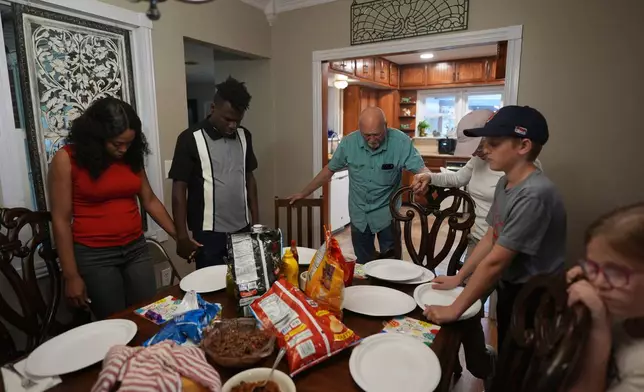
Haitian immigrants Sherlie Jean, left, holds hands with her husband Kevenson Jean during a prayer before eating with friends, Monday, April 14, 2025, in Panhandle, Texas. (AP Photo/Eric Gay)
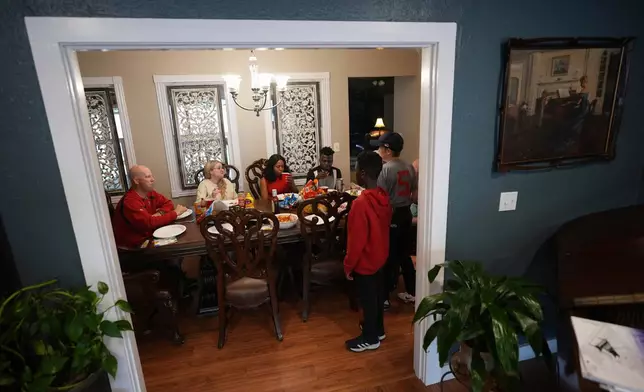
Haitian immigrants Sherlie Jean and husband Kevenson Jean, center, join friends and their sponsor for a meal, Monday, April 14, 2025, in Panhandle, Texas. (AP Photo/Eric Gay)

Haitian immigrant Nicole, who works for a meat processing plant, holds wild flowers she picked near her apartment, Sunday, April 13, 2025, in Dumas, Texas. (AP Photo/Eric Gay)
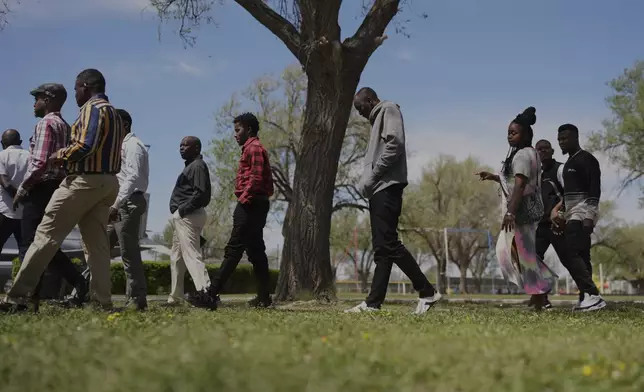
Haitian immigrants walk through the park following a church service, Sunday, April 13, 2025, in Dumas, Texas. (AP Photo/Eric Gay)
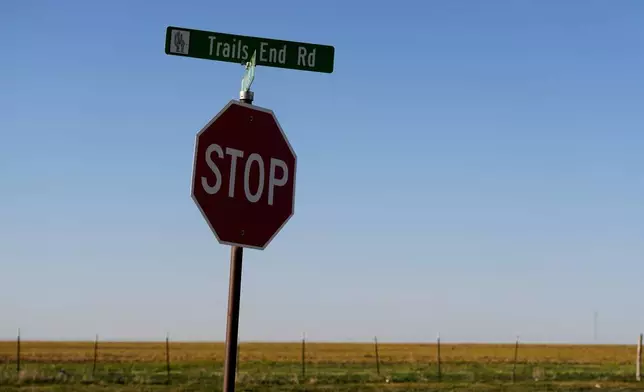
A sign for Trails End Road, home to the JBS meat processing plant, rests on a stop sign, Tuesday, April 15, 2025, in Dumas, Texas. (AP Photo/Eric Gay)

Haitian immigrant Kevenson Jean, a truck driver, checks his truck before a road trip, Tuesday, April 15, 2025, in Panhandle, Texas. (AP Photo/Eric Gay)

Haitian immigrant Kevenson Jean, a truck driver, prays before beginning a road trip, Tuesday, April 15, 2025, in Panhandle, Texas. (AP Photo/Eric Gay)
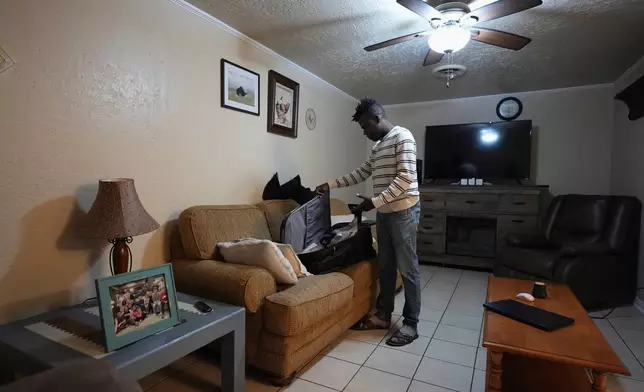
Haitian immigrant Kevenson Jean, a truck driver, packs for road trip, Tuesday, April 15, 2025, in Panhandle, Texas. (AP Photo/Eric Gay)
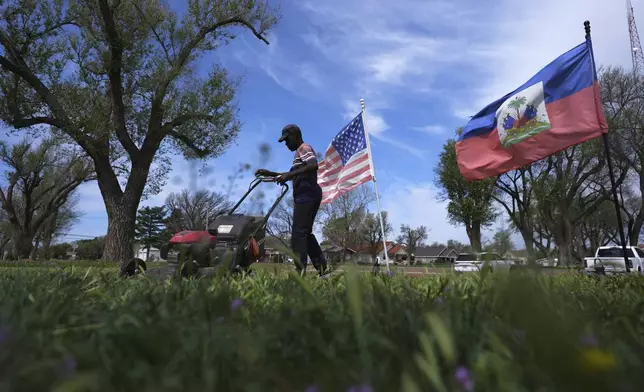
Haitian immigrant Kevenson Jean mows his yard, Monday, April 14, 2025, in Panhandle, Texas. (AP Photo/Eric Gay)

Haitian immigrants Kevenson Jean, a truck driver, and wife Sherlie Jean, a fast food worker, pose for a photo at their rental home, Monday, April 14, 2025, in Panhandle, Texas. (AP Photo/Eric Gay)
The young couple, who fled the violence that has engulfed Haiti, thought until a few months ago that they could see the American dream, somewhere in the distance.
Now they are caught up in the confusion and fear that are rippling through the immigrant communities that dot this region. Newcomers have come here for generations to work in immense meatpacking plants that emerged as the state became the nation’s top cattle producer. But after President Donald Trump moved to end legal pathways that immigrants like the Jeans have used, their future — as well as the future of the communities and industries they are a part of — is uncertain.
“We are not criminals. We’re not taking American jobs,” said Jean, whose work moving meat and other products doesn’t attract as many U.S.-born drivers as it once did.
He's been making more money than he ever imagined. He’s discovered the joys of Bud Light, fishing and the Dallas Cowboys. When she’s not at one of her two food service jobs, his wife, Sherlie, works on her English by reading paperback romances, the covers awash in swooning women.
“We did everything that they required us to do, and now we’re being targeted.”
The message was blunt.
“It’s time for you to leave the United States,” the Department of Homeland Security said in an early April email to some immigrants who had legal permission to live in the U.S. “Do not attempt to remain in the United States — the federal government will find you.”
This is what Trump had long promised
Immigration into the U.S., both legal and illegal, surged during the Biden administration, and Trump spun that into an apocalyptic vision that proved powerful with voters.
The White House rhetoric has focused on illegal immigration and the relatively small number of immigrants they say are gang members or who have committed violent crimes. However, the Trump administration also has sought to end many legal avenues for immigrants to come to the U.S. and revoke the temporary status of hundreds of thousands of people already here, saying people had not been properly vetted.
Jean is among roughly 2 million immigrants living legally in the U.S. on some sort of temporary status. Most have fled deeply troubled countries: Haiti, Cuba, Nicaragua, Venezuela, Afghanistan, Myanmar, Sudan. Many are allowed to work in the U.S. and have jobs and pay taxes.
Jean is sympathetic in ways to the immigration crackdown.
“The White House, I respect what they say,” he said. “They are working to make America safer.”
“But I will say not all immigrants are gang members. Not all immigrants are like a criminal. Some of them, just like me and my wife, and other people, they are coming here just to have a better life.”
The administration told more than 500,000 Cubans, Nicaraguans, Venezuelans and Haitians they would lose their legal status on April 24, though a judge has put that on hold. About 500,000 Haitians are scheduled to lose a different protected status in August.
The government directives and ensuing court battles have left many immigrants unsure of what to do.
“It’s all so confusing,” said Lesvia Mendoza, a 53-year-old special education teacher who came with her husband from Venezuela in 2024, moving in with her son who lives in Amarillo, the Panhandle’s largest city, and who is in the process of getting U.S. citizenship.
She doesn’t understand why the immigration crackdown affects people like her, who came legally and never received government assistance.
“I do know that he says, ‘America for the Americans,’” she said. “But all the jobs, all the production that happens because of immigrants? It’s obvious we’re needed.”
She said she will leave the U.S. if ordered to.
Others aren’t so sure.
“I really can’t go back,” said a Haitian woman who asked to be identified only as Nicole because she fears deportation. “It’s not even a decision.”
She works at a meatpacking plant, deboning cattle carcasses for more than $20 an hour. She received Homeland Security's message, but insists it can’t refer to someone who has followed the laws as she had, pointing to a phrase exempting people who have “otherwise obtained a lawful basis to remain.”
Deep in the Panhandle, where cattle graze in seemingly endless prairie punctuated with rusting oil pumpjacks, is the town of Cactus.
A wooden mosque with a gold-domed top is set amid streets of battered mobile homes and churches for Roman Catholics, Baptists and Nazarenes. There’s a Somali restaurant, a shop for Central American groceries, and a Thai takeout place.
At Golden Lotus Market, you can pick up Vietnamese instant coffee and a cereal drink from Myanmar. A flyer taped to the store's entrance and written in English, Spanish and Burmese announces a new youth sports league: “Do you like to play baseball?”
“You meet all walks of life here,” said Ricardo Gutierrez, who was raised in Cactus. “I have Burmese friends, Cubans, Columbians, everyone.”
Sometimes, when the wind is blowing, the acrid smell of the slaughterhouse signals the town's biggest employer. The meatpacking facility with more than 3,700 workers is owned by JBS, the world's largest beef producer.
The loss of immigrant labor would be a blow to the industry.
“We’re going to be back in this situation of constant turnover," said Mark Lauritsen, who runs the meatpacking division for the United Food and Commercial Workers International Union, which represents thousands of Panhandle workers. “That’s assuming you have labor to replace the labor we’re losing.”
Nearly half of workers in the meatpacking industry are thought to be foreign-born. Immigrants have long found work in slaughterhouses, back to at least the late 1800s when multitudes of Europeans — Lithuanians, Sicilians, Russian Jews and others — filled Chicago’s Packingtown neighborhood.
The Panhandle plants were originally dominated by Mexicans and Central Americans. They gave way to waves of people fleeing poverty and violence around the world, from Somalia to Cuba.
After U.S. Immigration and Customs Enforcement conducted a massive operation at Swift & Co. meatpacking plants in 2006 and detained hundreds of workers, the Cactus slaughterhouse, now owned by JBS, increasingly hired refugees and asylum-seekers with legal permission to live and work in the U.S.
Pay starts at roughly $23 an hour. English skills aren't needed, in part because the thunderous noise of the machines often means communication is done with hand signals.
What is required is a willingness to do physically demanding work.
It was the JBS plant that brought Idaneau Mintor to Cactus, where he works the overnight shift amid relentless blood and gore.
“Every morning they kill the cows, and at night I come in to clean the equipment,” he says flatly.
Mintor lives in nearby Dumas in a small one-story house divided into three one-bedroom apartments. He takes home about $2,400 a month and pays about $350 for a single mattress on the living room floor and a chair where he can pile his clothes. His roommate gets the bedroom.
Sleep, he says, is sometimes impossible, as he worries about the large family he supports in Haiti and whether his work permit will be canceled. On the kitchen counter are stacks of receipts for the money transfers he’s sent back home.
He’s been here for 11 months and can't fathom being sent back. “I follow the rules,” he said. “I respect everything.”
He has no real friends and doesn’t go out, afraid he could somehow get in trouble.
“I spend my entire day doing nothing, and thinking,” he said, leaning against the home’s stucco walls, by the concrete parking spaces that used to be the front yard. “So I’m happy when it’s time to go to work and I have something to do.”
The sun was barely above the horizon when trucker Kevenson Jean packed a few clothes, zipped up his suitcase and got ready for what he thought would be his final run.
He and his wife came to the U.S. in 2023, sponsored by a Panhandle family whose small nonprofit employed him to run a school and feeding center for children in rural Haiti.
The Jeans were supposed to have at least two years to stay and work in the U.S., and hoped to eventually become citizens. But they were told in March that Kevenson's work permit was ending April 24. An ensuing court order left even many employers unsure if people could keep working.
Kevenson had gone to trucking school after arriving in the U.S., and fell hard for a Kenworth.
The truck had taken him across immense swaths of America, taught him about snow, the dangers of high winds and truck stop etiquette. His employer owns the truck, but he understands it like no one else.
“It’s going to be my last week with my baby,” said Jean, his voice filled with sadness.
He looked miserable as he made his checks: oil, cables, brakes.
Eventually, he sat in the driver’s seat took off his baseball cap and prayed, as he always does before setting off.
Then he put his hat back on, buckled his seat belt and drove away, heading west on Route 60.
Days later, he got word that he could keep his job.
No one could tell him how long the reprieve would last.
Tim Sullivan can be reached at tsullivan@ap.org and http://x.com/ByTimSullivan
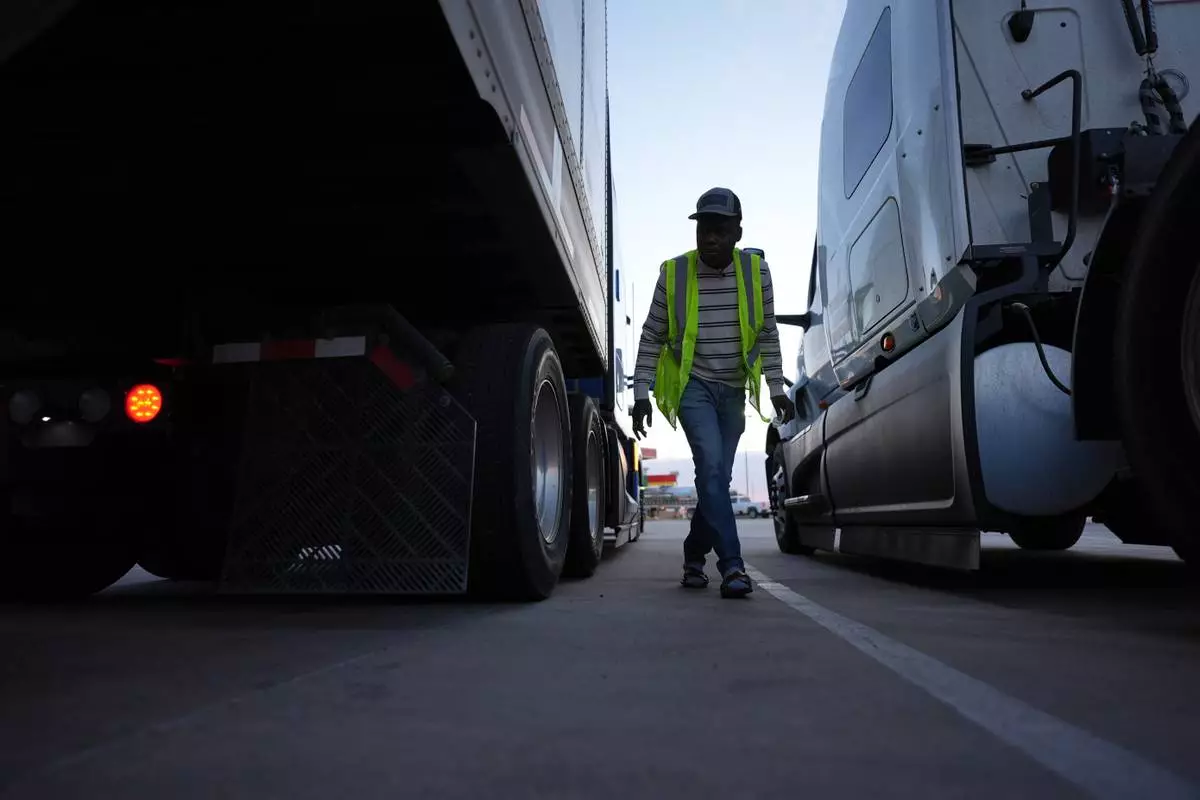
Haitian immigrant Kevenson Jean, a truck driver, checks his truck before a road trip, Tuesday, April 15, 2025, in Panhandle, Texas. (AP Photo/Eric Gay)
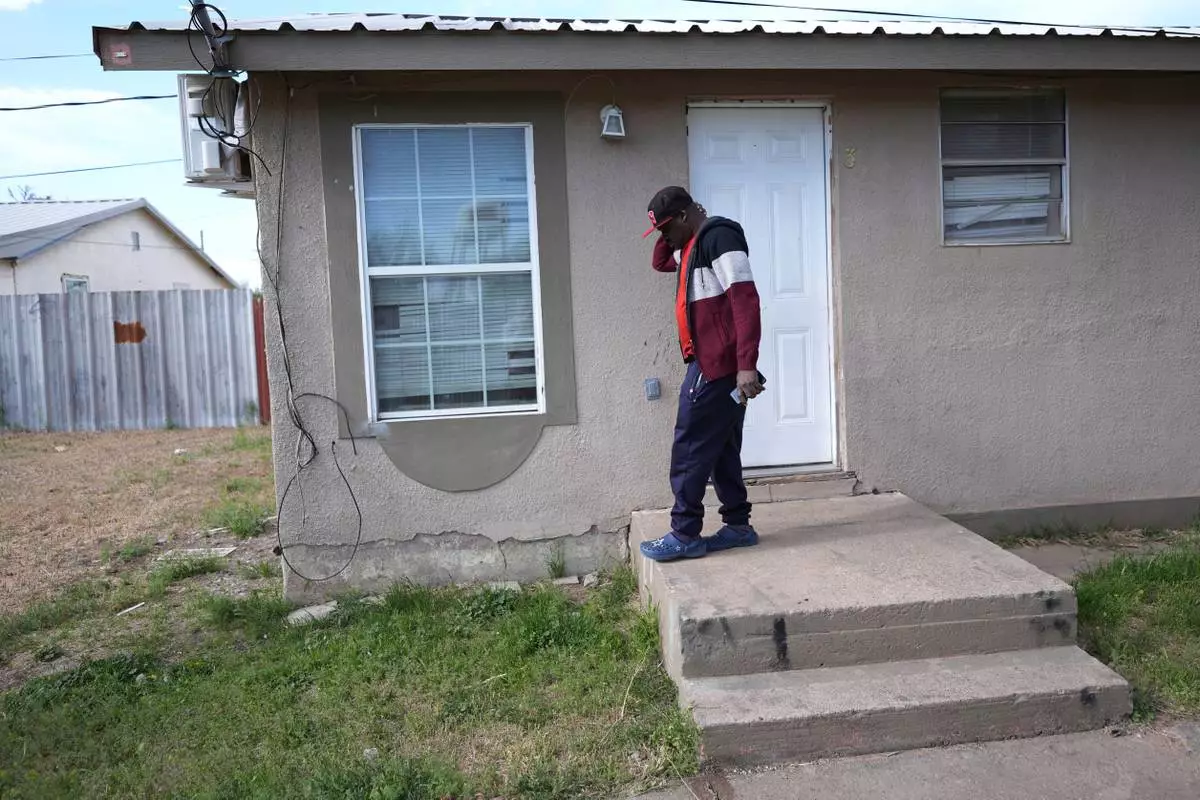
Haitian immigrant Idaneau Mintor, a meat plant worker, stands at the doorway of his one-bedroom apartment he shares with a fellow Haitian, Tuesday, April 15, 2025, in Dumas, Texas. (AP Photo/Eric Gay)

Haitian immigrants Kevenson Jean, a truck driver, looks over papers at his home, Monday, April 14, 2025, in Panhandle, Texas. (AP Photo/Eric Gay)

Haitian immigrants Kevenson Jean, a truck driver, and wife Sherlie Jean, a fast food worker, speak about their status status in the United States at their rental home, Monday, April 14, 2025, in Panhandle, Texas. (AP Photo/Eric Gay)
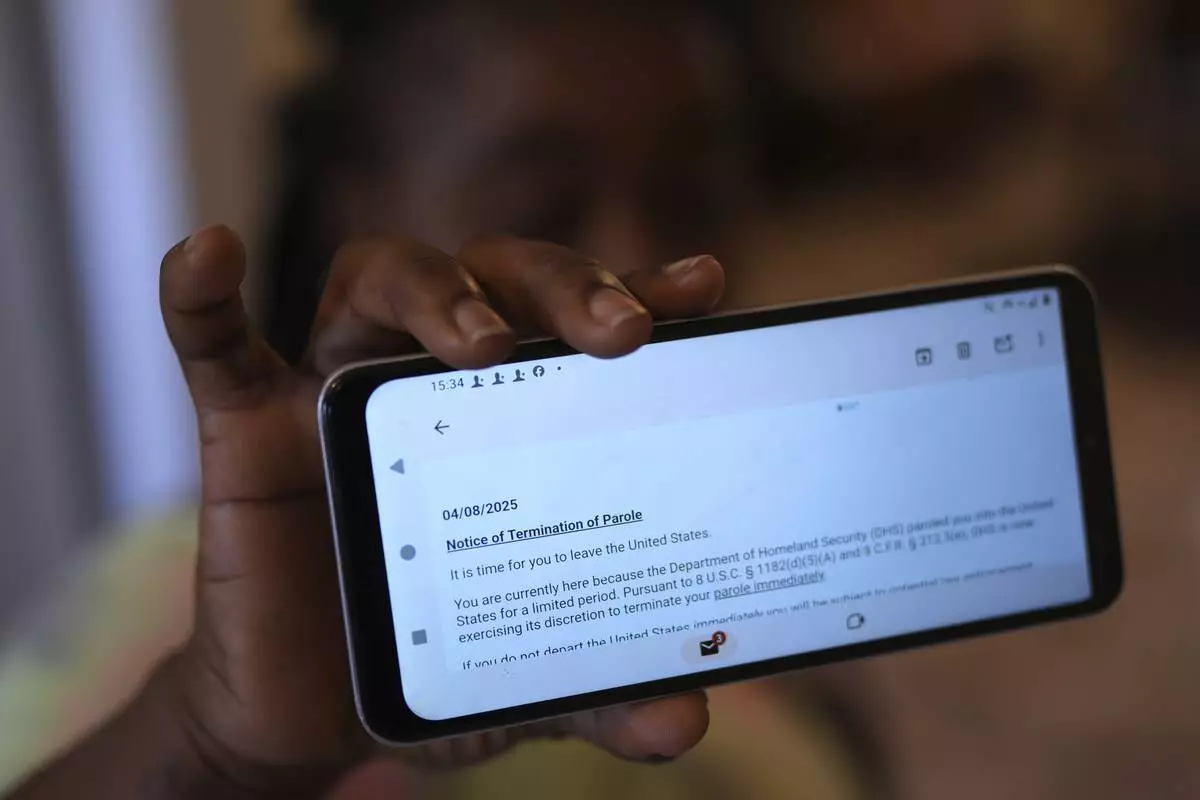
Haitian immigrant Nicole, who works for a meat processing plant, shows an email terminating her parole, Sunday, April 13, 2025, in Dumas, Texas. (AP Photo/Eric Gay)
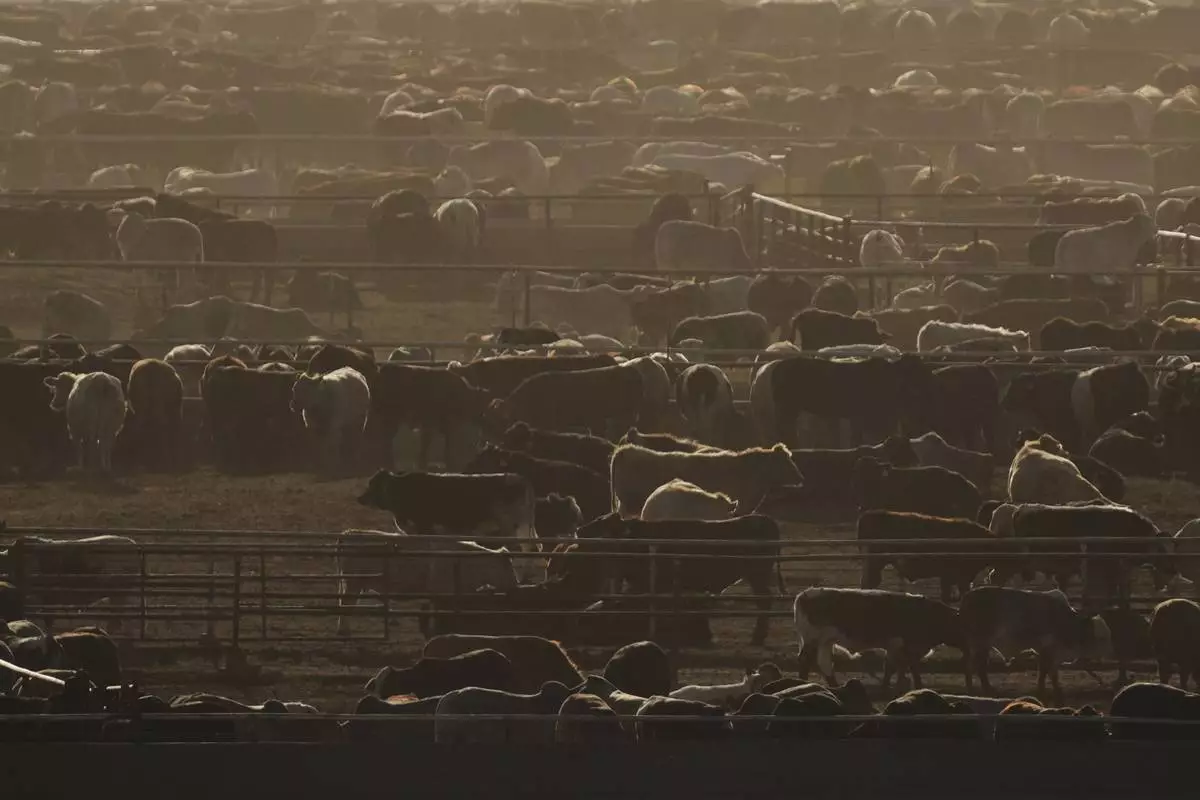
Cattle are penned at a feedlot, Tuesday, April 15, 2025, in Cactus, Texas. (AP Photo/Eric Gay)

Haitian immigrant Idaneau Mintor, a meat plant worker, reflects on his status in the United States, Tuesday, April 15, 2025, in Dumas, Texas. (AP Photo/Eric Gay)
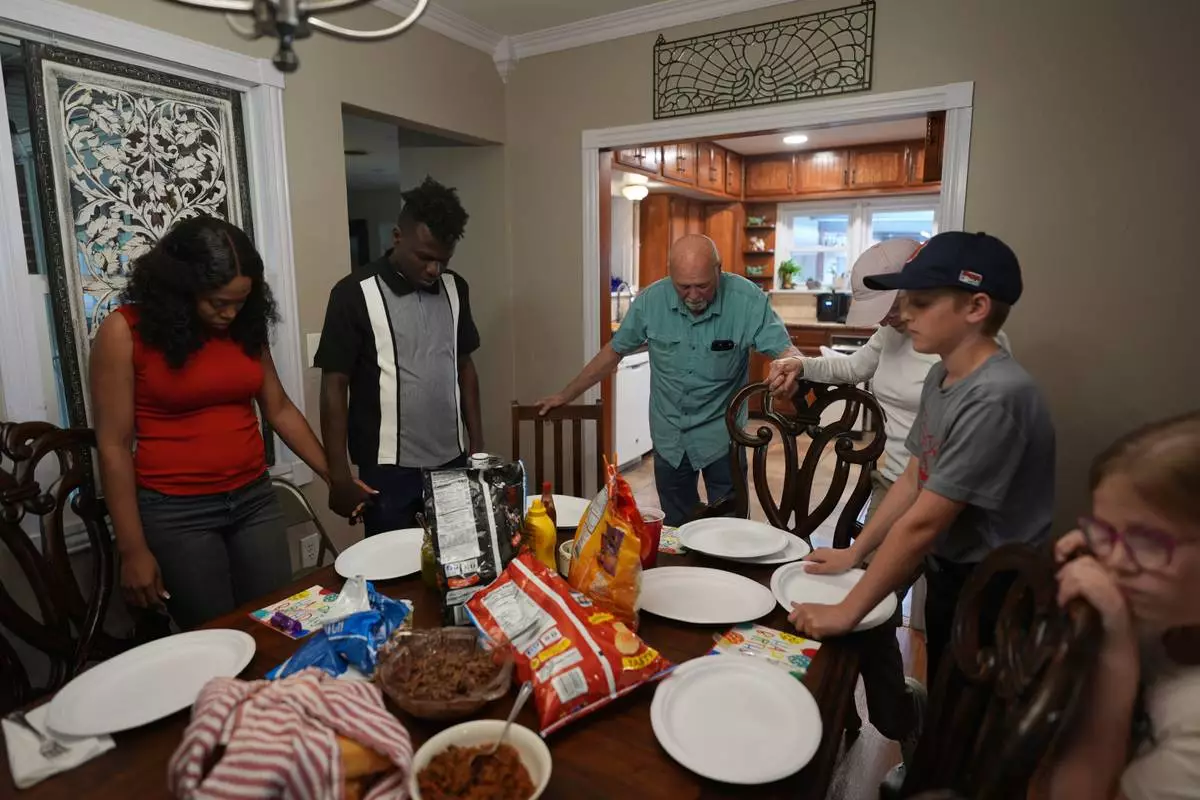
Haitian immigrants Sherlie Jean, left, holds hands with her husband Kevenson Jean during a prayer before eating with friends, Monday, April 14, 2025, in Panhandle, Texas. (AP Photo/Eric Gay)
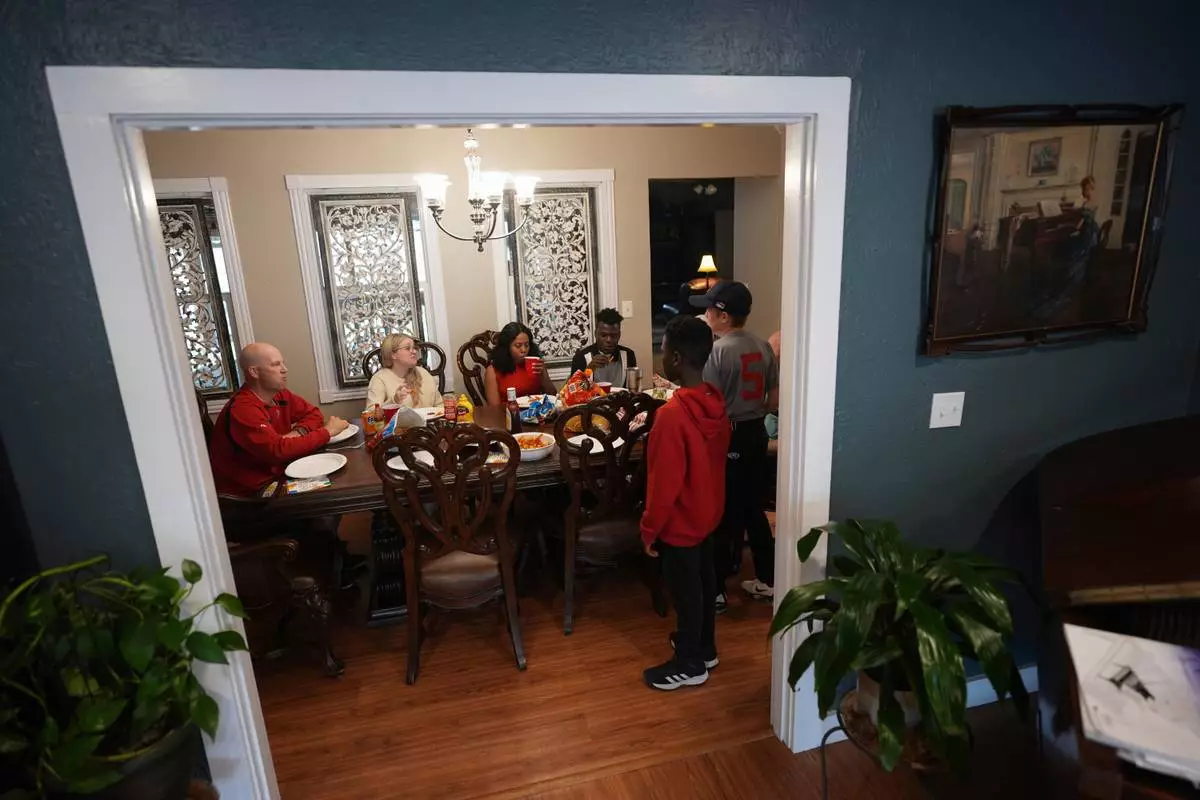
Haitian immigrants Sherlie Jean and husband Kevenson Jean, center, join friends and their sponsor for a meal, Monday, April 14, 2025, in Panhandle, Texas. (AP Photo/Eric Gay)

Haitian immigrant Nicole, who works for a meat processing plant, holds wild flowers she picked near her apartment, Sunday, April 13, 2025, in Dumas, Texas. (AP Photo/Eric Gay)
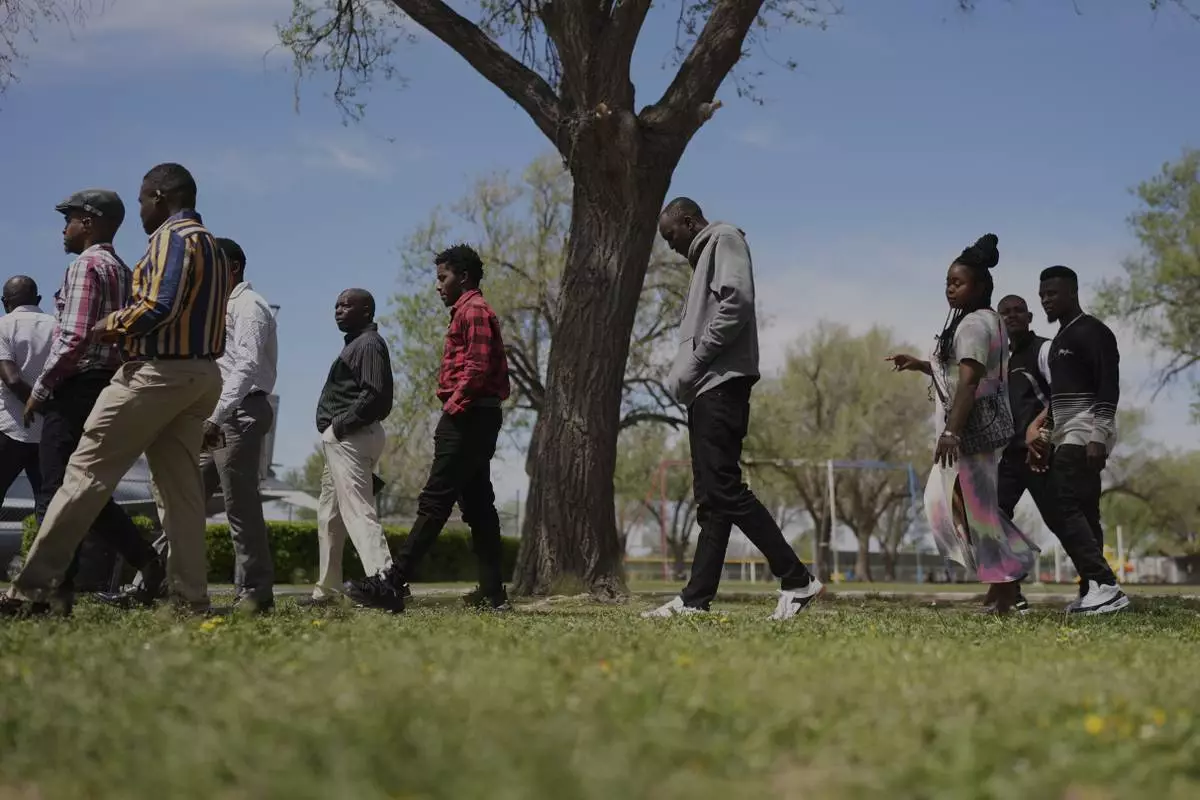
Haitian immigrants walk through the park following a church service, Sunday, April 13, 2025, in Dumas, Texas. (AP Photo/Eric Gay)
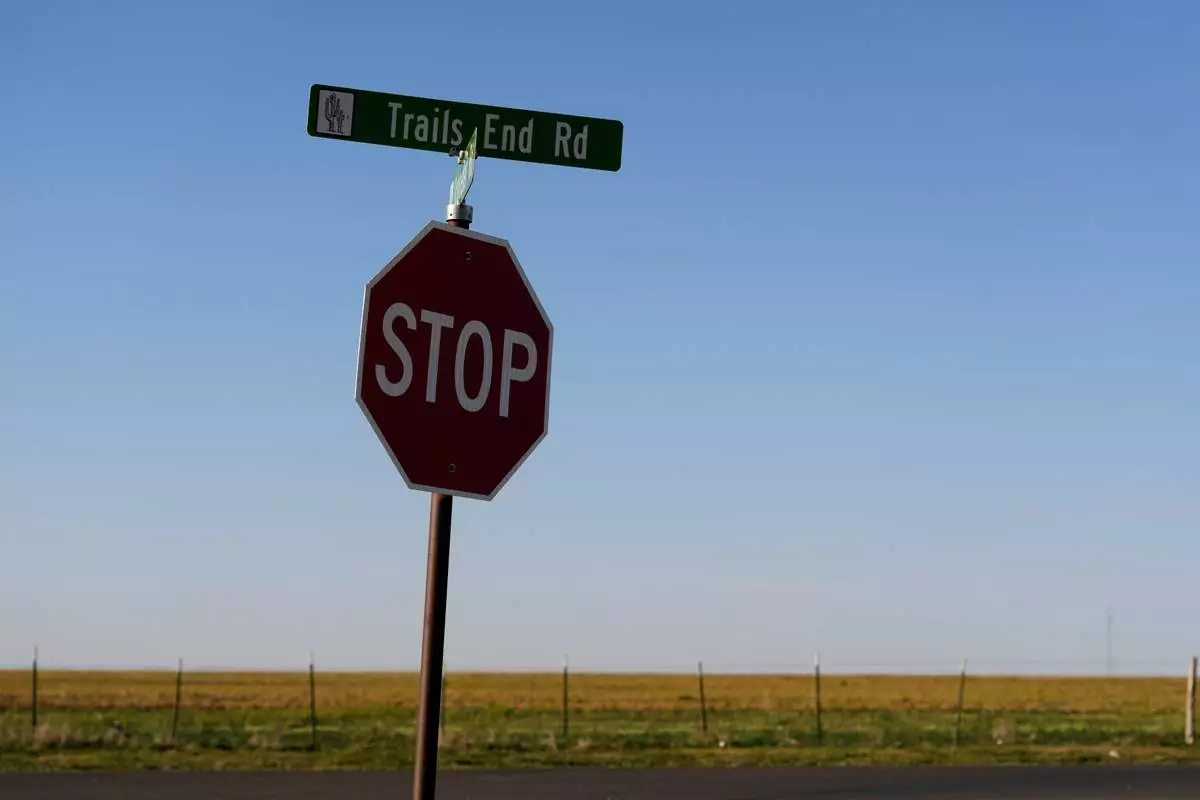
A sign for Trails End Road, home to the JBS meat processing plant, rests on a stop sign, Tuesday, April 15, 2025, in Dumas, Texas. (AP Photo/Eric Gay)
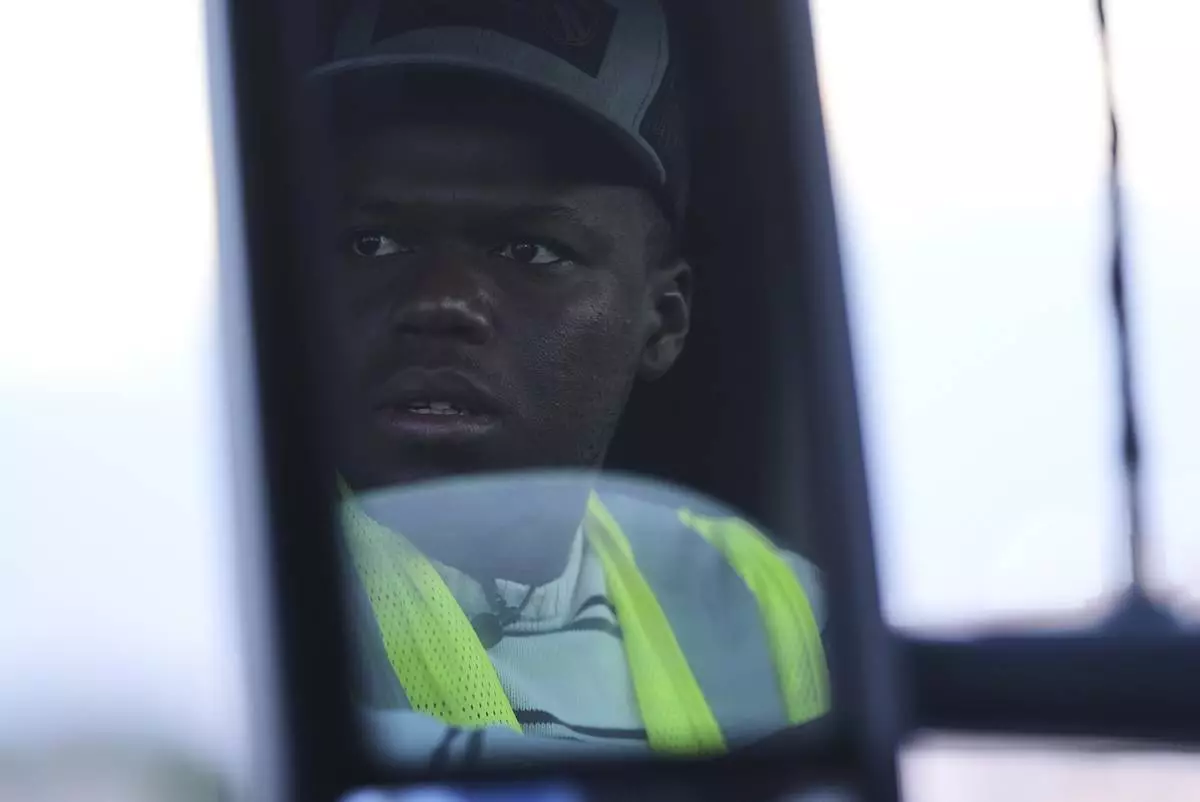
Haitian immigrant Kevenson Jean, a truck driver, checks his truck before a road trip, Tuesday, April 15, 2025, in Panhandle, Texas. (AP Photo/Eric Gay)

Haitian immigrant Kevenson Jean, a truck driver, prays before beginning a road trip, Tuesday, April 15, 2025, in Panhandle, Texas. (AP Photo/Eric Gay)
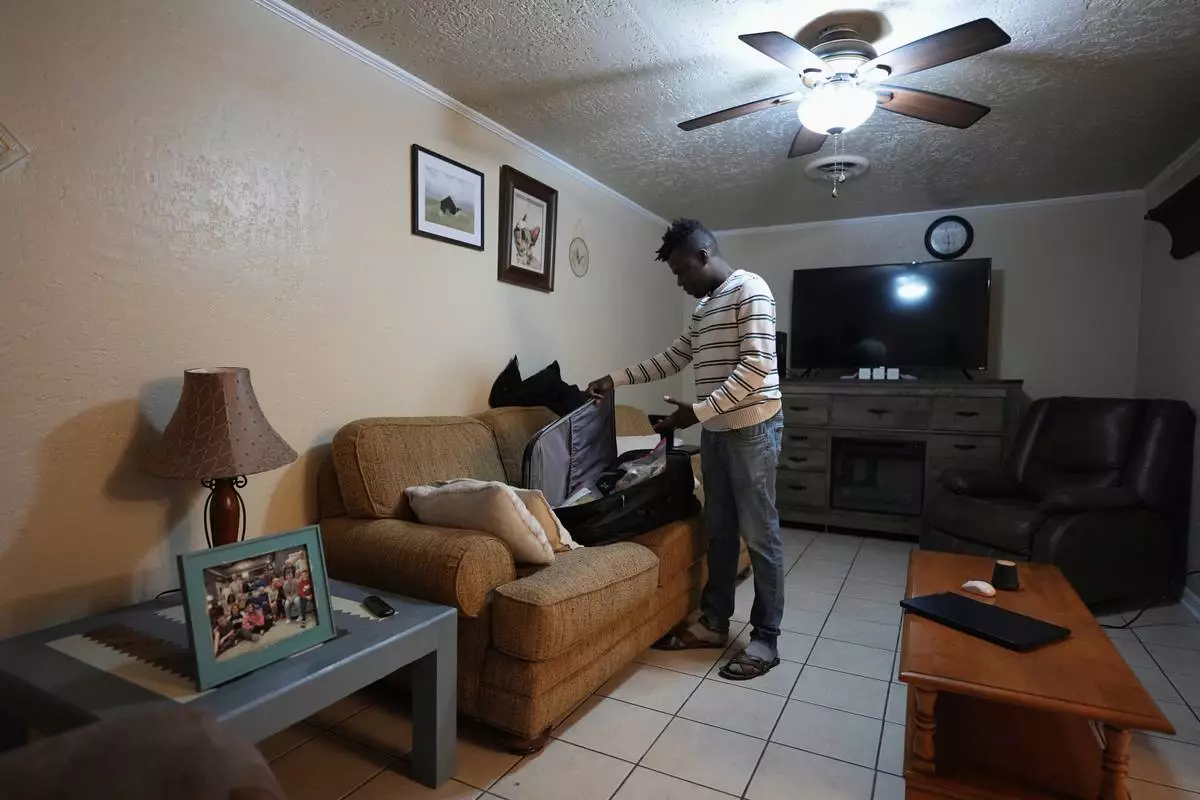
Haitian immigrant Kevenson Jean, a truck driver, packs for road trip, Tuesday, April 15, 2025, in Panhandle, Texas. (AP Photo/Eric Gay)
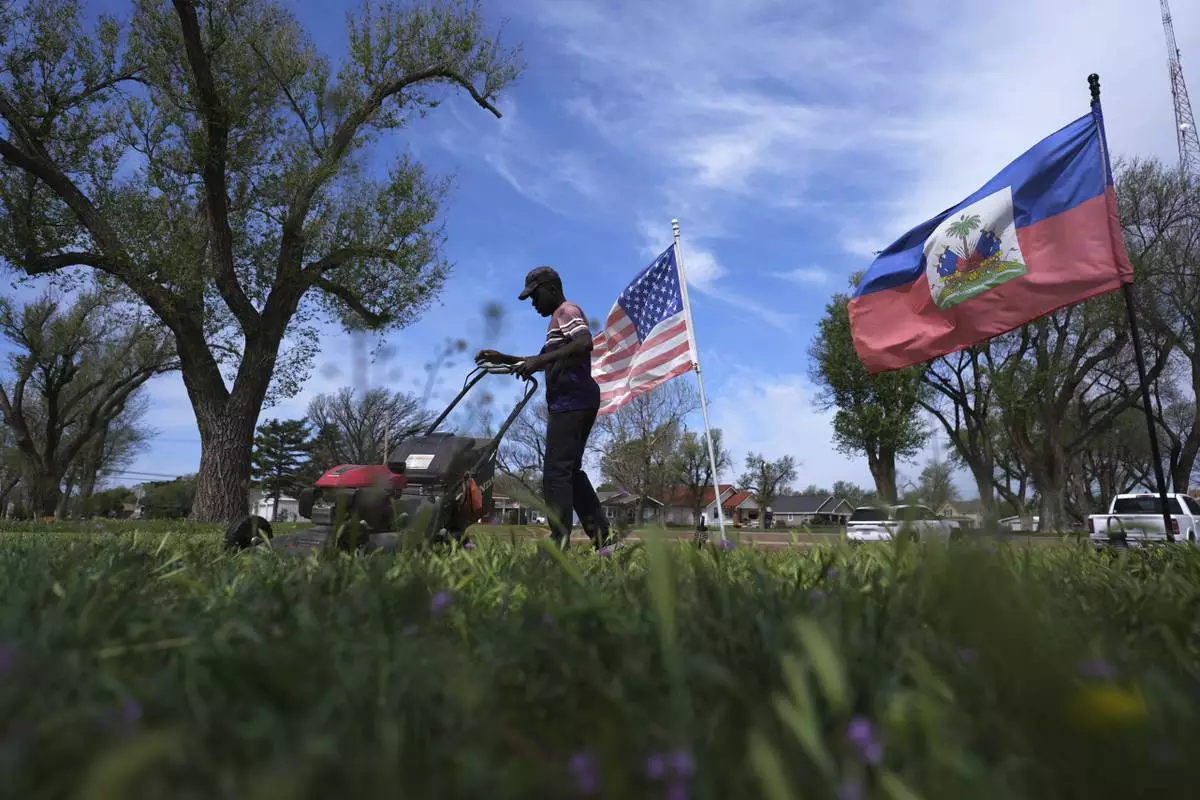
Haitian immigrant Kevenson Jean mows his yard, Monday, April 14, 2025, in Panhandle, Texas. (AP Photo/Eric Gay)

Haitian immigrants Kevenson Jean, a truck driver, and wife Sherlie Jean, a fast food worker, pose for a photo at their rental home, Monday, April 14, 2025, in Panhandle, Texas. (AP Photo/Eric Gay)