Skip to Content Facebook Feature Image

Trump's administration faces over 200 lawsuits in chaotic first 100 days

China

China

China

Trump's administration faces over 200 lawsuits in chaotic first 100 days

2025-04-30 12:03 Last Updated At:23:57

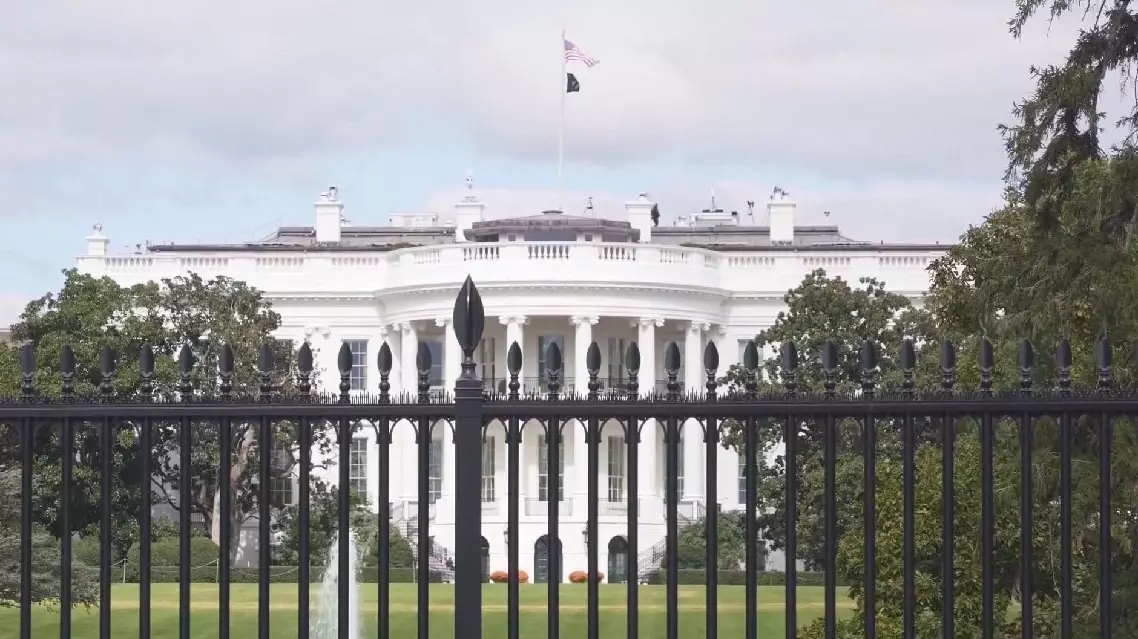
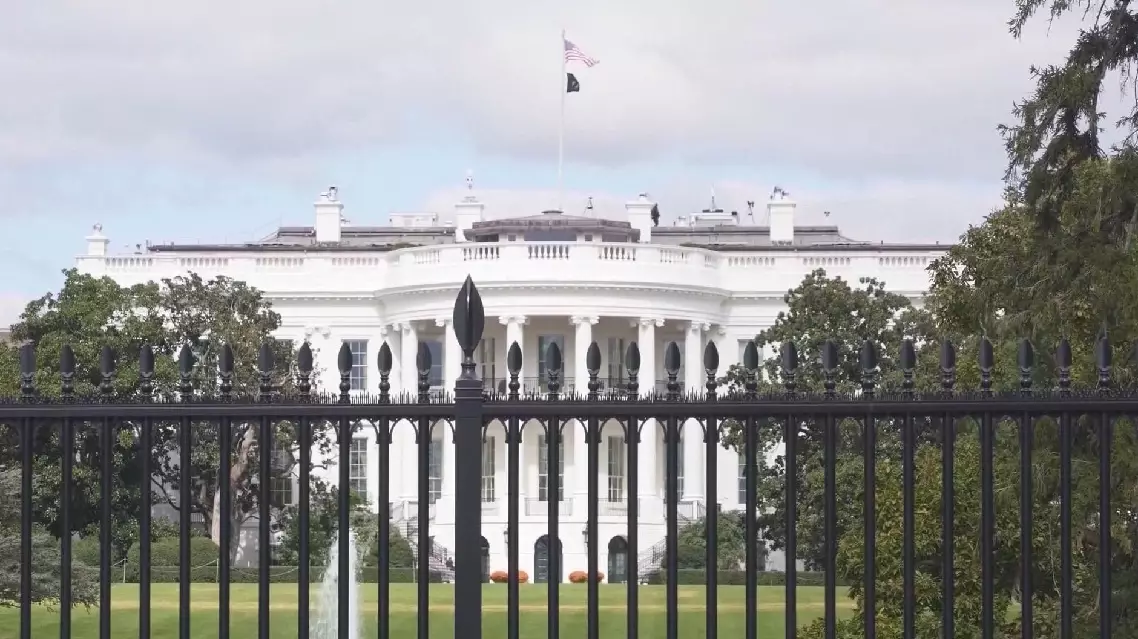
The Donald Trump administration has now induced over 200 lawsuits in the United States due to its divisive policies in the first 100 days since returning to the White House.

April 29 marks the 100th day of Trump's second term, a traditional milestone for evaluating a president's progress against campaign promises. In the chaotic first 100 days, Trump's administration has rolled out policies to impose sweeping tariffs, push for deportation of immigration, lay off massive federal employees, and shut down a great number of government agencies, among others.

According to Just Security, an editorially independent, non-partisan, digital law and policy journal, so far over 200 lawsuits relating to tariffs, immigration policy, education, and agency layoffs have been filed against Trump's administration in the United States since the beginning of its term.

In particular, legal challenges against the administration's tariff policies have been escalating.

On April 14, multiple U.S. small businesses jointly sued the U.S. government over its tariff policies.

In addition, twelve states, including California, have jointly sued the federal government, urging it to immediately halt its illegal reciprocal tariffs.

In terms of immigration policy, Trump signed an executive order on his first day in office to end birthright citizenship, which was later blocked by multiple federal judges.

In the field of education, Harvard University has recently accused the U.S. government of trying to control the university's academic decisions by freezing federal funds.

In addition, the Trump administration's massive layoffs across many government agencies have also triggered a wave of lawsuits.

According to the New York Times, as of Saturday, at least 108 judicial rulings had blocked the government's effort to implement relevant policies.

Some analysts point out that the Trump administration's aggressive push for these policies reflects its intent to weaponize the executive power, which has triggered a flood of legal challenges.

This phenomenon of "the U.S. suing itself" not only highlights the escalating conflict between the executive and judicial branches, but also reveals how the legal arena is becoming a key battleground for partisan warfare.

The continuous and escalating clashes between U.S. executive and judicial branches, along with the intensifying partisan warfare, have fueled the growing public disillusionment and discontent.

In April alone, over 1,000 protests erupted across the United States, covering all of its 50 states.
Trump's administration faces over 200 lawsuits in chaotic first 100 days
Trump's administration faces over 200 lawsuits in chaotic first 100 days
Trump's administration faces over 200 lawsuits in chaotic first 100 days
Trump's administration faces over 200 lawsuits in chaotic first 100 days

Trump's administration faces over 200 lawsuits in chaotic first 100 days
Trump's administration faces over 200 lawsuits in chaotic first 100 days

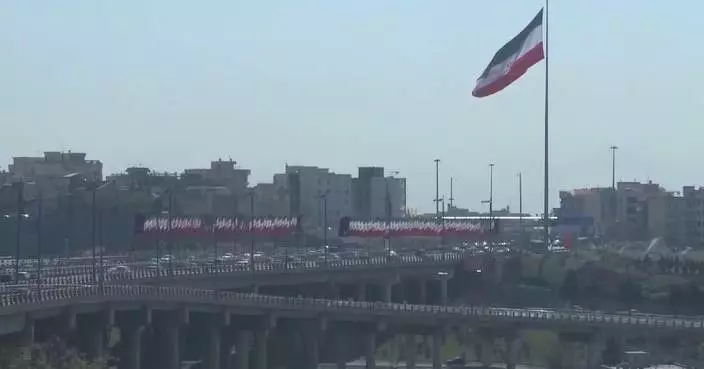
The Iranian government is focusing on public concerns and maintaining stable supplies of essential goods amid recent protests, Iranian President Masoud Pezeshkian said in a televised interview on Sunday.

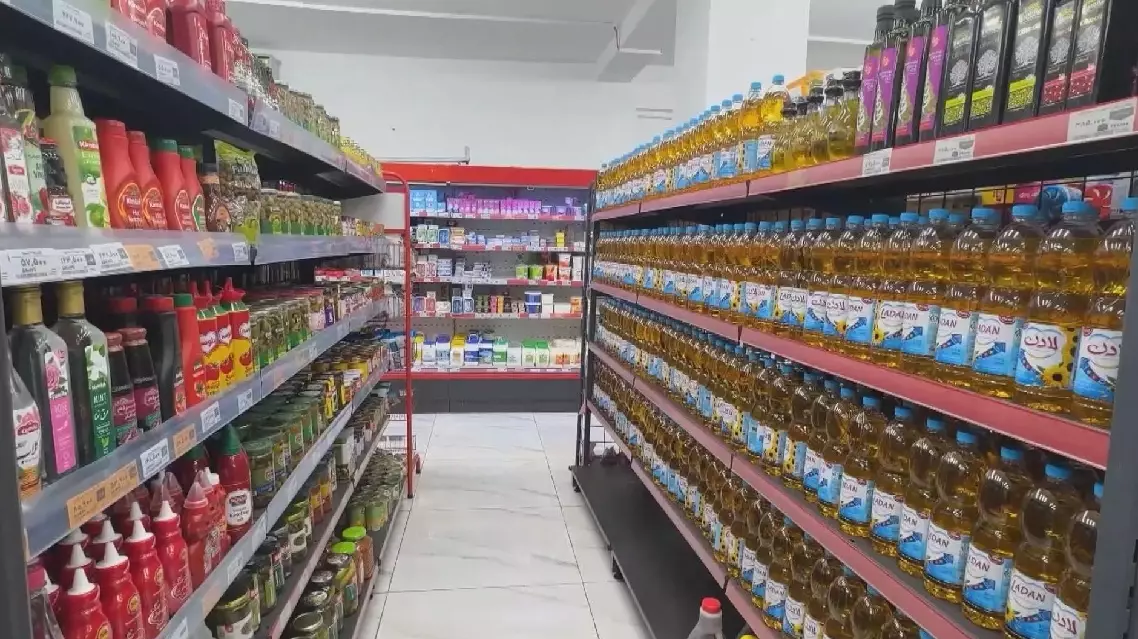
In the city of Karaj, northwest of the capital Tehran, daily life has largely continued as normal. A video filmed by a local resident on Sunday shows food stores open and grocery shelves fully stocked.

"This is the block near my home, and there are some food stores here. Daily life continues here. Last night we did not see many protests in Karaj. Right now the city is very safe. This is a grocery store close to my home. All the food is available; nothing is in shortage. Here are noodles and different types of beans. Here are dairy products, cheese, and yogurt. I also checked other grocery stores and didn't see any shortages. Everything is available," said local resident Ali Reza.

Iranian officials have described recent disturbances as acts orchestrated by the "enemy," including some carried out by well-trained and armed "terrorists." The incidents have caused casualties among security personnel and civilians, as well as property damage.

The Secretary of Iran's Supreme National Security Council Ali Larijani has directed authorities to severely punish the "terrorists."

Meanwhile, Iran's police chief Ahmad-Reza Radan said on Sunday that the police had raised alert levels and arrested several leaders of the troublemakers during the operations on Saturday.

President Pezeshkian noted in the interview that the normal demands of the Iranian people are reasonable and justified, but they must realize that triggering riots and carrying out terrorist acts are the enemy's attempts to undermine the country. He urged the public to remain vigilant.

Also on Sunday, Iranian Parliament Speaker Mohammad Baqer Qalibaf warned that Tehran would regard U.S. and Israeli bases and facilities in the Middle East as "legitimate targets" if Washington takes military action against Iran. His remarks followed media reports saying U.S. President Donald Trump is "seriously considering authorizing a strike" against Iran.

Iranian state media reported that at least 109 members of Iran's security forces have been killed in clashes since the protests began 14 days ago. Meanwhile, human rights groups based outside the country said the number of protesters killed has exceeded 200, though the figure could not be independently verified.

The protests initially erupted over a sharp depreciation of the rial and sweeping subsidy reforms. Iranian authorities have blamed the unrest on foreign-linked agents and sanctions imposed by the United States.

Iranian president says government focusing on ensuring supplies amid protests

Iranian president says government focusing on ensuring supplies amid protests

Recommended Articles