The United States has "impure motives" in its attempted mediation efforts as it looks to maximize its own gains in any potential resolution to the Ukraine crisis, with its approach making it impossible to fundamentally resolve the long-running conflict, a Chinese expert has said.
Russia on Monday announced a 72-hour ceasefire in Ukraine starting May 8, coinciding with the 80th anniversary of Victory in the Great Patriotic War, and urged Kiev to reciprocate the pause in hostilities. Speaking after a BRICS Foreign Ministers' meeting in Brazil on Tuesday, Russian Foreign Minister Sergey Lavrov said this ceasefire proposal was an opportunity for direct negotiations with Ukraine.
However, the unilateral call for a short-term pause was rejected by Ukrainian President Volodymyr Zelensky, who instead demanded an immediate and unconditional ceasefire lasting for at least 30 days.
Meanwhile, U.S. Secretary of State Marco Rubio again warned that the U.S. could "step back" as mediators unless "concrete proposals" emerge soon, according to a State Department spokesperson on Tuesday.
It comes as Tuesday also marked the 100th day of U.S. President Donald Trump's second term, with the president having previously stated he would resolve the conflict "within 24 hours" of taking office. Despite Trump's bold claims that he would broker a fast Russia-Ukraine peace deal, the efforts have yielded no breakthrough so far.
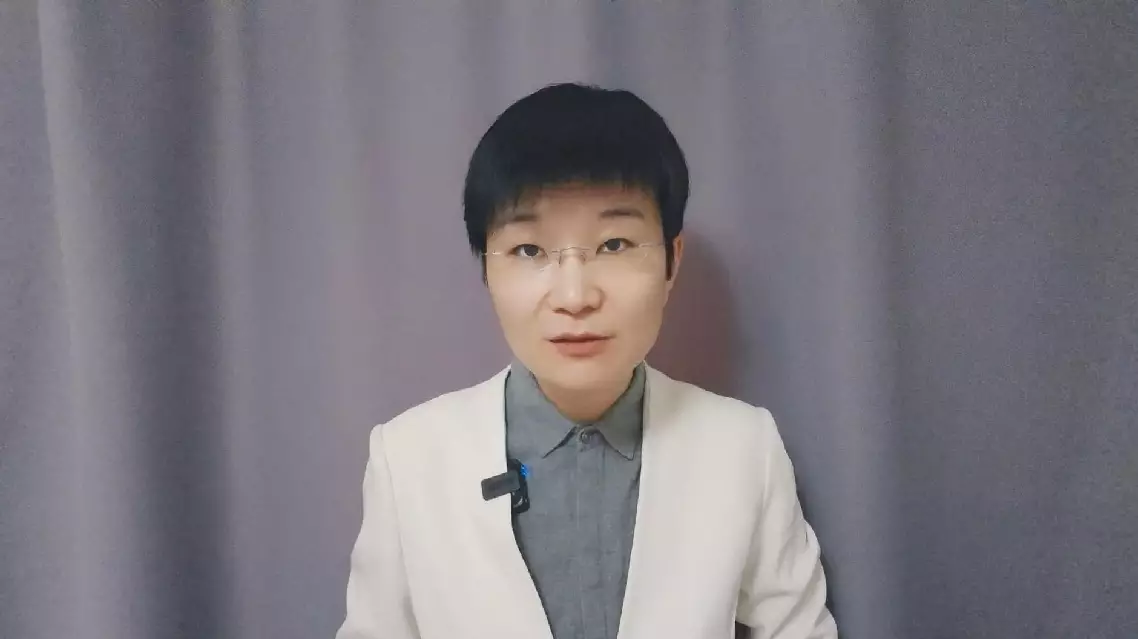
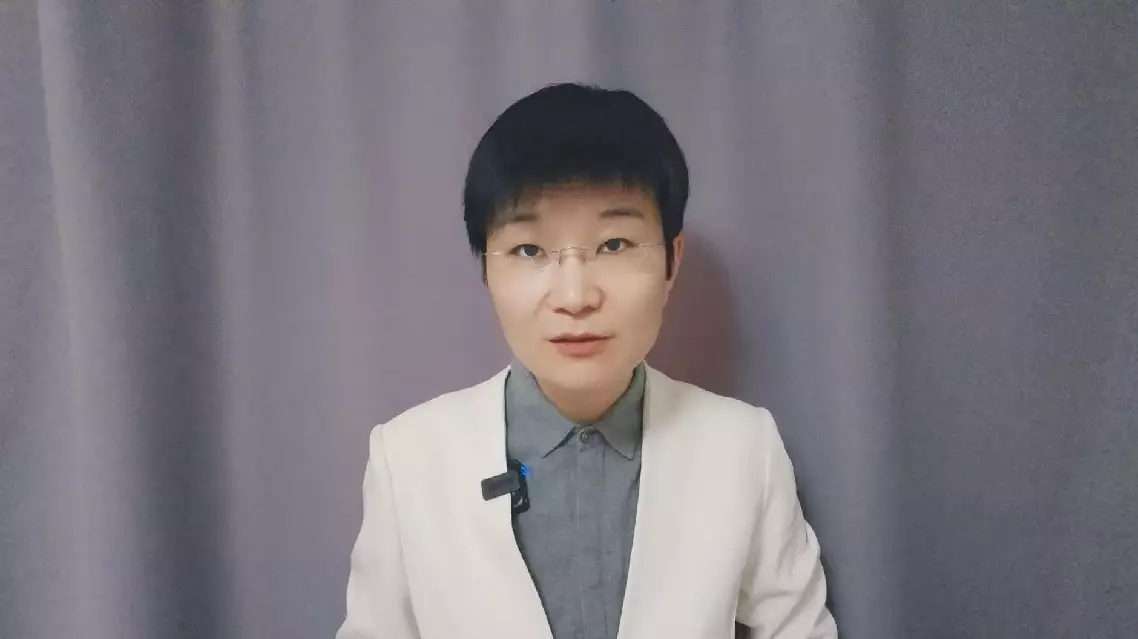
Su Xiaohui, deputy director of the Department of American Studies at the China Institute of International Studies, said that the White House is playing a questionable game as it looks to reset U.S.-Russia relations and exit the crisis only after maximizing its own position.
"First of all, it reflects that the United States has impure motives. The current goal of the U.S. is to reset the relationship between itself and Russia and to withdraw from the Ukrainian crisis as soon as possible. So what we see is that the United States is constantly adjusting its wording and expectations regarding the goal of resolving the Ukrainian crisis, and constantly proposing new timetables. When the U.S. saw the difficulty of solving the problem, it once tried to prevent Ukraine and Europe from sitting at the negotiating table to reduce the difficulty of the negotiations. So what everyone sees now is that the U.S. does not want to fundamentally resolve the Ukrainian crisis or deal with the deep-seated contradictions in the European security structure; it only hopes to demonstrate the United States' ability to act by aiming for a ceasefire, including a temporary and short-term ceasefire. It is impossible to fundamentally solve the problem through this approach," she said.
Su also argued the U.S. is seeking to extract economic concessions, such as the stalled U.S.-Ukraine mineral deal, but said it is not engaging with the demands of Russia, which wants far more than just a ceasefire, creating deeper divergences.
"We've also noticed that the United States has repeatedly proposed that it will give up mediation if its goal is not achieved. This approach is a double pressure on Ukraine and Russia, but it will not fundamentally resolve the contradictions or differences. At the same time, we can see that the pressure from the U.S. means it is especially eager to make profits. In its effort to withdraw from the Ukrainian crisis, the U.S. hopes to expand its so-called 'vested interests' and expectations of future gains. So the key issue is the Ukraine-United States Mineral Resources Agreement. The recent constant urging of the United States is precisely to make profits quickly and leave. The U.S. thinks that Ukraine needs to rely on the U.S. in the resolution of the Ukrainian crisis, so it hopes to recover previous investment to Ukraine such as military aid, but also earn even more benefits. As for resolving the Ukrainian crisis, the current solution proposed by the U.S. will make it difficult to achieve the desired goals," she said.
US seeks to maximize own gains in Ukraine crisis mediation: expert
US seeks to maximize own gains in Ukraine crisis mediation: expert