Skip to Content Facebook Feature Image

As Trump sets his sights on public broadcasting, a decades-old institution frets about the future

ENT

As Trump sets his sights on public broadcasting, a decades-old institution frets about the future
ENT

ENT

As Trump sets his sights on public broadcasting, a decades-old institution frets about the future

2025-05-03 05:54 Last Updated At:06:01

The nation's public broadcasting system — decades-long home to Big Bird, Ken Burns documentaries and “All Things Considered" — faces the biggest crisis in its nearly 60-year history with President Donald Trump's order to slash federal subsidies.

A court fight seems inevitable, with the heads of PBS, NPR and the Corporation for Public Broadcasting all suggesting Friday that Trump's order is illegal.

“We will vigorously defend our right to provide essential news, information and life-saving services to the American public,” said Katherine Maher, NPR's president and CEO. “We will challenge this executive order using all means available.” Her counterpart at PBS, Paula Kerger, said Trump's order was blatantly unlawful.

The public broadcasting system dates back to the late 1960s, devised as an educational and public service-oriented alternative to commercial broadcasters available at the time. In his order, Trump said the system has become politically biased and time has passed it by.

“Today the media landscape is filled with abundant, diverse and innovative news options,” the president said in his order, issued just before midnight Thursday. “Government funding of news media in this environment is not only outdated and unnecessary, but corrosive to the appearance of journalistic independence.”

Trump's order concentrates on news, and between PBS' “NewsHour” and a robust reporting corps at NPR, that's an important part of their operations. But public broadcasting also has entertainment programming, educational children's shows and Burns' historical documentaries.

PBS and NPR get about a half-billion dollars a year in public funding funneled through the private Corporation for Public Broadcasting. Roughly 70% of that goes directly to the 330 local PBS outlets and 246 NPR stations.

On average, PBS says 15% of its stations' budgets come from public funding. But there are wide variations; stations in larger markets usually get more money through philanthropy and fund drives, while smaller stations depend much more on the government.

Besides Trump's order, Congress has been considering future funding levels for the public broadcasters, and the Federal Communications Commission is questioning public broadcasting efforts at corporate underwriting, said Josh Shepperd, author of the 2023 book “Shadow of the New Deal: The Victory of Public Broadcasting.”

“It's a three-pronged effort that is frankly very smart in its institutional understanding,” Shepperd said. “They're not just going after programs that they don't like. They're going after the operations and the infrastructure that makes it possible to even air the programming.”

Trump's order instructs the CPB and other government agencies to “cease Federal funding” for PBS and National Public Radio and further requires that they work to root out indirect sources of public financing. Separate from the CPB grant, for example, PBS gets a grant from the U.S. Department of Education for programming that helps build the reading, math and science skills for children age 2 to 8, particularly in poor areas.

The administration's plan might not threaten your favorite program — Burns gets plenty of corporate and philanthropic support — but it may impact local programming and potential growth, Shepperd said.

Congressional Republicans aired some of their grievances about public broadcasting to Kerger and Maher at a public hearing in March. Such complaints have been common over the years, but the broadcasters have avoided funding cuts, in large part because members of Congress don't want to be seen as responsible if a station in their district shuts down. Who wants to be the public official who killed “Sesame Street”?

Also, public pressure from constituents is minimized because most Republicans don't watch PBS or listen to NPR, said Tim Graham, director of media analysis at the conservative Media Research Center. “I have this morning habit of listening to NPR on my commute,” Graham said. “I yell at the radio.”

For years, Graham's group has issued reports with examples of what it says is bias against conservatives. For example, during an 18-month period that ended last November, his researchers counted 162 examples of PBS journalists or contributors making reference labeling some politicians “far right” or some variation, with only six called “far left.”

He said he's not trying to shut down these stations, but resists them receiving public money.

“Let the people who listen to it do the funding,” Graham said.

At a board meeting Friday, CPB president and CEO Pat Harrison said her agency has taken bias concerns seriously. It has increased investments in fact-based local journalism, and provided a grant to NPR to make changes in its newsroom to address issues of bias.

The court fight over public broadcasting has already begun. The president earlier this week said he was firing three of the five remaining CPB board members — threatening its ability to do any work — and was immediately sued by the CPB to stop it.

The executive order is also the latest move by Trump and his administration to utilize federal powers to control or hamstring institutions whose actions or viewpoints he disagrees with — particularly those related to media.

Since taking office in January for a second term, Trump has ousted leaders, placed staff on administrative leave and cut off hundreds of millions of dollars in funding to artists, libraries, museums, theaters and others, through takeovers of the John F. Kennedy Center for the Performing Arts and the National Endowment for the Humanities. Trump has also pushed to withhold federal research and education funds from universities and punish law firms unless they agree to eliminate diversity programs and other measures he has found objectionable.

The move against PBS and NPR comes as Trump's administration works to dismantle the U.S. Agency for Global Media, including Voice of America and Radio Free Europe/Radio Liberty, which were designed to model independent news gathering globally in societies that restrict the press.

Those efforts have faced pushback from federal courts, which have ruled in some cases that the Trump administration may have overstepped its authority in holding back funds appropriated to the outlets by Congress.

AP Congressional Correspondent Lisa Mascaro contributed to this report. David Bauder writes about media for the AP. Follow him at http://x.com/dbauder and https://bsky.app/profile/dbauder.bsky.social
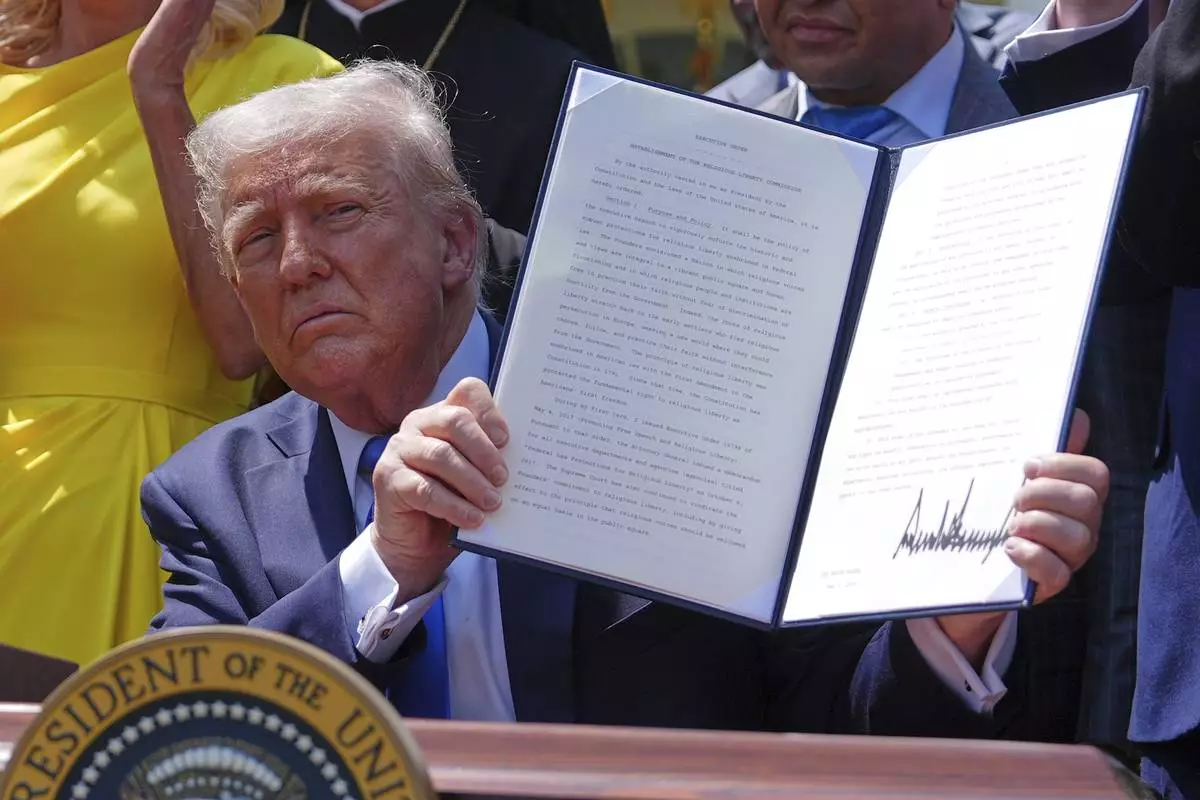
President Donald Trump holds up a signed executive order establishing the Religious Liberty Commission, during a National Day of Prayer event in the Rose Garden of the White House, Thursday, May 1, 2025, in Washington. (AP Photo/Evan Vucci)
President Donald Trump holds up a signed executive order establishing the Religious Liberty Commission, during a National Day of Prayer event in the Rose Garden of the White House, Thursday, May 1, 2025, in Washington. (AP Photo/Evan Vucci)

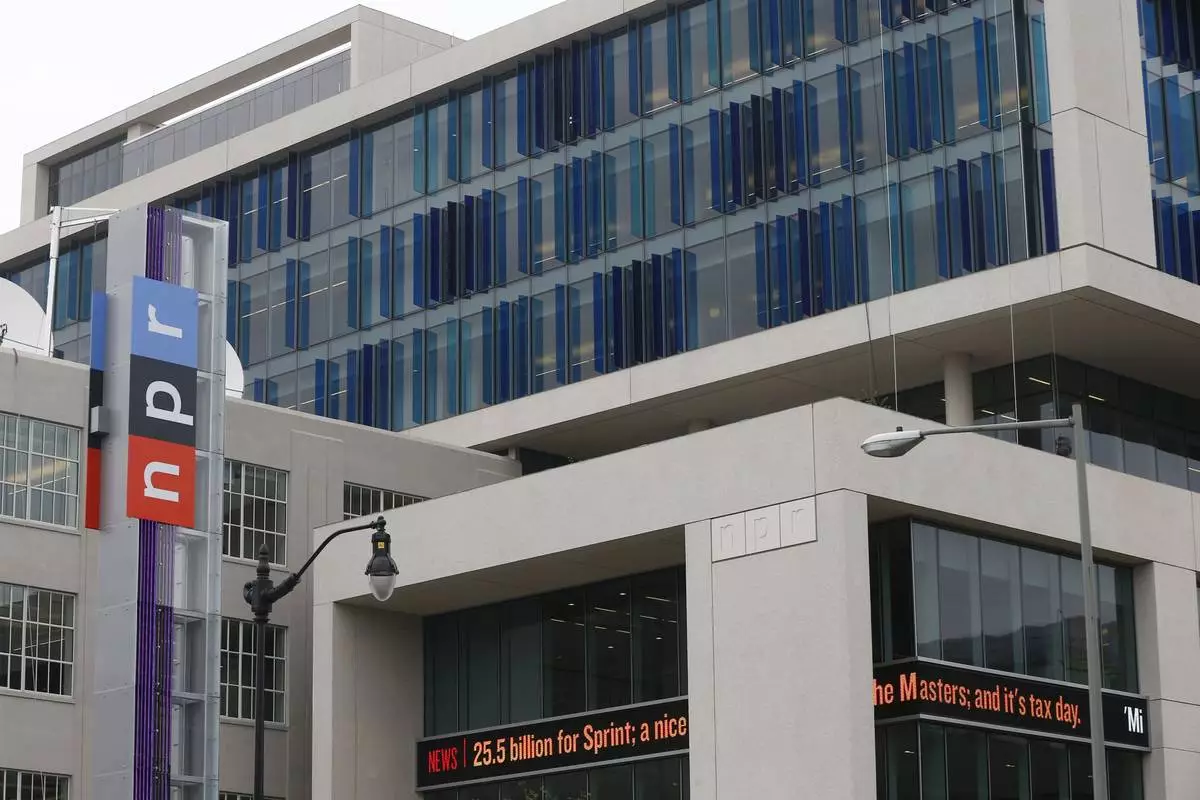
FILE - The headquarters for National Public Radio (NPR) is seen in Washington, April 15, 2013. AP Photo/Charles Dharapak, File)
FILE - The headquarters for National Public Radio (NPR) is seen in Washington, April 15, 2013. AP Photo/Charles Dharapak, File)

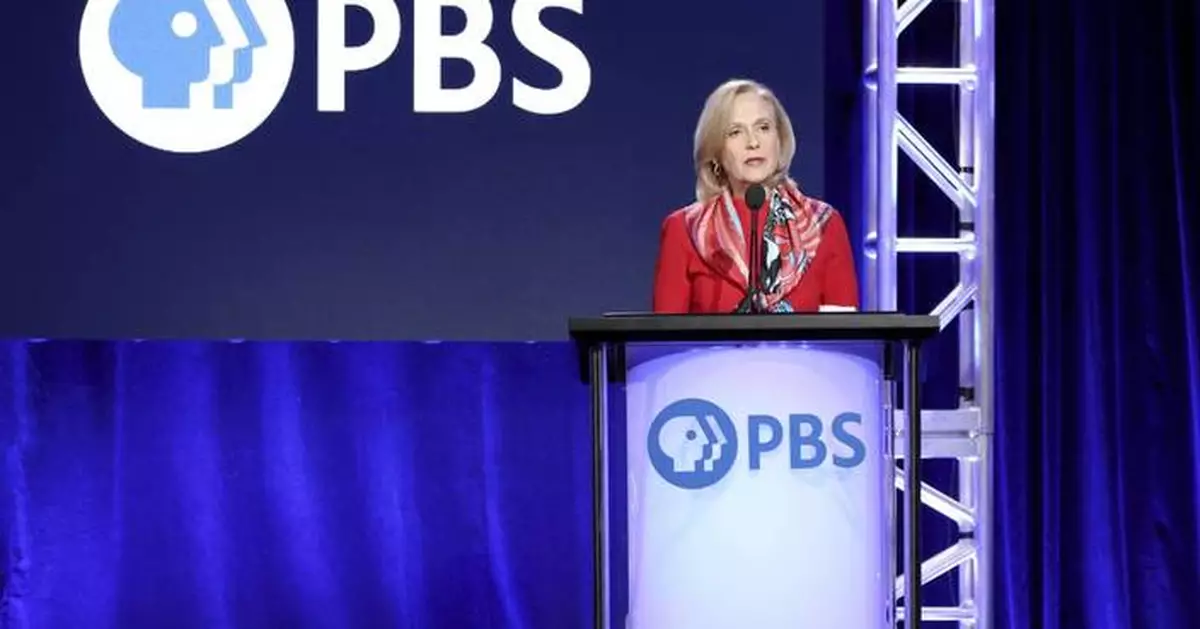
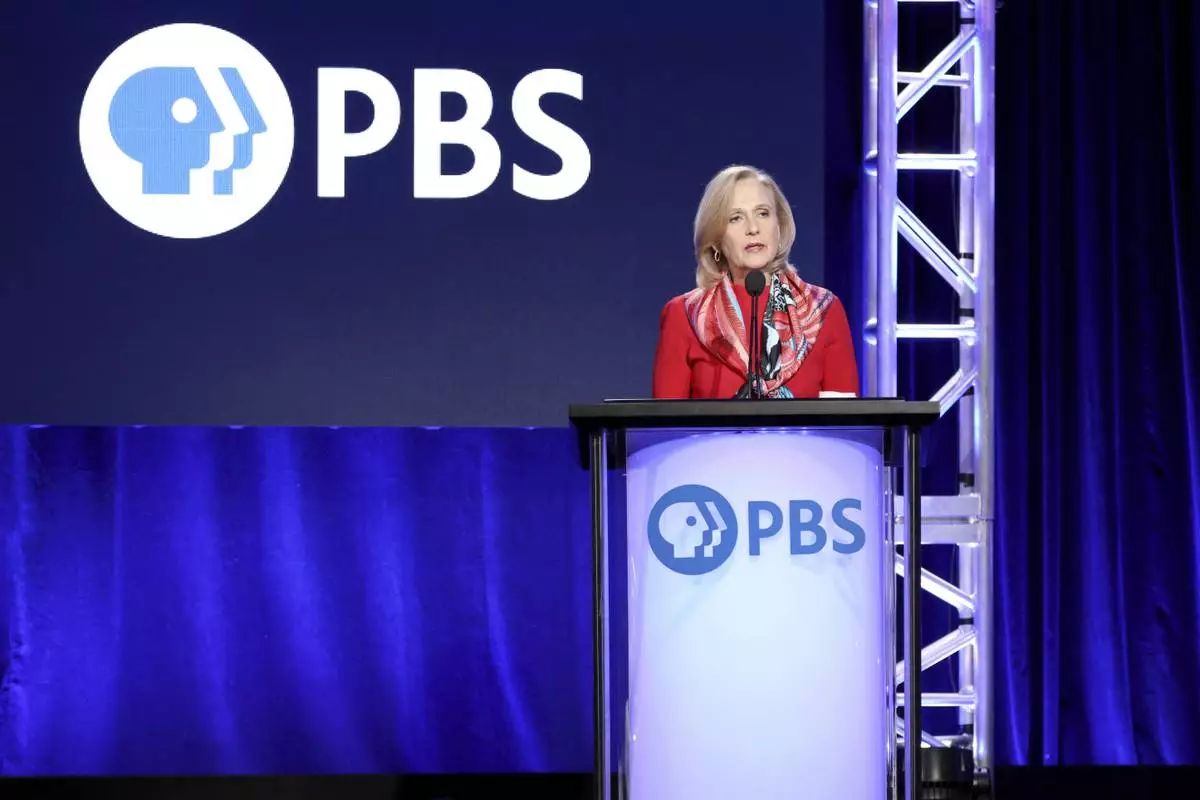
FILE - Paula Kerger, President and CEO at PBS, speaks at the executive session during the PBS Winter 2020 TCA Press Tour at The Langham Huntington, Pasadena, Jan. 10, 2020, in Pasadena, Calif. (Photo by Willy Sanjuan/Invision/AP, File)
FILE - Paula Kerger, President and CEO at PBS, speaks at the executive session during the PBS Winter 2020 TCA Press Tour at The Langham Huntington, Pasadena, Jan. 10, 2020, in Pasadena, Calif. (Photo by Willy Sanjuan/Invision/AP, File)
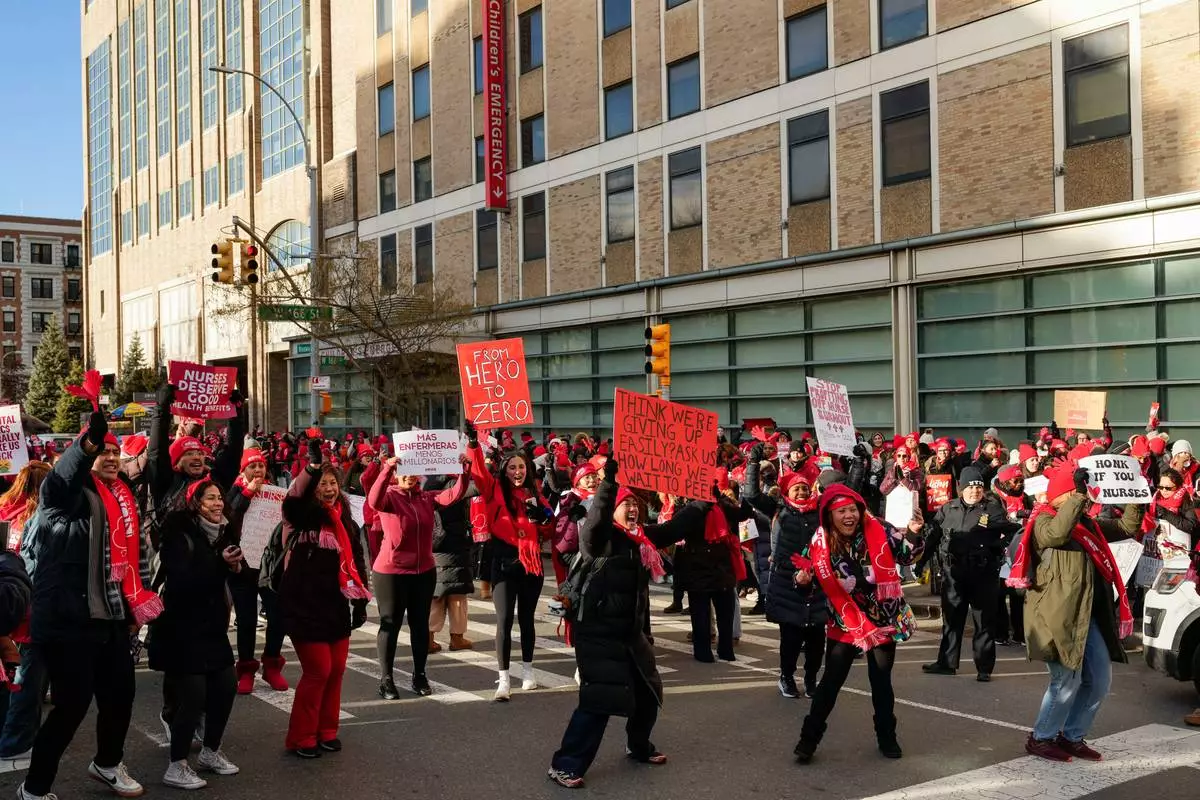
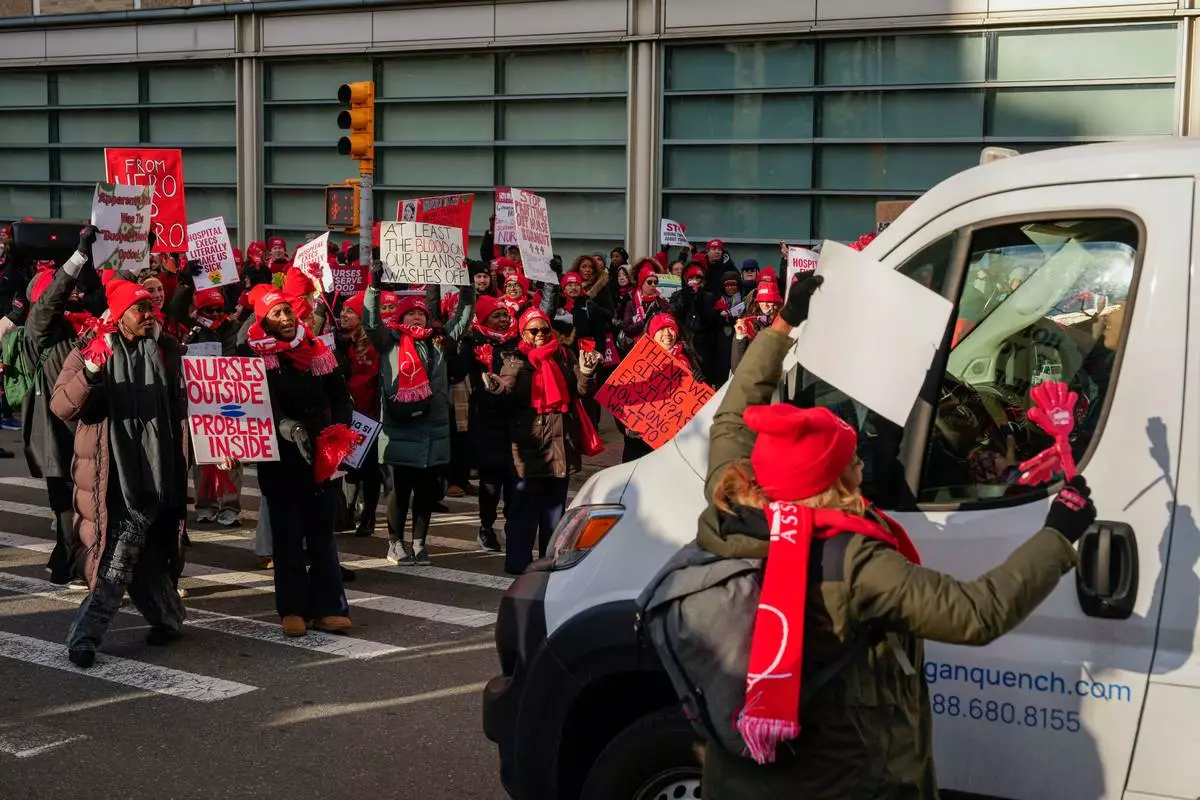
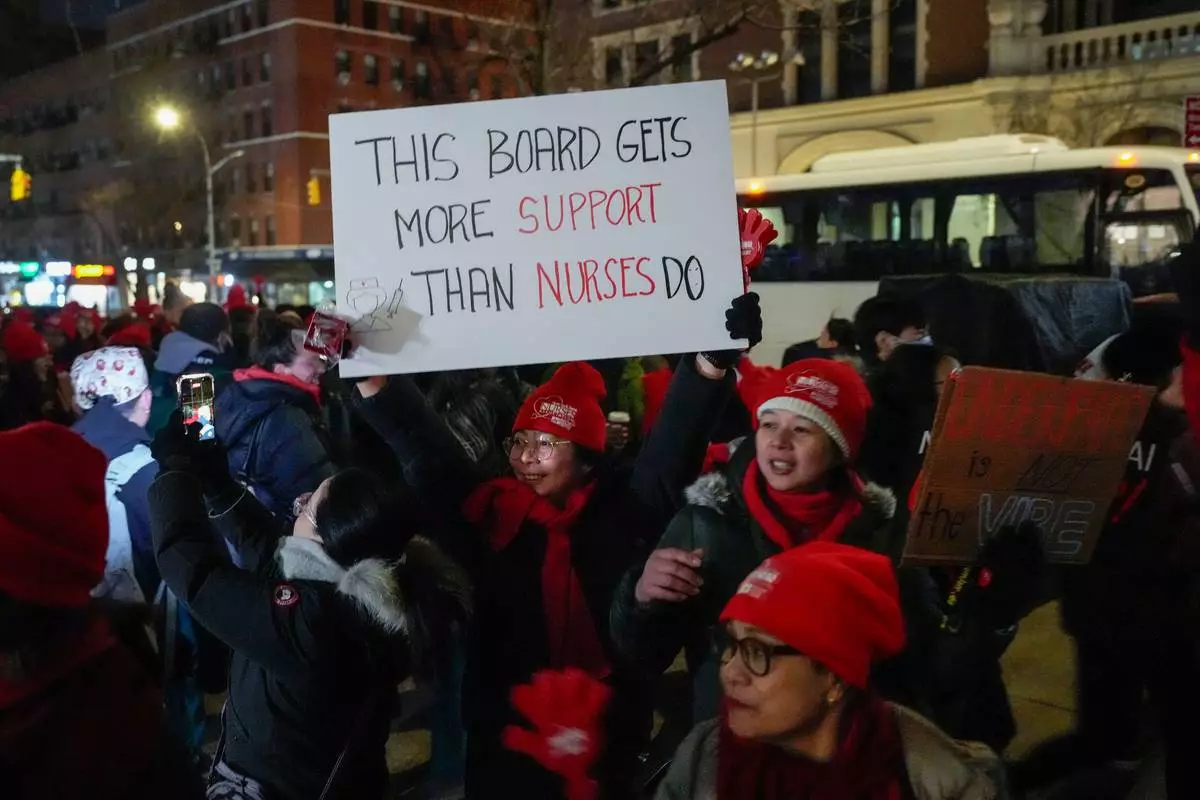
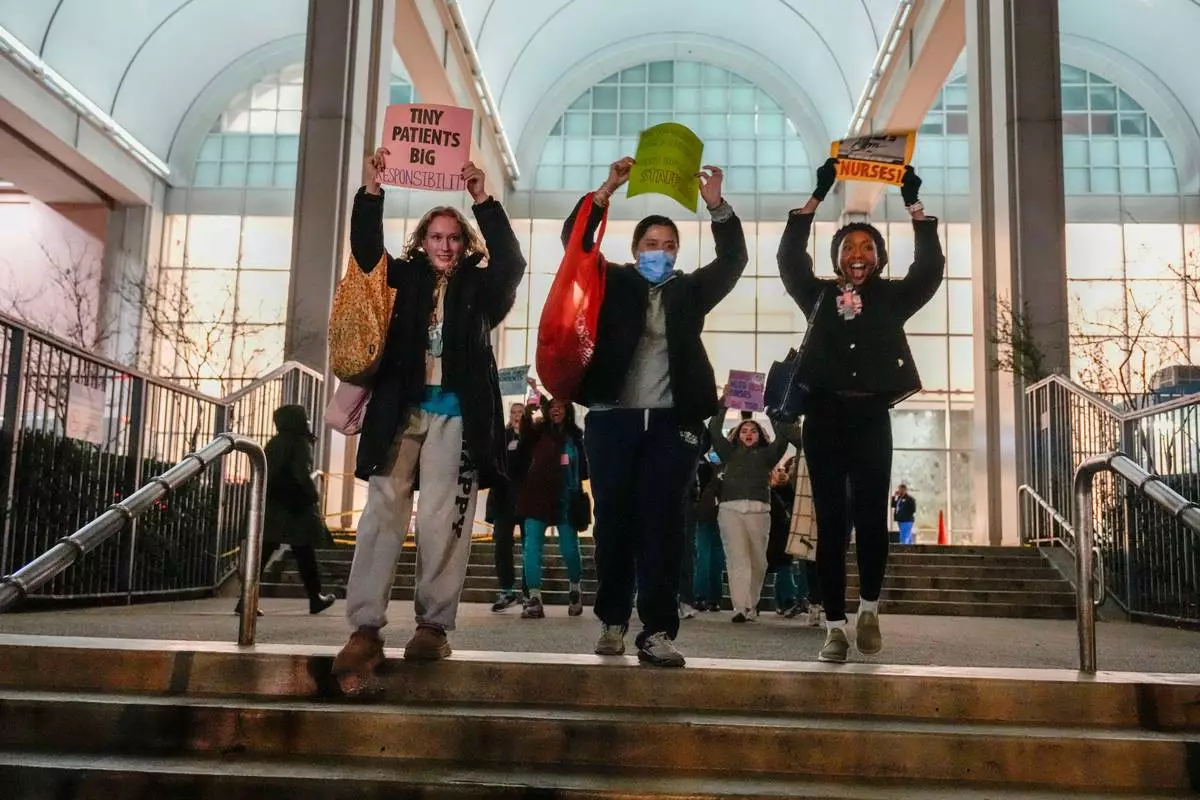
NEW YORK (AP) — Thousands of nurses in three hospital systems in New York City went on strike Monday after negotiations through the weekend failed to yield breakthroughs in their contract disputes.

The strike was taking place at The Mount Sinai Hospital and two of its satellite campuses, with picket lines forming. The other affected hospitals are NewYork-Presbyterian and Montefiore Medical Center in the Bronx.

About 15,000 nurses are involved in the strike, according to New York State Nurses Association.

“After months of bargaining, management refused to make meaningful progress on core issues that nurses have been fighting for: safe staffing for patients, healthcare benefits for nurses, and workplace violence protections,” the union said in a statement issued Monday. “Management at the richest hospitals in New York City are threatening to discontinue or radically cut nurses’ health benefits.”

The strike, which comes during a severe flu season, could potentially force the hospitals to transfer patients, cancel procedures or divert ambulances. It could also put a strain on city hospitals not involved in the contract dispute, as patients avoid the medical centers hit by the strike.

The hospitals involved have been hiring temporary nurses to try and fill the labor gap during the walkout, and said in a statement during negotiations that they would “do whatever is necessary to minimize disruptions.” Montefiore posted a message assuring patients that appointments would be kept.

“NYSNA’s leaders continue to double down on their $3.6 billion in reckless demands, including nearly 40% wage increases, and their troubling proposals like demanding that a nurse not be terminated if found to be compromised by drugs or alcohol while on the job," Montefiore spokesperson Joe Solmonese said Monday after the strike had started. "We remain resolute in our commitment to providing safe and seamless care, regardless of how long the strike may last.”

New York-Presbyterian accused the union of staging a strike to “create disruption,” but said in a statement that it has taken steps to ensure patients receive the care they need.

"We’re ready to keep negotiating a fair and reasonable contract that reflects our respect for our nurses and the critical role they play, and also recognizes the challenging realities of today’s healthcare environment,” the statement said.

The work stoppage is occurring at multiple hospitals simultaneously, but each medical center is negotiating with the union independently. Several other hospitals across the city and in its suburbs reached deals in recent days to avert a possible strike.

The nurses’ demands vary by hospital, but the major issues include staffing levels and workplace safety. The union says hospitals have given nurses unmanageable workloads.

Nurses also want better security measures in the workplace, citing incidents like a an incident last week, when a man with a sharp object barricaded himself in a Brooklyn hospital room and was then killed by police.

The union also wants limitations on hospitals’ use of artificial intelligence.

The nonprofit hospitals involved in the negotiations say they’ve been working to improve staffing levels, but say the union’s demands overall are too costly.

Nurses voted to authorize the strike last month.

Both New York Gov. Kathy Hochul and Mayor Zohran Mamdani had expressed concern about the possibility of the strike. As the strike deadline neared, Mamdani urged both sides to keep negotiating and reach a deal that “both honors our nurses and keeps our hospitals open.”

“Our nurses kept this city alive through its hardest moments. Their value is not negotiable,” Mamdani said.

State Attorney General Letitia James voiced similar support, saying "nurses put their lives on the line every day to keep New Yorkers healthy. They should never be forced to choose between their own safety, their patients’ well-being, and a fair contract.”

The last major nursing strike in the city was only three years ago, in 2023. That work stoppage, at Mount Sinai and Montefiore, was short, lasting three days. It resulted in a deal raising pay 19% over three years at those hospitals.

It also led to promised staffing improvements, though the union and hospitals now disagree about how much progress has been made, or whether the hospitals are retreating from staffing guarantees.

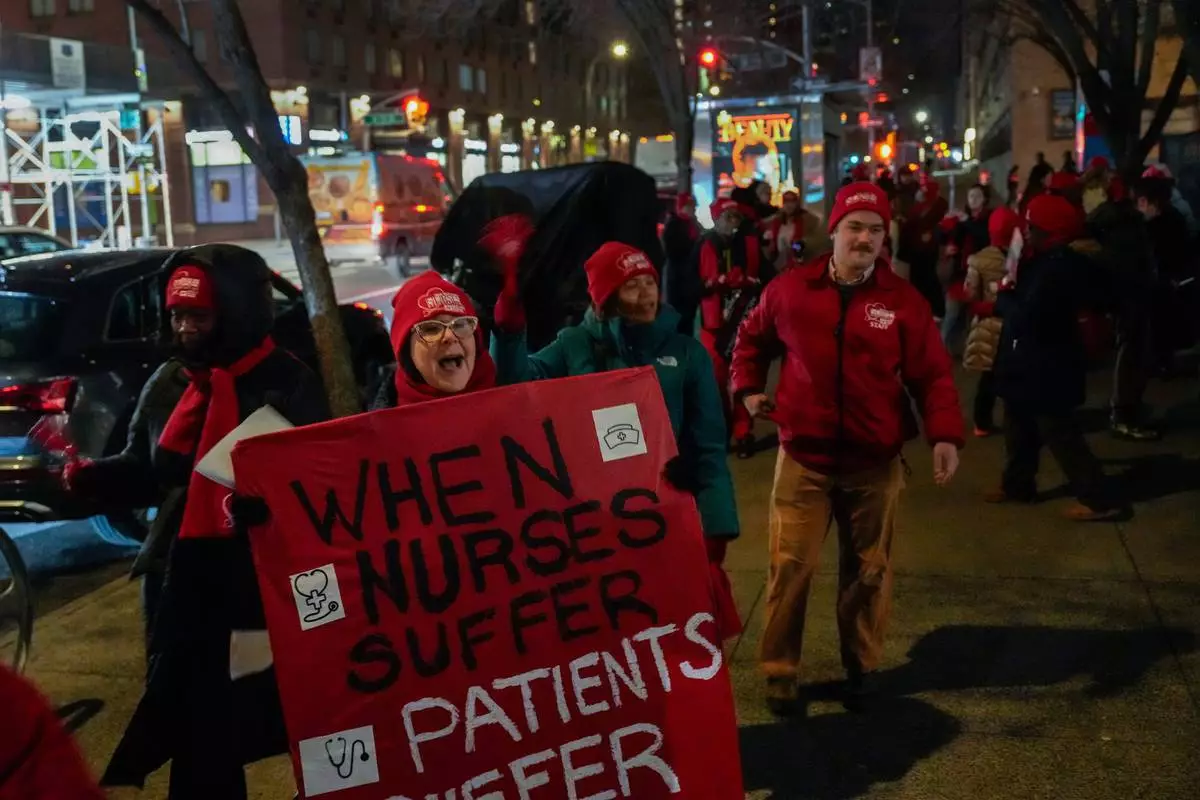
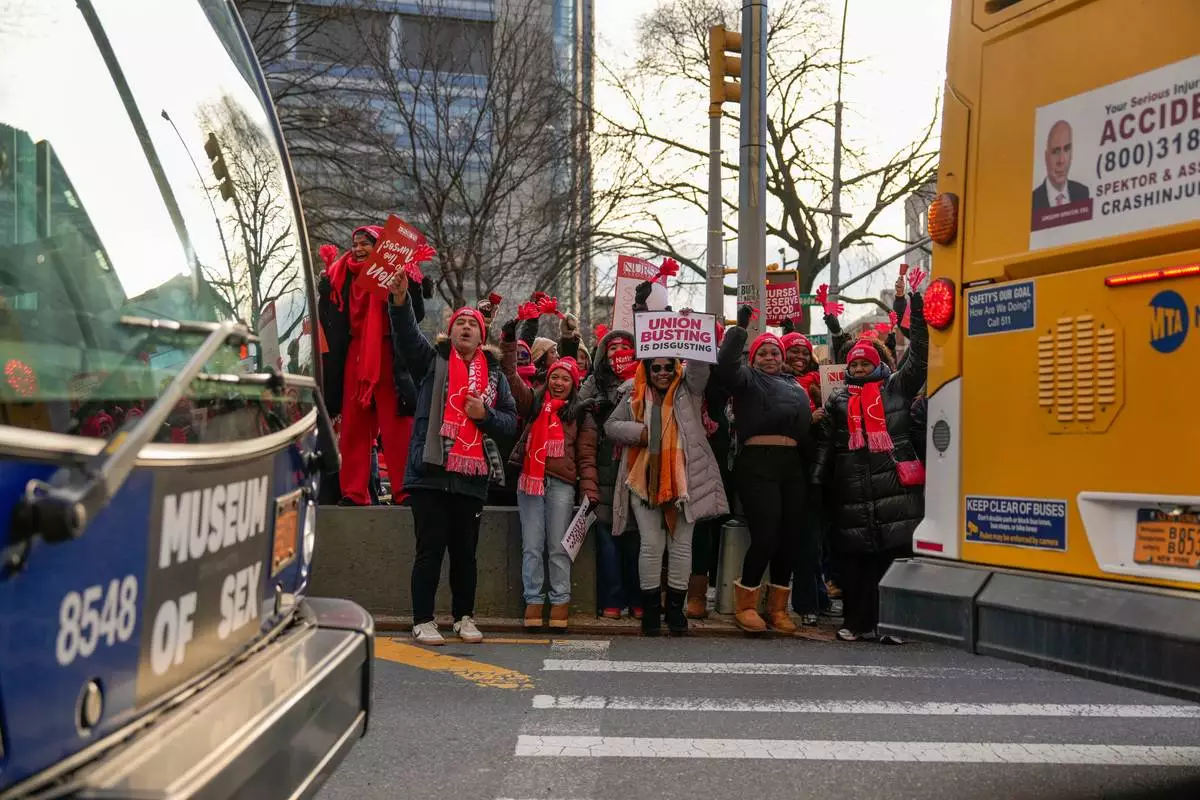
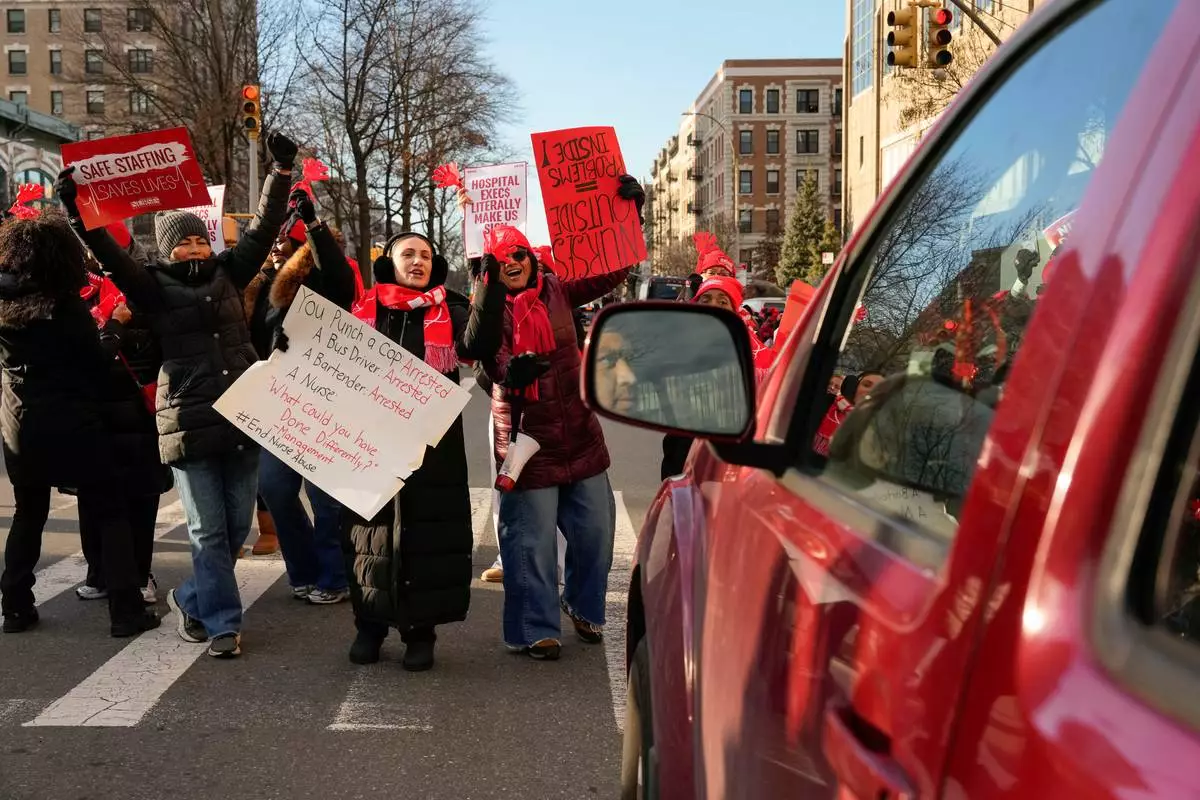
Nurses strike outside New York-Presbyterian Hospital, Monday, Jan. 12, 2026, in New York. (AP Photo/Yuki Iwamura)

Nurses strike outside New York-Presbyterian Hospital, Monday, Jan. 12, 2026, in New York. (AP Photo/Yuki Iwamura)

Nurses strike outside New York-Presbyterian Hospital, Monday, Jan. 12, 2026, in New York. (AP Photo/Yuki Iwamura)

Nurses strike outside New York-Presbyterian Hospital, Monday, Jan. 12, 2026, in New York. (AP Photo/Yuki Iwamura)

Nurses strike outside New York-Presbyterian Hospital, Monday, Jan. 12, 2026, in New York. (AP Photo/Yuki Iwamura)

Nurses strike outside New York-Presbyterian Hospital, Monday, Jan. 12, 2026, in New York. (AP Photo/Yuki Iwamura)

Nurses strike outside New York-Presbyterian Hospital, Monday, Jan. 12, 2026, in New York. (AP Photo/Yuki Iwamura)

Nurses strike outside New York-Presbyterian Hospital, Monday, Jan. 12, 2026, in New York. (AP Photo/Yuki Iwamura)

Nurses strike outside New York-Presbyterian Hospital, Monday, Jan. 12, 2026, in New York. (AP Photo/Yuki Iwamura)

Nurses strike outside New York-Presbyterian Hospital, Monday, Jan. 12, 2026, in New York. (AP Photo/Yuki Iwamura)

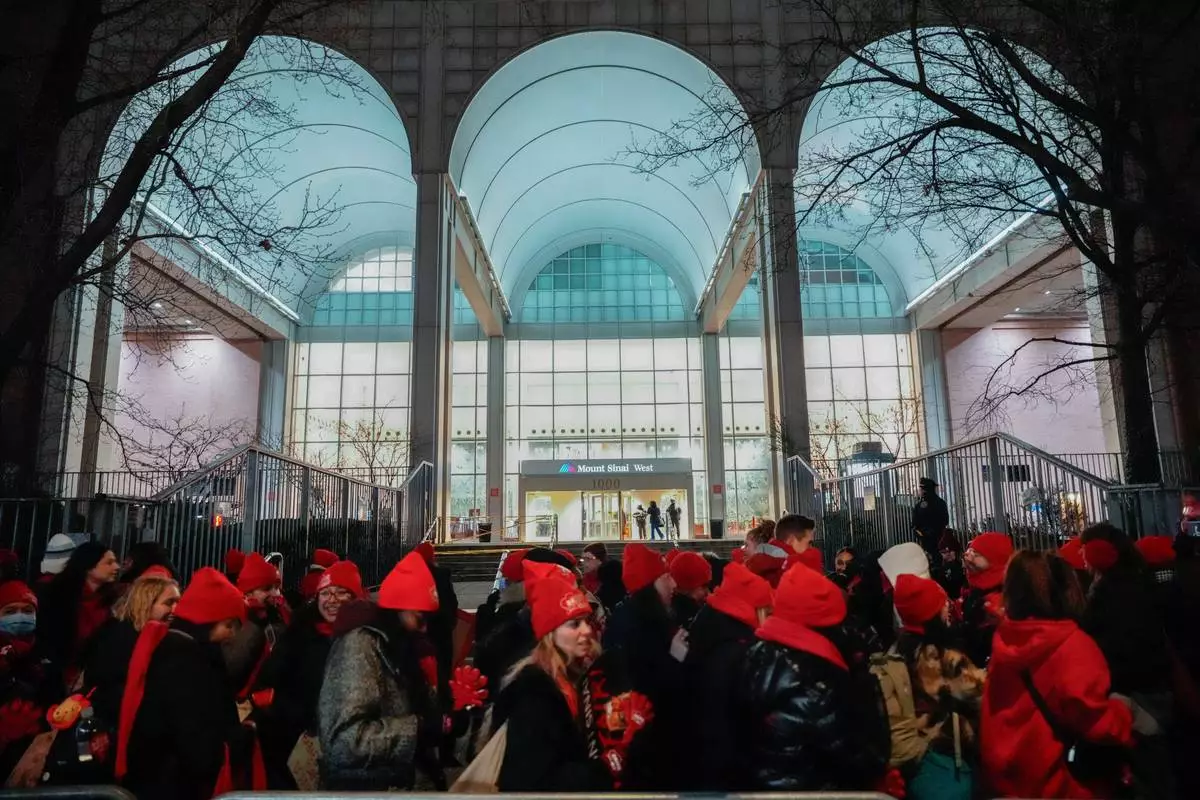
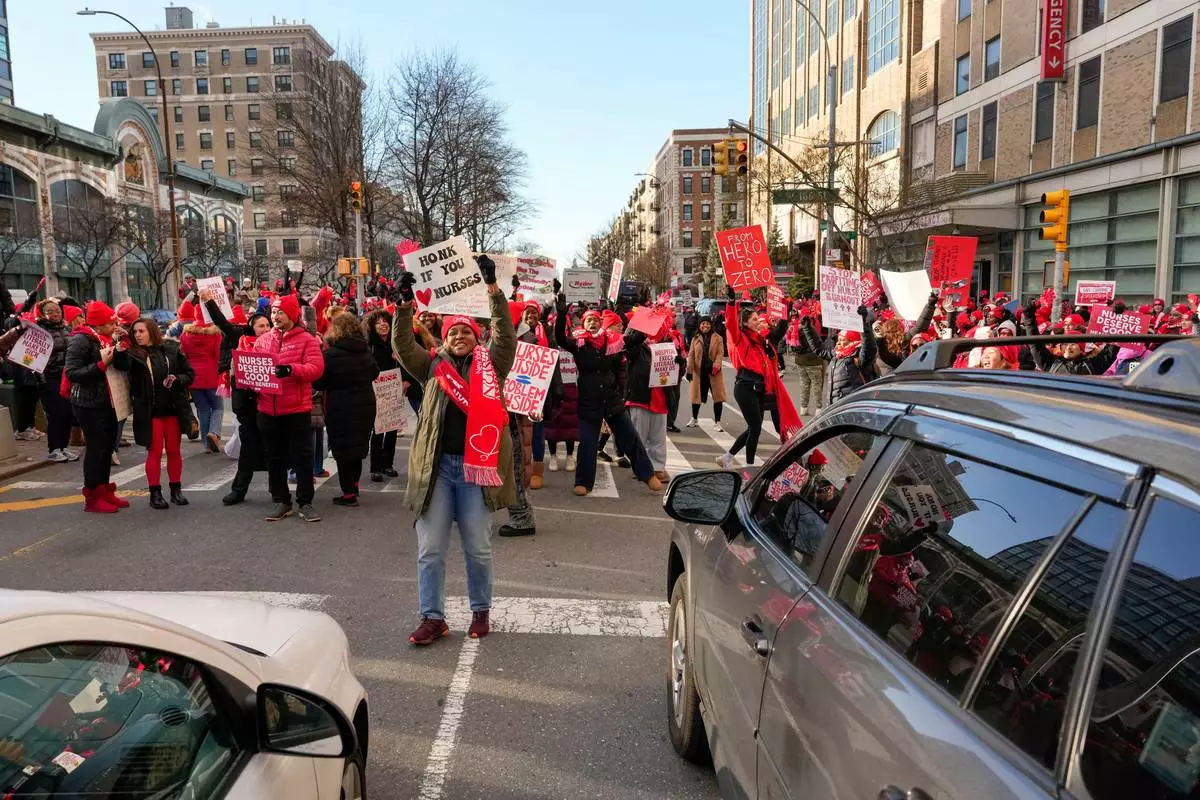
Nurses strike outside Mount Sinai West Hospital, Monday, Jan. 12, 2026, in New York. (AP Photo/Yuki Iwamura)

Nurses strike outside Mount Sinai West Hospital, Monday, Jan. 12, 2026, in New York. (AP Photo/Yuki Iwamura)

Nurses strike outside Mount Sinai West Hospital, Monday, Jan. 12, 2026, in New York. (AP Photo/Yuki Iwamura)

Nurses strike outside Mount Sinai West Hospital, Monday, Jan. 12, 2026, in New York. (AP Photo/Yuki Iwamura)

Nurses strike outside Mount Sinai West Hospital, Monday, Jan. 12, 2026, in New York. (AP Photo/Yuki Iwamura)

Nurses strike outside Mount Sinai West Hospital, Monday, Jan. 12, 2026, in New York. (AP Photo/Yuki Iwamura)

Nurses strike outside Mount Sinai West Hospital, Monday, Jan. 12, 2026, in New York. (AP Photo/Yuki Iwamura)

Nurses strike outside Mount Sinai West Hospital, Monday, Jan. 12, 2026, in New York. (AP Photo/Yuki Iwamura)

FILE - A medical worker transports a patient at Mount Sinai Hospital, April 1, 2020, in New York. (AP Photo/Mary Altaffer, File)

FILE - A medical worker transports a patient at Mount Sinai Hospital, April 1, 2020, in New York. (AP Photo/Mary Altaffer, File)

Recommended Articles