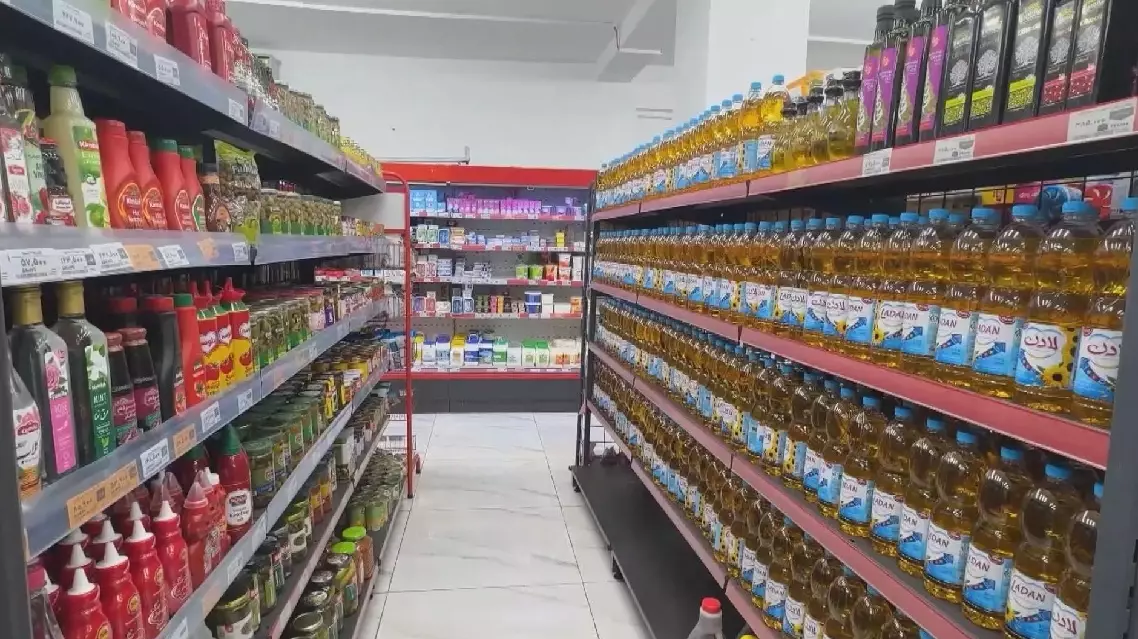
Prices are set to jump, while deliveries may also face delays as new 120 percent tariffs on Chinese small parcels exported to the United States took effect on Friday, ending the previous "de minimis" tax-exempt regime.
According to an executive order signed by U.S. President Donald Trump on April 2, starting from May 2, imported goods from China entering the U.S. through means outside the international postal network, which are valued at or under 800 U.S. dollars and would otherwise qualify for the de minimis exemption, will be subject to all applicable duties, which should be paid in accordance with applicable entry and payment procedures.
The new additional levy could cause irreversible harm to American small businesses, squeezing consumers and online sellers, according to experts.
A report of The Wall Street Journal published on Friday pointed out that this change has a huge impact, as in the 2024 fiscal year alone, approximately 1.36 billion parcels entered the U.S. under this exemption, the majority of which came from Chinese cross-border e-commerce platforms.
Reuters reported that this move has forced some e-commerce platforms to reorganize their logistics systems, raise product prices, and accelerate the construction of local warehouses in the U.S. to avoid the direct impact of high tariffs. And some foreign brands have already stopped shipping to the U.S., and some small to medium-sized businesses have even chosen to exit the U.S. market.
According to Bloomberg, some products on e-commerce platforms have seen price increases of over 100 percent, and users on social media are widely complaining about delivery delays.
Some U.S.-based companies are making adjustments to counter the negative impact of the tariff hike. The Wall Street Journal revealed that a U.S. footwear brand has moved its inventory from Canada to local U.S. warehouses, as a pair of Chinese-made sneakers originally priced at 175 U.S. dollars would now incur over 300 dollars in tariffs if shipped through Canada.
It's not just businesses that are feeling the pressure -- consumers are also experiencing the impact. They have seen clear price increases, and experts have pointed out that the policy's effects are especially hard for low-income families, as they rely more heavily on lower-priced cross-border e-commerce goods, such as clothing, household items, and small electronics.
Clark Packard, a research fellow at the Cato Institute, pointed out in an interview with local media that this policy may appear to be a tough stance against China, but in reality, it is a tax hike for American consumers. It could lead to higher prices, slower logistics, and consumers are the ones paying for this policy, said Packard.
According to a report released in April by the American Consumer Institute, this policy could result in a total loss of up to 47 billion U.S. dollars annually for businesses and consumers, with low-income groups being the primary victims. At the same time, the policy is expected to place severe pressure on the U.S. customs system, potentially causing delays in clearance times.
An estimate from Oxford Economics suggested that if the U.S. government were to impose tariffs on all small parcels with individual clearance, it would need to allocate billions of additional dollars to expand the system and hire more staff, or else face the risk of nationwide port congestion.
Tax on Chinese small parcels drives up US import prices
Tax on Chinese small parcels drives up US import prices