Erik Solheim, former head of the United Nations Environment Program (UNEP), has called on young people to take the lead in the global efforts to build a better and greener planet, as he sees the potential of youth movement in shaping the future for mankind.
Solheim, who served as under-secretary-general of the United Nations and executive director of the UNEP from 2016 to 2018, encouraged young people "to be the change you want to see in this world" and expressed the belief that small acts of change can make huge differences, when delivering a keynote speech at the China Global Television Network (CGTN) program "The Power of Ideas" hosted by the Zhejiang International Studies University in east China's Hangzhou City on April 14.
"I very much believe in what the Indian leader Mahatma Gandhi once said: 'You need to be the change you want to see in this world.' If you want the world to go green, you must be part of it. What one individual does may not change the world, but if one individual is part to a much wider movement, it is changing the world," said Solheim, who is also co-chair of the Europe-Asia Center.
"So what can you do? You can avoid too much single-use plastic. You can demand solar panels on the roofs, you can start planting trees. I'm sure you are on social media, on Weibo, WeChat, maybe on other [platforms], you can showcase environment progress. If you do something good, showcase it to others. If your friends do something good, showcase it. Or if you see something good, say in Africa, then showcase that, so people are inspired. That's how a great movement starts," he said.
Addressing the university students in the audience, Solheim said the May Fourth Movement, the monumental 1919 youth movement that ignited profound social changes in China, was just one of historical precedences where young people led groundbreaking transformations for building a better world.
"One of the most important movements in modern Chinese history, the May Fourth Movement, was started by students at the Peking and Tianjin universities. They were a small tiny group at the time. But it was the significance of these movements as maybe the kind of the core of modern Chinese nationalism at the time [that] completely transformed China. So, young people can have a major impact when they come together and start transforming," he said.
The May Fourth Movement started with mass student protests on May 4, 1919, against the government's weak response to the Treaty of Versailles signed at the end of World War I that imposed unfair treatment on China and undermined the country's sovereignty.
It then triggered a national campaign to overthrow the old society and promote new ideas, including science, democracy and Marxism.
After the founding of the People's Republic of China in 1949, the fourth day of May was formally designated as China's Youth Day.
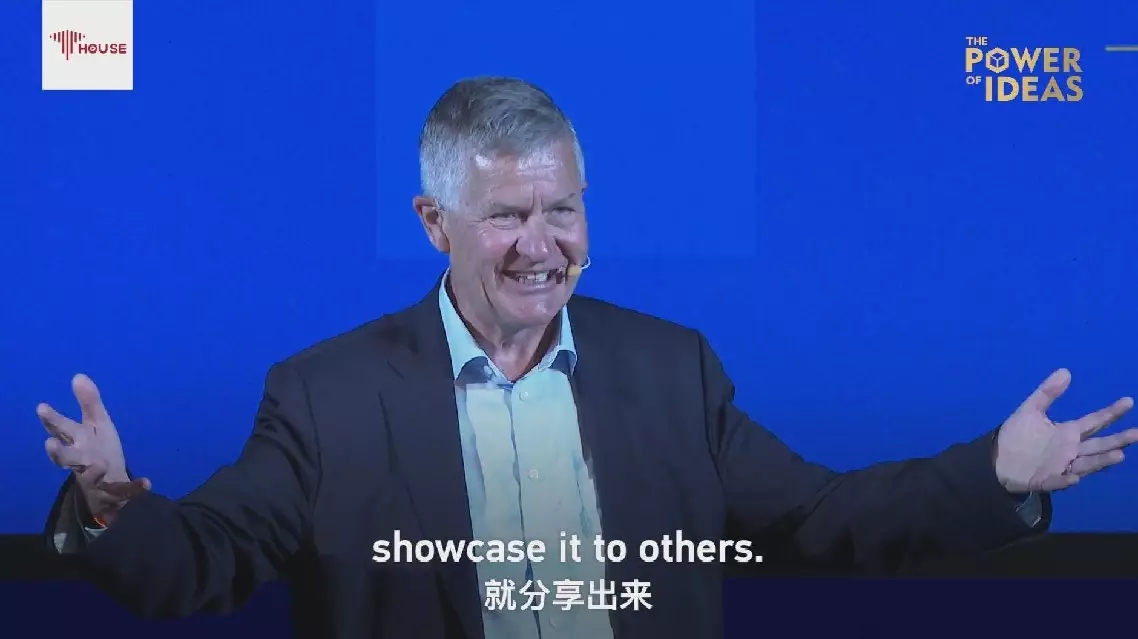
Former UN official urges young people to play leading role in building greener planet