Skip to Content Facebook Feature Image

U.S. economy stumbled before trade policies took hold: expert

China

China

China

U.S. economy stumbled before trade policies took hold: expert

2025-05-03 20:31 Last Updated At:05-04 08:45

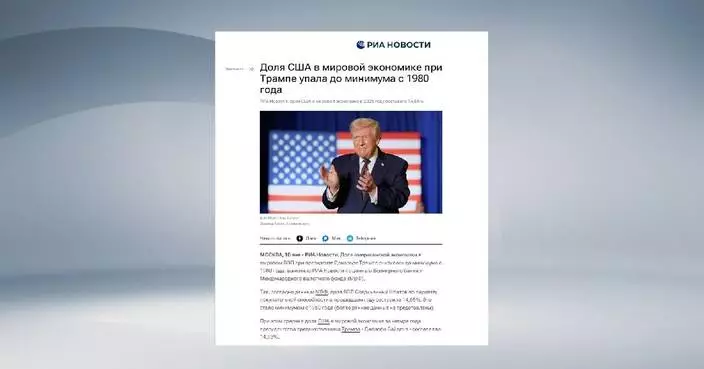
The U.S. economy showed signs of weakness even before the trade war's full impact, with GDP shrinking by an annualized 0.3 percent in the first quarter of 2025, a clear decline compared to the previous quarter, said an expert.

Adding to these concerns, the ISM Manufacturing Purchasing Managers Index (PMI) dropped to 48.7 last month, reflecting a downturn that contradicts President Donald Trump's second-term promise of turning the U.S. into a manufacturing powerhouse.

Timothy Fiore, chair of the ISM Manufacturing Business Survey Committee, noted that the figures reveal weakening demand and output, paired with strengthened input pressures.

In an interview with China Global Television Network (CGTN), Liu Zhiqin, a senior fellow at the Chongyang Institute for Financial Studies, emphasized that the contraction in PMI data highlights mounting challenges and uncertainties faced by American residents.

"I think this figure is quite interesting as we know that the President Trump, drew a very nice and beautiful picture that with the high tariff imposed on the global community, the manufacturing line will be come back. So, this is really a total lie to the society of America. We think that PMI and other figures that will show the negative impact and also tendency of the American development in the economic society. We will see more challenges and uncertainties and an unrest of the social system will happen again," said the expert.

Liu also stated that the economic downturn has resulted in a rise in both the cost of living and unemployment rate, placing significant financial pressure on families.

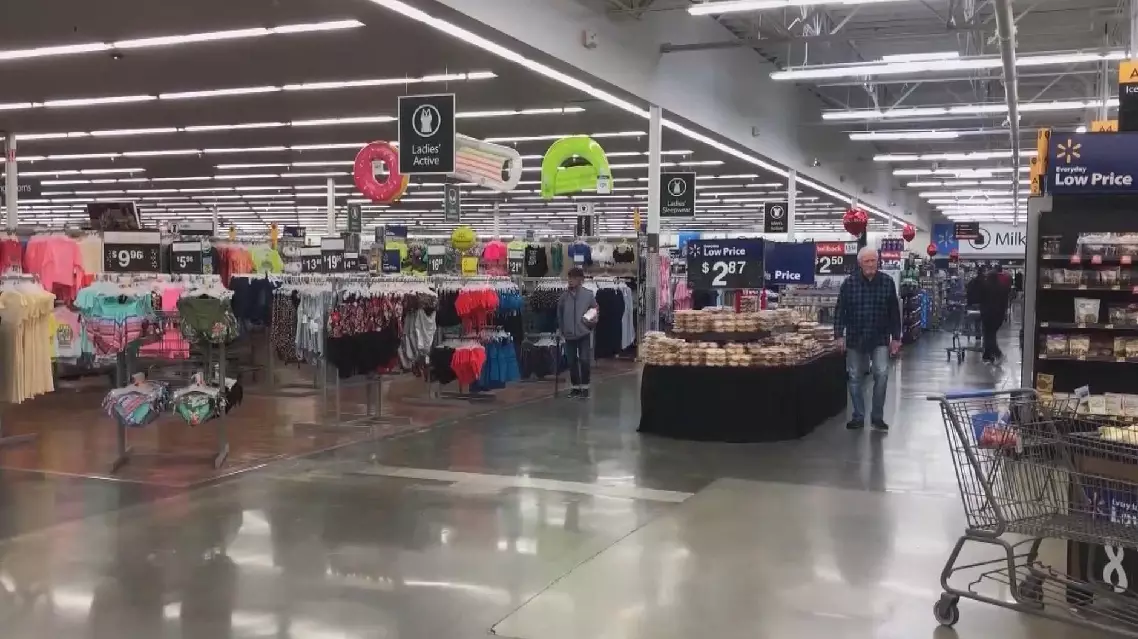
"I think from the U.S. consumers we can see more pressures and the people feel the pain or the unhappiness they have felt from the tariff imposed on the market. For instance, President Trump himself already acknowledged that now the children have less toys. The Christmas trees and other supply things for the holidays will be limited because of the tariffs imposed on the people's lives," he explained.

Regarding the possibility of an interest rate cut, Liu believes that the Federal Reserve is under significant pressure due to rising inflation and unemployment as well as declining PMI.

"I think that Federal Reserve has always considers to cut, but whether they will make such a decision in June or later on are still a question we have to see, because the precondition for the interest cut should have two points. First, employment or unemployment should be very stable to a satisfactory level. This is a very important thing. The second is the inflation. Whether the inflation were still higher than expected, now we can see the inflation pressure is still there," he said.
U.S. economy stumbled before trade policies took hold: expert
U.S. economy stumbled before trade policies took hold: expert

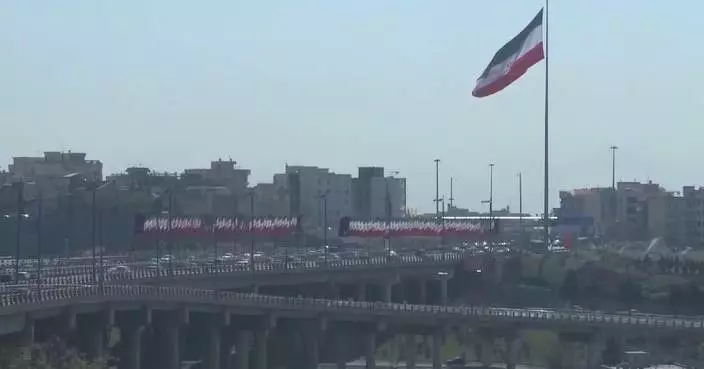
The Iranian government is focusing on public concerns and maintaining stable supplies of essential goods amid recent protests, Iranian President Masoud Pezeshkian said in a televised interview on Sunday.

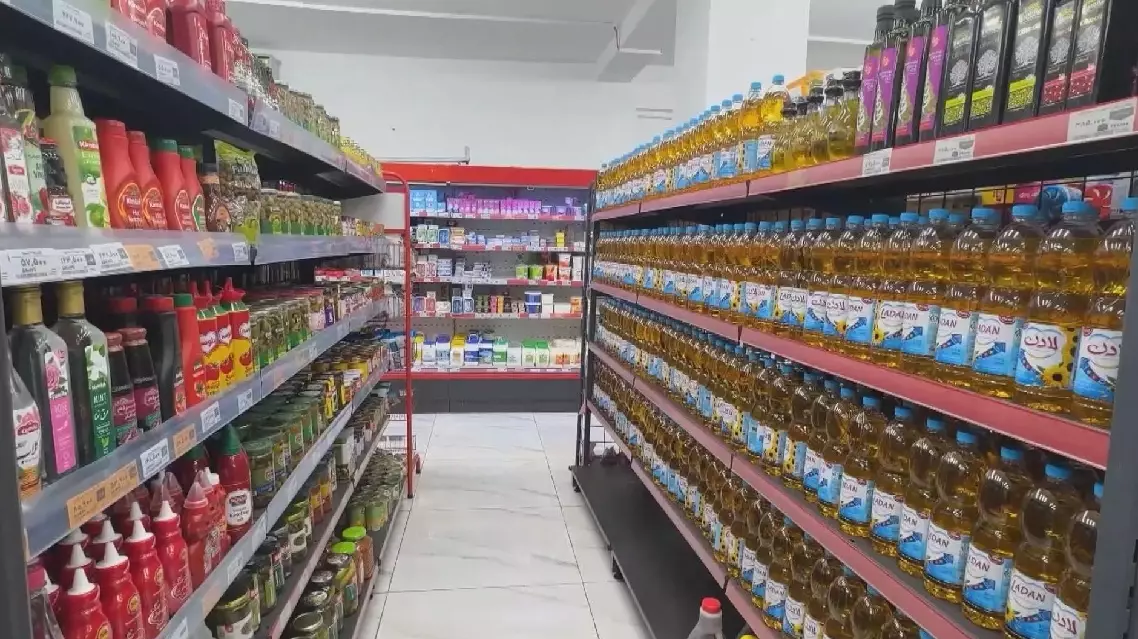
In the city of Karaj, northwest of the capital Tehran, daily life has largely continued as normal. A video filmed by a local resident on Sunday shows food stores open and grocery shelves fully stocked.

"This is the block near my home, and there are some food stores here. Daily life continues here. Last night we did not see many protests in Karaj. Right now the city is very safe. This is a grocery store close to my home. All the food is available; nothing is in shortage. Here are noodles and different types of beans. Here are dairy products, cheese, and yogurt. I also checked other grocery stores and didn't see any shortages. Everything is available," said local resident Ali Reza.

Iranian officials have described recent disturbances as acts orchestrated by the "enemy," including some carried out by well-trained and armed "terrorists." The incidents have caused casualties among security personnel and civilians, as well as property damage.

The Secretary of Iran's Supreme National Security Council Ali Larijani has directed authorities to severely punish the "terrorists."

Meanwhile, Iran's police chief Ahmad-Reza Radan said on Sunday that the police had raised alert levels and arrested several leaders of the troublemakers during the operations on Saturday.

President Pezeshkian noted in the interview that the normal demands of the Iranian people are reasonable and justified, but they must realize that triggering riots and carrying out terrorist acts are the enemy's attempts to undermine the country. He urged the public to remain vigilant.

Also on Sunday, Iranian Parliament Speaker Mohammad Baqer Qalibaf warned that Tehran would regard U.S. and Israeli bases and facilities in the Middle East as "legitimate targets" if Washington takes military action against Iran. His remarks followed media reports saying U.S. President Donald Trump is "seriously considering authorizing a strike" against Iran.

Iranian state media reported that at least 109 members of Iran's security forces have been killed in clashes since the protests began 14 days ago. Meanwhile, human rights groups based outside the country said the number of protesters killed has exceeded 200, though the figure could not be independently verified.

The protests initially erupted over a sharp depreciation of the rial and sweeping subsidy reforms. Iranian authorities have blamed the unrest on foreign-linked agents and sanctions imposed by the United States.

Iranian president says government focusing on ensuring supplies amid protests

Iranian president says government focusing on ensuring supplies amid protests

Recommended Articles