Skip to Content Facebook Feature Image

Ahead of the conclave, Vatican staff vow secrecy under threat of excommunication

News

Ahead of the conclave, Vatican staff vow secrecy under threat of excommunication
News

News

Ahead of the conclave, Vatican staff vow secrecy under threat of excommunication

2025-05-06 05:22 Last Updated At:05:30

VATICAN CITY (AP) — Cleaners and cooks. Doctors and nurses. Even drivers and elevator operators.

The support staff for the cardinals who will elect the successor to Pope Francis took an oath of secrecy Monday ahead of the conclave that's starting on Wednesday.

More Images
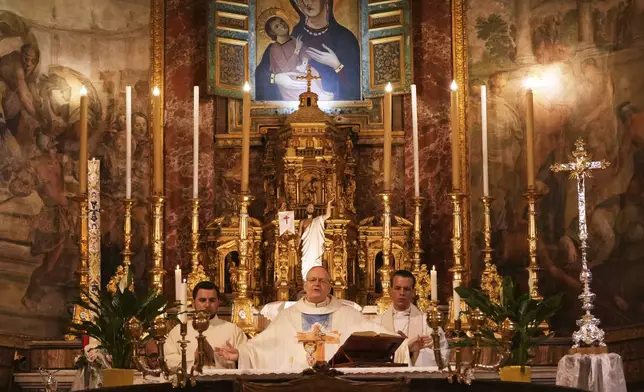
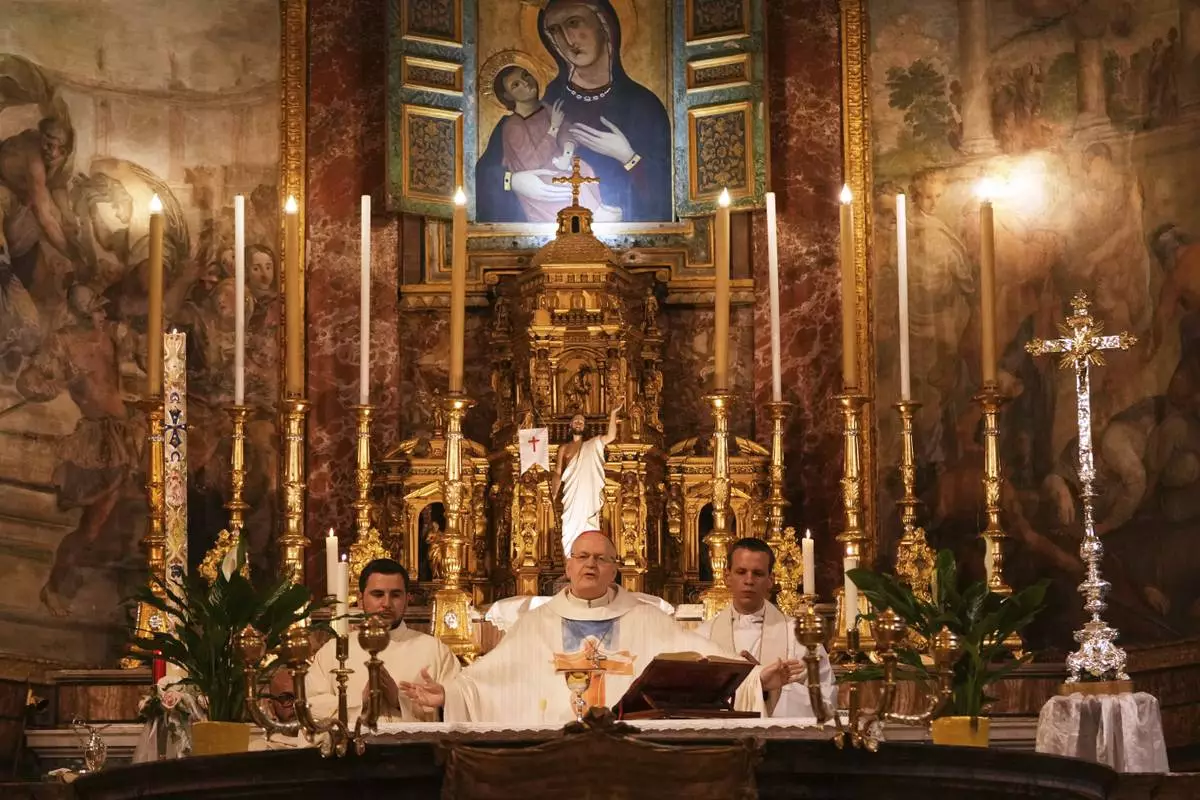
Cardinal Peter Erdo leads a mass at his titular church of Santa Francesca Romana in Rome, Sunday, May 4, 2025. (AP Photo/Francisco Seco)
Cardinal Peter Erdo leads a mass at his titular church of Santa Francesca Romana in Rome, Sunday, May 4, 2025. (AP Photo/Francisco Seco)

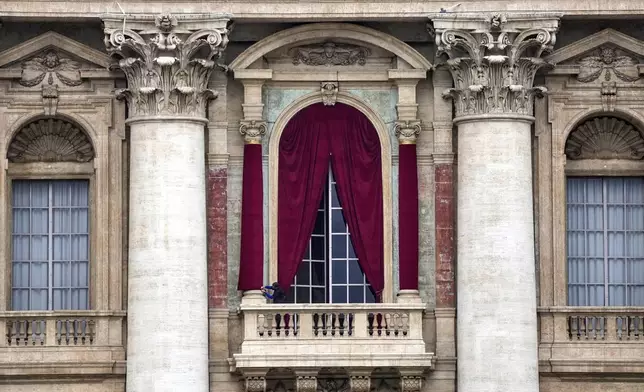
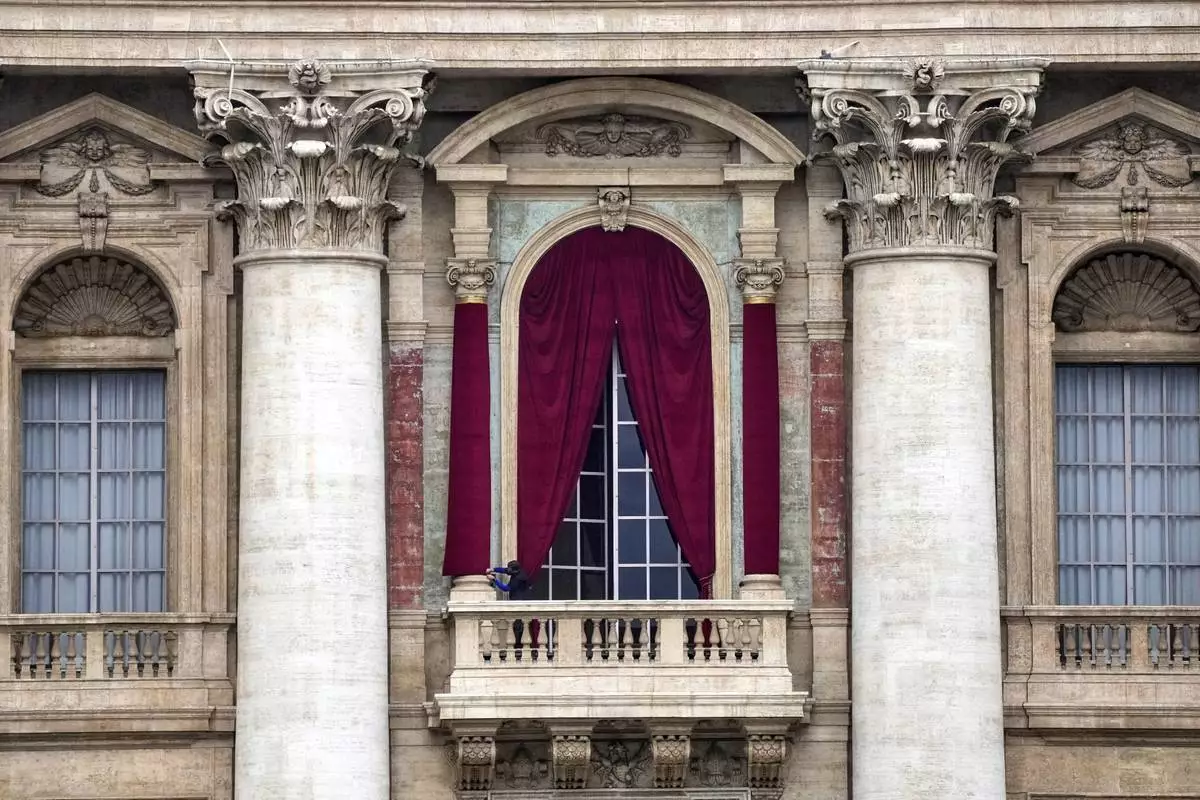
A man gives the last touch to a red drape wrapped around a column of the central lodge of St. Peter's Basilica in Vatican City, Monday, May 5, 2025, before the conclave starting on May 7, where they will elect the 267th pontiff of the Catholic Church. (AP Photo/Gregorio Borgia)
A man gives the last touch to a red drape wrapped around a column of the central lodge of St. Peter's Basilica in Vatican City, Monday, May 5, 2025, before the conclave starting on May 7, where they will elect the 267th pontiff of the Catholic Church. (AP Photo/Gregorio Borgia)

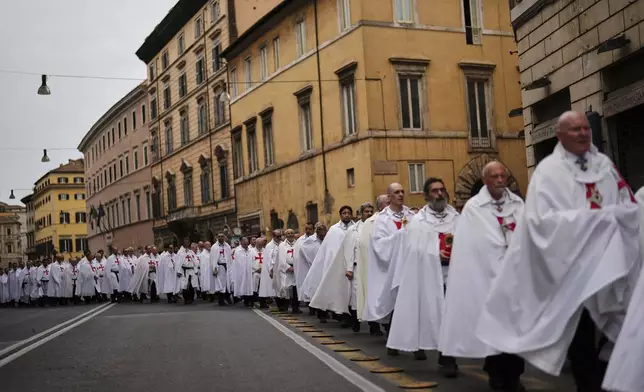
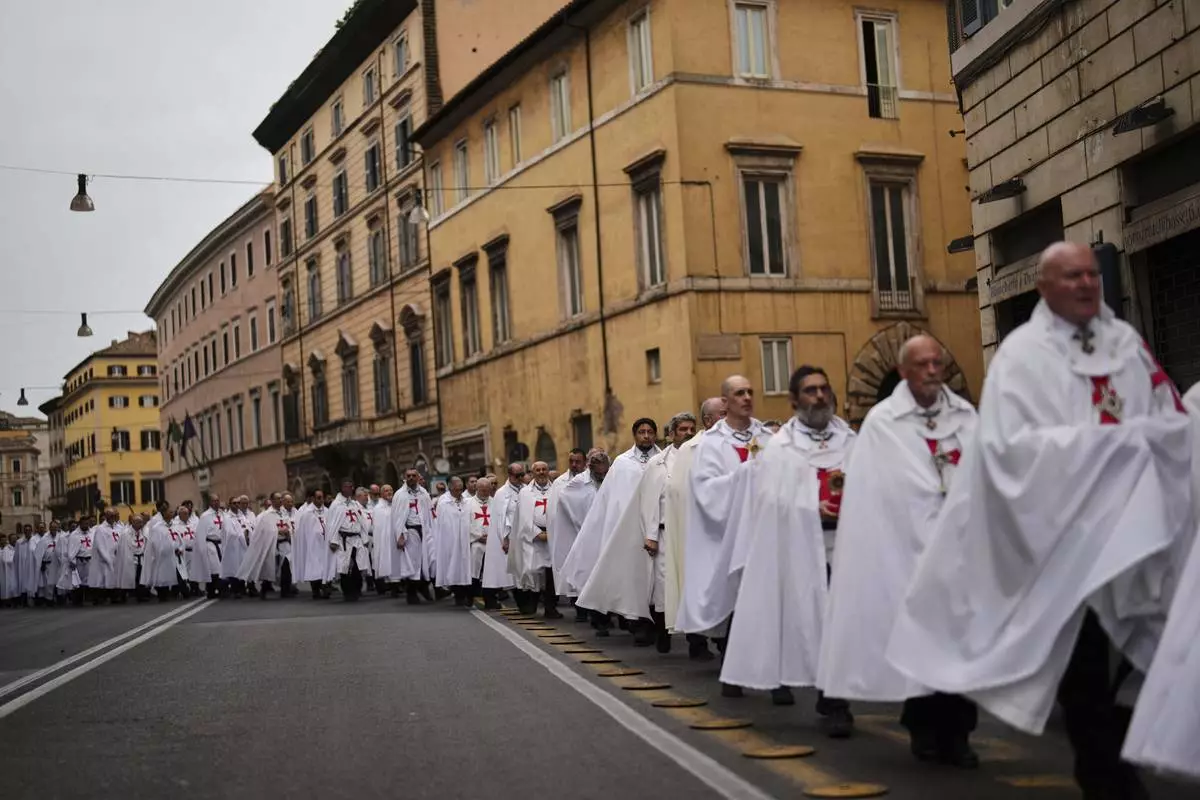
Catholic Templari Oggi or "Templars Today" association members parade along the city centre to arrive to St. Mary and the Martyrs Basilica, or Agrippa Pantheon, in Rome, Sunday, May 4, 2025. (AP Photo/Francisco Seco)
Catholic Templari Oggi or "Templars Today" association members parade along the city centre to arrive to St. Mary and the Martyrs Basilica, or Agrippa Pantheon, in Rome, Sunday, May 4, 2025. (AP Photo/Francisco Seco)

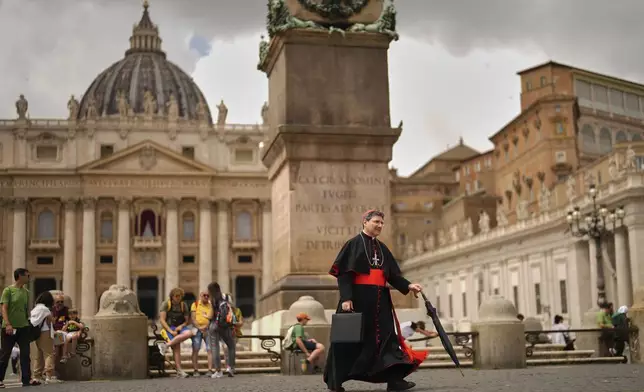
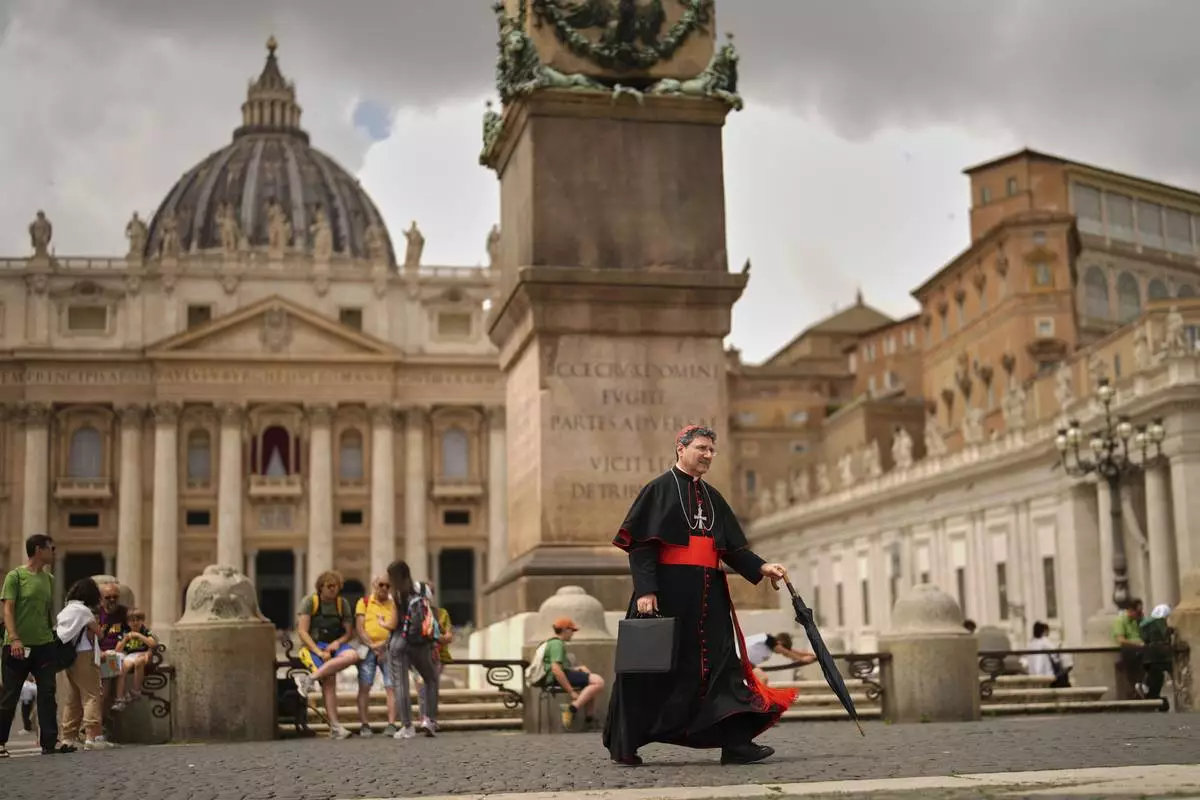
Cardinal Francis Leo walks along St. Peters square, at the Vatican, Monday, May 5, 2025, after attending the General Congregation of cardinals in the New Synod Hall where they are preparing for the upcoming conclave starting on May 7, to elect the 267th Roman pontiff. (AP Photo/Francisco Seco)
Cardinal Francis Leo walks along St. Peters square, at the Vatican, Monday, May 5, 2025, after attending the General Congregation of cardinals in the New Synod Hall where they are preparing for the upcoming conclave starting on May 7, to elect the 267th Roman pontiff. (AP Photo/Francisco Seco)
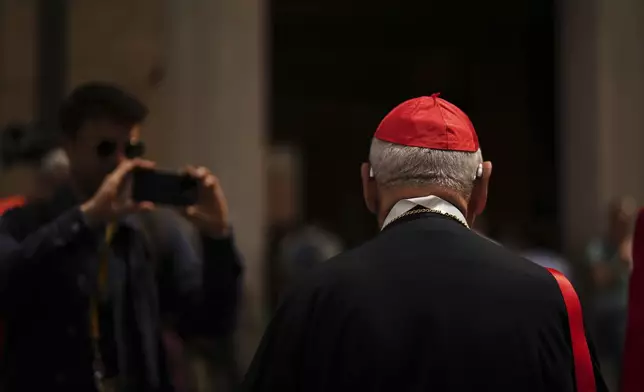
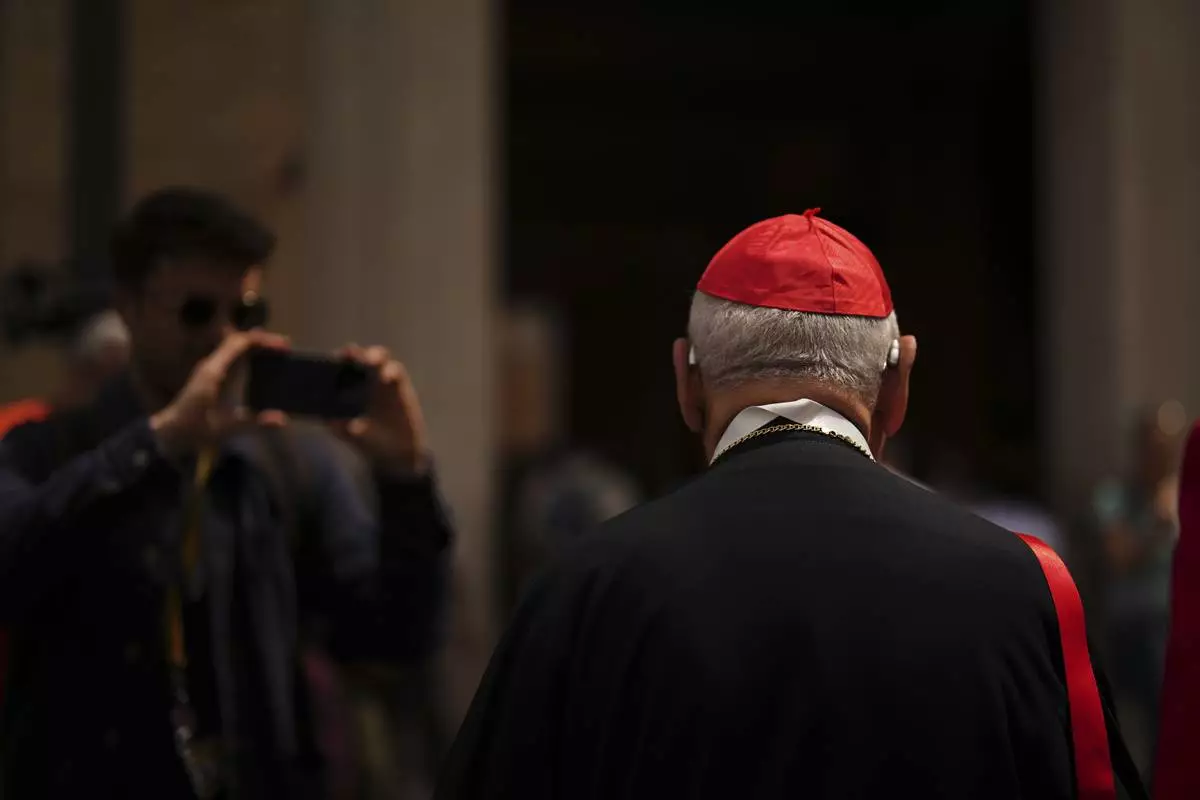
Cardinal Louis Raphael Sako leaves the Vatican on Monday, May 5, 2025, after attending the General Congregation of cardinals in the New Synod Hall where they are preparing for the upcoming conclave starting on May 7, to elect the 267th Roman pontiff. (AP Photo/Francisco Seco)

Cardinal Louis Raphael Sako leaves the Vatican on Monday, May 5, 2025, after attending the General Congregation of cardinals in the New Synod Hall where they are preparing for the upcoming conclave starting on May 7, to elect the 267th Roman pontiff. (AP Photo/Francisco Seco)

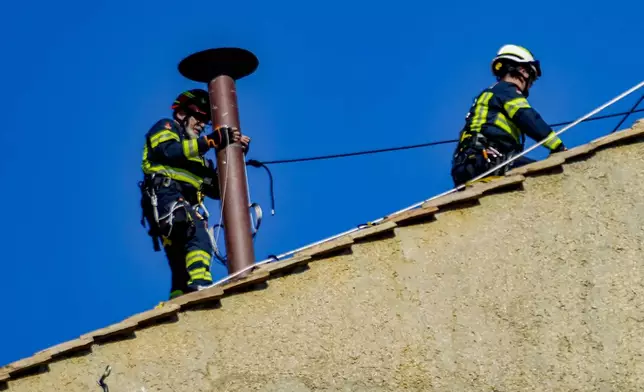
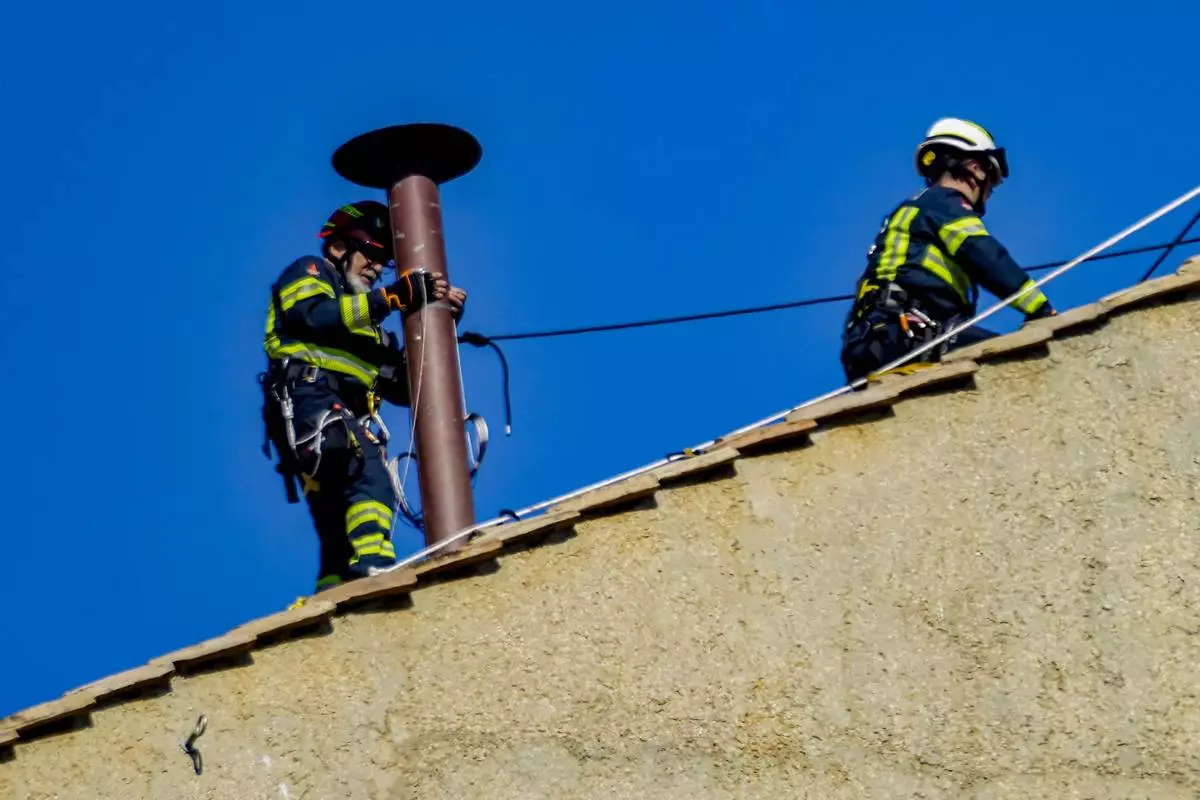
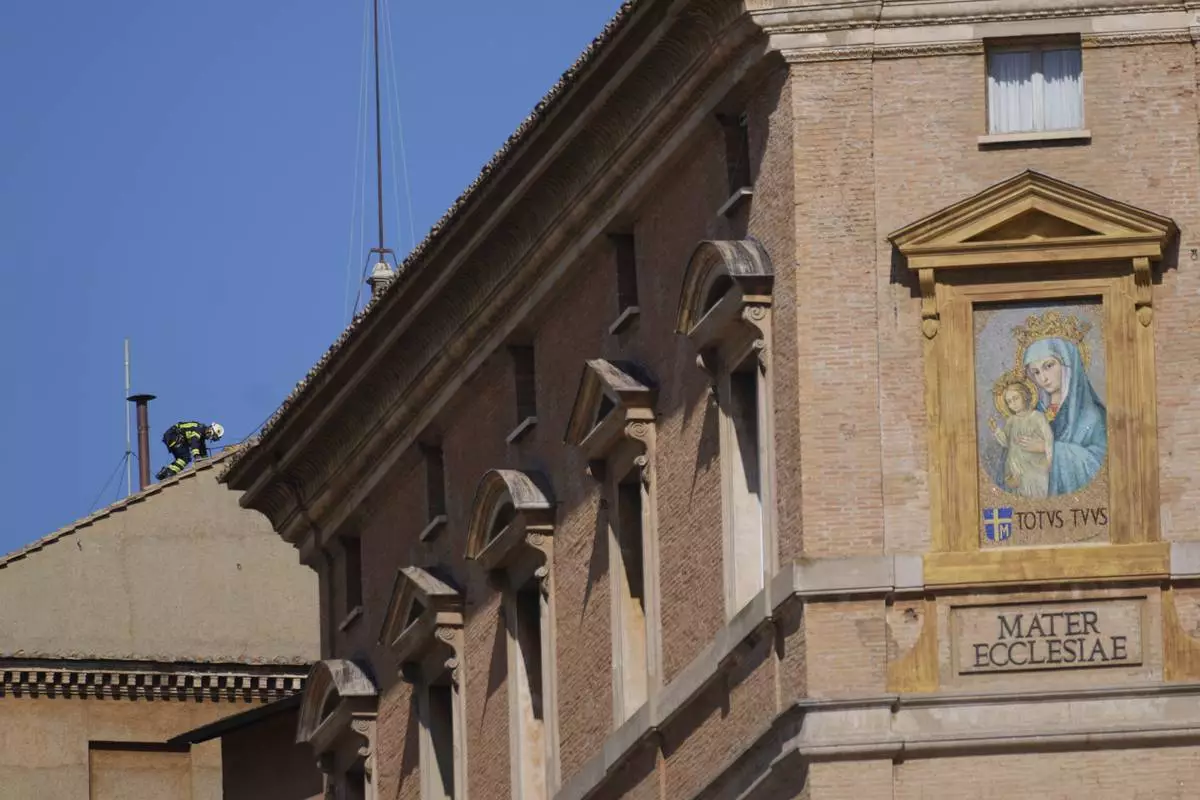
Firefighters place the chimney on the roof of the Sistine Chapel, where cardinals will gather to elect the new pope, at the Vatican, Friday, May 2, 2025. (AP Photo/Gregorio Borgia)
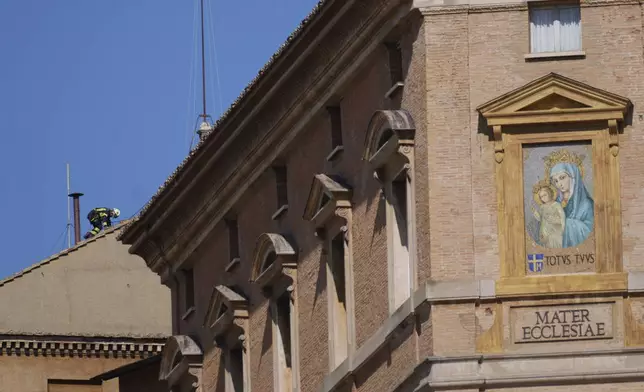
Firefighters place the chimney on the roof of the Sistine Chapel, where cardinals will gather to elect the new pope, at the Vatican, Friday, May 2, 2025. (AP Photo/Gregorio Borgia)
Firefighters place the chimney on the roof of the Sistine Chapel, where cardinals will gather to elect the new pope, at the Vatican, Friday, May 2, 2025. (AP Photo/Gregorio Borgia)

Firefighters place the chimney on the roof of the Sistine Chapel, where cardinals will gather to elect the new pope, at the Vatican, Friday, May 2, 2025. (AP Photo/Gregorio Borgia)

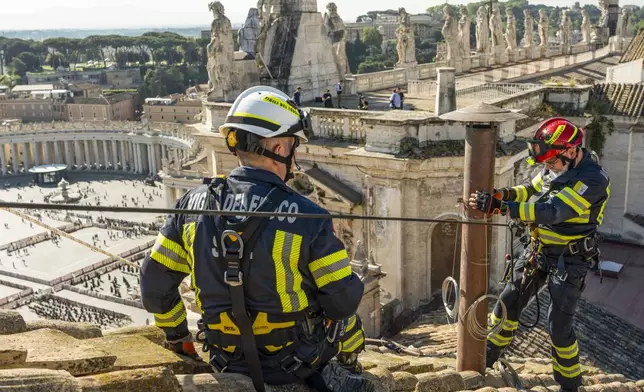
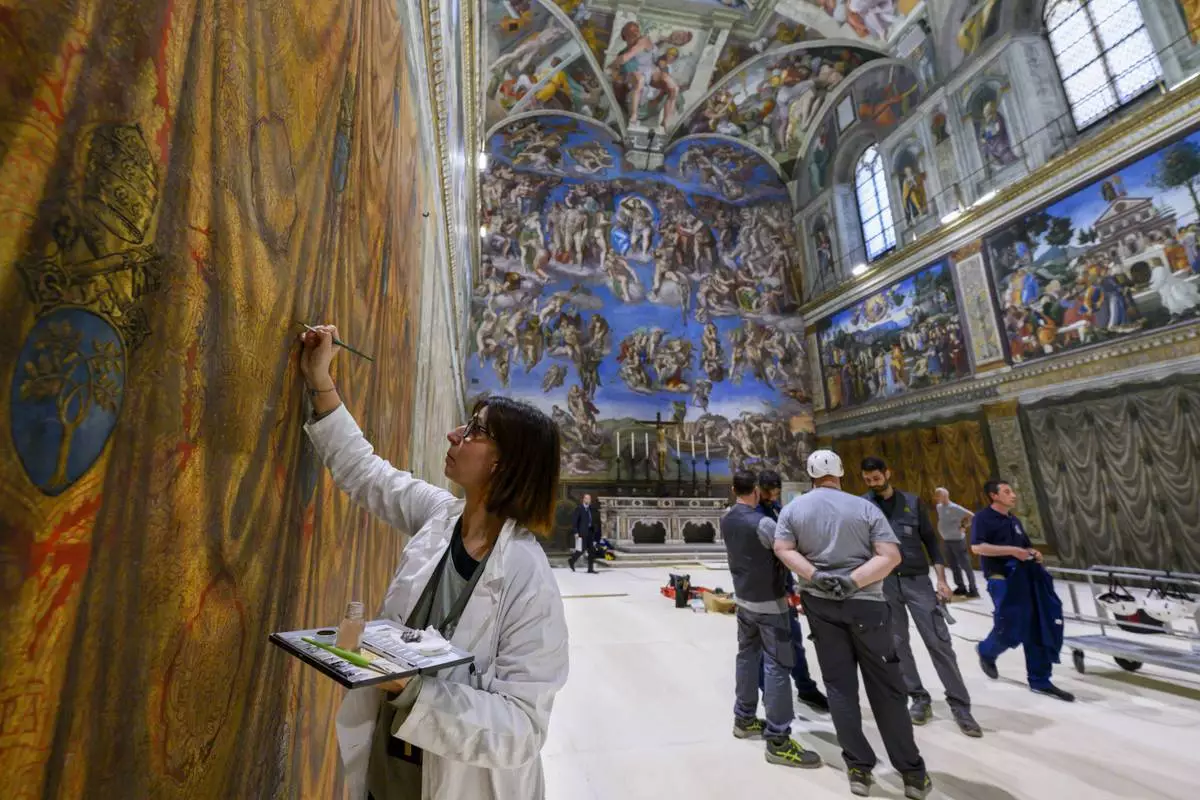
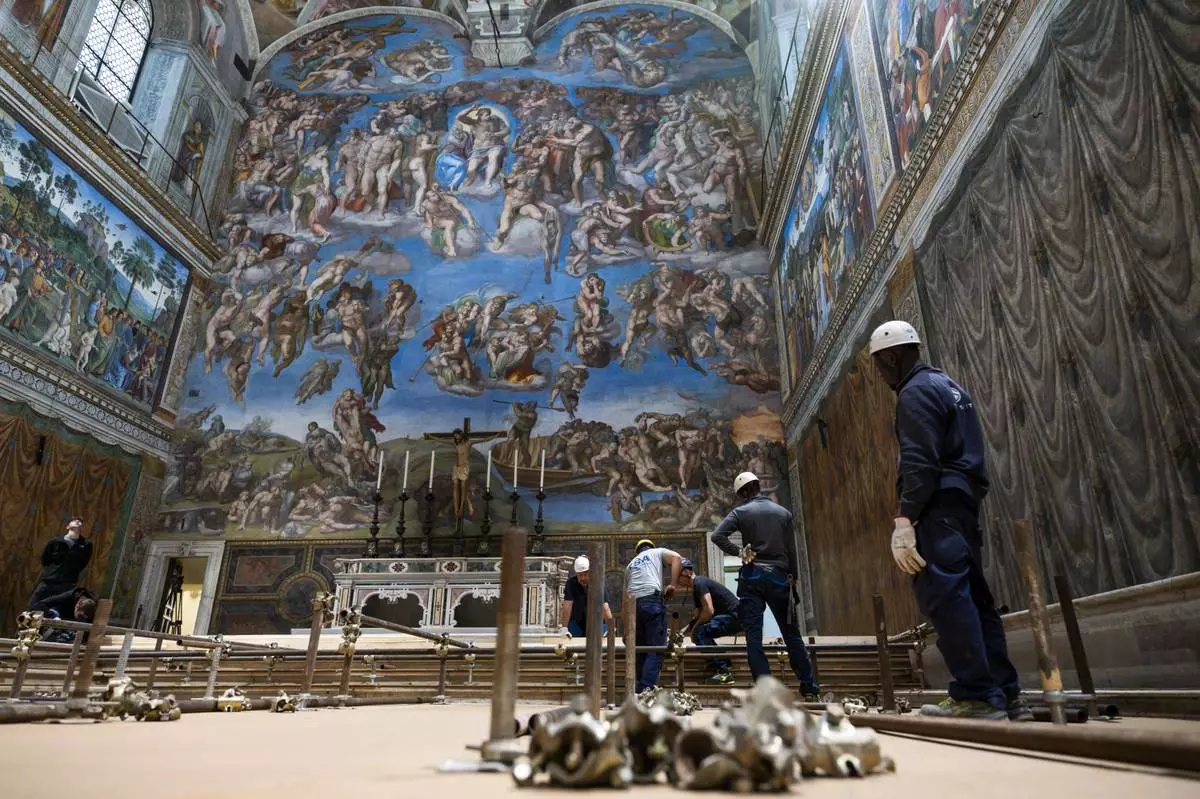
In this image taken on Wednesday, April 30, 2025, and made available Saturday, May 3, 2025, by Vatican Media, workers and restorers prepare the Sistine Chapel at the Vatican, where the upcoming conclave will start May 7. (Vatican Media via AP)
In this image taken on Wednesday, April 30, 2025, and made available Saturday, May 3, 2025, by Vatican Media, workers and restorers prepare the Sistine Chapel at the Vatican, where the upcoming conclave will start May 7. (Vatican Media via AP)

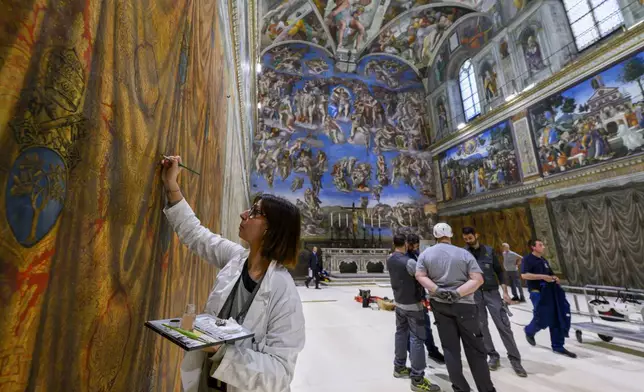
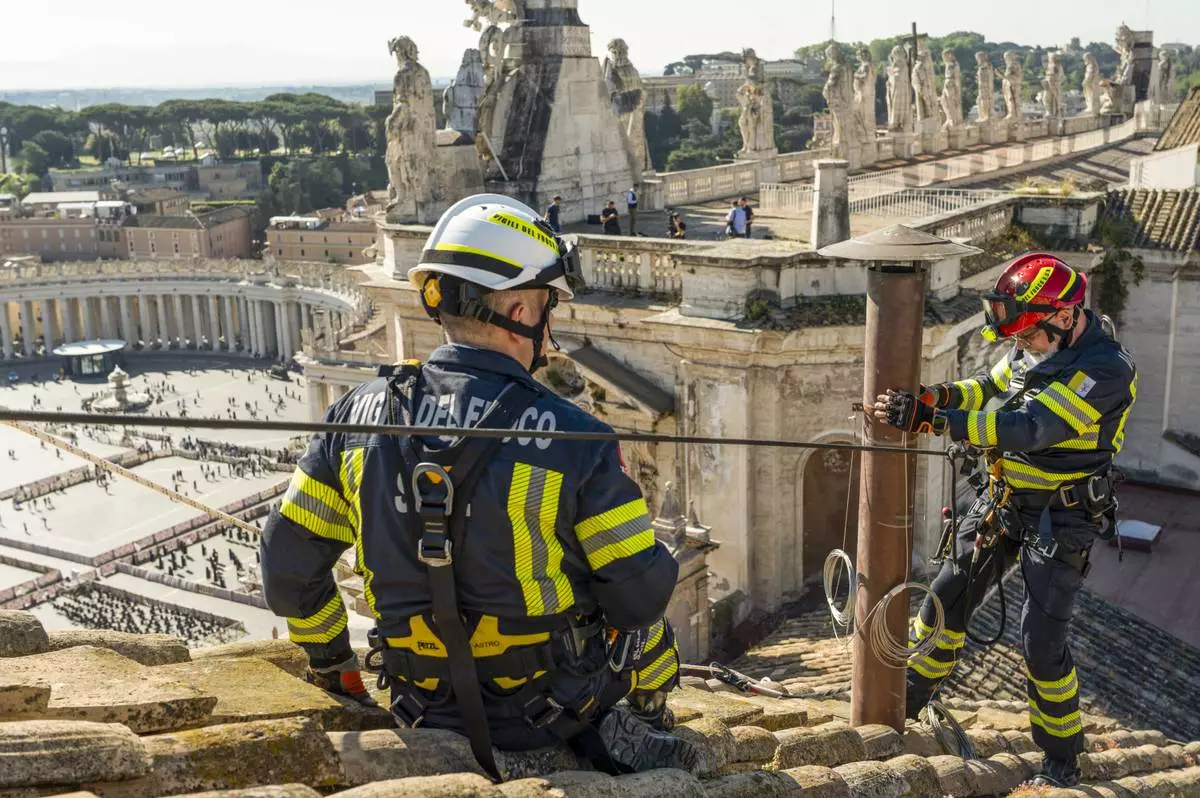
In this image taken on Friday, May 2, 2025, and made available Saturday, May 3, 2025, by Vatican Media, Italian firefighters install a temporary chimney on the roof of the Sistine Chapel at the Vatican, which will release smoke signals—black or white—from the upcoming conclave starting May 7, indicating whether a new pope has been elected. (Vatican Media via AP)
In this image taken on Friday, May 2, 2025, and made available Saturday, May 3, 2025, by Vatican Media, Italian firefighters install a temporary chimney on the roof of the Sistine Chapel at the Vatican, which will release smoke signals—black or white—from the upcoming conclave starting May 7, indicating whether a new pope has been elected. (Vatican Media via AP)

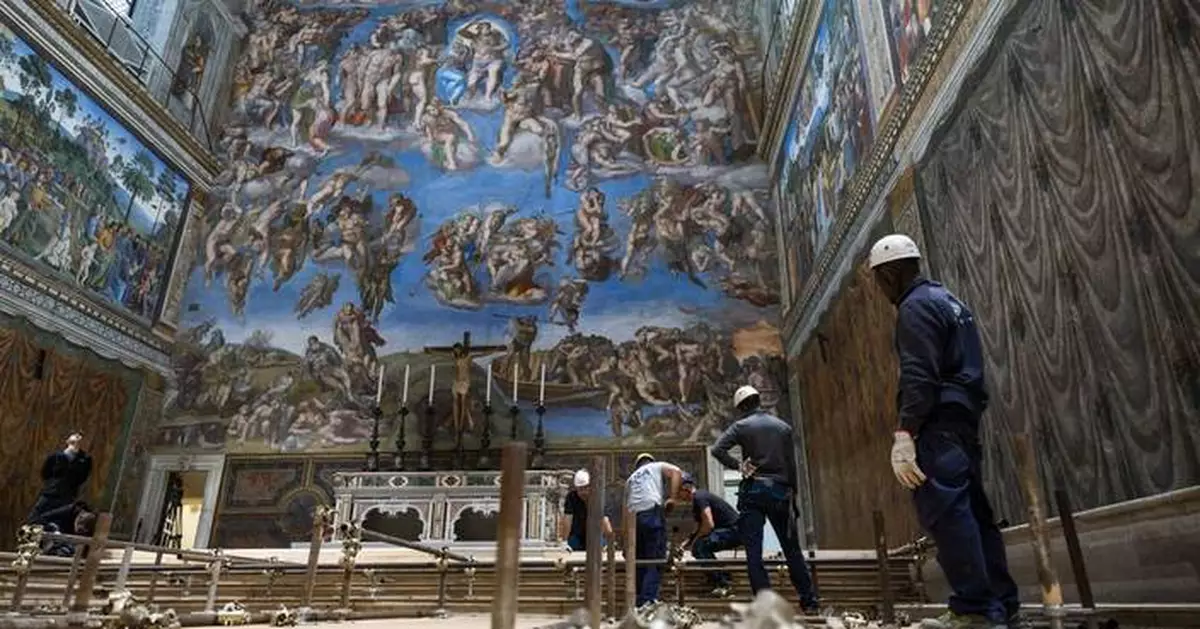
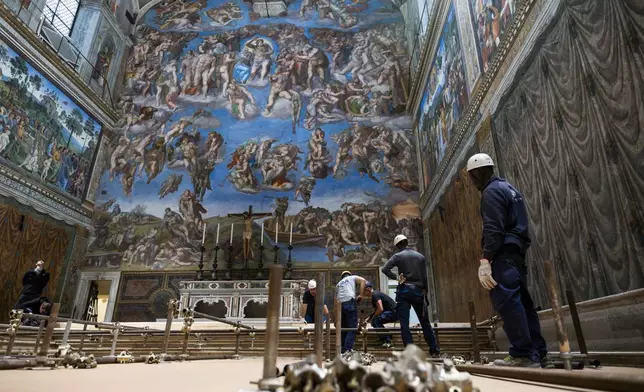
In this image taken on Monday, April 28, 2025, and made available Saturday, May 3, 2025, by Vatican Media, workers prepare the Sistine Chapel at the Vatican, where the upcoming conclave will start May 7, backdropped by Michelangelo Buonarroti's fresco 'The Last Judgement'. (Vatican Media via AP)

In this image taken on Monday, April 28, 2025, and made available Saturday, May 3, 2025, by Vatican Media, workers prepare the Sistine Chapel at the Vatican, where the upcoming conclave will start May 7, backdropped by Michelangelo Buonarroti's fresco 'The Last Judgement'. (Vatican Media via AP)

The punishment for breaking the oath? Automatic excommunication.

The oaths of about 100 people were taken in the Pauline Chapel at the Vatican for all those assigned to the conclave, Vatican spokesman Matteo Bruni said. They include clerics in support roles, among them confessors speaking various languages.

The cardinals will take their oaths in the Sistine Chapel on Wednesday, before they cast their first ballots.

An array of lay women and men are required to house and feed the cardinals. A conclave's duration cannot be predicted — and it will only be known when white smoke rises out of the Sistine Chapel chimney to signal a winner.

All those people will be sequestered to be on hand for any medical needs, and maintain the majesty and ritual appropriate for the election of the next head of the 1.4 billion-strong Catholic Church. Of the 133 cardinals expected to vote at the conclave, 108 were appointed by Francis.

The cardinals will be living in residences on Vatican grounds, and they can either walk the roughly 1 kilometer (less than a mile) to the Sistine Chapel or take a special bus that runs only within the sealed Vatican grounds — and for that, drivers are also needed.

Bruni initially said Monday that cardinals would be asked to leave their mobile phones at their Vatican residence, Santa Marta, but that they wouldn’t be confiscated.

But hours later, at an evening briefing, he said that they would hand their phones over at Santa Marta and only get them back at the end of the conclave.

But, he added, the matter goes “beyond just technical questions," but is a "process united also with prayer, with meditation, with thought about who the person could be whom the Lord has identified as the pope of Rome.”

The Vatican also plans to use signal jamming around the Sistine Chapel and the residences to prevent electronic surveillance or communication outside the conclave, with the Vatican gendarmes overseeing the security measures.

The provisions for the oath-taking are laid down in Vatican law.

St. John Paul II rewrote the regulations on papal elections in a 1996 document that remains largely in force, though Pope Benedict XVI amended it twice before he resigned in 2013. He tightened the oath of secrecy, making clear that anyone who reveals what went on inside the conclave faces automatic excommunication.

Under John Paul’s rules, excommunication was always a possibility, but Benedict made it explicit.

Those taking the oath now declare that they “promise and swear that, unless I should receive a special faculty given expressly by the newly elected pontiff or by his successors, I will observe absolute and perpetual secrecy with all who are not part of the College of Cardinal electors concerning all matters directly or indirectly related to the ballots cast and their scrutiny for the election of the Supreme Pontiff.

“I likewise promise and swear to refrain from using any audio or video equipment capable of recording anything which takes place during the period of the election within Vatican City, and in particular anything which in any way, directly or indirectly, is related to the process of the election itself.

“I take this oath fully aware that an infraction thereof will incur the penalty of automatic excommunication reserved to the Apostolic See. So help me God and these Holy Gospels, which I touch with my hand.”

As the Vatican prepared for the conclave, its child protection advisory commission on Monday urged cardinals to prioritize the clergy sexual abuse issue, saying the Catholic Church’s very credibility depends on accountability, transparency and justice for victims.

The Pontifical Commission for the Protection of Minors is a Vatican department created by Pope Francis to advise the church on best practices to fight abuse. Made up of clergy and lay experts, the commission issued a call to prayer to the cardinals who are meeting in Rome this week before entering into the conclave on Wednesday.

“Let no concern of scandal obscure the urgency of truth,” the text said. “Let no consideration for reputation impede our paramount responsibility to take action on behalf of those who have been abused.”

The abuse scandal has badly compromised the Catholic hierarchy’s credibility in many countries around the world, with revelations of decades of abuse and cover-up by bishops and religious superiors. Francis and before him Pope Benedict XVI took some steps to address the scandal, but a culture of impunity still reigns, there is no transparency from the Vatican about cases, and victims say the very process the church has put in place to deal with allegations is often retraumatizing.

The statement acknowledged the harm the scandal has done to the church’s reputation and said the cardinals bear a responsibility to victims. “The church’s credibility depends on real accountability, transparency, and action rooted in justice,” it said.

The commission’s president, Cardinal Sean O’Malley, is participating in the pre-conclave discussions but will not be voting in the election itself because he is over the age limit of 80.

Associated Press religion coverage receives support through the AP’s collaboration with The Conversation US, with funding from Lilly Endowment Inc. The AP is solely responsible for this content.
Cardinal Peter Erdo leads a mass at his titular church of Santa Francesca Romana in Rome, Sunday, May 4, 2025. (AP Photo/Francisco Seco)
Cardinal Peter Erdo leads a mass at his titular church of Santa Francesca Romana in Rome, Sunday, May 4, 2025. (AP Photo/Francisco Seco)

A man gives the last touch to a red drape wrapped around a column of the central lodge of St. Peter's Basilica in Vatican City, Monday, May 5, 2025, before the conclave starting on May 7, where they will elect the 267th pontiff of the Catholic Church. (AP Photo/Gregorio Borgia)
A man gives the last touch to a red drape wrapped around a column of the central lodge of St. Peter's Basilica in Vatican City, Monday, May 5, 2025, before the conclave starting on May 7, where they will elect the 267th pontiff of the Catholic Church. (AP Photo/Gregorio Borgia)

Catholic Templari Oggi or "Templars Today" association members parade along the city centre to arrive to St. Mary and the Martyrs Basilica, or Agrippa Pantheon, in Rome, Sunday, May 4, 2025. (AP Photo/Francisco Seco)
Catholic Templari Oggi or "Templars Today" association members parade along the city centre to arrive to St. Mary and the Martyrs Basilica, or Agrippa Pantheon, in Rome, Sunday, May 4, 2025. (AP Photo/Francisco Seco)

Cardinal Francis Leo walks along St. Peters square, at the Vatican, Monday, May 5, 2025, after attending the General Congregation of cardinals in the New Synod Hall where they are preparing for the upcoming conclave starting on May 7, to elect the 267th Roman pontiff. (AP Photo/Francisco Seco)
Cardinal Francis Leo walks along St. Peters square, at the Vatican, Monday, May 5, 2025, after attending the General Congregation of cardinals in the New Synod Hall where they are preparing for the upcoming conclave starting on May 7, to elect the 267th Roman pontiff. (AP Photo/Francisco Seco)
Cardinal Louis Raphael Sako leaves the Vatican on Monday, May 5, 2025, after attending the General Congregation of cardinals in the New Synod Hall where they are preparing for the upcoming conclave starting on May 7, to elect the 267th Roman pontiff. (AP Photo/Francisco Seco)

Cardinal Louis Raphael Sako leaves the Vatican on Monday, May 5, 2025, after attending the General Congregation of cardinals in the New Synod Hall where they are preparing for the upcoming conclave starting on May 7, to elect the 267th Roman pontiff. (AP Photo/Francisco Seco)

Firefighters place the chimney on the roof of the Sistine Chapel, where cardinals will gather to elect the new pope, at the Vatican, Friday, May 2, 2025. (AP Photo/Gregorio Borgia)
Firefighters place the chimney on the roof of the Sistine Chapel, where cardinals will gather to elect the new pope, at the Vatican, Friday, May 2, 2025. (AP Photo/Gregorio Borgia)
Firefighters place the chimney on the roof of the Sistine Chapel, where cardinals will gather to elect the new pope, at the Vatican, Friday, May 2, 2025. (AP Photo/Gregorio Borgia)

Firefighters place the chimney on the roof of the Sistine Chapel, where cardinals will gather to elect the new pope, at the Vatican, Friday, May 2, 2025. (AP Photo/Gregorio Borgia)

In this image taken on Wednesday, April 30, 2025, and made available Saturday, May 3, 2025, by Vatican Media, workers and restorers prepare the Sistine Chapel at the Vatican, where the upcoming conclave will start May 7. (Vatican Media via AP)
In this image taken on Wednesday, April 30, 2025, and made available Saturday, May 3, 2025, by Vatican Media, workers and restorers prepare the Sistine Chapel at the Vatican, where the upcoming conclave will start May 7. (Vatican Media via AP)

In this image taken on Friday, May 2, 2025, and made available Saturday, May 3, 2025, by Vatican Media, Italian firefighters install a temporary chimney on the roof of the Sistine Chapel at the Vatican, which will release smoke signals—black or white—from the upcoming conclave starting May 7, indicating whether a new pope has been elected. (Vatican Media via AP)
In this image taken on Friday, May 2, 2025, and made available Saturday, May 3, 2025, by Vatican Media, Italian firefighters install a temporary chimney on the roof of the Sistine Chapel at the Vatican, which will release smoke signals—black or white—from the upcoming conclave starting May 7, indicating whether a new pope has been elected. (Vatican Media via AP)

In this image taken on Monday, April 28, 2025, and made available Saturday, May 3, 2025, by Vatican Media, workers prepare the Sistine Chapel at the Vatican, where the upcoming conclave will start May 7, backdropped by Michelangelo Buonarroti's fresco 'The Last Judgement'. (Vatican Media via AP)
In this image taken on Monday, April 28, 2025, and made available Saturday, May 3, 2025, by Vatican Media, workers prepare the Sistine Chapel at the Vatican, where the upcoming conclave will start May 7, backdropped by Michelangelo Buonarroti's fresco 'The Last Judgement'. (Vatican Media via AP)
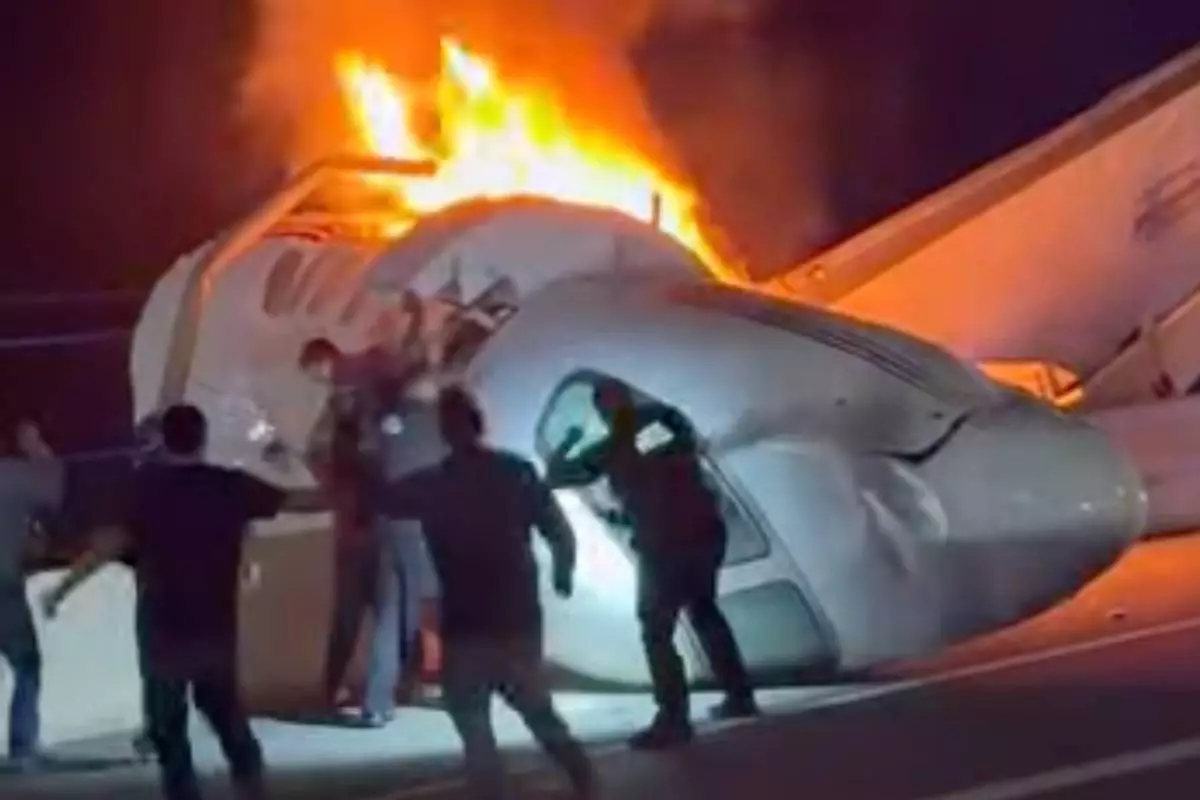
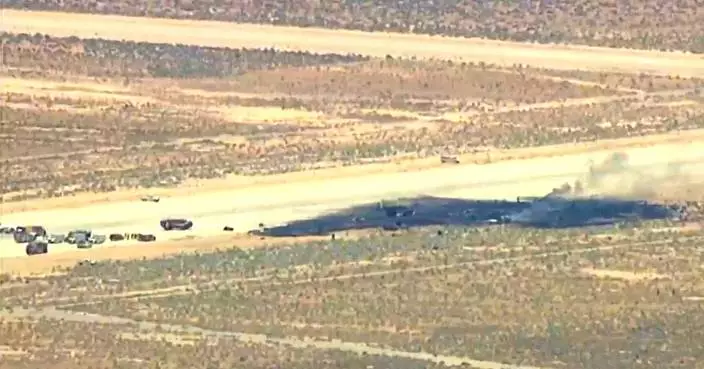
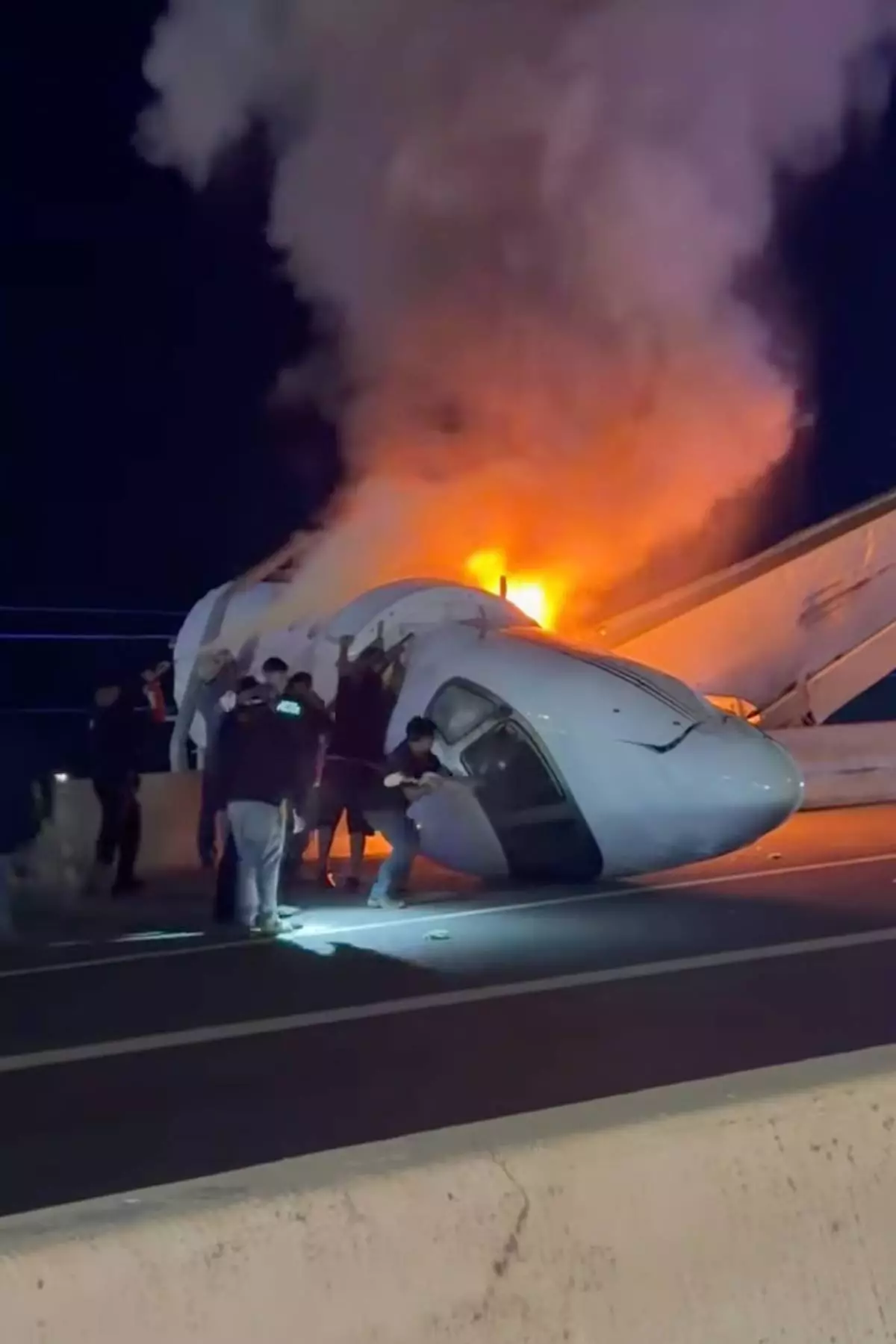
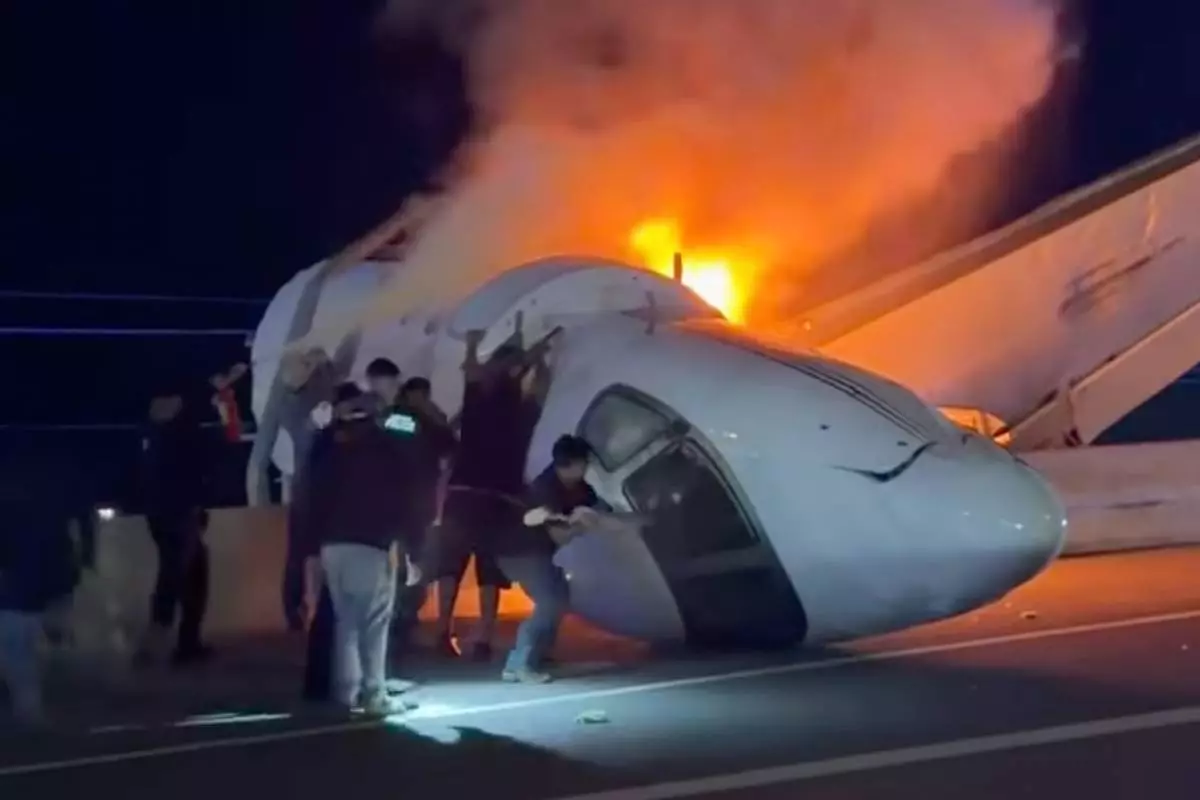
DUBAI, United Arab Emirates (AP) — Several U.S. warplanes crashed on Monday in Kuwait, the country’s defense ministry said, with all the pilots safely bailing out.

The ministry did not elaborate on what caused the crashes but it came during an intense period of Iranian fire targeting the country.

The Kuwaiti Defense Ministry said the pilots had been taken to a hospital for checkups and their condition was stable.

The U.S. military’s Central Command did not immediately respond to a request for comment.

THIS IS A BREAKING NEWS UPDATE. AP’s earlier story follows below.

DUBAI, United Arab Emirates (AP) — Iran and Iranian-backed militias fired missiles at Israel and Arab states, apparently hitting the U.S. Embassy compound in Kuwait, while Israel and the United States pounded targets in Iran as the war expanded on Monday with statements of defiance and increasing casualties.

Fire and smoke rose from inside the embassy compound in Kuwait City and an alarm wailed after the Iranian attack, which came not long after the U.S. issued a warning to Americans there to take cover and for others to stay away. There were no immediate reports on damage or casualties.

Meantime, as the American and Israeli airstrikes continued, top Iranian security official Ali Larijani vowed on X that “we will not negotiate with the United States.”

In Iraq, a pro-Iranian militia claimed responsibility for a drone attack targeting U.S. troops at the Baghdad airport, the day after it said it fired at a U.S. base in the city of Irbil in the north, and Cyprus said a drone attack targeted a British base on the Mediterranean island nation.

Israel and the U.S. bombed Iranian missile sites and targeted its navy, claiming to have destroyed its headquarters and multiple warships.

As the attacks on Iran continued, Hezbollah said it fired missiles from Lebanon into Israel early Monday in response to the killing of Iranian Supreme Leader Ali Khamenei and “repeated Israeli aggressions.” There were no reports of injuries or damage, and Israel said that it had intercepted one projectile while several fell in open areas.

Israel retaliated with strikes on Lebanon, killing at least 31 people and wounding 149 others, according to Lebanon's Health Ministry. About two thirds of the dead were in the country's south.

Lebanon’s government said it was holding an emergency meeting after Hezbollah’s attack on Israel triggered the Israeli airstrikes.

Iran has been firing missiles at Israel and Arab states in a counteroffensive since the joint America-Israeli attack Saturday that killed Khamenei and many top Iranian officials.

Gulf Arab states have warned that they could retaliate against Iran after strikes that hit key sites and killed at least five civilians, and U.S. President Donald Trump promised Washington would “avenge” the deaths of three American troops who were killed in Kuwait, while predicting more casualties.

“Sadly, there will likely be more before it ends,” Trump said. “That’s the way it is.”

Trump has urged Iranians to “take over” their government and, while he has also signaled he would be open to dialogue with new leadership there following the death of Khamenei, suggested Sunday there was no end in sight to the military operations.

“Combat operations continue at this time in full-force, and they will continue until all of our objectives are achieved,” he said in a video message. “We have very strong objectives,” he added, without elaborating.

The U.S. military said B-2 stealth bombers struck Iran’s ballistic missile facilities with 2,000-pound bombs. Trump said on social media that nine Iranian warships had been sunk and that the Iranian navy’s headquarters had been “largely destroyed.”

Others have mostly stayed out of the war and pressed for diplomacy. But in an indication that the conflict could draw in other nations, Britain, France and Germany said Sunday they were ready to work with the U.S. to help stop Iran’s attacks.

Early Monday, Cyprus said an uncrewed drone “caused limited damage” when it hit a British air base on the southern coast. Further details were not immediately available, but it came after British Prime Minister Keir Starmer said the U.K. would help the U.S. in the war against Iran.

The weekend attacks were the second time in eight months that the U.S. and Israel had combined against Iran, in a startling show of military might for an American president elected on an “America First” platform and pledged to keep out of “forever wars.”

In the 12-day war last June, Israeli and American strikes greatly weakened Iran’s air defenses, military leadership and nuclear program. But the killing of Khamenei, who ruled Iran for more than three decades, creates a leadership vacuum, increasing the risk of regional instability.

Hezbollah’s launch of missiles at Israel was the first time in more than a year that the militant group has claimed an attack.

Iran’s proxies were a chief concern for American and Israeli officials before they suspended negotiations with Iran last week and moved ahead with strikes on Iran.

Israel said the Lebanese militant Hezbollah group had “joined the campaign” alongside Iran as it retaliated with strikes on Beirut, Lebanon's capital.

Associated Press journalists in Beirut were jolted awake by a series of loud explosions that shook buildings and caused windows to shatter. Warplanes could be heard flying low overhead.

“The strikes continue,” said Maj. Gen. Rafi Milo, head of Israel’s Northern Command. “Their intensity will increase.”

The Iraqi Shiite militia Saraya Awliya al-Dam claimed a drone attack Monday targeting U.S. troops at the airport in the Iraqi capital, Baghdad, further widening the retaliation over the killing of Khamenei. It had claimed a drone attack on Sunday against a U.S. air base in Irbil, in Iraq’s north.

The group is one of a number of Shiite militias operating in Iraq. The U.S. and Iraq did not immediately comment on the claims.

In the Persian Gulf, Iran’s retaliatory strikes pushed the conflict into cities that have long marketed themselves as regional safe havens. Three people were reported killed in the United Arab Emirates and one each in Kuwait and Bahrain.

In the United Arab Emirates, authorities said most Iranian missiles and drones were intercepted. But some either got through or fell as debris, causing the deaths and significant damage. Bahrain and Kuwait said Iranian strikes in both countries hit civilian targets outside the U.S. bases where Iran had pledged to retaliate.

In Iran, more than 200 people have been killed since the start of the strikes, according to officials.

Tehran’s streets are largely deserted as people have been sheltering during airstrikes, witnesses told The Associated Press, speaking anonymously for fear of retribution. The paramilitary Basij, which has played a central role in crushing protests, set up checkpoints across the city, they said.

In Israel, rescue services have confirmed several locations have been hit by Iranian missiles, including Jerusalem and a synagogue in Beit Shemesh, where nine people were killed and 28 wounded, bringing the overall death toll in the country to 11.

The World Health Organization called Monday for sparing civilians and healthcare facilities in the Middle East amid the escalating conflict.

“The protection of civilians and health care must be absolute,” Hanan Balkhy, regional dietitian at WHO wrote on social media. “All parties must … ensure medical facilities remain protected.”

Rising reported from Bangkok and Magdy from Cairo. Associated Press writers Bassem Mroue and Sally Abou AlJoud in Beirut contributed to this report.

Iraqi Shiites hold pictures of Iranian Supreme Leader Ayatollah Ali Khamenei, who was killed by a U.S. airstrike in Tehran, during a symbolic funeral, in Najaf, Iraq, Sunday, March 1, 2026. (AP Photo/Anmar Khalil)

Iraqi Shiites hold pictures of Iranian Supreme Leader Ayatollah Ali Khamenei, who was killed by a U.S. airstrike in Tehran, during a symbolic funeral, in Najaf, Iraq, Sunday, March 1, 2026. (AP Photo/Anmar Khalil)

This image provided by U.S. Central Command shows a F/A-18F Super Hornet preparing to make an arrested landing on the USS Abraham Lincoln (CVN 72)) in support of Operation Epic Fury, on Saturday, Feb. 28, 2026. (U.S. Navy via AP)

This image provided by U.S. Central Command shows a F/A-18F Super Hornet preparing to make an arrested landing on the USS Abraham Lincoln (CVN 72)) in support of Operation Epic Fury, on Saturday, Feb. 28, 2026. (U.S. Navy via AP)

In this photo taken with a slow shutter speed, a Middle East Airlines plane flies over Beirut as smoke rises from Israeli airstrikes on Dahiyeh in Beirut's southern suburbs, early Monday, March 2, 2026. (AP Photo/Hassan Ammar)

In this photo taken with a slow shutter speed, a Middle East Airlines plane flies over Beirut as smoke rises from Israeli airstrikes on Dahiyeh in Beirut's southern suburbs, early Monday, March 2, 2026. (AP Photo/Hassan Ammar)

A man takes pictures of the damage in an apartment building after it was hit by an Israeli airstrike in Dahiyeh, Beirut's southern suburb, Lebanon, Monday, March 2, 2026. (AP Photo/Hussein Malla)

A man takes pictures of the damage in an apartment building after it was hit by an Israeli airstrike in Dahiyeh, Beirut's southern suburb, Lebanon, Monday, March 2, 2026. (AP Photo/Hussein Malla)

This image provided by U.S. Central Command shows a Navy sailor observing flight operations aboard the USS Abraham Lincoln (CVN 72)) in support of Operation Epic Fury, on Saturday, Feb. 28, 2026. (U.S. Navy via AP)

This image provided by U.S. Central Command shows a Navy sailor observing flight operations aboard the USS Abraham Lincoln (CVN 72)) in support of Operation Epic Fury, on Saturday, Feb. 28, 2026. (U.S. Navy via AP)

Iraqi Shiites hold pictures of Iranian Supreme Leader Ayatollah Ali Khamenei, who was killed by a U.S. airstrike in Tehran, during a symbolic funeral, in Najaf, Iraq, Sunday, March 1, 2026. (AP Photo/Anmar Khalil)

Iraqi Shiites hold pictures of Iranian Supreme Leader Ayatollah Ali Khamenei, who was killed by a U.S. airstrike in Tehran, during a symbolic funeral, in Najaf, Iraq, Sunday, March 1, 2026. (AP Photo/Anmar Khalil)

Recommended Articles