SAN FRANCISCO--(BUSINESS WIRE)--May 6, 2025--
Ouster, Inc. (Nasdaq: OUST) (“Ouster” or the “Company”), a leading global provider of high-performance lidar sensors and software solutions, today announced a major software development milestone for Ouster BlueCity, its turnkey traffic management solution. As a part of the NVIDIA Metropolis ecosystem, Ouster BlueCity’s proprietary deep learning perception model has been trained on 4 million labeled objects collected from 800 sites encompassing diverse traffic patterns, intersection designs, and environmental conditions using NVIDIA TensorRT and Jetson edge AI platform.
This press release features multimedia. View the full release here: https://www.businesswire.com/news/home/20250506902617/en/
At the core of Ouster BlueCity is Ouster’s proprietary perception software that utilizes a deep neural network (DNN) to detect, classify, and track objects and trajectory data of multimodal road users. Ouster BlueCity’s DNN runs on NVIDIA Jetson AGX Orin and NVIDIA Orin NX system-on-modules for real-time inference on the edge, bringing physical AI to smart city traffic systems around the world. The Company’s deep learning model is developed in-house and further validated against manually annotated lidar data for accuracy.
With NVIDIA’s high-performance accelerated computing technology, Ouster BlueCity’s edge devices can process vast amounts of 3D lidar data in real time –delivering low-latency object detection, classification, and tracking, as well as supporting V2X communications and other intelligent transportation system (ITS) applications to improve signal timings, reduce congestion and increase safety for all road users. This approach offers significant advantages over classical algorithms, including improved generalization, greater scalability, reduced computational resources and real-time processing without the need for calibration.
“Ouster BlueCity is a prime example of how we are working to solve important real-world problems with physical AI,” said Ouster CEO Angus Pacala. “Powered by the NVIDIA Jetson Platform, Ouster BlueCity combines digital lidar with real-time perception to improve traffic management and road safety for all road users.
In 2024, Ouster closed deals to expand the adoption of Ouster BlueCity to over 400 sites globally, including the largest lidar-powered smart traffic network in the United States in Chattanooga, Tennessee. With millions of intersections around the world, the Company sees a massive opportunity to improve transportation safety and reduce traffic congestion with the Ouster BlueCity.
For more information on Ouster’s AI capabilities, read Ouster’s latest blog here.
About Ouster
Ouster (Nasdaq: OUST) is a leading global provider of high-resolution lidar sensors and software solutions for the automotive, industrial, robotics, and smart infrastructure industries. Ouster is on a mission to build a safer and more sustainable future by offering affordable, high-performance sensors that drive mass adoption across a wide variety of applications. Ouster is headquartered in San Francisco, CA with offices in the Americas, Europe, and Asia-Pacific. For more information about our products, visit www.ouster.com, contact our sales team, or connect with us on X or LinkedIn.
Forward Looking Statements
This press release contains forward-looking statements within the meaning of the Private Securities Litigation Reform Act of 1995. The Company intends such forward-looking statements to be covered by the safe harbor provisions for forward-looking statements contained in Section 27A of the Securities Act of 1933, as amended and Section 21E of the Securities Exchange Act of 1934, as amended. Such statements are based upon current plans, estimates and expectations of management that are subject to various risks and uncertainties that could cause actual results to differ materially from such statements. The inclusion of forward-looking statements should not be regarded as a representation that such plans, estimates and expectations will be achieved. Words such as “expect,” “will”, “may,” “anticipate,” “intend,” “should,” “plan,” “can,” “could,” “offer,” “estimate,” “possible,” “potential,” “pursue,” “demonstrate,” and the negative of these terms and similar expressions are intended to identify forward-looking statements, though not all forward-looking statements use these words or expressions. All statements, other than historical facts, including statements regarding the capabilities of Ouster’s products including the opportunity to improve transportation safety and reduce traffic congestion with Ouster BlueCity, uses for physical AI, future growth opportunities and competitive position, all constitute forward-looking statements. All forward-looking statements are subject to risks and uncertainties that may cause actual results to differ materially from those that we expected, including, but not limited to, the possibility of cancellation or postponement of contracts or unsuccessful implementations; risks related to the adoption of its products and the growth of the lidar market generally, inaccurate forecasts of market growth; Ouster’s ability to respond to evolving regulations and standards; and other important risk factors discussed in the Company’s Annual Report on Form 10-K for the year ended December 31, 2024, as may be further updated from time to time in the Company’s other filings with the SEC. Readers are urged to consider these factors carefully and in the totality of the circumstances when evaluating these forward-looking statements, and not to place undue reliance on any of them. Any such forward-looking statements represent management’s reasonable estimates and beliefs as of the date of this press release. While Ouster may elect to update such forward-looking statements at some point in the future, it disclaims any obligation to do so, other than as may be required by law, even if subsequent events cause its views to change.
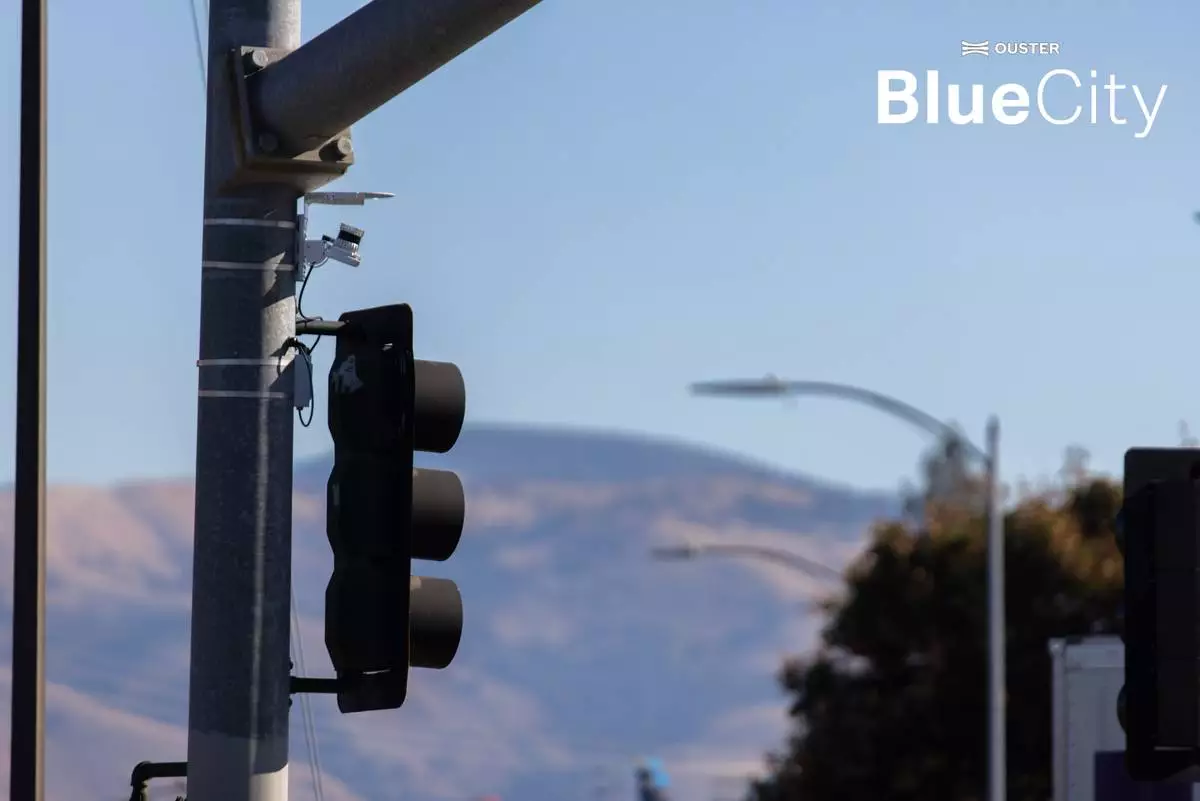
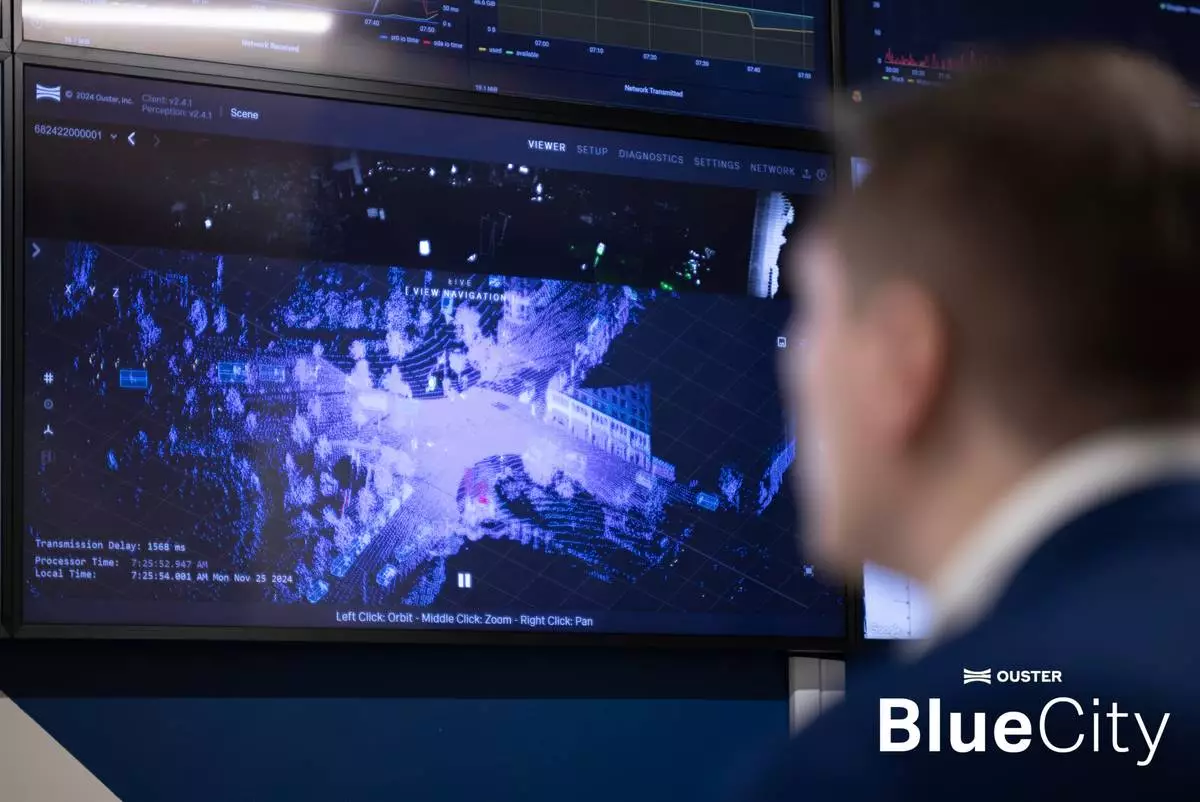
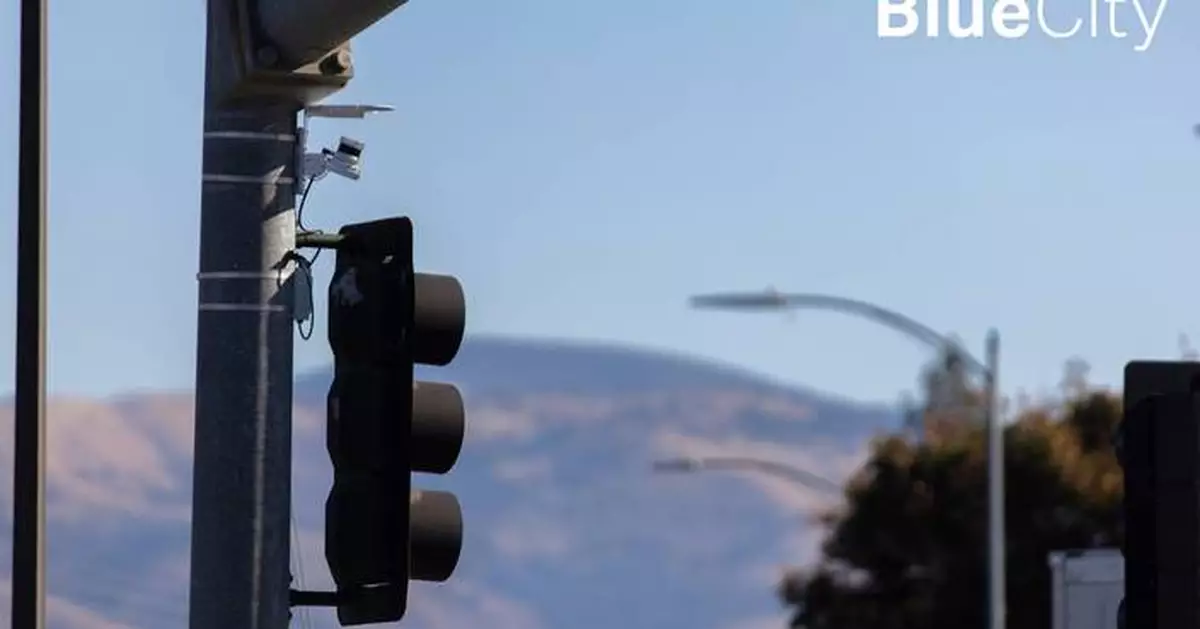
Ouster BlueCity traffic management solution.
Ouster BlueCity traffic management solution.
The search is on for one missing U.S. service member while another was rescued after two U.S. warplanes went down in separate incidents including the first shoot-down since the Iran war began nearly five weeks ago.
The incidents occurred just two days after President Donald Trump said in a national address that the U.S. has “beaten and completely decimated Iran.”
One fighter jet was shot down in Iran, officials said. A U.S. crew member from that plane was rescued, but a second was missing, and a U.S. military search-and-rescue operation was underway.
Separately, Iranian state media said a U.S. A-10 attack aircraft crashed in the Persian Gulf after being struck by Iranian defense forces. A U.S. official, speaking on condition of anonymity to discuss a sensitive military situation, said it was not clear if the aircraft crashed or was shot down.
The war now entering its sixth week is destabilizing economies around the world as Iran responds to the U.S. and Israeli attacks by targeting the Gulf region's energy infrastructure and tightening its grip on oil and natural gas shipments through the Strait of Hormuz.
Here is the latest:
Omar al-Waeli, head of Iraq’s Border Ports Authority, said on Saturday that the strike on the Shalamcheh border crossing killed one person and wounded five others.
Authorities did not offer further details on the strike. But trade and passenger traffic is suspended at the crossing, which is crucial for Iranian imports and Iranian pilgrims headed to Iraq’s Shiite shrines.
The Iraqi government said it was directing traders and travelers to alternative crossings.
The International Atomic Energy Agency said on Saturday that it has been informed by Iran about the strike near the premises of the Bushehr nuclear facility that killed a security guard and impacted a building in the complex.
“No increase in radiation levels was reported” following the strike, the IAEA said in a social media post.
Bahrain’s Defense Ministry reported the tally in a social media post on Saturday.
This brings the total number of projectiles fired at the country since the start of the war to 188 missiles and 453 drones.
Bahrain hosts the U.S. Navy’s 5th Fleet.
The Atomic Energy Organization of Iran said in a social media post Saturday that an airstrike near its Bushehr nuclear facility killed a security guard and damaged a support building.
It is the fourth time the facility has been targeted during the war.
The Bushehr nuclear power plant uses low-enriched uranium from Russia, along with Russian technicians, to supply about 1,000 megawatts of power for Iran.
Its pressurized-water reactor can power hundreds of thousands of homes and other businesses and industries. But it contributes only 1% to 2% of Iran’s total power needs.
Iran has been trying to expand the facility to multiple reactors. In 2019, it began a project that ultimately plans to add two additional reactors to the site, each adding another 1,000 megawatts apiece.
Italian Premier Giorgia Meloni has discussed with Saudi Prime Minister Mohammed bin Salman defensive military assistance that Italy is providing against Iranian reprisals to U.S.-Israeli attacks.
A brief statement from Meloni's office Saturday did not specify what type of assistance Italy is providing.
It also said the two discussed diplomatic efforts to end the war, the importance of opening the Strait of Hormuz and “more broadly how to promote a regional framework that can break free from the current cycle of conflict.”
Meloni will continue her visit in Qatar and the United Arab Emirates.
U.S. and Israeli warplanes continued to pound Iran Saturday, hitting several targets including a petrochemical facility, Iranian media reported.
Iran's official English-language newspaper Tehran Times reported that an airstrike hit a facility belonging to Iran’s Agriculture Ministry in the western city of Mehran.
The newspaper said another air raid struck Mahshahr Special Petrochemical Zone in the southwestern Khuzestan province.
The semiofficial Fars news agency reported several explosions heard late Saturday morning in the facility.
Mehr, another semiofficial news agency, reported that the strikes hit four companies within the zone.
Mohammad Bagher Qalibaf made the veiled threat in a social media post late Friday, asking about how busy oil tanker and container ship traffic is through the strait.
The 20-mile (32-kilometer) strait links the Red Sea with the Gulf of Aden and the Indian Ocean and is one of the busiest chokepoints in global trade, with more than a tenth of seaborne global oil and a quarter of container ships passing through it.
Iran has already greatly disrupted the flow of oil through the Strait of Hormuz, sending fuel prices skyrocketing and jolting the world economy.
Disrupting transit through the Bab el-Madeb would force shipping firms to route their vessels around the Cape of Good Hope at the southern tip of Africa, further hitting prices.
Israel’s rescue services said Saturday the man sustained glass shrapnel wounds after an Iranian missile hit the central city of Bnei Brak.
It wasn't clear if the glass shrapnel was caused by a direct strike or falling debris from an intercepted missile.
Israel’s Magen David Adom rescue services said it was taking the man to the hospital.
The Iranian judiciary's Mizan news agency said Saturday that the two men who were hanged belonged to the Iranian exile group Mujahedeen-e-Khalq.
The agency said Abul-Hassan Montazer and Vahid Bani-Amirian were convicted of “being members of a terrorist group.”
This brings to six the total number of MEK members executed since the start of the war.
Activists and rights groups say Iran routinely holds closed-door trials in which defendants are unable to challenge the accusations they face.
The Israeli military said on Saturday that its air force struck ballistic and and anti-aircraft missile storage sites in Tehran.
It said the strikes a day earlier included weapons manufacture sites as well as military research and development facilities in the Iranian capital.
It said the strikes are part of an ongoing phase to increase damage to Iran's “core systems and foundations.”
Authorities in Dubai said the facades of two buildings were damaged by debris from intercepted drones, including one belonging to U.S. tech firm Oracle. No injuries were reported.
Iran’s Revolutionary Guard has threatened to attack Oracle and 17 other U.S. companies after accusing them of being involved in “terrorist espionage” operations in Iran.
Previous Iranian drone strikes caused damage to three Amazon Web Services facilities in the United Arab Emirates and Bahrain.
As of Friday, 247 of the wounded were Army soldiers, 63 were Navy sailors, 19 were Marines and 36 were Air Force airmen, according to Pentagon data available online.
It is unclear if the data includes any of the service members involved in the downing of two combat aircraft reported Friday.
Most of the wounded — 200 — were also mid to senior enlisted troops, 85 were officers and 80 were junior enlisted service members.
The current death toll remains at 13 service members killed in combat.
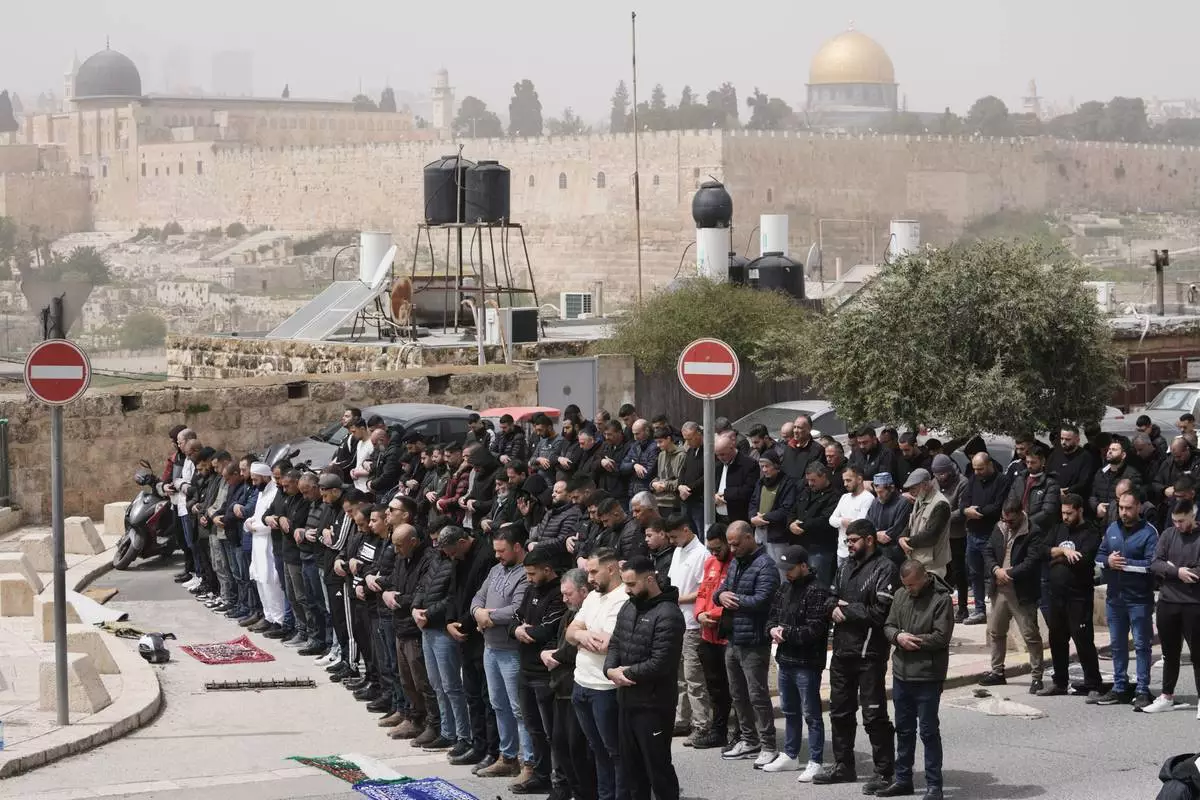
Palestinian Muslims attend Friday prayers outside Jerusalem's Old City due to restrictions linked to the Iran war, April 3, 2026. (AP Photo/Mahmoud Illean)
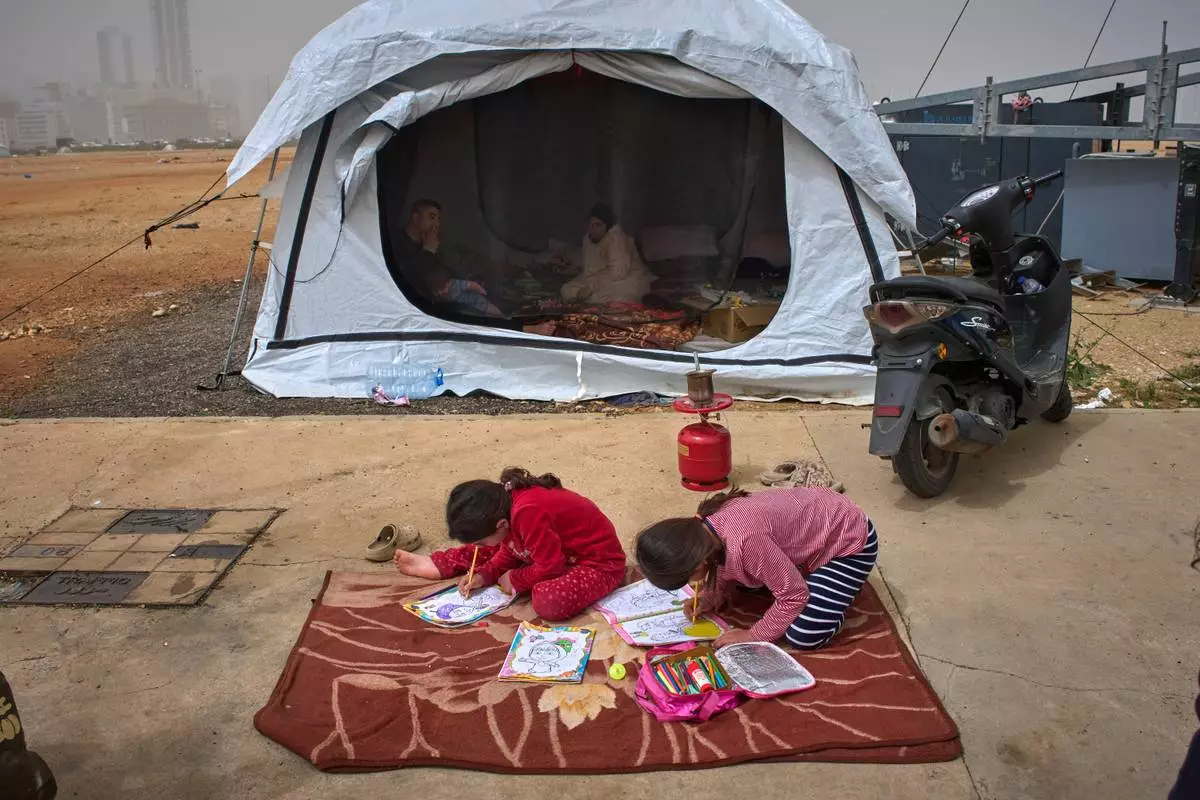
Tamara and her sister Amal color pictures on the floor as their parents, Sara and Ahmed, who fled their village of Khiyam in southern Lebanon due to Israeli bombardment, sit inside a tent used as a shelter in Beirut, Lebanon, Friday, April 3, 2026. (AP Photo/Emilio Morenatti)

Mohammad Qubaisi, 53, with burn wounds from an Israeli airstrike on southern Lebanon undergoes surgery by Dr. Mohammed Ziara, left, and his team, at the Sidon Government Hospital in Sidon, Lebanon, Thursday, April 2, 2026. (AP Photo/Emilio Morenatti)
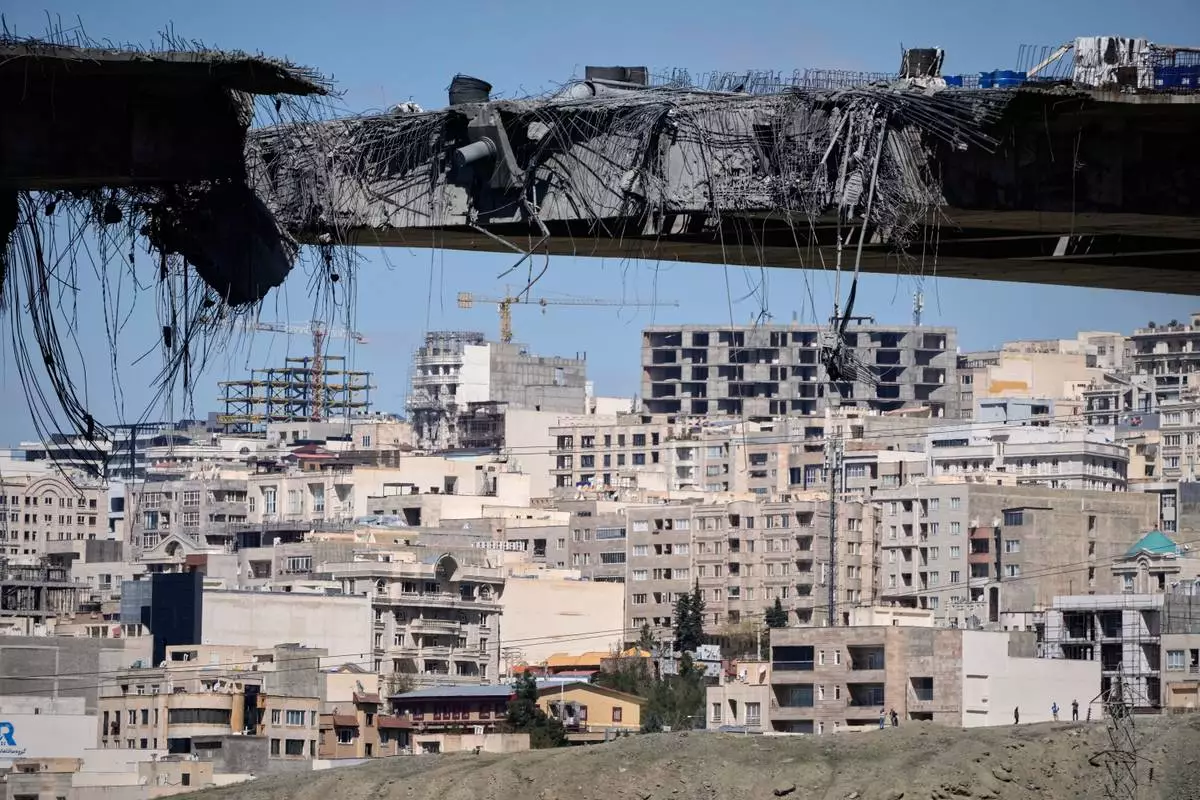
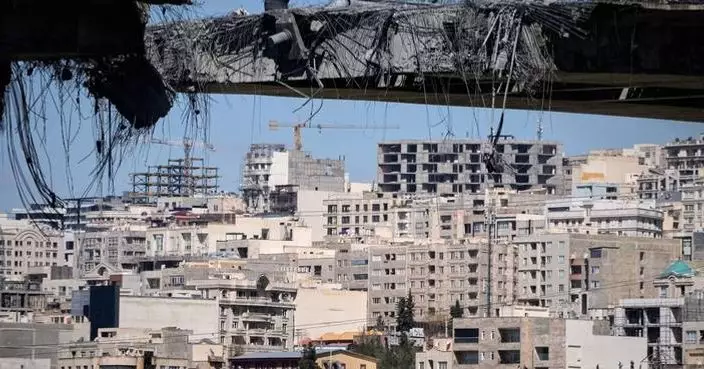
A bridge struck by U.S. airstrikes on Thursday is seen in the town of Karaj, west of Tehran, Iran, Friday, April 3, 2026. (AP Photo/Vahid Salemi)
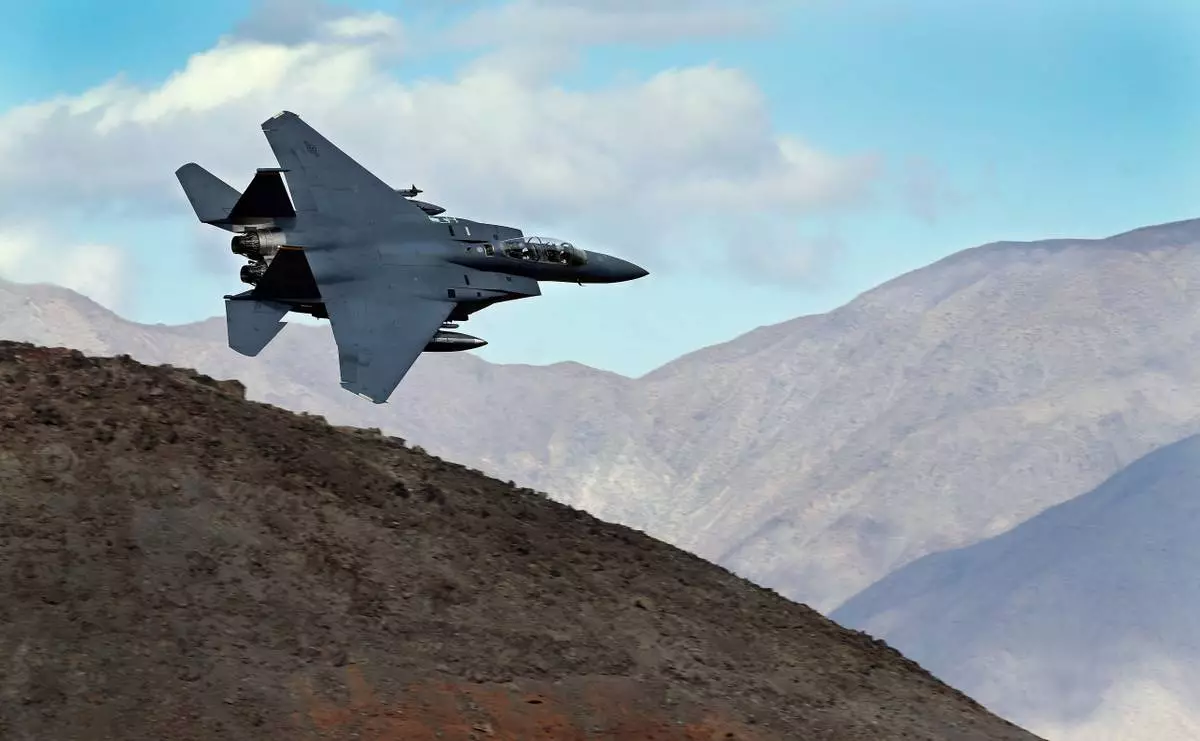
FILE - An F-15E Strike Eagle turns toward the Panamint range over Death Valley National Park, Calif., on Feb. 27, 2017. (AP Photo/Ben Margot, File)