The U.S. tariffs and logistical challenges have impacted Chilean fruit industry, threatening the businesses of growers and exporters who rely heavily on the U.S. market.
A farm in central Chile produces table grapes, citrus fruits, and peaches. It boasts a 70-hectare vineyard and sends over half of its grape harvest to the United States. Last year, the farm invested in planting Sweet Globe grapes, a variety originating in the United States and highly popular among American consumers.
These vines require two years of cultivation before yielding market-quality fruit. However, before it could bear fruit, the Trump administration imposed tariffs, leaving farm owner deeply concerned about the future. "These tariffs will definitely impact us. Profit margins for table grapes have been very thin in recent years, and this situation is pushing us to the bottom line," said Víctor Cadán, who is also the president of the National Federation of Fruit Producers of Chile.
Two hours from Chilean capital city of Santiago, at a fruit processing plant, nearly 300 employees were seen busy processing kiwis for export to North and South America.
For 29 years, this facility has provided processing and packaging services, with 35 percent of its fresh fruit shipped to the United States.
The newly imposed tariffs have been the common challenges faced by both Chilean exporters, as well as U.S. importers and retailers. "Products subject to these tariffs just arrived in the U.S. this week. Importers, supermarkets, and we are all new to this change. It is possible a large portion of the added cost will be passed on to consumers through higher retail prices. Some of the burden will also fall on exporters. If prices increase, demand will undoubtedly decrease. That's our biggest worry right now,” said Sebastián Rodríguez, the plant's commercial manager.
In 2024, Chile exported 90 percent of its citrus and 60 percent of its table grapes to the United States. Logistics have been another urgent challenges for Chilean fruit exporters as fruits cannot be held in storage. "The tariffs are impacting the final stages of the table grape export season and the beginning of the kiwi harvest. Our greatest concern is citrus fruits, particularly mandarins, almost all of them are exported to the United States. The logistics situation is also critical. We've seen one of the world's largest shipping companies announce a 30 percent drop in sea freight from some countries to the United States. Logistics are very important for us," said Iván Marambio, president of the Chilean Fruit Association.
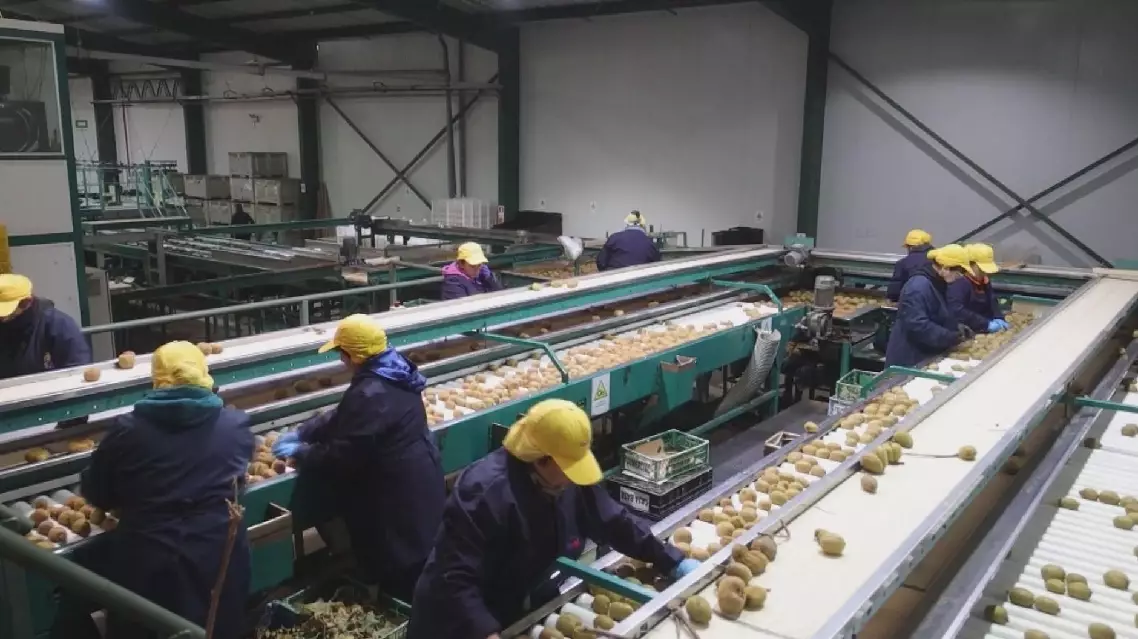
Chilean fruit industry reels from US tariffs, logistics concerns
The Iranian government is focusing on public concerns and maintaining stable supplies of essential goods amid recent protests, Iranian President Masoud Pezeshkian said in a televised interview on Sunday.
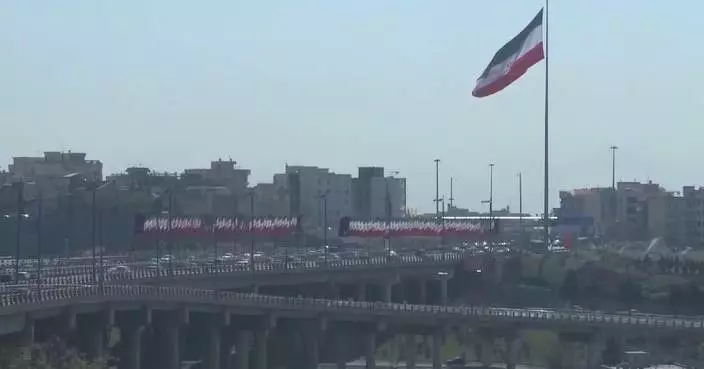
In the city of Karaj, northwest of the capital Tehran, daily life has largely continued as normal. A video filmed by a local resident on Sunday shows food stores open and grocery shelves fully stocked.
"This is the block near my home, and there are some food stores here. Daily life continues here. Last night we did not see many protests in Karaj. Right now the city is very safe. This is a grocery store close to my home. All the food is available; nothing is in shortage. Here are noodles and different types of beans. Here are dairy products, cheese, and yogurt. I also checked other grocery stores and didn't see any shortages. Everything is available," said local resident Ali Reza.
Iranian officials have described recent disturbances as acts orchestrated by the "enemy," including some carried out by well-trained and armed "terrorists." The incidents have caused casualties among security personnel and civilians, as well as property damage.
The Secretary of Iran's Supreme National Security Council Ali Larijani has directed authorities to severely punish the "terrorists."
Meanwhile, Iran's police chief Ahmad-Reza Radan said on Sunday that the police had raised alert levels and arrested several leaders of the troublemakers during the operations on Saturday.
President Pezeshkian noted in the interview that the normal demands of the Iranian people are reasonable and justified, but they must realize that triggering riots and carrying out terrorist acts are the enemy's attempts to undermine the country. He urged the public to remain vigilant.
Also on Sunday, Iranian Parliament Speaker Mohammad Baqer Qalibaf warned that Tehran would regard U.S. and Israeli bases and facilities in the Middle East as "legitimate targets" if Washington takes military action against Iran. His remarks followed media reports saying U.S. President Donald Trump is "seriously considering authorizing a strike" against Iran.
Iranian state media reported that at least 109 members of Iran's security forces have been killed in clashes since the protests began 14 days ago. Meanwhile, human rights groups based outside the country said the number of protesters killed has exceeded 200, though the figure could not be independently verified.
The protests initially erupted over a sharp depreciation of the rial and sweeping subsidy reforms. Iranian authorities have blamed the unrest on foreign-linked agents and sanctions imposed by the United States.
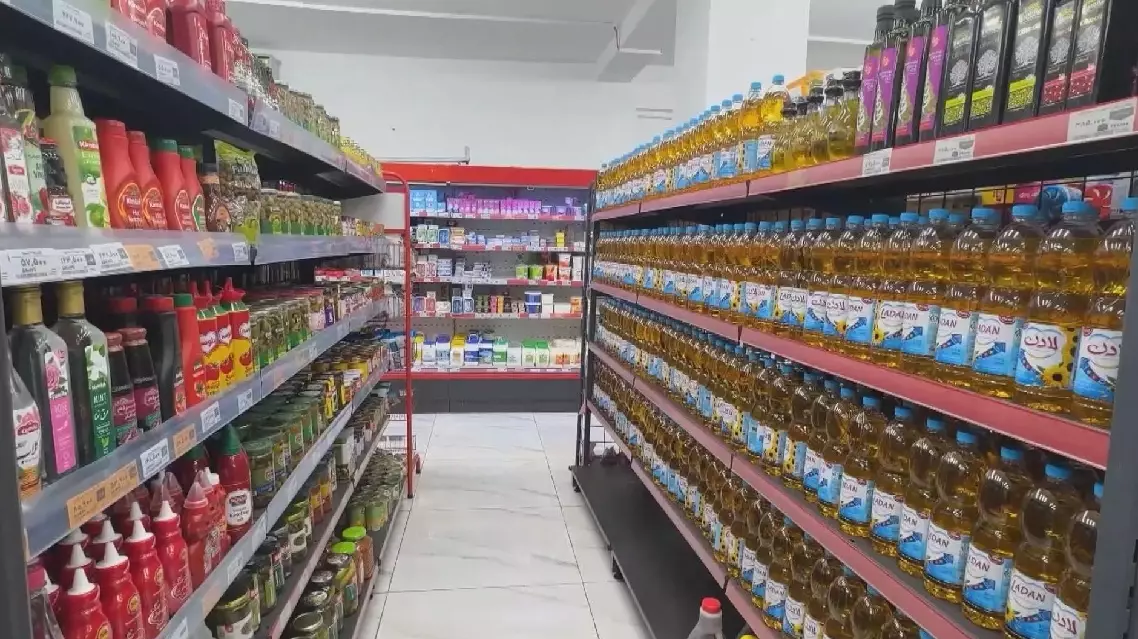
Iranian president says government focusing on ensuring supplies amid protests