China's capital market reforms will focus on supporting the development of new quality productive forces, said Chairman of China Securities Regulatory Commission (CSRC) Wu Qing on Wednesday.
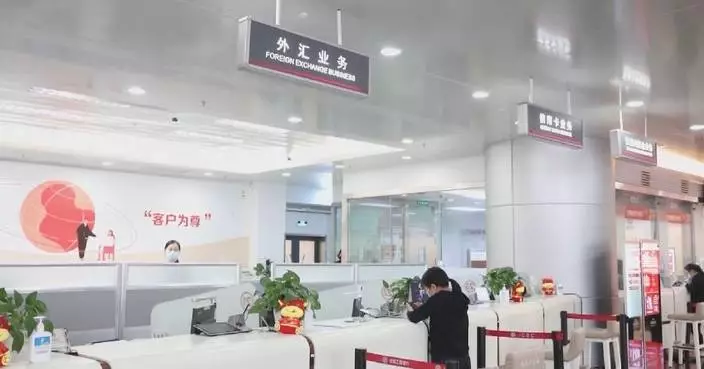
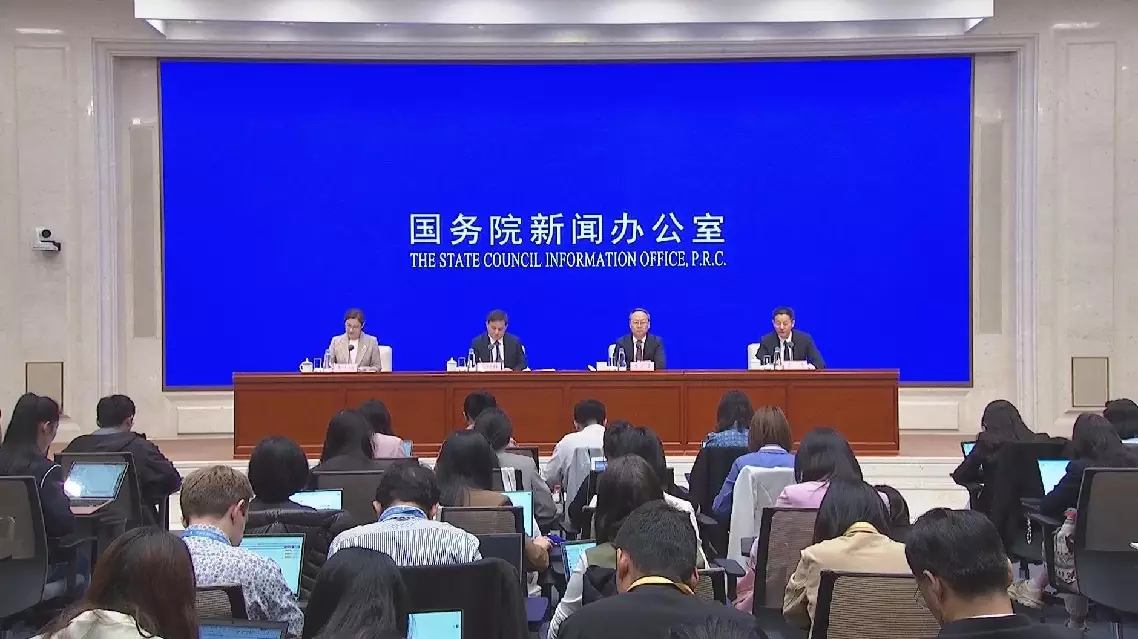
Top officials from the People's Bank of China (PBOC), the National Financial Regulatory Administration, and the CSRC introduced the details of a package of financial policies to support market stability and stabilize expectations at a press conference held in Beijing.
At the press conference, Wu emphasized that upcoming financial reforms will prioritize serving the country's push to develop new quality productive forces.
"We are closely focusing on supporting the growth of new quality productive forces. To this end, we're advancing several key initiatives. First, the new policies to deepen reforms on the Science and Technology Innovation board and ChiNext board will be introduced soon, with their release timed according to market dynamics. These reforms aim to further enhance the inclusiveness and adaptability of the system, particularly in market structure, review mechanisms, and investor protection. Efforts will be made to ensure the quick implementation of exemplary pilot projects. Second, the CSRC will accelerate the release of revised regulations on major asset restructuring for listed companies, along with updated supervisory guidelines, so as to better position the capital market as the main channel for mergers and acquisitions. Third, the commission will promote the development of sci-tech innovation bonds by streamlining issuance and registration procedures and improving credit enhancement mechanisms. This will provide comprehensive and continuous financial services to enterprises driven by science and technology," said Wu.
China unveils reforms to support development of new quality productive forces
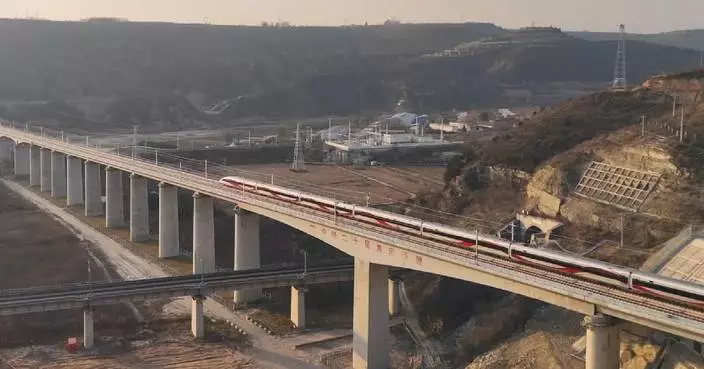
The Urumqi–Yuli Expressway, which traverses the Tianshan Mountains in northwest China's Xinjiang Uygur Autonomous Region, opened to traffic on Friday after more than five years of construction, significantly enhancing regional connectivity and enabling faster, more efficient movement of goods and services across the region.
The expressway is a core component of the G0711 national highway network, spanning 324.7 kilometers.
Stretching 2,500 kilometers, the Tianshan Mountains span central Xinjiang, separating Urumqi, the largest city in the north, from Korla, the largest city in the south. With the opening of the expressway, travel time between these two cities is reduced from seven hours to about three hours.
As a key component of the expressway and the world's longest expressway tunnel, the 22.13-km Tianshan Shengli Tunnel officially opened to traffic on the same day.
The tunnel's construction incorporated multiple cutting-edge technologies and innovations, including advanced survey and design methods for ultra-long tunnels and intelligent construction techniques.
"We have established a relatively systematic, comprehensive, and highly efficient management system for major engineering technological innovation across the entire expressway, and have accumulated extensive construction and management experience in delivering mega-projects under extreme environmental conditions," said Song Hailiang, chairman of the China Communications Construction Group.
The expressway connects Urumqi with the northern city belt and the southern urban clusters of Xinjiang, linking the Junggar Basin and the Tarim Basin. It enables rapid transportation between Urumqi, Kashgar, and Khorgos, strengthening Xinjiang’s role as a strategic hub for both the domestic market and international trade.
"With the expressway now operational, business opportunities are flowing in, and many inland companies are coming to sign agreements with us," said Yu Ruihong, chairwoman and general manager of the Xinjiang Ruiyuan Dairy.
"The Urumqi–Yuli Expressway significantly improves Xinjiang's connectivity with the eastern coastal regions and the New International Land–Sea Corridor, supporting the development of a modern, comprehensive, three-dimensional transportation network and high-quality Belt and Road cooperation," said Zhou Rongfeng, director general of the Highway Bureau of the Ministry of Transport.

Urumqi-Yuli Expressway boosts Xinjiang's trade connectivity, strengthens regional integration