Skip to Content Facebook Feature Image

'Hands tied': Athletes left in dark as NCAA settlement leaves murky future for nonrevenue sports

Sport

'Hands tied': Athletes left in dark as NCAA settlement leaves murky future for nonrevenue sports
Sport

Sport

'Hands tied': Athletes left in dark as NCAA settlement leaves murky future for nonrevenue sports

2025-05-08 10:27 Last Updated At:10:30

The $2.8 billion NCAA settlement awaiting final approval from a federal judge is touted as a solution for thousands of athletes to finally get the money they deserve and provide some clarity to recruiting. For some, it may have come too late.

Sophomore distance runner Jake Rimmel says he was one of five walk-ons cut from Virginia Tech’s cross country team after Thanksgiving break. Rimmel decided to take a leave of absence and train independently while considering his next move — something that’s proven easier said than done.

“Everyone’s got their hands tied right now, so there’s just not many opportunities for me,” Rimmel told The Associated Press. “I’ve just been having to bet on myself and trust the process. It’s just been lonely. I’ve been at home training by myself and living with my family again. Thank God for my family and all, I appreciate them. It’s still kind of lonely though, being out of the norm, not being at school and with my friends."

Pending approval, the so-called House settlement will allow schools to share revenue with athletes directly for use of their name, image and likeness (NIL). That could secure generational wealth for some but not others, and replacing scholarship caps with roster limitations is expected to leave walk-ons, partial scholarship earners, nonrevenue sport athletes and high school recruits at risk. There are deep concerns about the potential impact on sports that feed the U.S. Olympic teams.

U.S. District Judge Claudia Wilken told attorneys handling the settlement to come back to her with a plan soon to protect athletes currently or recently on rosters at schools across the country, a request seen as a way to soften the blow.

That filing came late Wednesday, with attorneys saying schools must offer athletes who lost their spots a chance to play — at their old school or their new school — without counting against the roster limits for as long as they have eligibility.

There is no guarantee those athletes will win a spot on the roster and, for now, thousands of athletes like Rimmel have no idea where they might be this fall or are in jeopardy of no longer playing college sports at all. And many athletes balancing school and their sport are unaware of what’s at stake and have more questions than answers.

Belmont track and field athlete Sabrina Oostburg said everything she knows about the settlement is from personal research.

“My school doesn’t do a lot of education around it (the settlement). Every now and then, we’ll be told, ‘Hey, if you want to sign up to potentially get some money from this House settlement that’s happening, you can do that,’” Oostburg said. “It’s almost like the education we’re being given is optional to consume, even though it’s limited.”

Oostburg is used to taking matters into her own hands, securing over 50 NIL deals by herself. She has contacted lawyers and asked for updates on the settlement, but she’s not quite reassured. The chaotic nature of college athletics, so obvious to the public, is even worse for the athletes themselves.

“Being a college athlete, it’s so hard to stay up to date with what’s happening every day because it’s so constantly changing,” she said.

Smaller, nonrevenue-generating programs don’t often have a point person to navigate NIL deals or educate athletes. At Belmont, Oostburg said, NIL-related responsibilities are managed by an already busy compliance office.

“To take time to learn about what’s happening is just so time-consuming, especially if you’re not in that one percent or one of the football players where they have people dedicated to helping them stay up to date,” she said.

Over the next six weeks, athletes will wrap up their spring semesters and many of them have league tournaments or even NCAA championship competition ahead before what many expect will be the final summer before college sports sees some of the most dramatic changes in history.

For athletes like Rimmel, those changes are already here. On the bright side, his name was among those on an eight-page list of “designated student-athletes” released in Wednesday's court filing, meaning he is one of many who will be able to seek a roster spot without counting against a school's roster limit.

Some of the others cut from the Virginia Tech program have given up on their dreams of collegiate running altogether. Rimmel hasn't given up completely; he spoke with his former coach recently, who said the Hokies' athletics department is still trying to figure out what’s to come.

“I’m still kind of hoping I might be able to find my way back there next fall," he said.

AP college sports: https://apnews.com/hub/college-sports
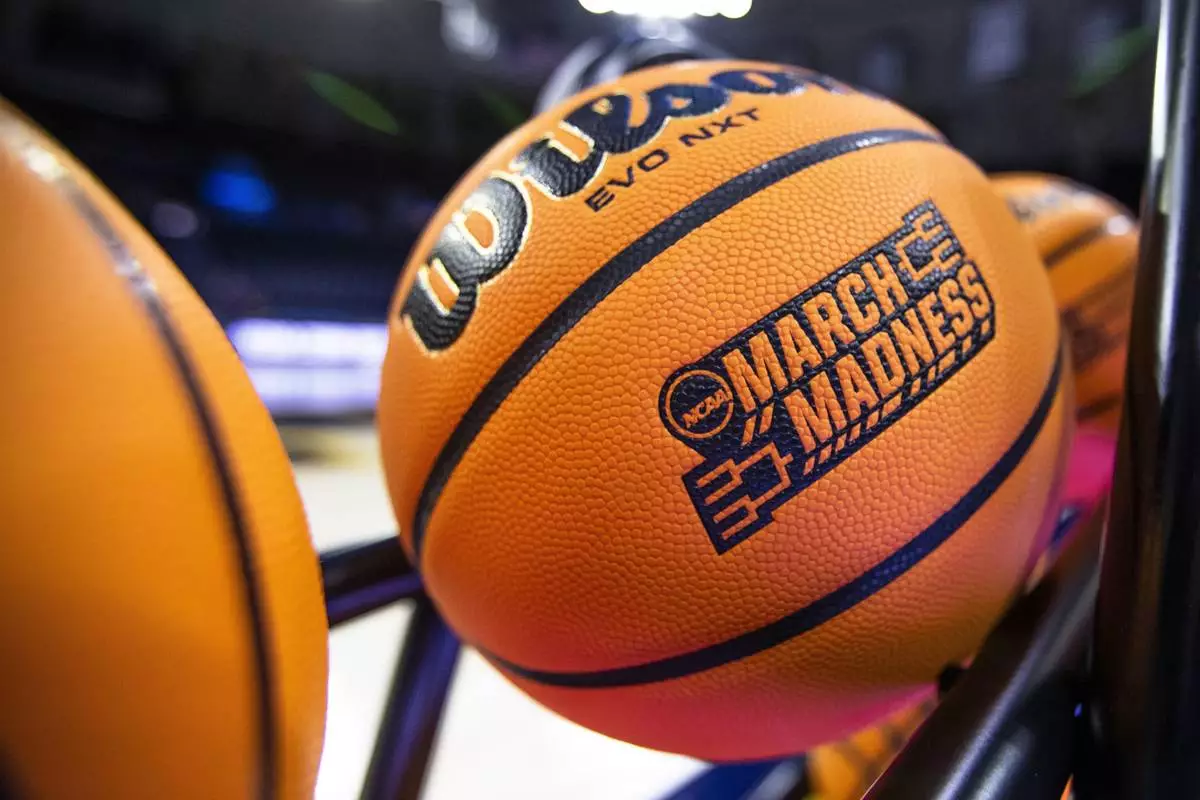
FILE - A basketball with a March Madness logo rests on a rack before a First Four game between Illinois and Mississippi State in the NCAA women's basketball tournament, March 15, 2023, in South Bend, Ind. (AP Photo/Michael Caterina, File)
FILE - A basketball with a March Madness logo rests on a rack before a First Four game between Illinois and Mississippi State in the NCAA women's basketball tournament, March 15, 2023, in South Bend, Ind. (AP Photo/Michael Caterina, File)

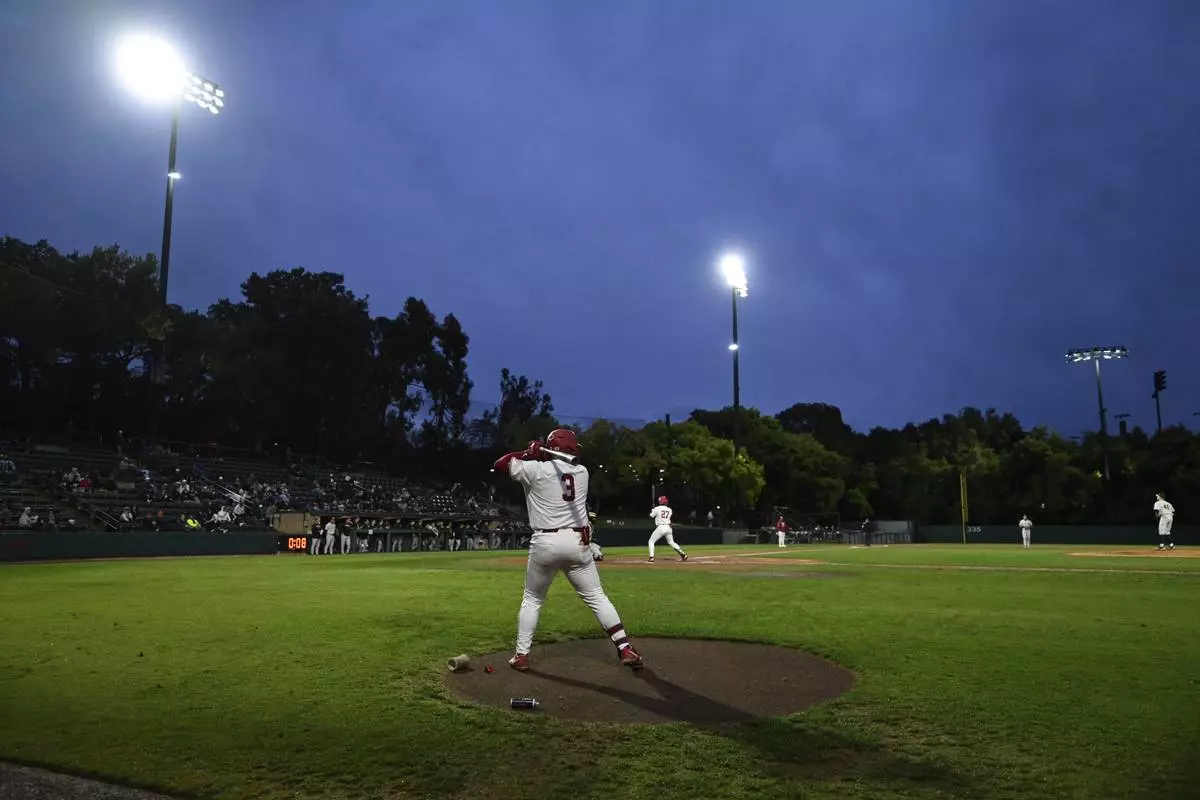
Stanford's Rintaro Sasaki (3) waits to bat against Wake Forest during the fifth inning of an NCAA college baseball game Friday, April 25, 2025, in Stanford, Calif. (AP Photo/Eakin Howard)
Stanford's Rintaro Sasaki (3) waits to bat against Wake Forest during the fifth inning of an NCAA college baseball game Friday, April 25, 2025, in Stanford, Calif. (AP Photo/Eakin Howard)
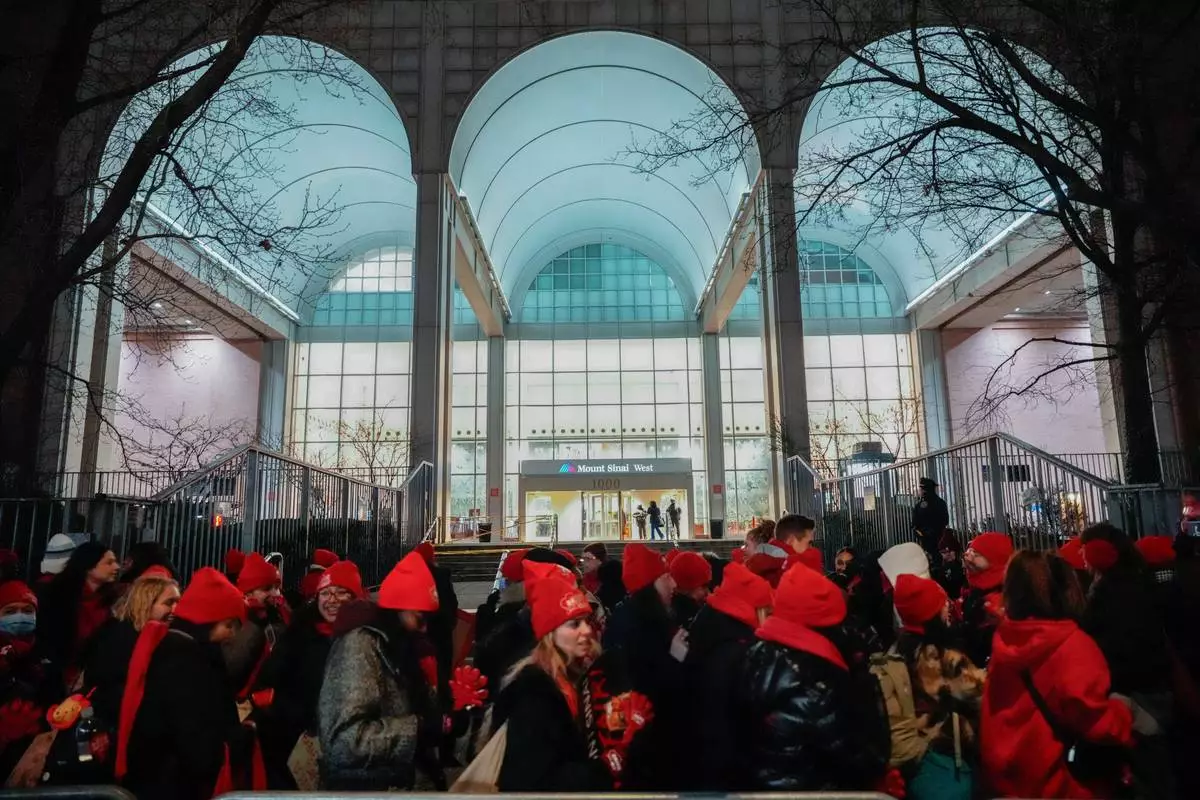
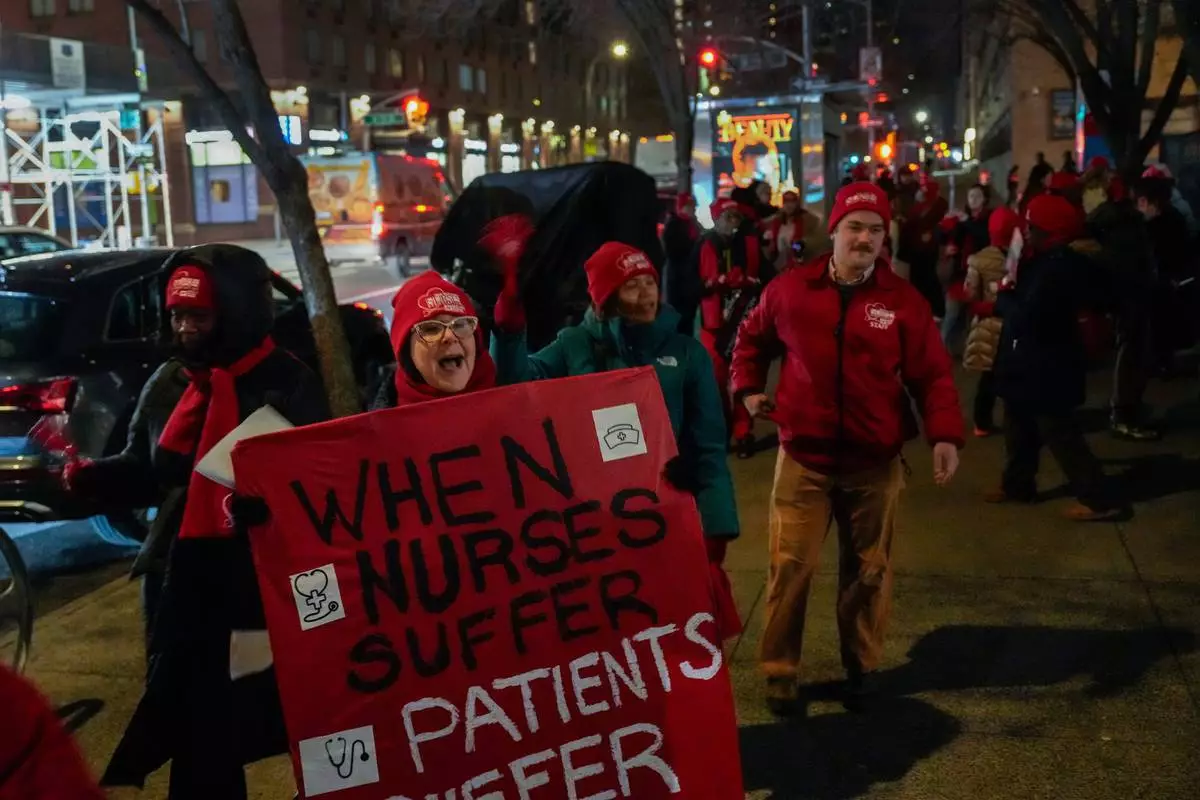
NEW YORK (AP) — Thousands of nurses in three hospital systems in New York City went on strike Monday after negotiations through the weekend failed to yield breakthroughs in their contract disputes.

The strike was taking place at The Mount Sinai Hospital and two of its satellite campuses, with picket lines forming. The other affected hospitals are NewYork-Presbyterian and Montefiore Medical Center in the Bronx.

About 15,000 nurses are involved in the strike, according to New York State Nurses Association.

“After months of bargaining, management refused to make meaningful progress on core issues that nurses have been fighting for: safe staffing for patients, healthcare benefits for nurses, and workplace violence protections,” the union said in a statement issued Monday. “Management at the richest hospitals in New York City are threatening to discontinue or radically cut nurses’ health benefits.”

The strike, which comes during a severe flu season, could potentially force the hospitals to transfer patients, cancel procedures or divert ambulances. It could also put a strain on city hospitals not involved in the contract dispute, as patients avoid the medical centers hit by the strike.

The hospitals involved have been hiring temporary nurses to try and fill the labor gap during the walkout, and said in a statement during negotiations that they would “do whatever is necessary to minimize disruptions.” Montefiore posted a message assuring patients that appointments would be kept.

“NYSNA’s leaders continue to double down on their $3.6 billion in reckless demands, including nearly 40% wage increases, and their troubling proposals like demanding that a nurse not be terminated if found to be compromised by drugs or alcohol while on the job," Montefiore spokesperson Joe Solmonese said Monday after the strike had started. "We remain resolute in our commitment to providing safe and seamless care, regardless of how long the strike may last.”

New York-Presbyterian accused the union of staging a strike to “create disruption,” but said in a statement that it has taken steps to ensure patients receive the care they need.

"We’re ready to keep negotiating a fair and reasonable contract that reflects our respect for our nurses and the critical role they play, and also recognizes the challenging realities of today’s healthcare environment,” the statement said.

The work stoppage is occurring at multiple hospitals simultaneously, but each medical center is negotiating with the union independently. Several other hospitals across the city and in its suburbs reached deals in recent days to avert a possible strike.

The nurses’ demands vary by hospital, but the major issues include staffing levels and workplace safety. The union says hospitals have given nurses unmanageable workloads.

Nurses also want better security measures in the workplace, citing incidents like a an incident last week, when a man with a sharp object barricaded himself in a Brooklyn hospital room and was then killed by police.

The union also wants limitations on hospitals’ use of artificial intelligence.

The nonprofit hospitals involved in the negotiations say they’ve been working to improve staffing levels, but say the union’s demands overall are too costly.

Nurses voted to authorize the strike last month.

Both New York Gov. Kathy Hochul and Mayor Zohran Mamdani had expressed concern about the possibility of the strike. As the strike deadline neared, Mamdani urged both sides to keep negotiating and reach a deal that “both honors our nurses and keeps our hospitals open.”

“Our nurses kept this city alive through its hardest moments. Their value is not negotiable,” Mamdani said.

State Attorney General Letitia James voiced similar support, saying "nurses put their lives on the line every day to keep New Yorkers healthy. They should never be forced to choose between their own safety, their patients’ well-being, and a fair contract.”

The last major nursing strike in the city was only three years ago, in 2023. That work stoppage, at Mount Sinai and Montefiore, was short, lasting three days. It resulted in a deal raising pay 19% over three years at those hospitals.

It also led to promised staffing improvements, though the union and hospitals now disagree about how much progress has been made, or whether the hospitals are retreating from staffing guarantees.

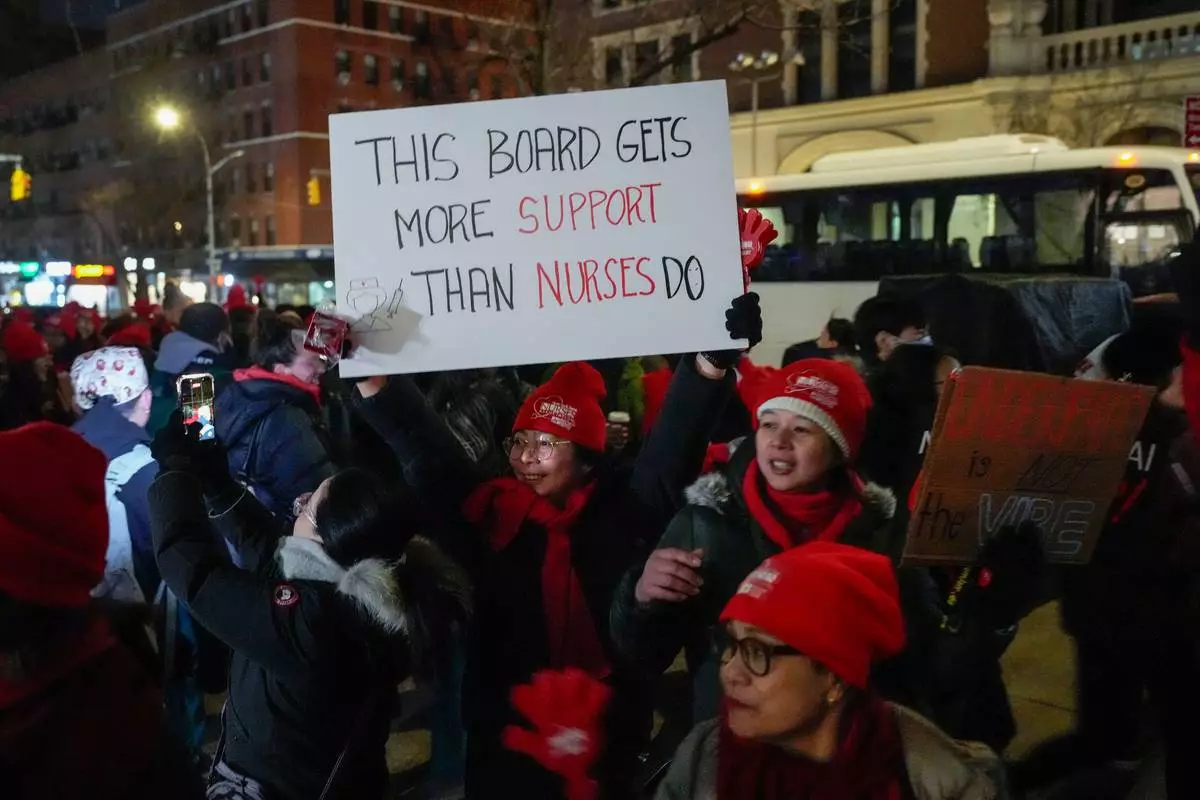
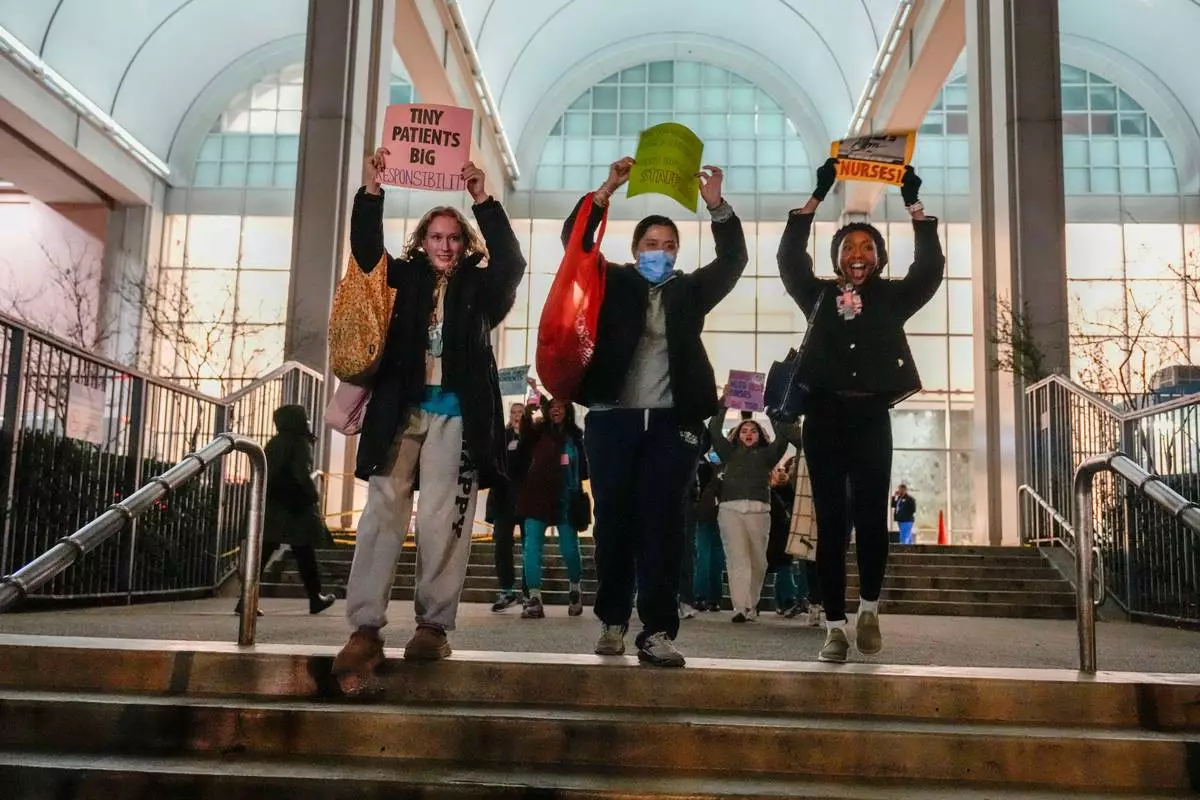
Nurses strike outside Mount Sinai West Hospital, Monday, Jan. 12, 2026, in New York. (AP Photo/Yuki Iwamura)

Nurses strike outside Mount Sinai West Hospital, Monday, Jan. 12, 2026, in New York. (AP Photo/Yuki Iwamura)

Nurses strike outside Mount Sinai West Hospital, Monday, Jan. 12, 2026, in New York. (AP Photo/Yuki Iwamura)

Nurses strike outside Mount Sinai West Hospital, Monday, Jan. 12, 2026, in New York. (AP Photo/Yuki Iwamura)

Nurses strike outside Mount Sinai West Hospital, Monday, Jan. 12, 2026, in New York. (AP Photo/Yuki Iwamura)

Nurses strike outside Mount Sinai West Hospital, Monday, Jan. 12, 2026, in New York. (AP Photo/Yuki Iwamura)

Nurses strike outside Mount Sinai West Hospital, Monday, Jan. 12, 2026, in New York. (AP Photo/Yuki Iwamura)

Nurses strike outside Mount Sinai West Hospital, Monday, Jan. 12, 2026, in New York. (AP Photo/Yuki Iwamura)

FILE - A medical worker transports a patient at Mount Sinai Hospital, April 1, 2020, in New York. (AP Photo/Mary Altaffer, File)

FILE - A medical worker transports a patient at Mount Sinai Hospital, April 1, 2020, in New York. (AP Photo/Mary Altaffer, File)

Recommended Articles