NEW YORK (AP) — Days into Harvey Weinstein 's first sexual assault trial in 2020, prosecutors privately spoke for the first time with a former model who alleged that he had forced oral sex on her.
But that jury was never told about Kaja (KEYE’-ah) Sokola's claim. Prosecutors have said they still were investigating the allegation when Weinstein, a onetime movie tycoon-turned- #MeToo pariah, was convicted in February 2020 of charges based on other women's accusations.
Click to Gallery
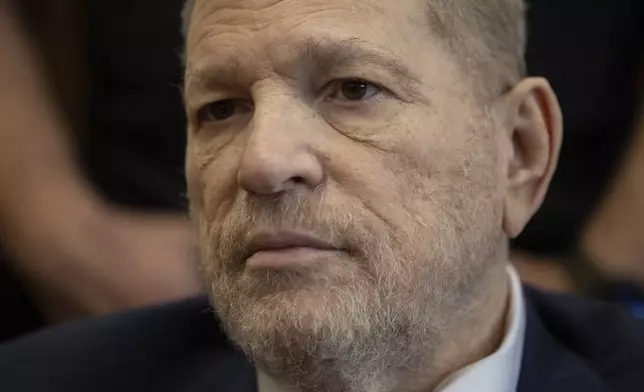
Harvey Weinstein appears in state court in Manhattan for his retrial on Wednesday, May 7, 2025 in New York. (Yuki Iwamura/Pool Photo via AP)

FILE - Kaja Sokola attends the premiere of "She Said" as part of AFI Fest in Los Angeles, Nov. 4, 2022. (Photo by Richard Shotwell/Invision/AP file)
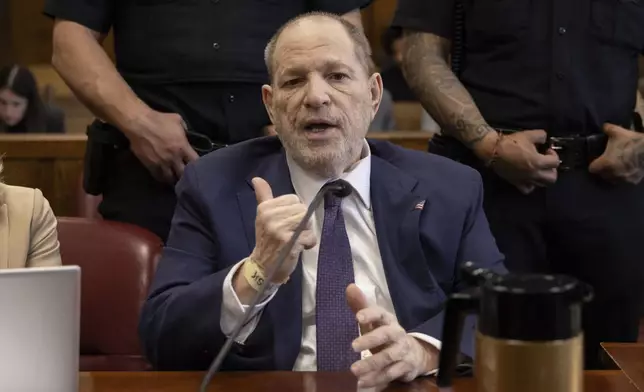
Harvey Weinstein appears in state court in Manhattan for his retrial on Wednesday, May 7, 2025 in New York. (Yuki Iwamura/Pool Photo via AP)
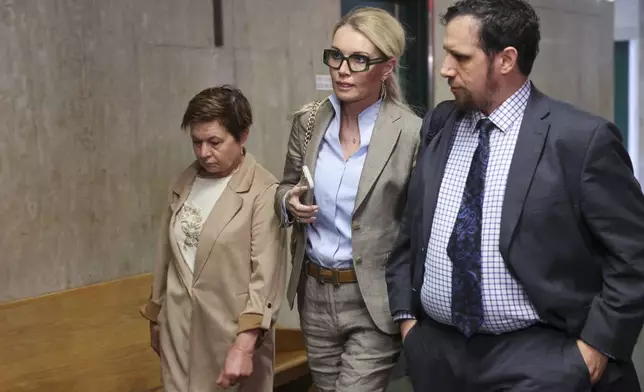
Ewa Sokola arrives in state court in Manhattan for Harvey Weinstein's retrial on Wednesday, May 7, 2025 in New York. (Spencer Platt/Pool Photo via AP)
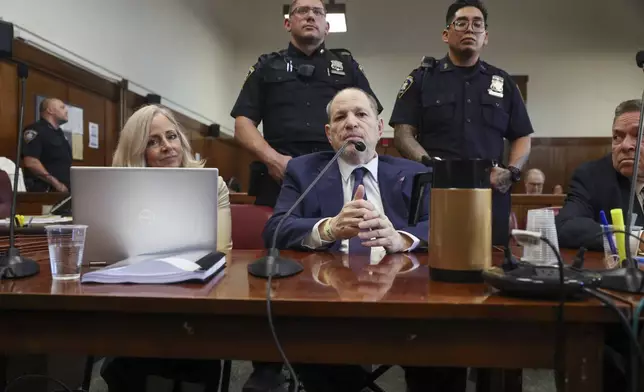
Harvey Weinstein appears in state court in Manhattan for his retrial on Wednesday, May 7, 2025 in New York. (Spencer Platt/Pool Photo via AP)

FILE - Kaja Sokola attends the premiere of "She Said" as part of AFI Fest in Los Angeles, Nov. 4, 2022. (Photo by Richard Shotwell/Invision/AP File)
On Wednesday, Sokola began to tell a new jury her story.
Sokola didn't look at Weinstein as she walked past him and onto the witness stand in a Manhattan courtroom where he's on trial again. An appeals court overturned his 2020 rape and sexual assault conviction, sending those charges back for retrial, and prosecutors subsequently added another sexual assault charge based on Sokola's allegations.
As she began testifying about her life before the alleged 2006 assault, Weinstein looked toward her, with his right hand across his mouth.
Weinstein, 73, has pleaded not guilty to all the charges. His lawyers contend that his accusers consented to sexual encounters with him in hopes of getting movie and TV opportunities, and the defense has emphasized that the women stayed in contact with him for a while after the alleged assaults.
The women, meanwhile, say the Oscar-winning producer used the prospect of show business work to prey on them.
The Polish-born Sokola, 39, is a psychotherapist and author and said she recently launched a film production company.
She sued Weinstein after industry whispers about his behavior toward women became a chorus of public accusations in 2017, fueling the #MeToo movement against sexual misconduct. Prosecutors have said Sokola eventually received $3.5 million in compensation.
Sokola testified that she was never interested in modeling — but rather in acting and writing — but her mother and sister decided she should enter a Polish modeling contest at age 14. She won a contract with a modeling agency and was soon juggling middle school with photo shoots.
The next two years “were a very fast growing-up lesson,” she said. By 2002, she was 16 and in New York to make the modeling rounds, without any of relatives on hand.
Sokola, who's expected to continue testifying Thursday, hasn't been asked yet about Weinstein. Prosecutors have said she was introduced to him while on that 2002 modeling trip to New York.
In her lawsuits, Sokola said that shortly after she met Weinstein, he invited her to lunch to discuss her career but then sexually assaulted her. The lawsuits alleged he sexually harassed and emotionally abused her for years afterward.
The criminal charge stems from one instance when Sokola maintains that Weinstein forcibly performed oral sex on her in a Manhattan hotel in May 2006.
Prosecutors have said it happened after Weinstein arranged for Sokola to be an extra in the film “The Nanny Diaries” and met her visiting older sister, whom she was trying to impress.
“She was proud of knowing him,” her sister, cardiologist Dr. Ewa (pronounced EH’-vah) Sokola, told jurors Wednesday.
She said the three of them met in a hotel lobby, chatted about Italian movies and the heavyset Weinstein's heart health, and then he and the model left the table together.
Kaja Sokola was tense when she returned about a half-hour later — “like somebody waiting for the result of an exam” or the Oscars — but didn't say anything about the alleged sexual assault, Dr. Sokola told jurors.
She said she was shocked to learn about the claim over a decade later, when she read about it in a magazine article.
Weinstein's lawyers will get a chance to question Kaja Sokola in the coming days. In an opening statement last month, defense attorney Arthur Aidala questioned why she waited years to come forward. Prosecutors have argued that accusers were reluctant to speak up because of Weinstein's wealth and influence.
Prosecutors have said they began investigating Sokola's claims after her attorneys called on the eve of Weinstein's first trial. But prosecutors set the inquiry aside after he was convicted and the coronavirus pandemic loomed.
They revived the Sokola investigation after New York's highest court reversed Weinstein's conviction.
Weinstein's lawyers fought unsuccessfully to keep Sokola's allegation out of the retrial. They accused prosecutors of “smuggling an additional charge into the case" to try to bolster other accusers' credibility.
One of the others, Miriam Haley, testified last week that Weinstein forced oral sex on her in 2006. The third accuser in the case, Jessica Mann, is expected to testify later.
The Associated Press generally does not name sexual assault accusers without their permission, which Haley, Mann and Sokola have given.
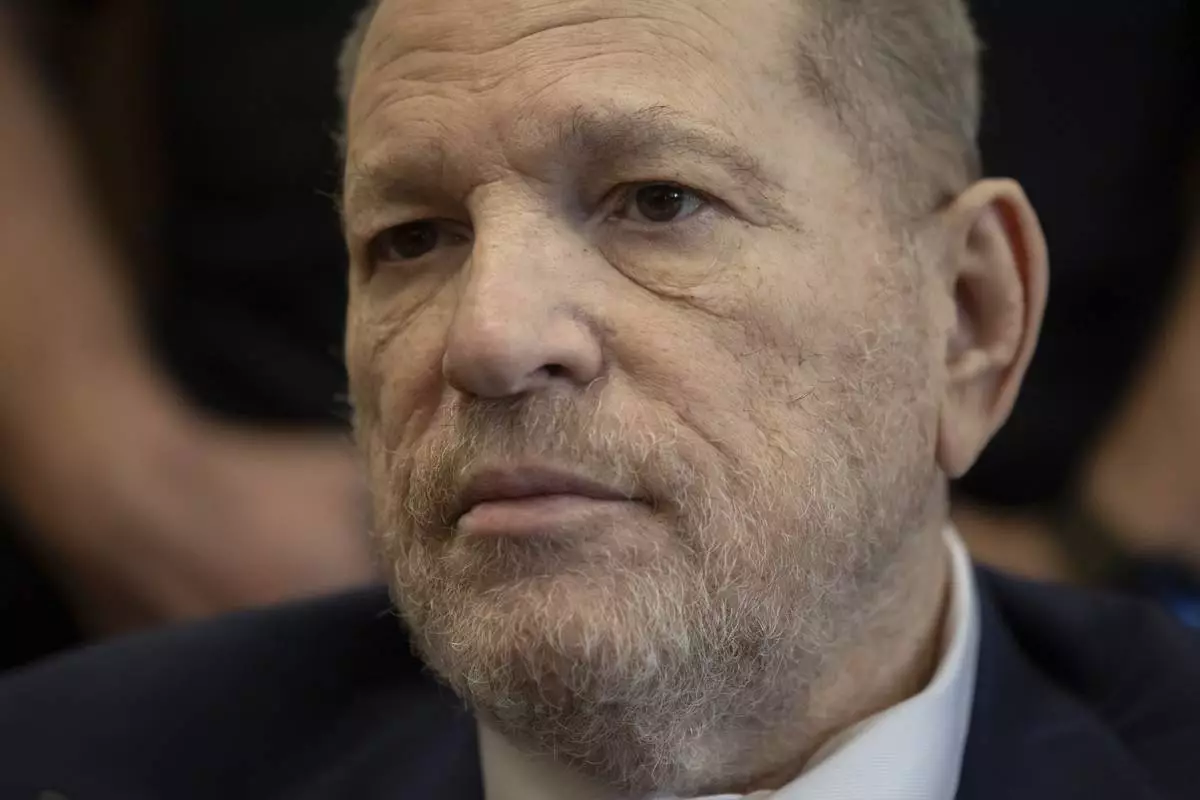
Harvey Weinstein appears in state court in Manhattan for his retrial on Wednesday, May 7, 2025 in New York. (Yuki Iwamura/Pool Photo via AP)

FILE - Kaja Sokola attends the premiere of "She Said" as part of AFI Fest in Los Angeles, Nov. 4, 2022. (Photo by Richard Shotwell/Invision/AP file)
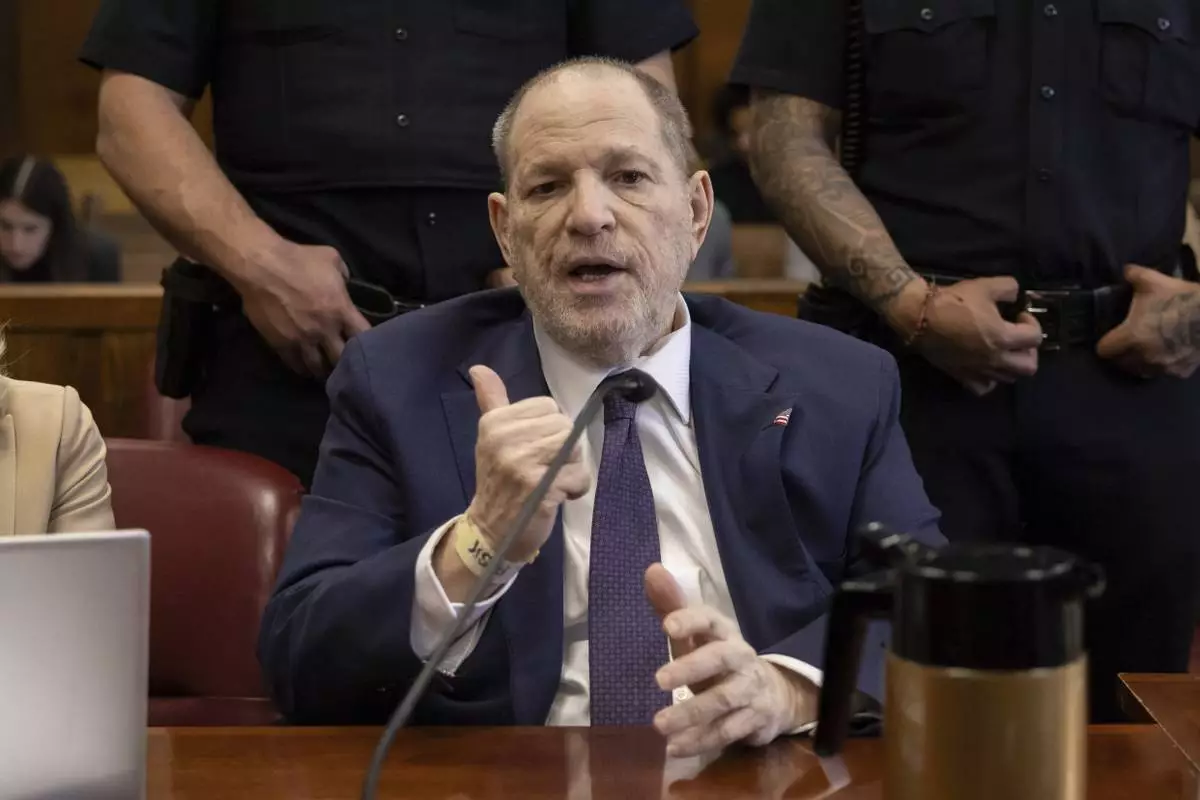
Harvey Weinstein appears in state court in Manhattan for his retrial on Wednesday, May 7, 2025 in New York. (Yuki Iwamura/Pool Photo via AP)
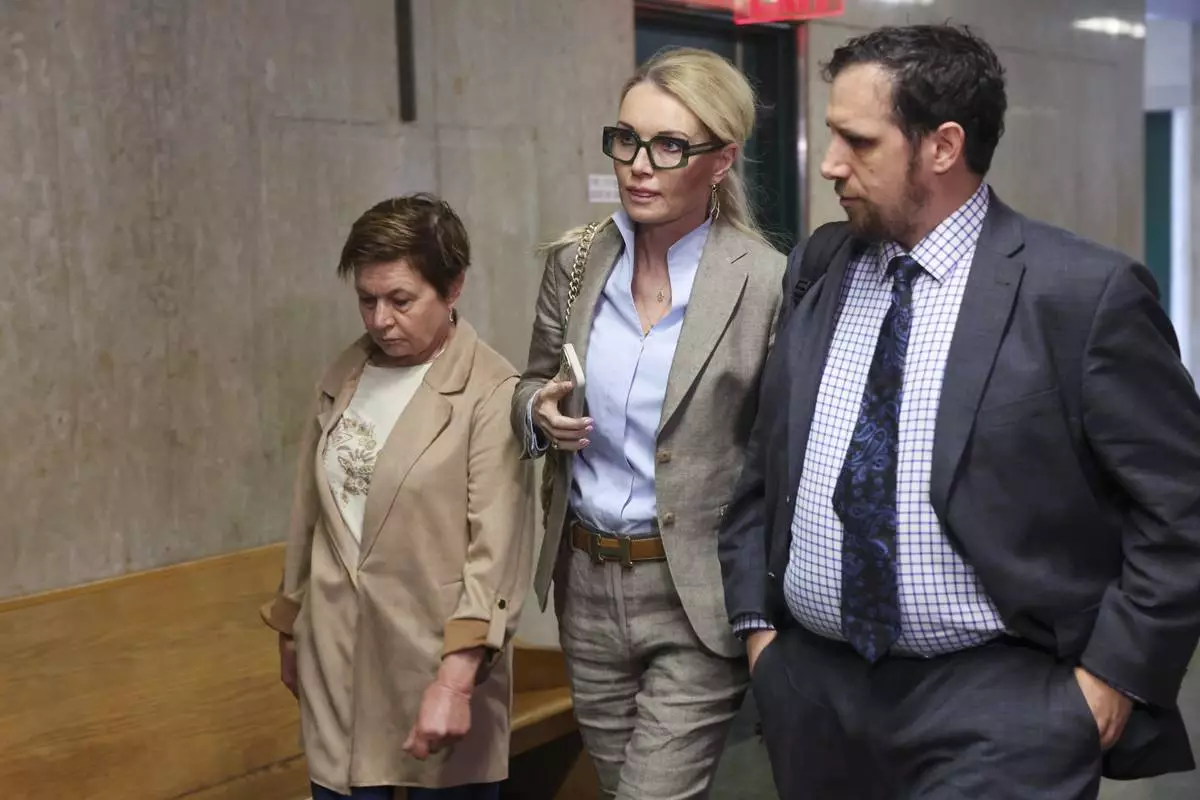
Ewa Sokola arrives in state court in Manhattan for Harvey Weinstein's retrial on Wednesday, May 7, 2025 in New York. (Spencer Platt/Pool Photo via AP)
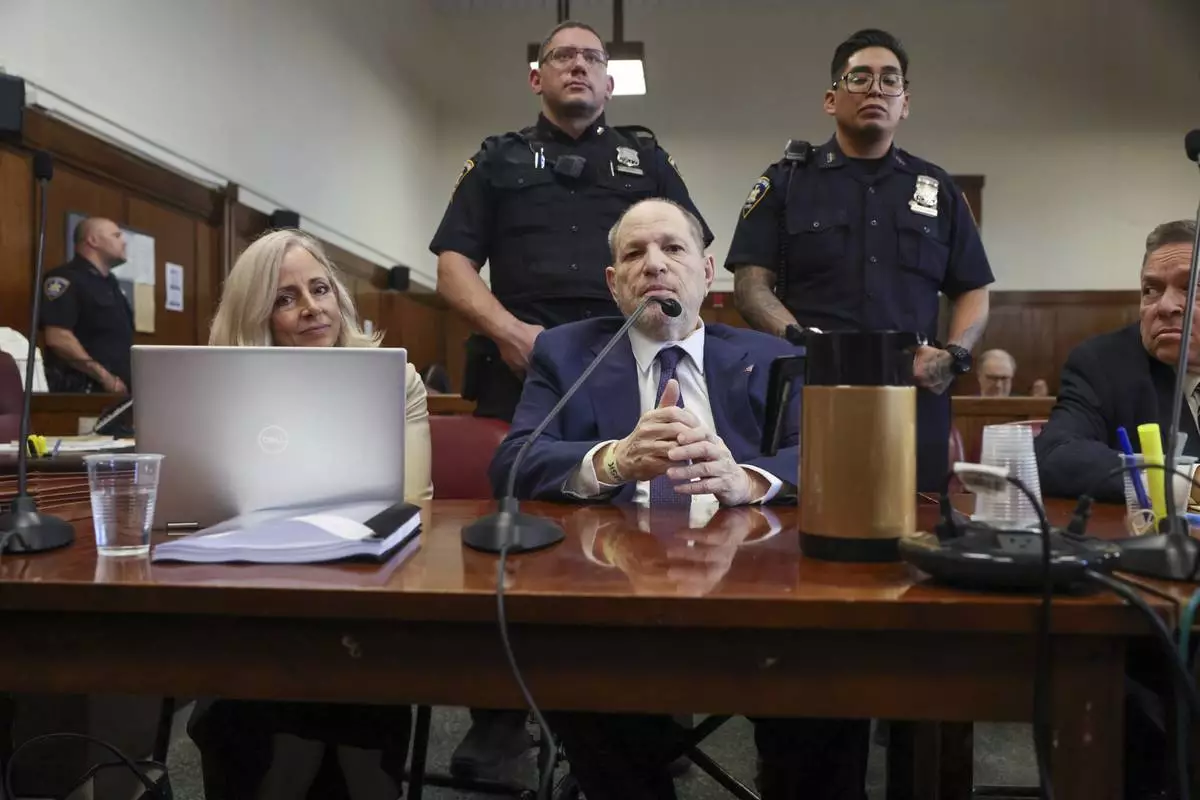
Harvey Weinstein appears in state court in Manhattan for his retrial on Wednesday, May 7, 2025 in New York. (Spencer Platt/Pool Photo via AP)

FILE - Kaja Sokola attends the premiere of "She Said" as part of AFI Fest in Los Angeles, Nov. 4, 2022. (Photo by Richard Shotwell/Invision/AP File)