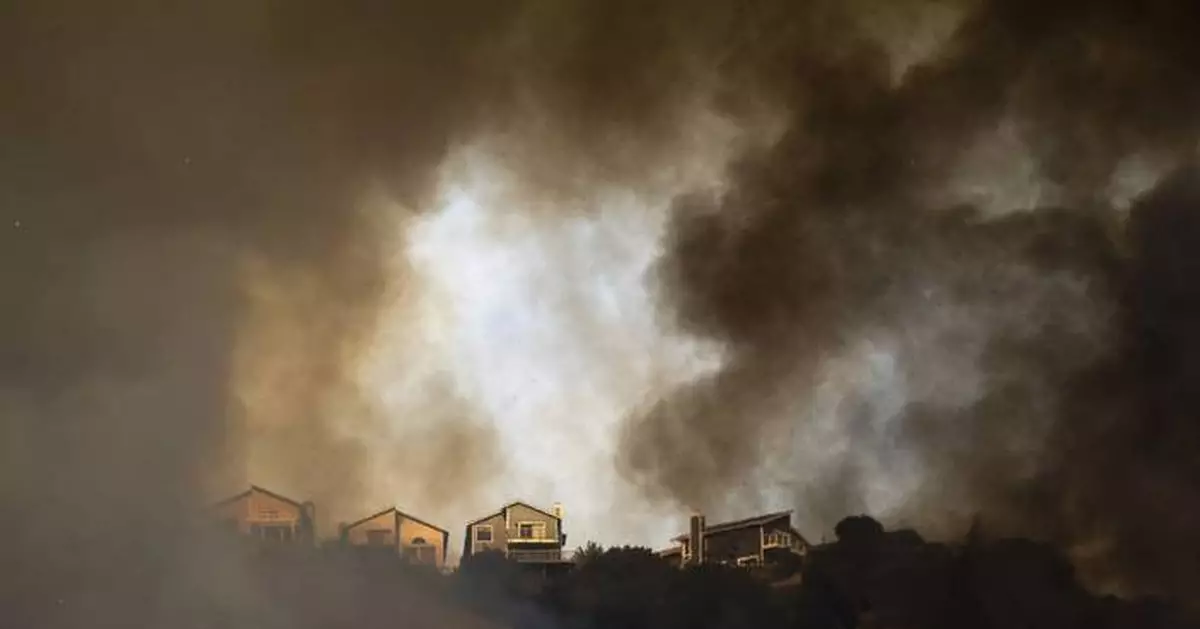
Wildfires driven by climate change contribute to as many as thousands of annual deaths and billions of dollars in economic costs from wildfire smoke in the United States, according to a new study.
The paper, published Friday in the journal Nature Communications Earth & Environment, found that from 2006 to 2020, climate change contributed to about 15,000 deaths from exposure to small particulate matter from wildfires and cost about $160 billion. The annual range of deaths was 130 to 5,100, the study showed, with the highest in states such as Oregon and California.
“We’re seeing a lot more of these wildfire smoke events,” said Nicholas Nassikas, a study author and a physician and professor of medicine at Harvard Medical School. So he and multidisciplinary team of researchers wanted to know: "What does it really mean in a changing environment for things like mortality, which is kind of the worst possible health outcome?”
Lisa Thompson, a professor at Emory University who studies air pollution and climate change and was not involved in the paper, said it is one of the first studies she has seen to isolate the effect of climate change on mortality. Looking at the impacts across time and space also made it unique, she said.
The paper's researchers focused on deaths linked to exposure to fine particulate matter, or PM2.5 — the main concern from wildfire smoke.
These particles can lodge deep into lungs and trigger coughing and itchy eyes with short-term exposure. But longer term they can make existing health problems worse and lead to a range of chronic and deadly health issues. Children, pregnant people, the elderly and outdoor workers are among the most vulnerable. The Health Effects Institute estimated the pollutant caused 4 million deaths worldwide.
Evidence is emerging that PM2.5 from wildfire smoke is more toxic than other pollution sources. When wildfires encroach into cities, burning cars and other toxics-containing materials, it adds to the danger.
Numerous studies have tied human-caused climate change — caused by the burning of coal, oil and gas — to a growth in fires in North America. Global warming is increasing drought, especially in the West, and other extreme weather. Drier conditions suck moisture from plants, which act as fuel for fires. When drier vegetation and seasons are mixed with hotter temperatures, that increases the frequency, extent and severity of wildfires and the smoke they spew.
Jacob Bendix, professor emeritus of geography and environment at Syracuse University, said he was “dismayed” by the findings but not surprised.
“(T) hese numbers are really significant. I think there’s a tendency for people outside of the areas actually burning to see increasing fires as a distant inconvenience … This study drives home how far-reaching the impacts are,” said Bendix in an email. He wasn't involved in the study.
The study’s authors drew on modeled and existing data to reach their findings. First, they sought to understand how much area burned by wildfires was attributable to climate change. They did that by analyzing the real climate conditions — heat and rain, for instance — when wildfires erupted from 2006 to 2020, and compared that to a scenario where weather measurements would be different without climate change.
From there, they estimated the levels of PM2.5 from wildfire smoke tied to climate change using the same approach. Lastly, integrating the current understanding of how particulate matter affects mortality based on published research, they quantified the number of deaths related to PM2.5 from wildfires and calculated their economic impact.
This framework showed that of 164,000 deaths related to wildfire-PM2.5 exposure from 2006 to 2020, 10% were attributable to climate change. The mortalities were 30% to 50% higher in some western states and counties.
Marshall Burke, global environmental policy professor at Stanford University, said the evidence linking climate change to burned areas was “rock solid,” but the subsequent steps were harder.
“Linking burned area to smoke is trickier because you never know exactly which way the wind’s going to blow,” he said, and he wondered how the death estimates compared to fatalities tied to general air pollution.
Still, their approach was sensible and reasonable, Burke said.
Johns Hopkins University lecturer in climate and energy policy Patrick Brown said he had some concerns about the study. One was conceptual. The study acknowledges the power non-climate drivers have on wildfires, but it doesn't give them proper weight, he said in an email.
Brown, who was not involved in the study, worries decision-makers could wrongly conclude that mitigating planet-warming carbon emissions is the only solution. “Yet in many regions, the more immediate life‑saving action may be fuel breaks, prescribed burns, ignition‑source regulation, public health efforts, etc.,” he said.
Land management practices such as prescribed burns can reduce wildfire fuel, Nassikas said. But ultimately, the study notes, the problem of deaths from wildfire smoke will only get worse without the reduction of greenhouse gas emissions.
“Part of the study is raising awareness," he said. “And then once we kind of understand that … now what are the interventions that we can deploy at a personal level, at a community level, and then obviously at a larger level across the country and across the world?”
———
The Associated Press receives support from the Walton Family Foundation for coverage of water and environmental policy. The AP is solely responsible for all content. For all of AP’s environmental coverage, visit apnews.com/hub/climate-and-environment.
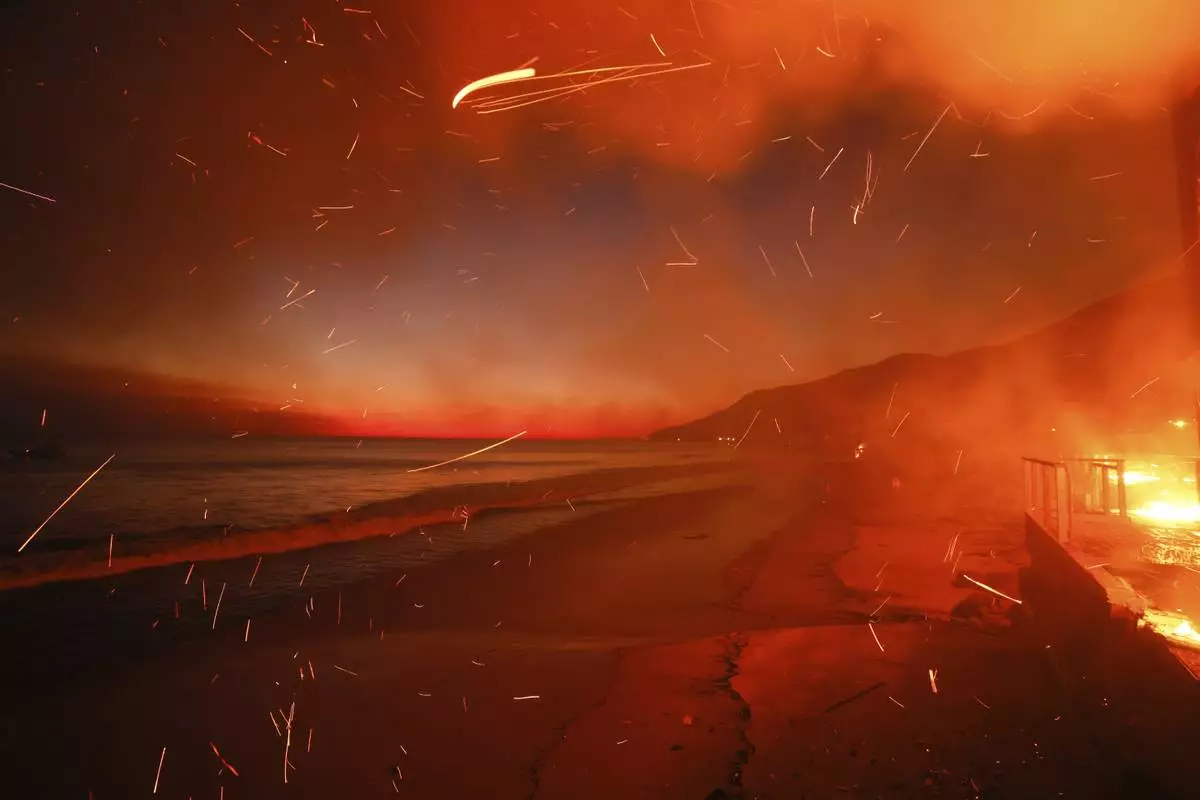
FILE - The Palisades Fire burns a beach front property Wednesday, Jan. 8, 2025 in Malibu, Calif. (AP Photo/Etienne Laurent, File)
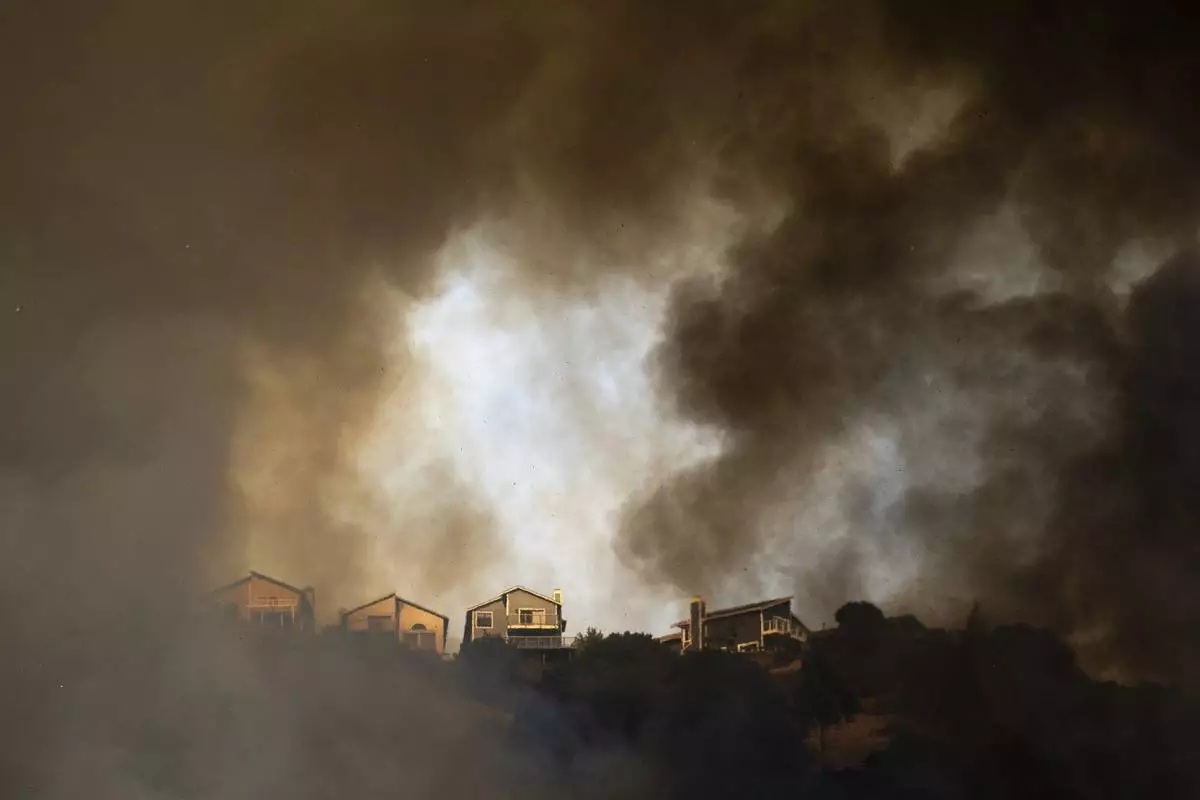
FILE - Smoke rises above homes as a grass fire burns near Interstate 580 in Oakland, Calif., Friday, Oct. 18, 2024. (AP Photo/Noah Berger, File)
MINNEAPOLIS (AP) — Federal agents carrying out immigration arrests in Minnesota's Twin Cities region already shaken by the fatal shooting of a woman rammed the door of one home Sunday and pushed their way inside, part of what the Department of Homeland Security has called its largest enforcement operation ever.
In a dramatic scene similar to those playing out across Minneapolis, agents captured a man in the home just minutes after pepper spraying protesters outside who had confronted the heavily armed federal agents. Along the residential street, protesters honked car horns, banged on drums and blew whistles in attempts to disrupt the operation.
Video of the clash taken by The Associated Press showed some agents pushing back protesters while a distraught woman later emerged from the house with a document that federal agents presented to arrest the man. Signed by an immigration officer, the document — unlike a warrant signed by a judge — does not authorize forced entry into a private residence. A warrant signed by an immigration officer only authorizes arrest in a public area.
Immigrant advocacy groups have conducted extensive “know-your-rights” campaigns urging people not to open their doors unless agents have a court order signed by a judge.
But within minutes of ramming the door in a neighborhood filled with single-family homes, the handcuffed man was led away.
More than 2,000 immigration arrests have been made in Minnesota since the enforcement operation began at the beginning of December, said Homeland Security spokesperson Tricia McLaughlin.
Homeland Security Secretary Kristi Noem told Fox News on Sunday that the administration would send additional federal agents to Minnesota to protect immigration officers and continue enforcement.
The Twin Cities — the latest target in President Donald Trump’s immigration enforcement campaign — is bracing for what is next after 37-year-old Renee Good was shot and killed by an immigration officer on Wednesday.
“We’re seeing a lot of immigration enforcement across Minneapolis and across the state, federal agents just swarming around our neighborhoods,” said Jason Chavez, a Minneapolis city councilmember. “They’ve definitely been out here.”
Chavez, the son of Mexican immigrants who represents an area with a growing immigrant population, said he is closely monitoring information from chat groups about where residents are seeing agents operating.
People holding whistles positioned themselves in freezing temperatures on street corners Sunday in the neighborhood where Good was killed, watching for any signs of federal agents.
More than 20,000 people have taken part in a variety of trainings to become “observers” of enforcement activities in Minnesota since the 2024 election, said Luis Argueta, a spokesperson for Unidos MN, a local human rights organization .
“It’s a role that people choose to take on voluntarily, because they choose to look out for their neighbors,” Argueta said.
The protests have been largely peaceful, but residents remained anxious. On Monday, Minneapolis public schools will start offering remote learning for the next month in response to concerns that children might feel unsafe venturing out while tensions remain high.
Many schools closed last week after Good’s shooting and the upheaval that followed.
While the enforcement activity continues, two of the state’s leading Democrats said that the investigation into Good's shooting death should not be overseen solely by the federal government.
Minneapolis Mayor Jacob Frey and U.S. Sen. Tina Smith said in separate interviews Sunday that state authorities should be included in the investigation because the federal government has already made clear what it believes happened.
“How can we trust the federal government to do an objective, unbiased investigation, without prejudice, when at the beginning of that investigation they have already announced exactly what they saw — what they think happened," Smith said on ABC’s "This Week."
The Trump administration has defended the officer who shot Good in her car, saying he was protecting himself and fellow agents and that Good had “weaponized” her vehicle.
Todd Lyons, acting director of U.S. Immigration and Customs Enforcement, defended the officer on Fox News Channel’s “The Sunday Briefing.”
"That law enforcement officer had milliseconds, if not short time to make a decision to save his life and his other fellow agents,” he said.
Lyons also said the administration’s enforcement operations in Minnesota wouldn't be needed “if local jurisdictions worked with us to turn over these criminally illegal aliens once they are already considered a public safety threat by the locals.”
The killing of Good by an ICE officer and the shooting of two people by federal agents in Portland, Oregon, led to dozens of protests in cities across the country over the weekend, including New York, Los Angeles, Washington D.C. and Oakland, California.
Contributing were Associated Press journalists Giovanna Dell’Orto in Minneapolis; Thomas Strong in Washington; Bill Barrow in Atlanta; Christopher Weber in Los Angeles; and John Seewer in Toledo, Ohio.
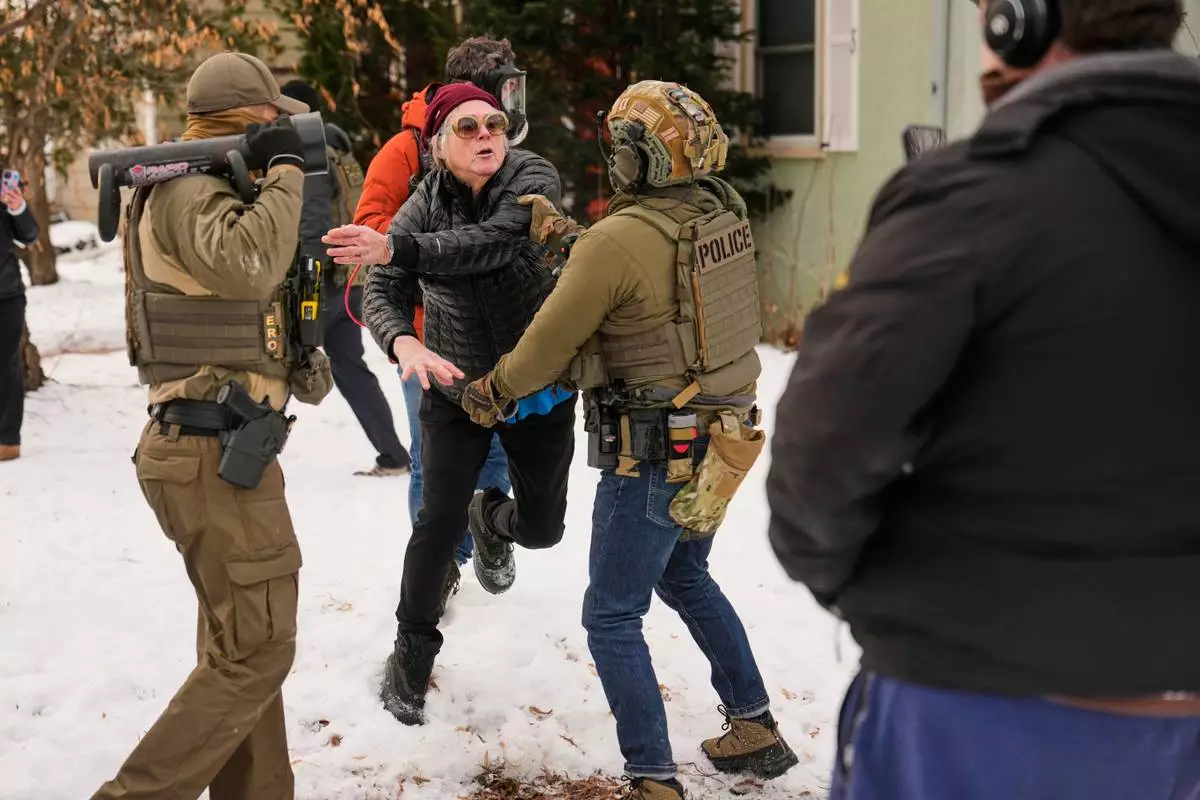
A woman gets into an altercation with a federal immigration officer as officers make an arrest Sunday, Jan. 11, 2026, in Minneapolis. (AP Photo/John Locher)
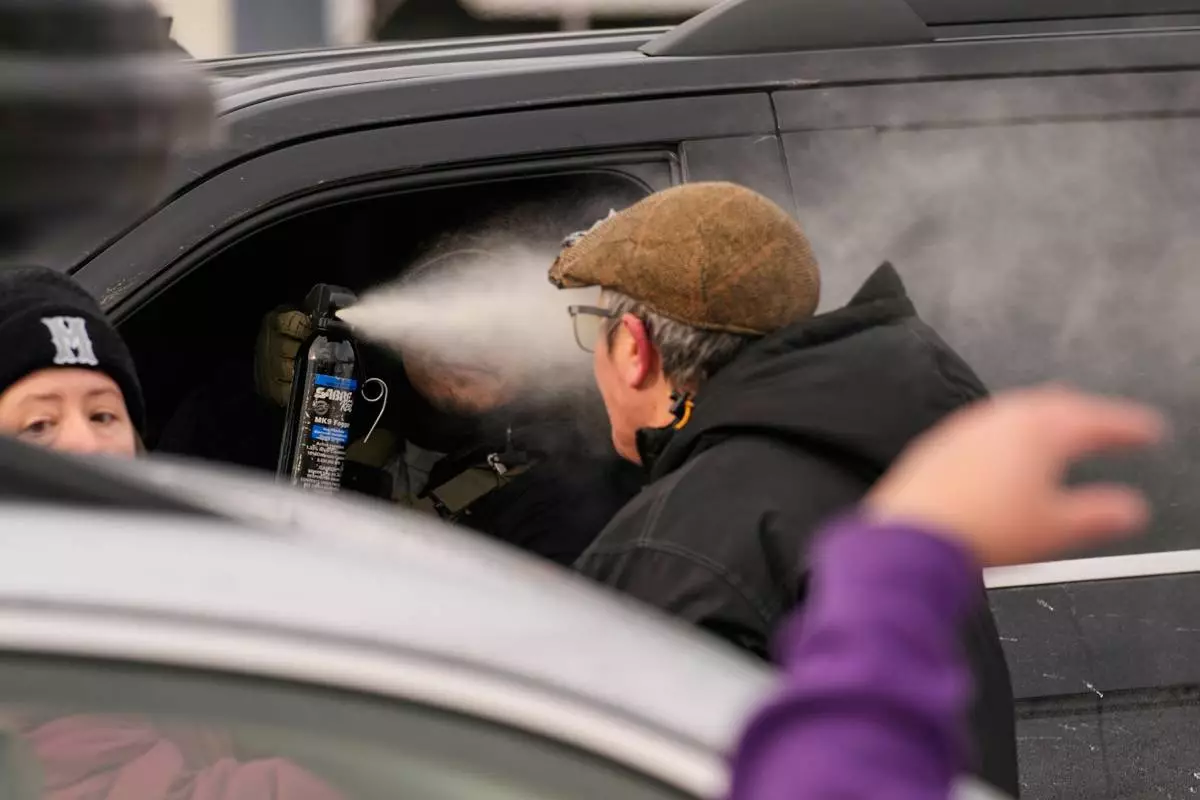
A federal immigration officer deploys pepper spray as officers make an arrest Sunday, Jan. 11, 2026, in Minneapolis. (AP Photo/John Locher)
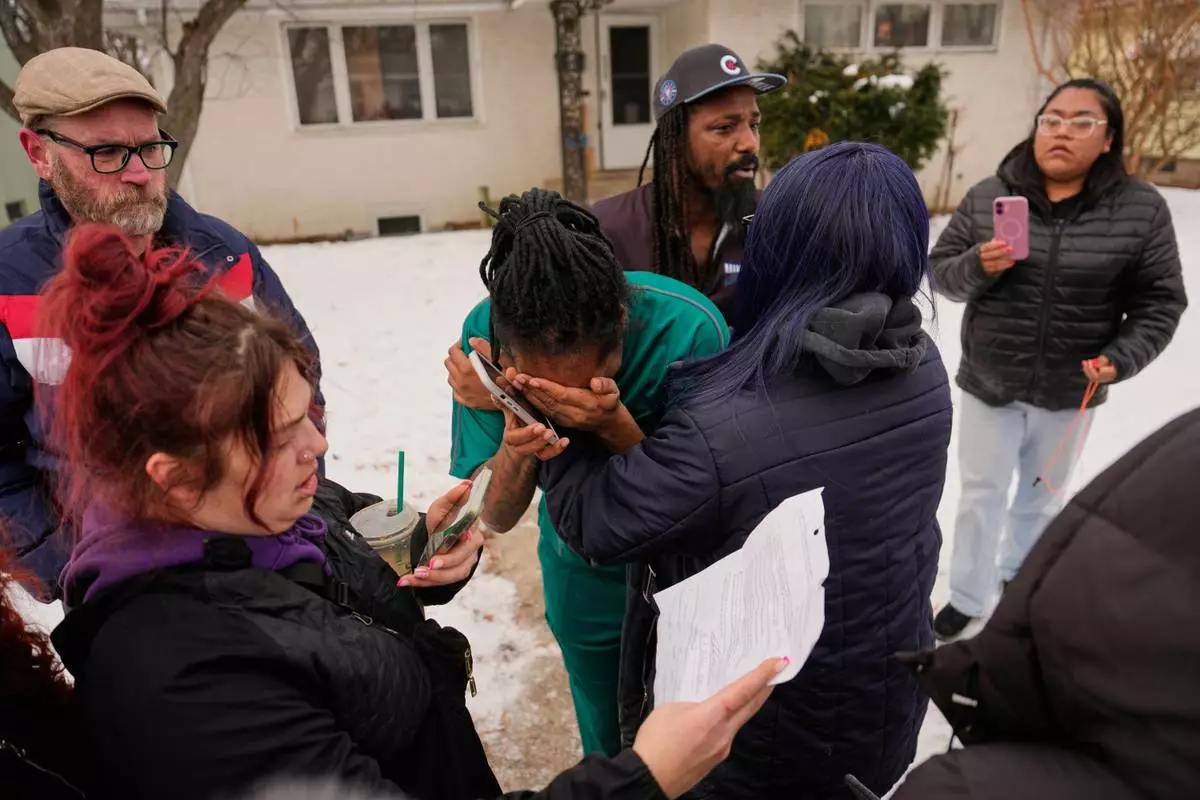
A family member, center, reacts after federal immigration officers make an arrest Sunday, Jan. 11, 2026, in Minneapolis. (AP Photo/John Locher)
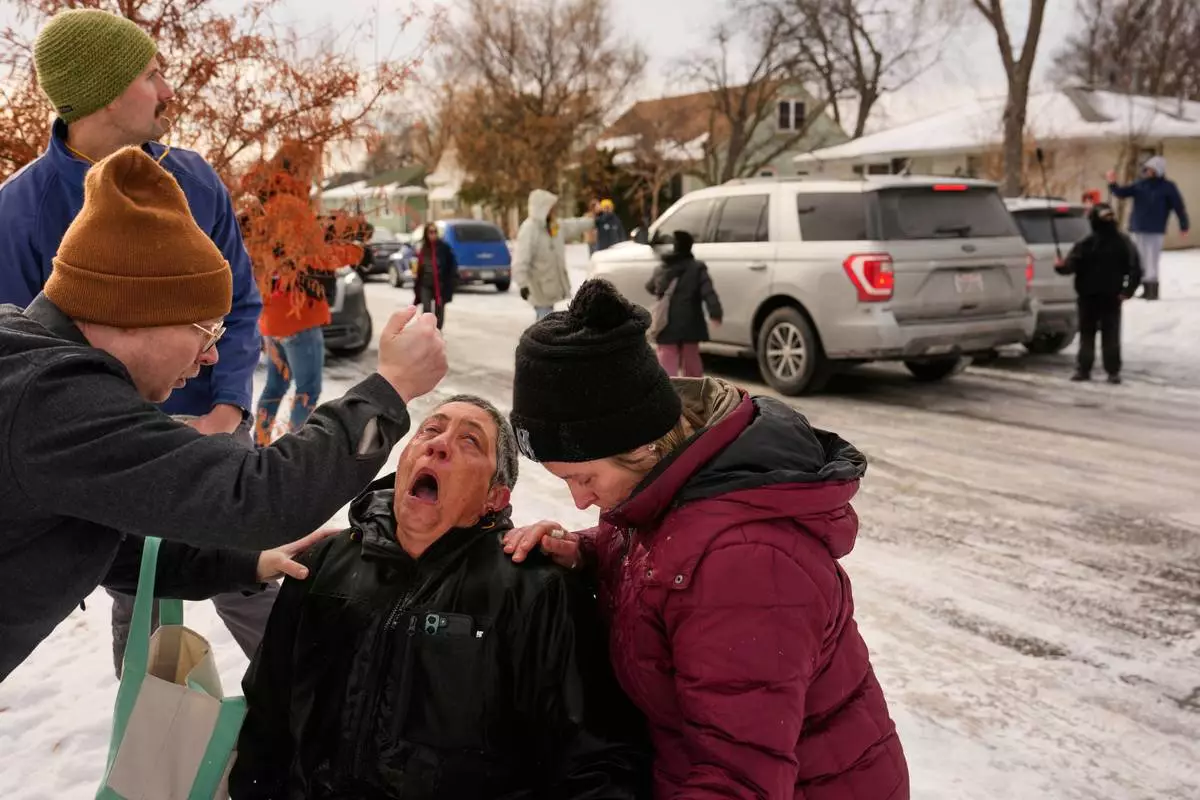
Bystanders are treated after being pepper sprayed as federal immigration officers make an arrest Sunday, Jan. 11, 2026, in Minneapolis. (AP Photo/John Locher)
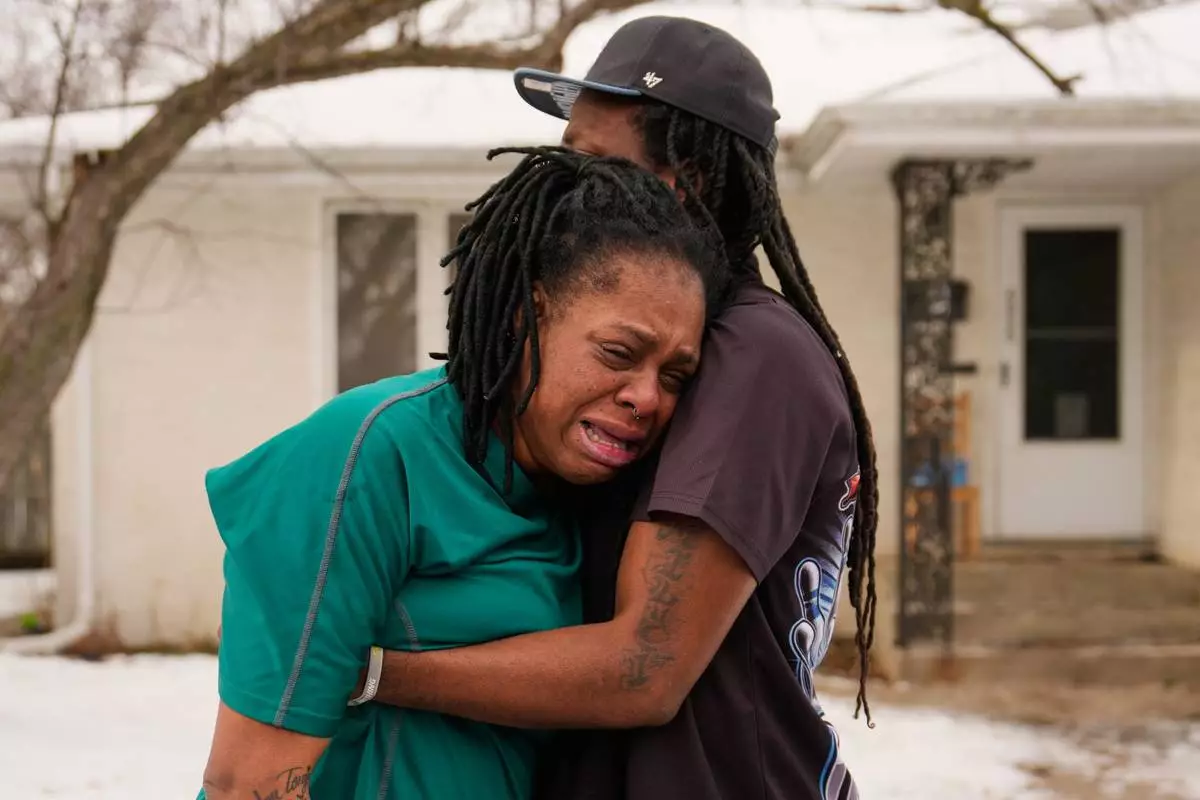
A family member reacts after federal immigration officers make an arrest Sunday, Jan. 11, 2026, in Minneapolis. (AP Photo/John Locher)
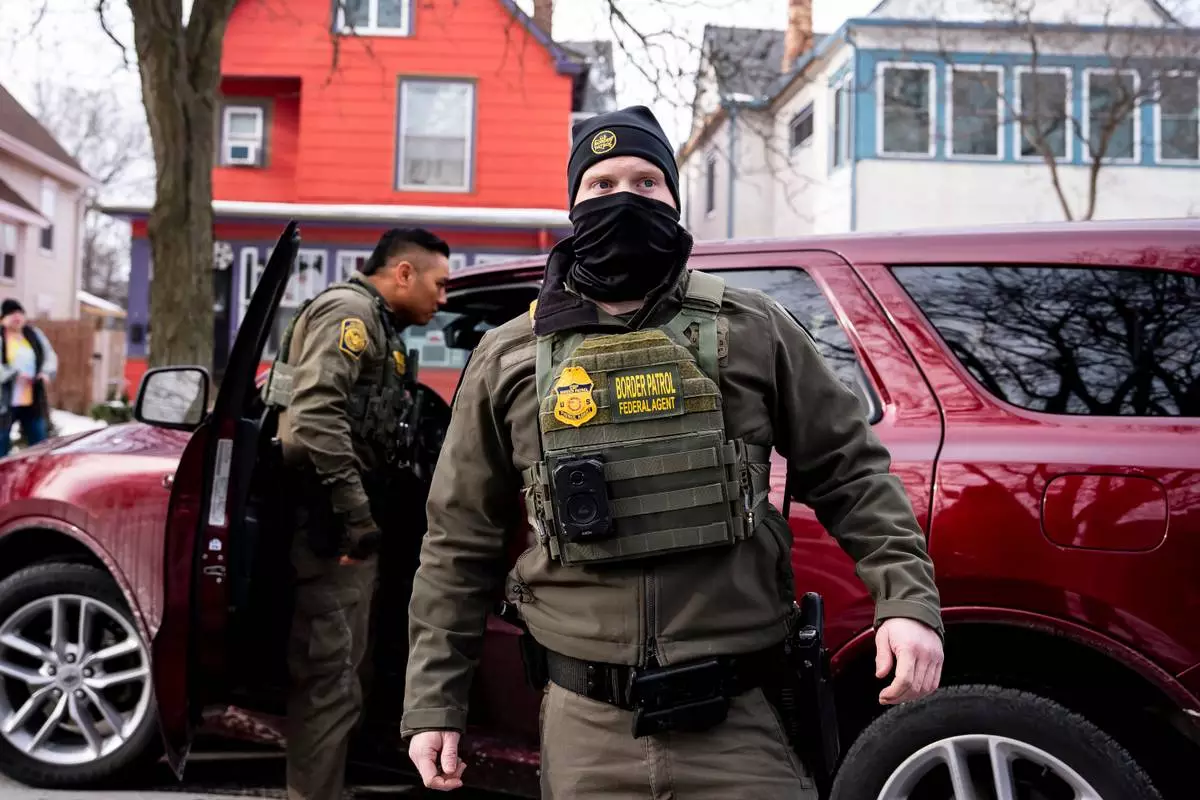
Federal agents look on after detaining a person during a patrol in Minneapolis, Minn., Sunday, Jan. 11, 2026. (Christopher Katsarov/The Canadian Press via AP)
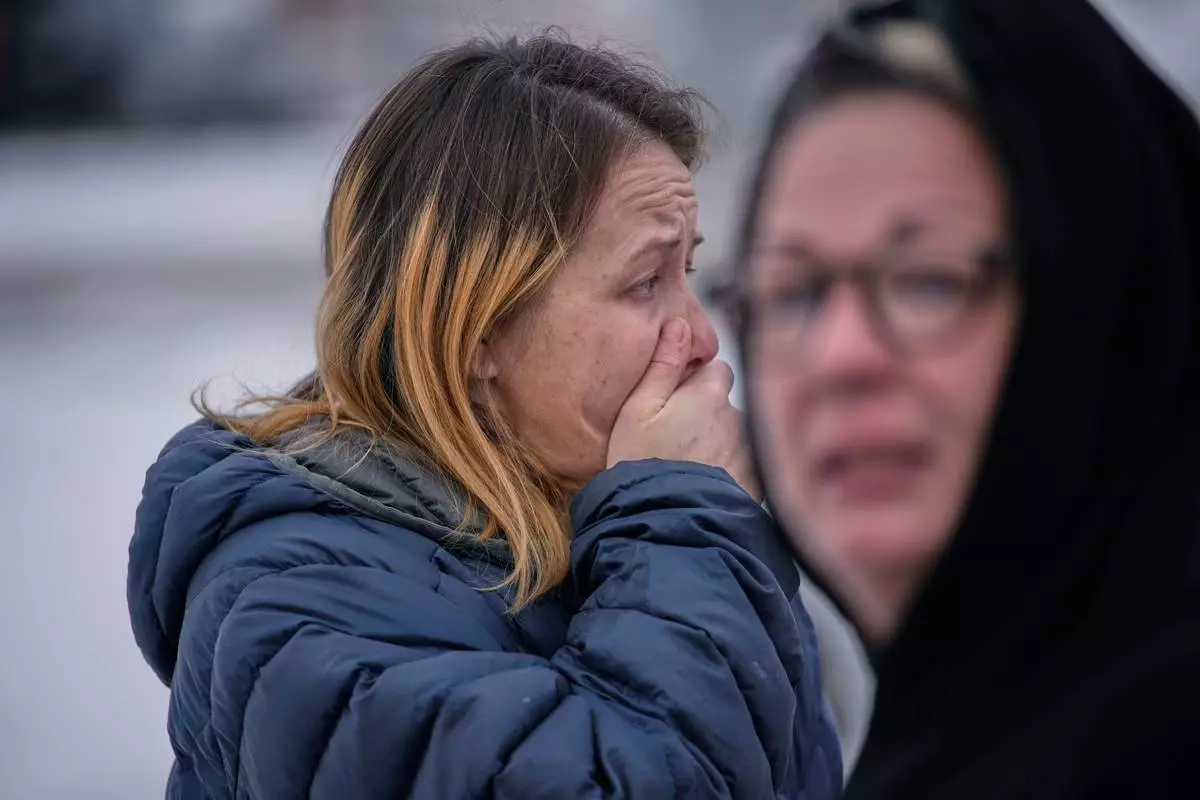
Bystanders react after a man was detained by Immigration and Customs Enforcement (ICE) agents during a traffic stop, Sunday, Jan. 11, 2026, in Robbinsdale, Minn. (AP Photo/John Locher)
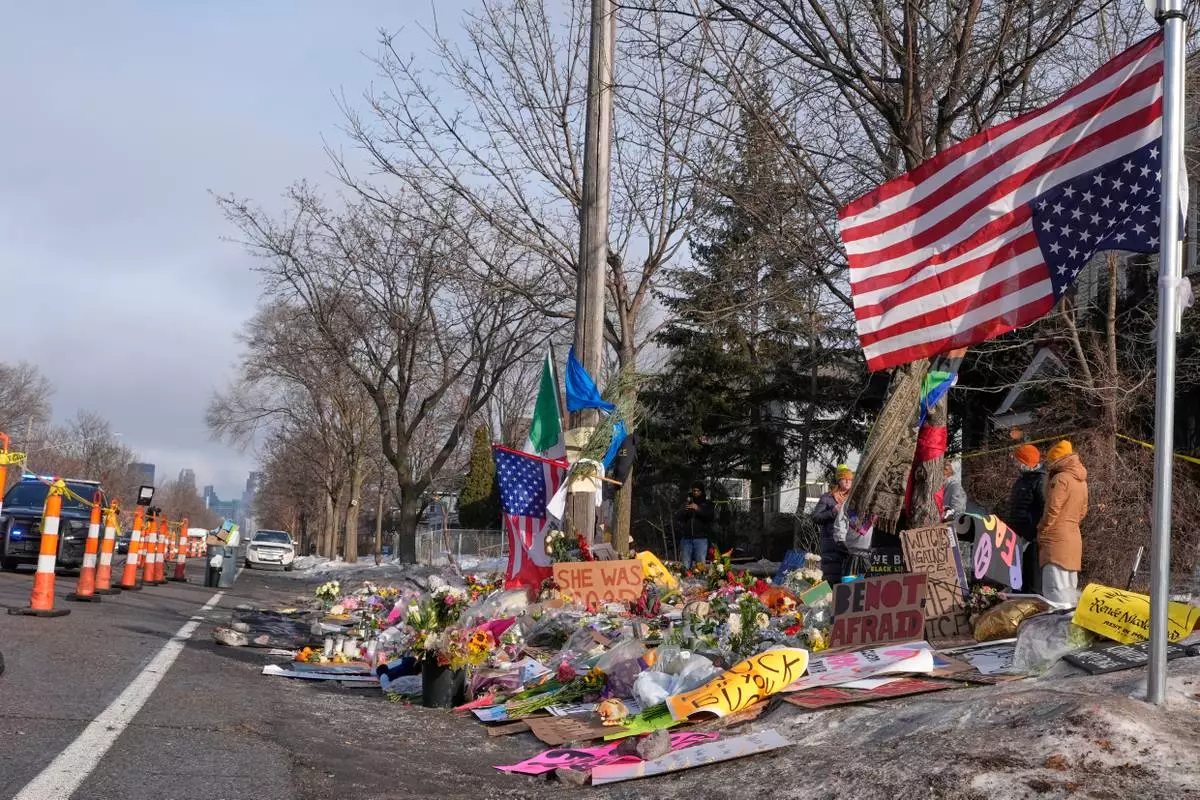
People stand near a memorial at the site where Renee Good was fatally shot by an ICE agent, Sunday, Jan. 11, 2026, in Minneapolis. (AP Photo/Jen Golbeck)
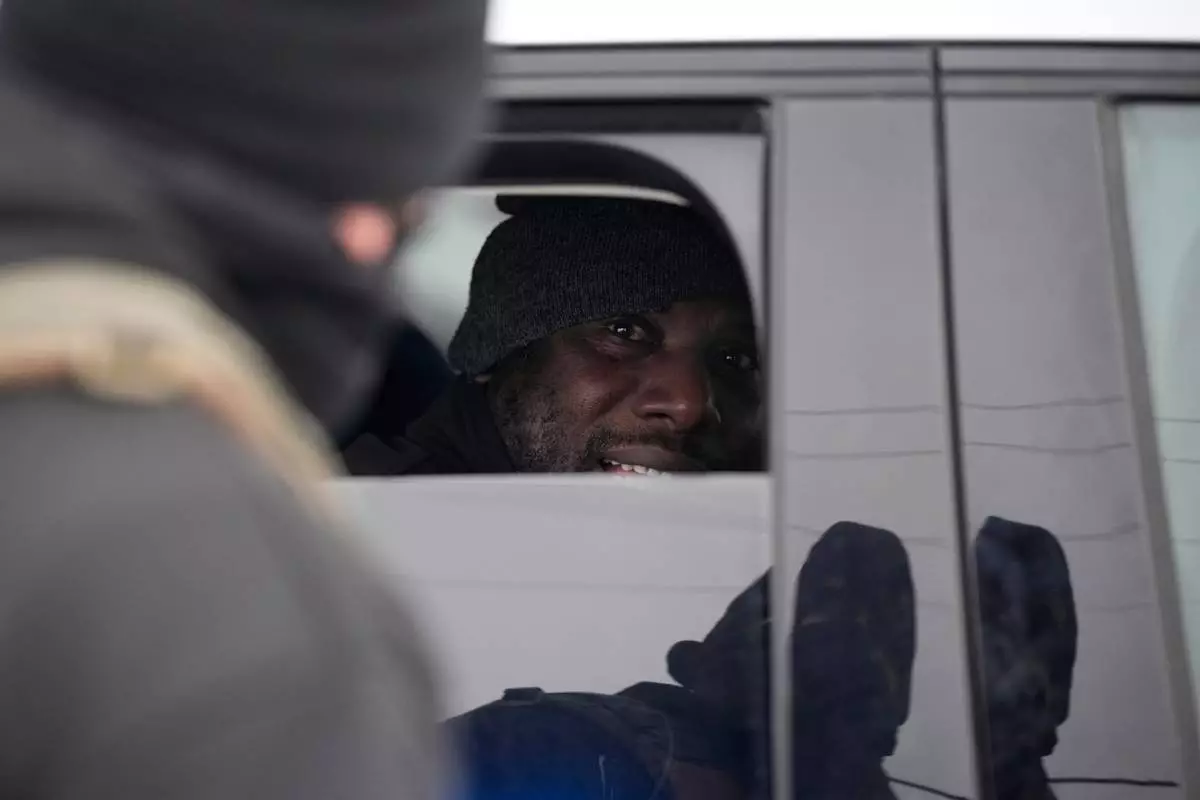
A man looks out of a car window after being detained by Immigration and Customs Enforcement (ICE) agents during a traffic stop, Sunday, Jan. 11, 2026, in Robbinsdale, Minn. (AP Photo/John Locher)
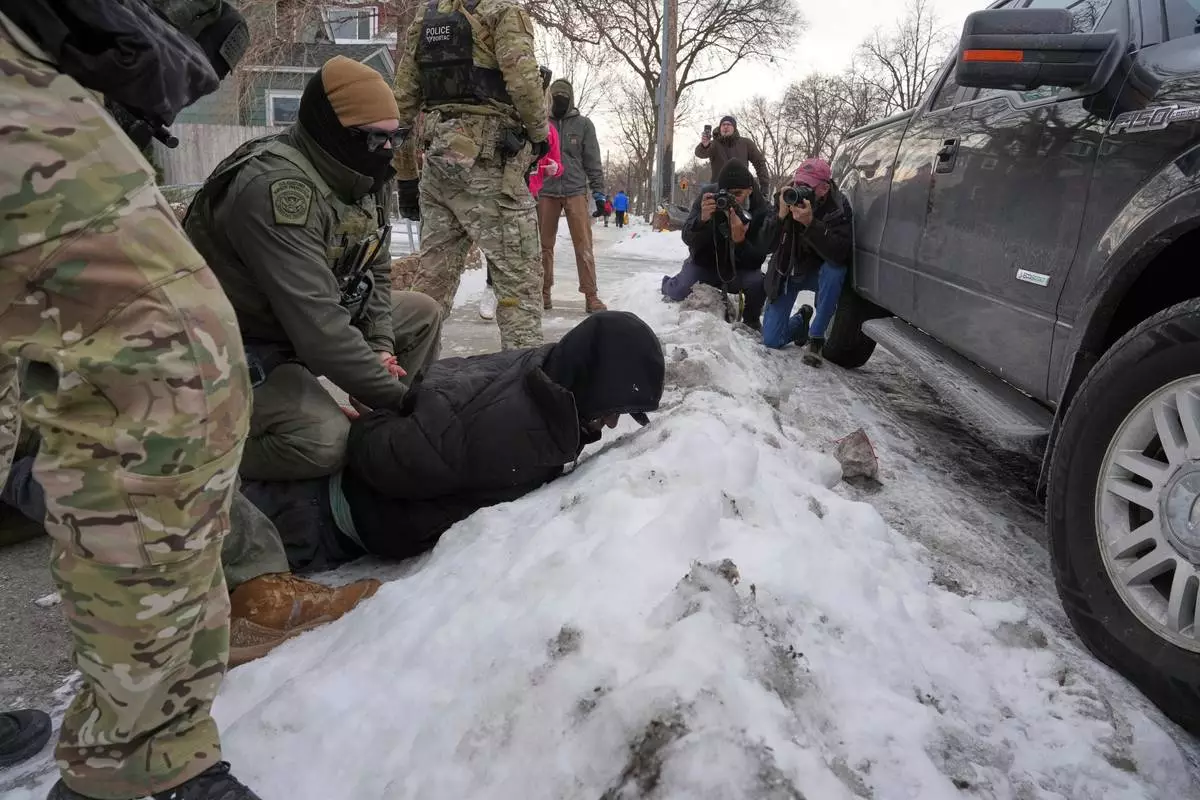
Border Patrol agents detain a man, Sunday, Jan. 11, 2026, in Minneapolis. (AP Photo/Adam Gray)
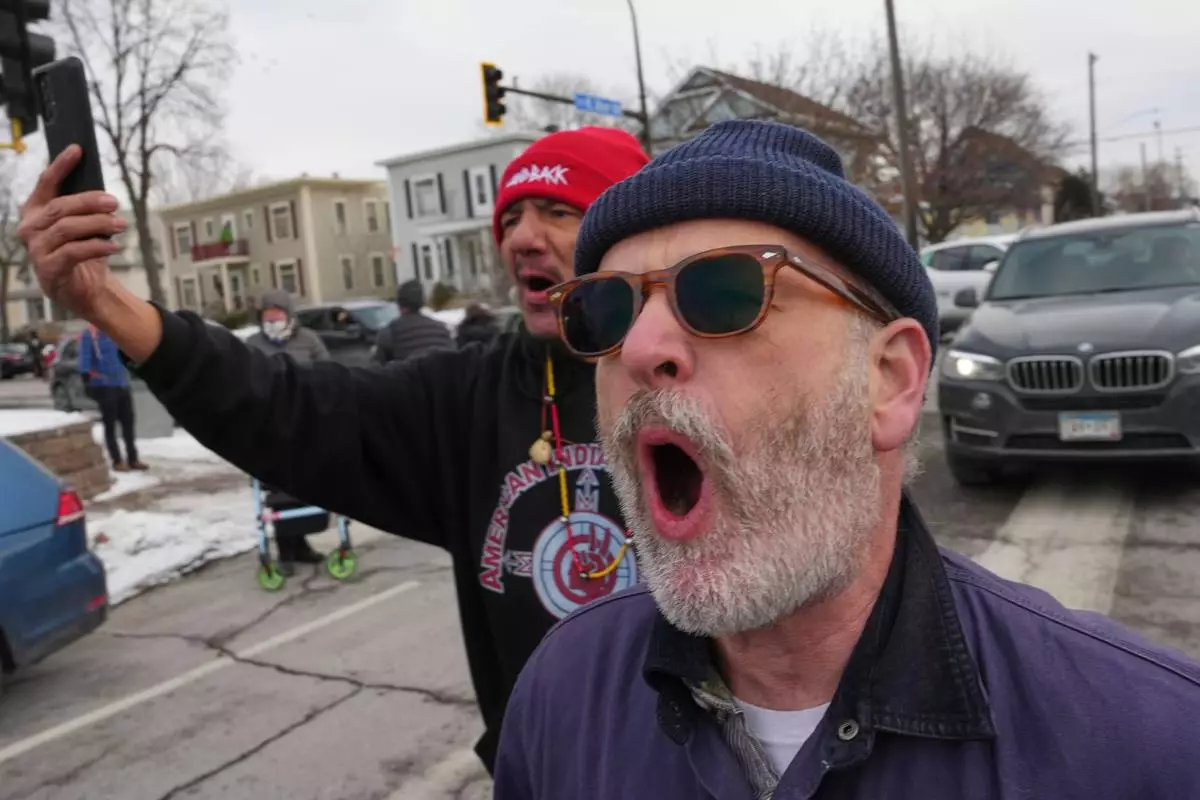
People shout toward Border Patrol agents making an arrest, Sunday, Jan. 11, 2026, in Minneapolis. (AP Photo/Adam Gray)
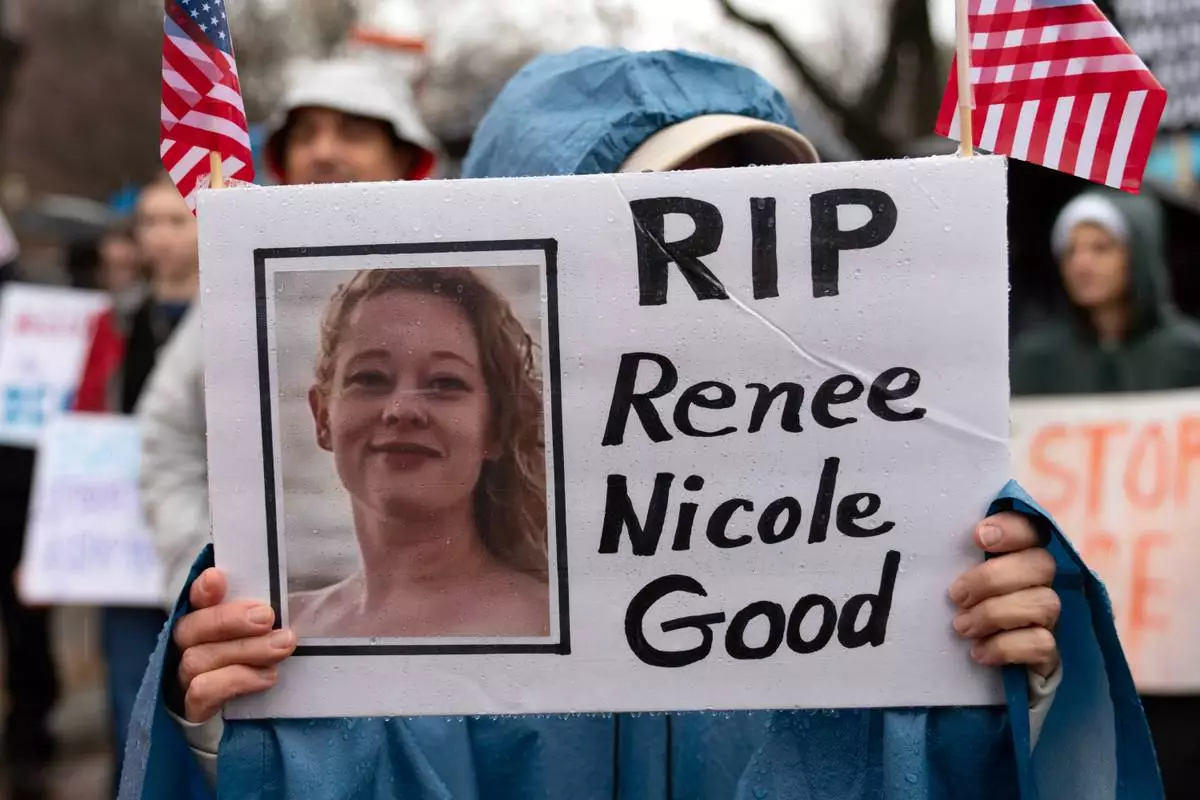
Demonstrators protest outside the White House in Washington, Saturday, Jan. 10, 2026, against the Immigration and Customs Enforcement agent who fatally shot Renee Good in Minneapolis. (AP Photo/Jose Luis Magana)
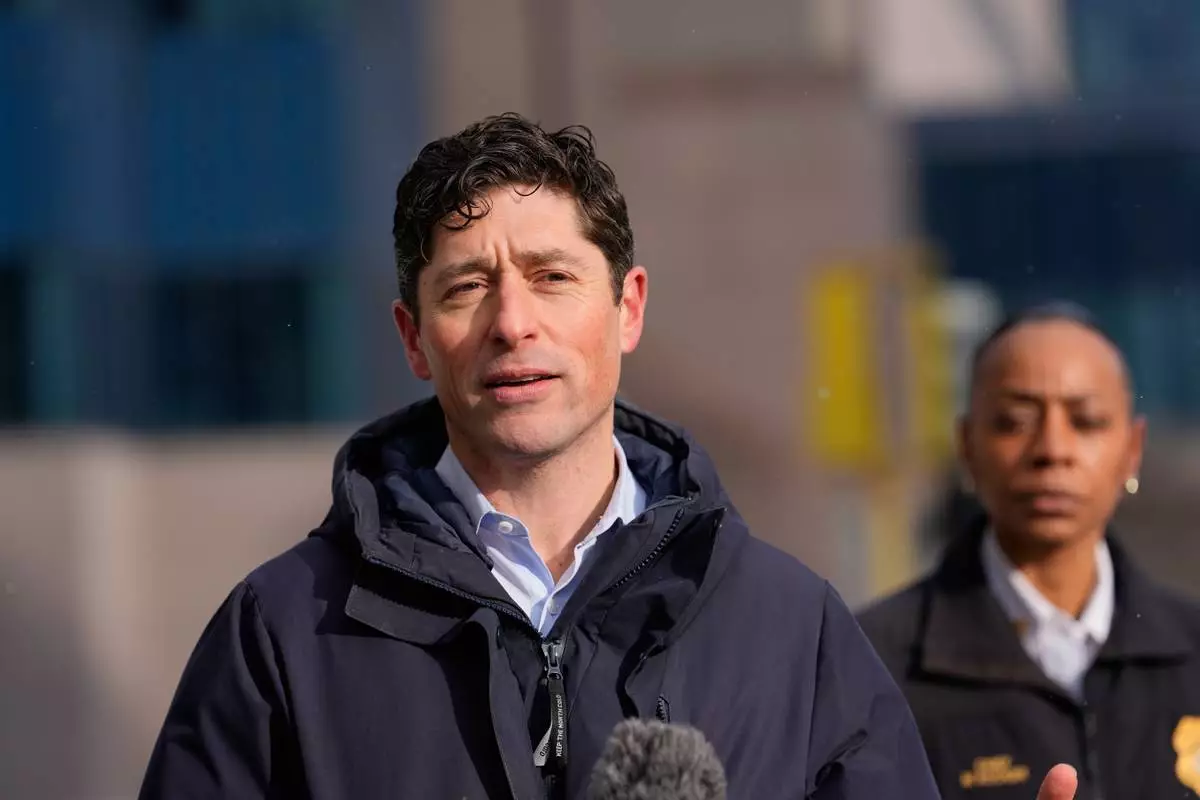
Minneapolis Mayor Jacob Frey holds a news conference on Saturday, Jan. 10, 2026, in Minneapolis. (AP Photo/Jen Golbeck)
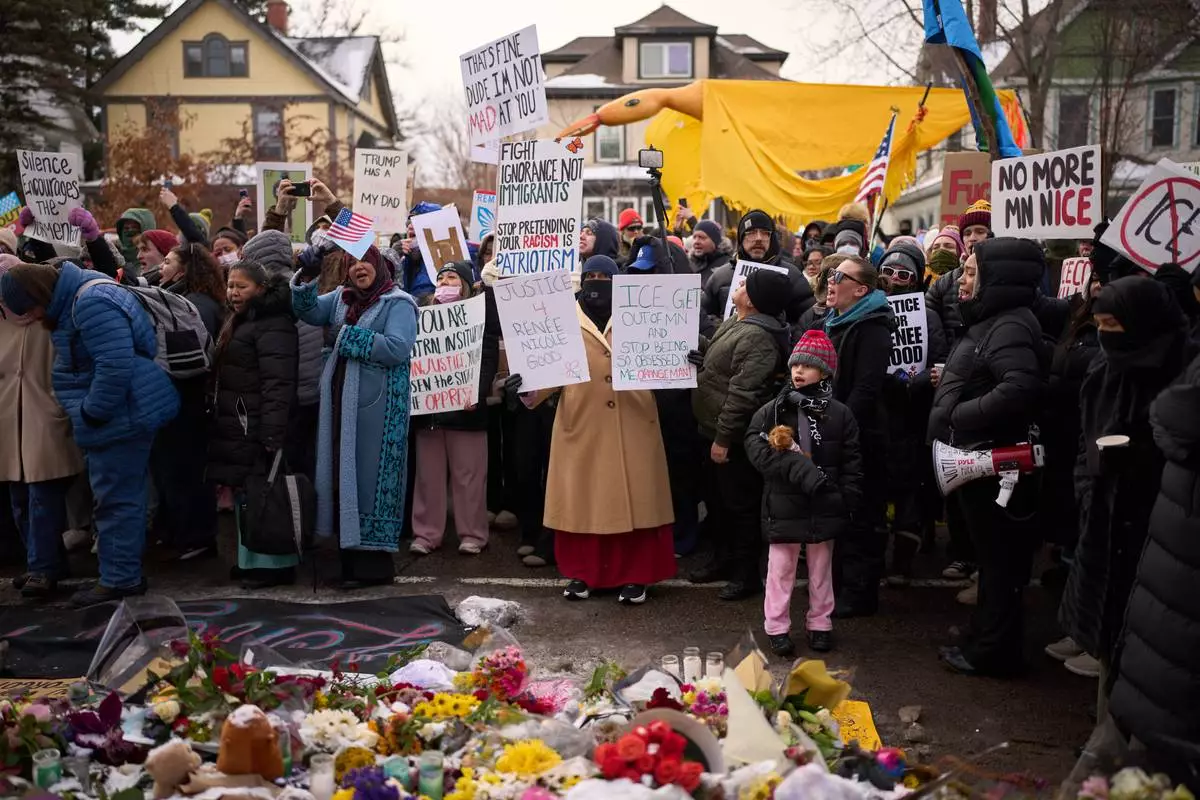
Protesters react as they visit a makeshift memorial during a rally for Renee Good, who was fatally shot by an ICE officer earlier in the week, Saturday, Jan. 10, 2026, in Minneapolis. (AP Photo/John Locher)