Skip to Content Facebook Feature Image

Azteca Stadium to reopen 75 days before start of the 2026 World Cup

Sport

Azteca Stadium to reopen 75 days before start of the 2026 World Cup
Sport

Sport

Azteca Stadium to reopen 75 days before start of the 2026 World Cup

2025-05-08 07:10 Last Updated At:07:20

MEXICO CITY (AP) — The revamped Azteca Stadium is scheduled to reopen 75 days before the start of the 2026 World Cup with improved services around it, Mexico City mayor Clara Brugada announced on Wednesday.

The iconic venue closed last May for renovations ahead of next year's 48-team competition hosted by Mexico, the United States and Canada.

The 83,000-seat Azteca, which recently was renamed, will host five games including the tournament opener. It also hosted the first matches in the 1971 and 1986 World Cups.

Brugada did not reveal further details regarding the reopening of the stadium on March 28, 2026.

Stadium director Felix Aguirre said they are thinking long term.

“The stadium is moving ahead with its renovations so it can work for the next 40 or 50 years,” he said. “We are respecting its legacy, but we also want to improve the fan experience.”

The stadium owners, a company related to Televisa, Mexico’s largest television network, have released images of work done on the pitch and the lower seats. The luxury boxes apparently haven’t been touched because some owners refuse to release them to FIFA.

Brugada also said that for the 2026 World Cup, they are going to improve a light rail line that heads toward Azteca, will enhance outdoor lighting and a pedestrian bridge around it among other things.

On game days, the Xochimilco Light Rail known as Tren Ligero is one of the fastest ways to reach the stadium, located south of the city, but it currently has 20 trains and the city’s government will purchase 17 more.

“We will have around 40 trains to attend a daily requirement of over 400,000 passengers,” Brugada said.

The current capacity of the trains is 160,000 passengers per day and the ride from Taxqueña station, the closest metro line, to the stadium is around 15 minutes with trains departing every 10 minutes.

Brugada said that with more trains the departures time will be shorter.

The mayor said they will be upgrading the city's video surveillance camera system for the tournament and adding 40,000 to have a total of 123,000.

Mexico City's video surveillance system is called the Command, Control, Computing, Communications, and Citizen contact center known as C5. Besides the cameras, the system has 1,000 panic buttons to enhance public safety.

“The video surveillance system put us in the forefront, we are the most video-monitored city in Latin America,” Brugada said.

Brugada also informed that Los Pinos, which until 2018 was the Mexican president’s official office and residence, will serve as the media center.

AP soccer: https://apnews.com/hub/soccer
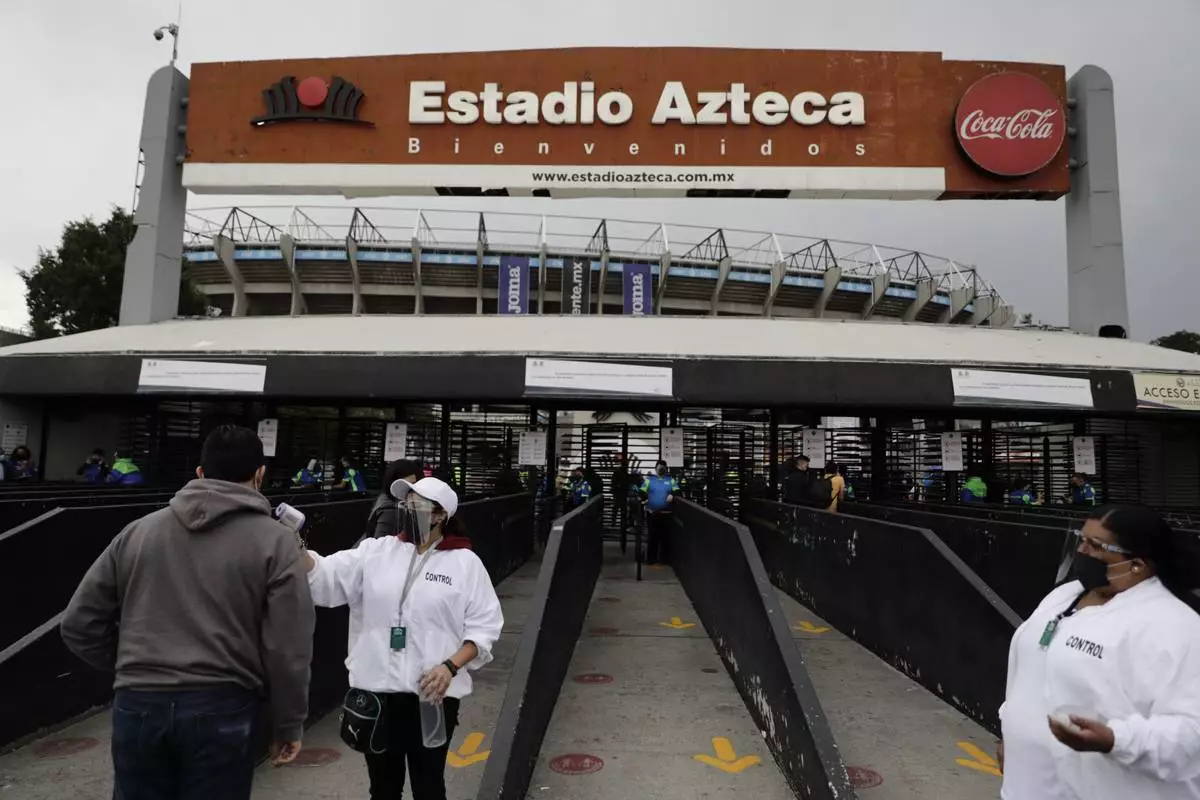
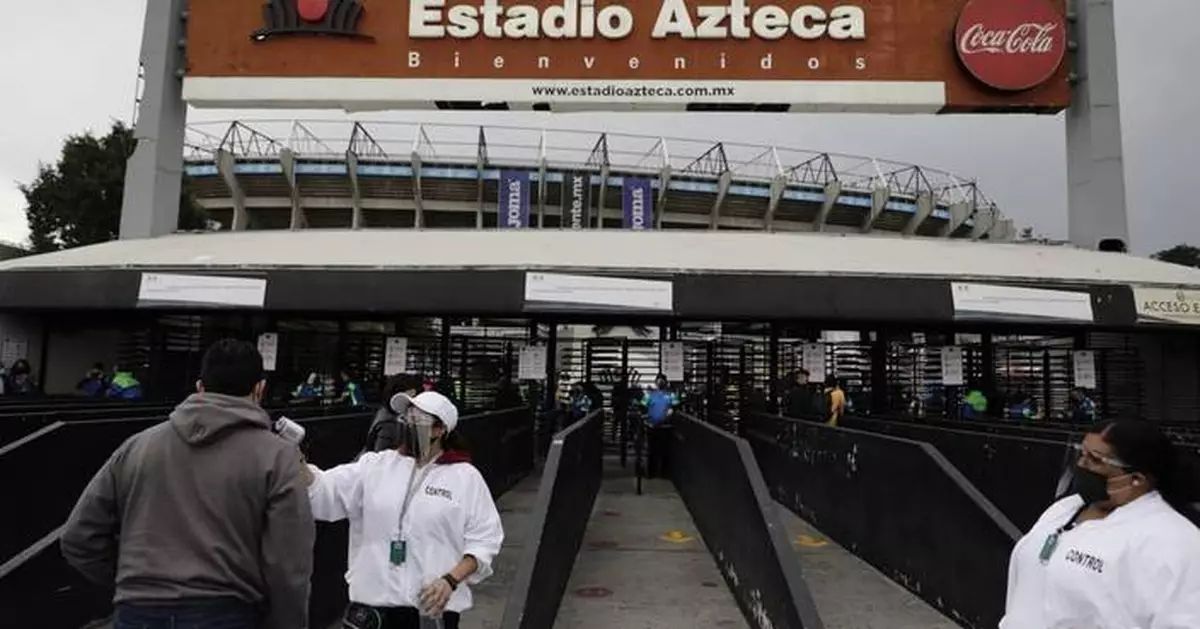
FILE - A fan gets his temperature checked as he enters Azteca Stadium before a Mexican soccer league quarterfinal second leg soccer match between Cruz Azul and Toluca in Mexico City, May 15, 2021. (AP Photo/Eduardo Verdugo, File)
FILE - A fan gets his temperature checked as he enters Azteca Stadium before a Mexican soccer league quarterfinal second leg soccer match between Cruz Azul and Toluca in Mexico City, May 15, 2021. (AP Photo/Eduardo Verdugo, File)

A Ukrainian drone strike killed one person and wounded three others in the Russian city of Voronezh, local officials said Sunday.

A young woman died overnight in a hospital intensive care unit after debris from a drone fell on a house during the attack on Saturday, regional Gov. Alexander Gusev said on Telegram.

Three other people were wounded and more than 10 apartment buildings, private houses and a high school were damaged, he said, adding that air defenses shot down 17 drones over Voronezh. The city is home to just over 1 million people and lies some 250 kilometers (155 miles) from the Ukrainian border.

The attack came the day after Russia bombarded Ukraine with hundreds of drones and dozens of missiles overnight into Friday, killing at least four people in the capital Kyiv, according to Ukrainian officials.

For only the second time in the nearly four-year war, Russia used a powerful new hypersonic missile that struck western Ukraine in a clear warning to Kyiv and NATO.

The intense barrage and the launch of the nuclear-capable Oreshnik missile followed reports of major progress in talks between Ukraine and its allies on how to defend the country from further aggression by Moscow if a U.S.-led peace deal is struck.

Ukrainian President Volodymyr Zelenskyy said Saturday in his nightly address that Ukrainian negotiators “continue to communicate with the American side.”

Chief negotiator Rustem Umerov was in contact with U.S. partners Saturday, he said.

Separately, Ukraine’s General Staff said Russia targeted Ukraine with 154 drones overnight into Sunday and 125 were shot down.

Follow the AP’s coverage of the war in Ukraine at https://apnews.com/hub/russia-ukraine

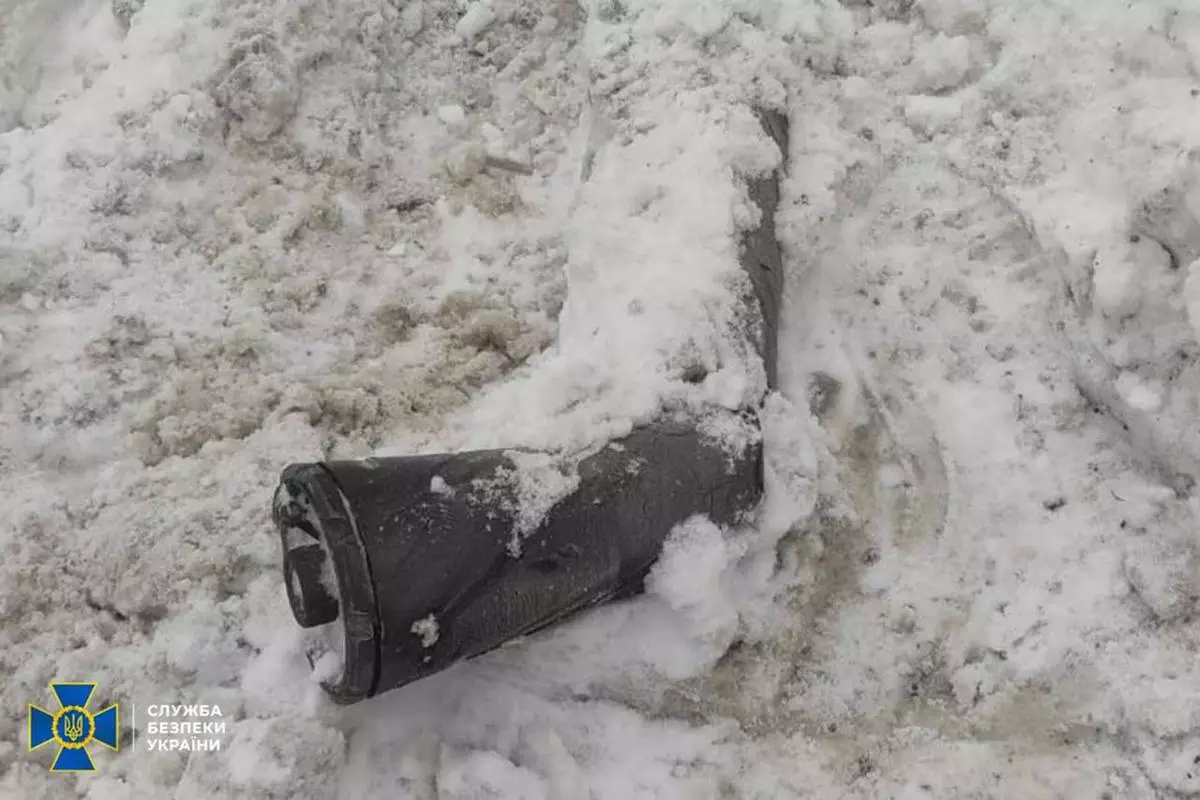
This photo provided by the Ukrainian Security Service on Friday, Jan. 9, 2026, shows a fragment believed to be a part of a Russian Oreshnik intermediate range hypersonic ballistic missile that hit the Lviv region. (Ukrainian Security Service via AP)

This photo provided by the Ukrainian Security Service on Friday, Jan. 9, 2026, shows a fragment believed to be a part of a Russian Oreshnik intermediate range hypersonic ballistic missile that hit the Lviv region. (Ukrainian Security Service via AP)

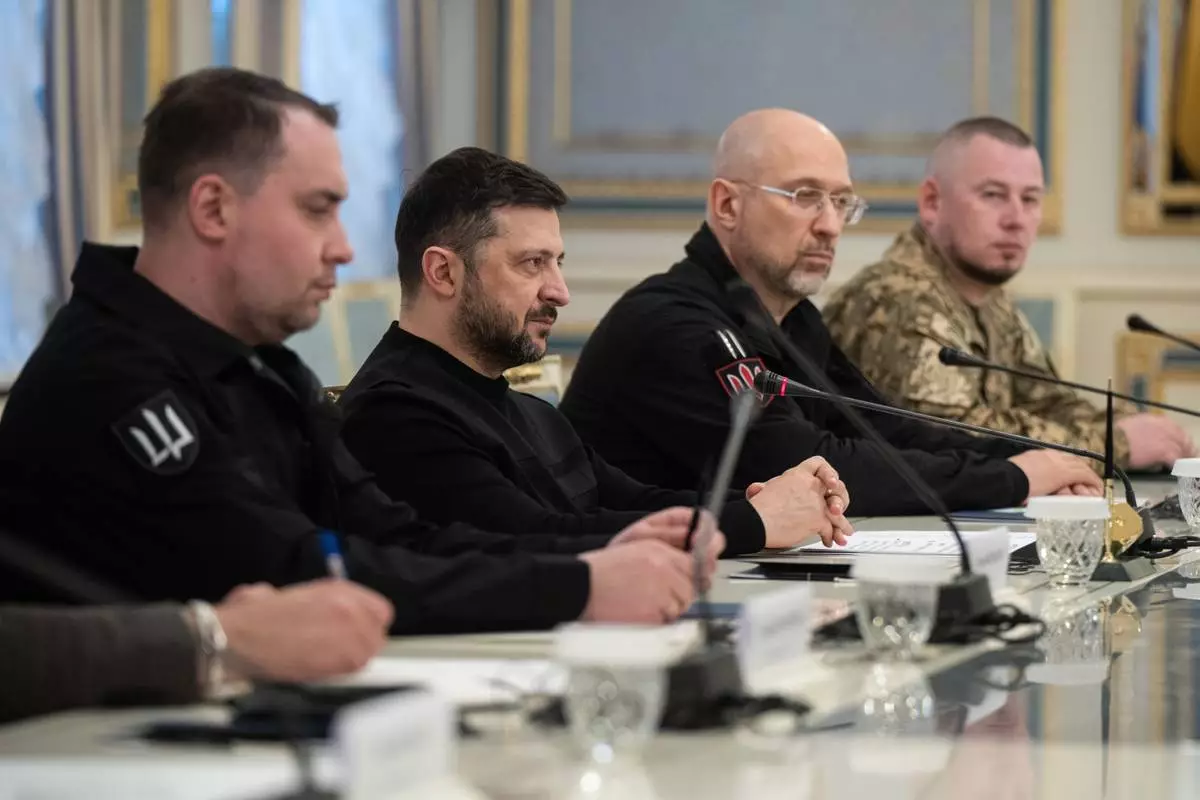
President of Ukraine Volodymyr Zelenskyy, second left, listens to British Defense Secretary John Healey during their meeting in Kyiv, Ukraine, Friday, Jan. 9, 2026. (AP Photo/Danylo Antoniuk)

President of Ukraine Volodymyr Zelenskyy, second left, listens to British Defense Secretary John Healey during their meeting in Kyiv, Ukraine, Friday, Jan. 9, 2026. (AP Photo/Danylo Antoniuk)

Recommended Articles