Young Chinese entrepreneurs are reshaping the pet economy with fresh ideas ranging from pet kindergartens to dog-only restaurants, tapping into a booming market worth 300 billion yuan (42 billion U.S. dollars) in 2024.
Instead of traditional pet shops, some young business owners now run pet boarding centers that function like early education facilities, while others cater exclusively to pets in themed restaurants.
These ventures reflect changing attitudes toward pets from animals needing care to emotional companions integrated into daily life.
"I founded Wogua Pet Kindergarten based on my own needs. My previous job required frequent overtime and business trips so I had to send my pets to regular pet shops, which lacked proper care and limited their socialization. After market research, I realized there was a gap in the market for better pet care," said Li Xianyu, founder of Wogua, which was established in August 2023 in Chengdu, southwest China's Sichuan Province.
As choosing where to leave a pet has become a matter of deep trust for many owners, Li said Wogua aims to provide the same level of attention and emotional care as a daycare center for children.
"At its core, it's about emotional consumption, shifting from pets to becoming an emotional companion for our families," said Li.
"Regular meals and drinks might cost around 3,000 to 5,000 yuan per month. There are well-known pet-friendly restaurants with special dog menus, and I really like to visit those," said a customer at Wogua.
Another entrepreneur is changing the dining experience altogether, with pets as the primary customers.
At EGGY Pet, a pet-only restaurant founded by Jia Wenbin, pets are the diners while their owners act as servers. The concept blends creativity with pet-centric design, including details like yellow-themed interiors tailored to dogs' vision, as dogs can only see yellow and purple. The first location features egg-yolk-inspired decor to appeal to canine eyesight.
The brand aims to offer more shared spaces for pets and their owners, encouraging deeper interaction and companionship.
"I think it's really creative, and I absolutely love it. I'm excited to bring my dog here and experience how friendly it is for people and pets to be together," said a customer.
Jia believes the pet economy is entering a new phase driven by younger consumers.
"More and more young people are becoming pet owners and a major force in the consumer market. Caring for pet owners is an essential trend. Young pet owners advocate for a mutually friendly relationship, treating pets well and supporting pet owners. It's also about being mindful of non-pet owners. Only by doing so can we move society forward and secure more rights for pets," he said.
As the bond between humans and pets deepens, entrepreneurs say the pet economy is no longer just about upgraded spending, it reflects a broader shift toward valuing life beyond humans and building a more inclusive social support system.
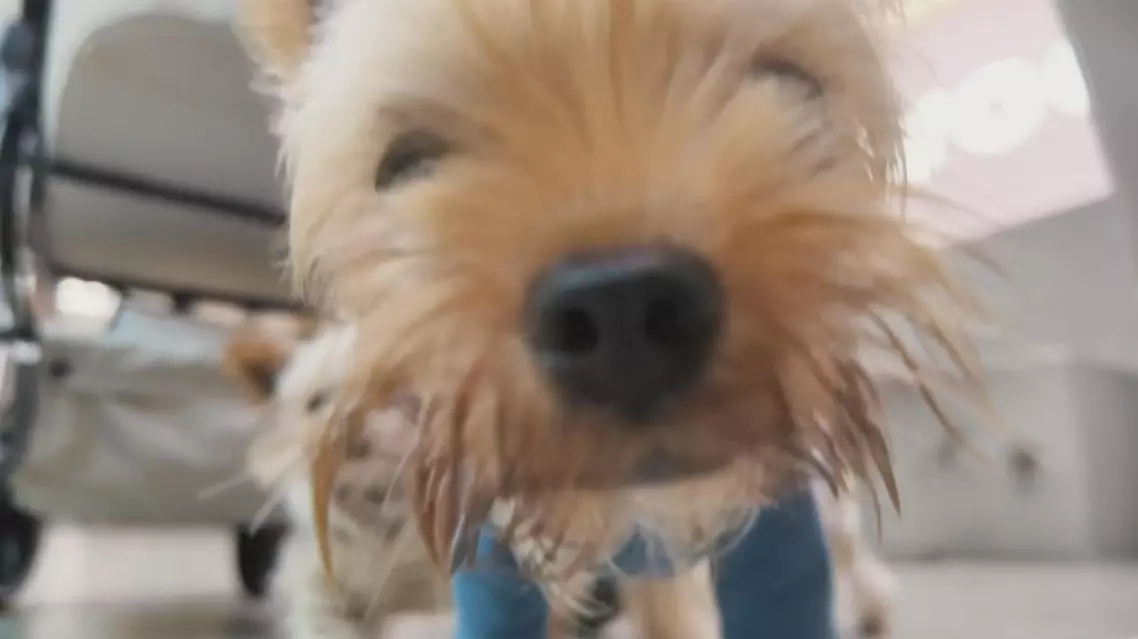
Young entrepreneurs transform pet care with creative new spaces