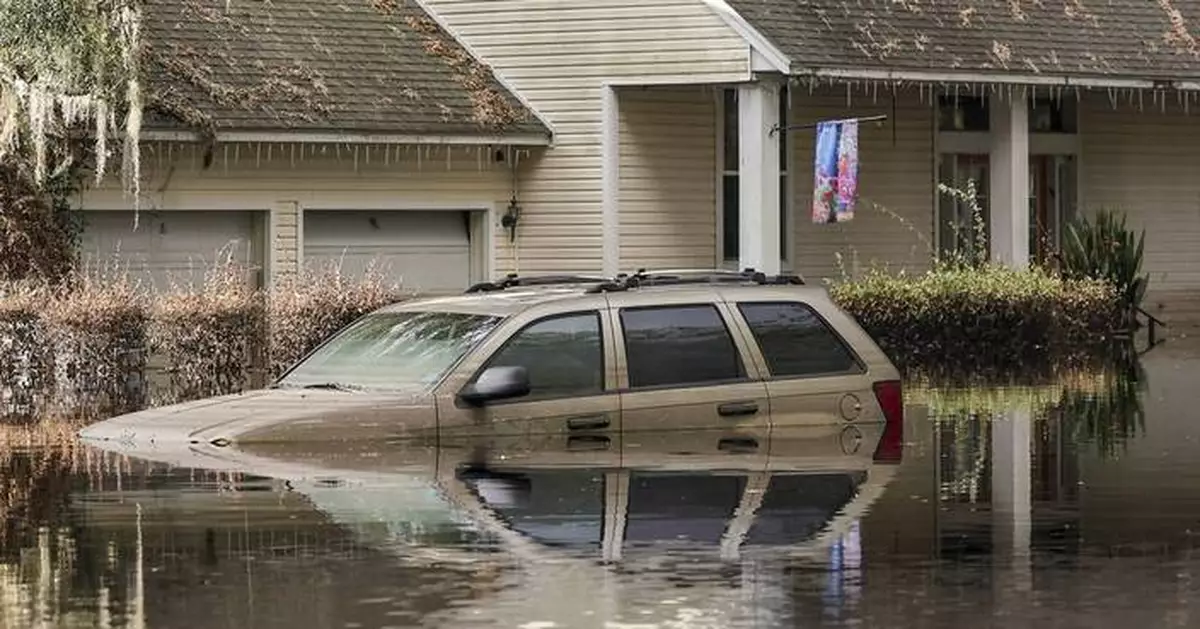
The National Oceanic and Atmospheric Administration will no longer track the cost of climate change-fueled weather disasters, including floods, heat waves, wildfires and more. It is the latest example of changes to the agency and the Trump administration limiting federal government resources on climate change.
NOAA falls under the U.S. Department of Commerce and is tasked with daily weather forecasts, severe storm warnings and climate monitoring. It is also parent to the National Weather Service.
Click to Gallery
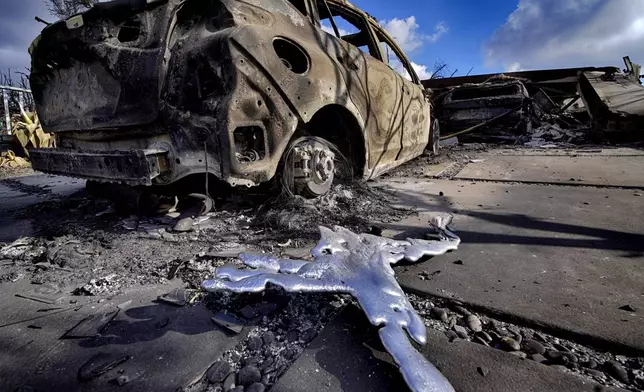
FILE - Melted metal and burned out cars sit destroyed in a driveway of a home burned by the wildfire that spread through the Pacific Palisades neighborhood of Los Angeles on Friday, Jan.17, 2025. (AP Photo/Richard Vogel, File)
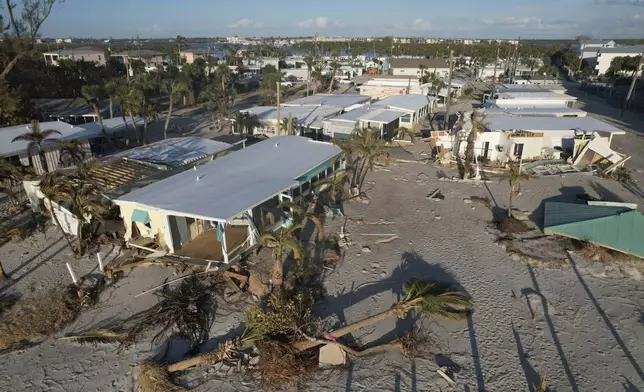
FILE - Damage from Hurricane Milton is seen at a mobile home community on Manasota Key, in Englewood, Fla., Sunday, Oct. 13, 2024. (AP Photo/Rebecca Blackwell, File)
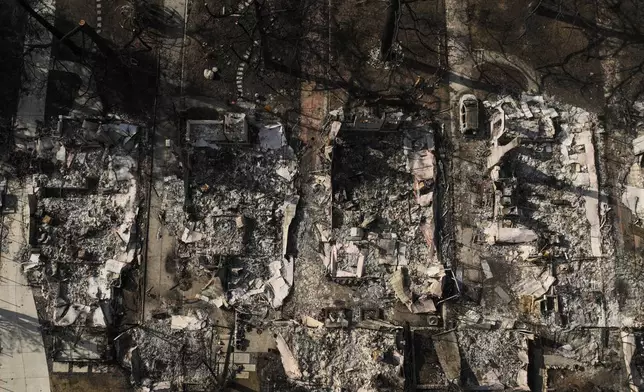
FILE - An aerial photo shows the charred homes of Louise Hamlin, center left, and Chris Wilson, center right, after the Eaton Fire in Altadena, Calif., Thursday, Jan. 30, 2025. (AP Photo/Jae C. Hong, File)
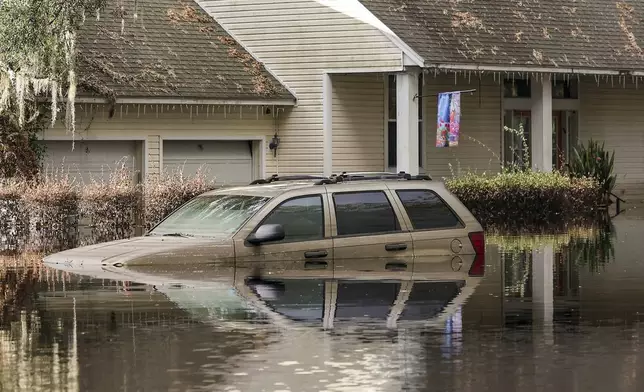
FILE - A neighborhood still flooded from Hurricane Milton prepares to have the FEMA Disaster Recover Center covert to a polling location for the general election on Monday, Nov. 4, 2024, in Ridge Manor, Fla. (AP Photo/Mike Carlson, File)
The agency said its National Centers for Environmental Information would no longer update its Billion-Dollar Weather and Climate Disasters database beyond 2024, and that its information — going as far back as 1980 — would be archived.
For decades, it has tracked hundreds of major events across the country, including destructive hurricanes, hail storms, droughts and freezes that have totaled trillions of dollars in damage.
The database uniquely pulls information from the Federal Emergency Management Agency’s assistance data, insurance organizations, state agencies and more to estimate overall losses from individual disasters.
NOAA Communications Director Kim Doster said in a statement that the change was “in alignment with evolving priorities, statutory mandates, and staffing changes.”
Scientists say these weather events are becoming increasingly more frequent, costly and severe with climate change. Experts have attributed the growing intensity of recent debilitating heat, Hurricane Milton, the Southern California wildfires and blasts of cold to climate change.
Assessing the impact of weather events fueled by the planet's warming is key as insurance premiums hike, particularly in communities more prone to flooding, storms and fires. Climate change has wrought havoc on the insurance industry, and homeowners are at risk of skyrocketing rates.
One limitation is that the dataset estimated only the nation's most costly weather events.
The information is generally seen as standardized and unduplicable, given the agency's access to nonpublic data, and other private databases would be more limited in scope and likely not shared as widespread for proprietary reasons. Other datasets, however, also track death estimates from these disasters.
Jeff Masters, a meteorologist for Yale Climate Connections, pointed to substitutes from insurance brokers and the international disaster database as alternative sources of information.
Still, “The NOAA database is the gold standard we use to evaluate the costs of extreme weather,” Masters said, “and it’s a major loss, since it comes at a time when we need to better understand how much climate change is increasing disaster losses.”
These moves also don’t “change the fact that these disasters are escalating year over year,” Kristina Dahl, vice president of science at nonprofit climate organization Climate Central. “Extreme weather events that cause a lot of damage are one of the primary ways that the public sees that climate change is happening and is affecting people."
“It’s critical that we highlight those events when they’re happening,” she added. “All of these changes will make Americans less safe in the face of climate change.”
The move, reported Thursday by CNN, is yet another of President Donald Trump’s efforts to remove references to climate change and the impact of greenhouse gas emissions on the weather from the federal government’s lexicon and documents.
Trump has instead prioritized allies in the polluting coal, oil and gas industries, which studies say are linked or traced to climate damage.
The change also marks the administration's latest hit overall to the weather, ocean and fisheries agency.
The Trump administration fired hundreds of weather forecasters and other federal NOAA employees on probationary status in February, part of Elon Musk's Department of Government Efficiency efforts to downsize the federal government workforce. It began a second round of more than 1,000 cuts at the agency in March, more than 10% of its workforce at the time.
At the time, insiders said massive firings and changes to the agency would risk lives and negatively impact the U.S. economy. Experts also noted fewer vital weather balloon launches under NOAA would worsen U.S. weather forecasts.
More changes to the agency are expected, which could include some of those proposed in the president's preliminary budget.
The agency's weather service also paused providing language translations of its products last month — though it resumed those translations just weeks later.
Read more of AP’s climate coverage at http://www.apnews.com/climate-and-environment.
Data journalist Mary Katherine Wildeman contributed from Hartford, Connecticut.
Alexa St. John is an Associated Press climate reporter. Follow her on X: @alexa_stjohn. Reach her at ast.john@ap.org.
The Associated Press’ climate and environmental coverage receives financial support from multiple private foundations. AP is solely responsible for all content. Find AP’s standards for working with philanthropies, a list of supporters and funded coverage areas at AP.org.
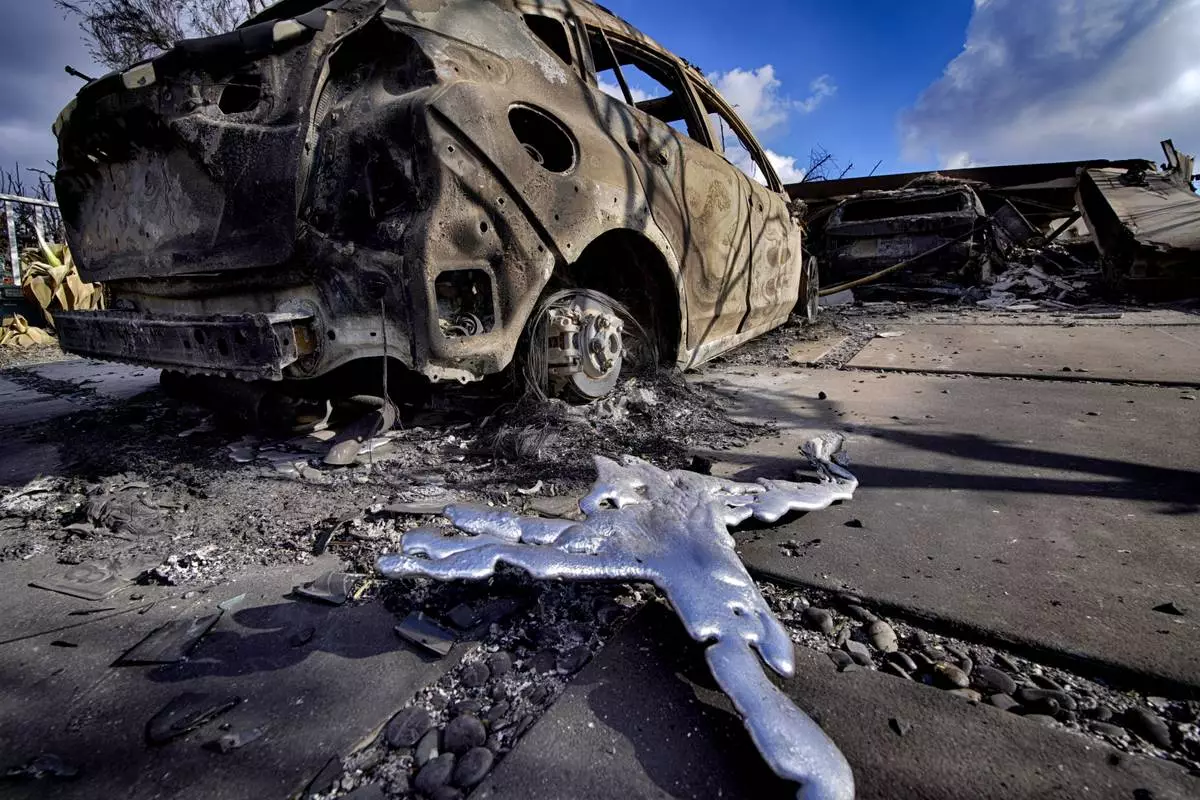
FILE - Melted metal and burned out cars sit destroyed in a driveway of a home burned by the wildfire that spread through the Pacific Palisades neighborhood of Los Angeles on Friday, Jan.17, 2025. (AP Photo/Richard Vogel, File)
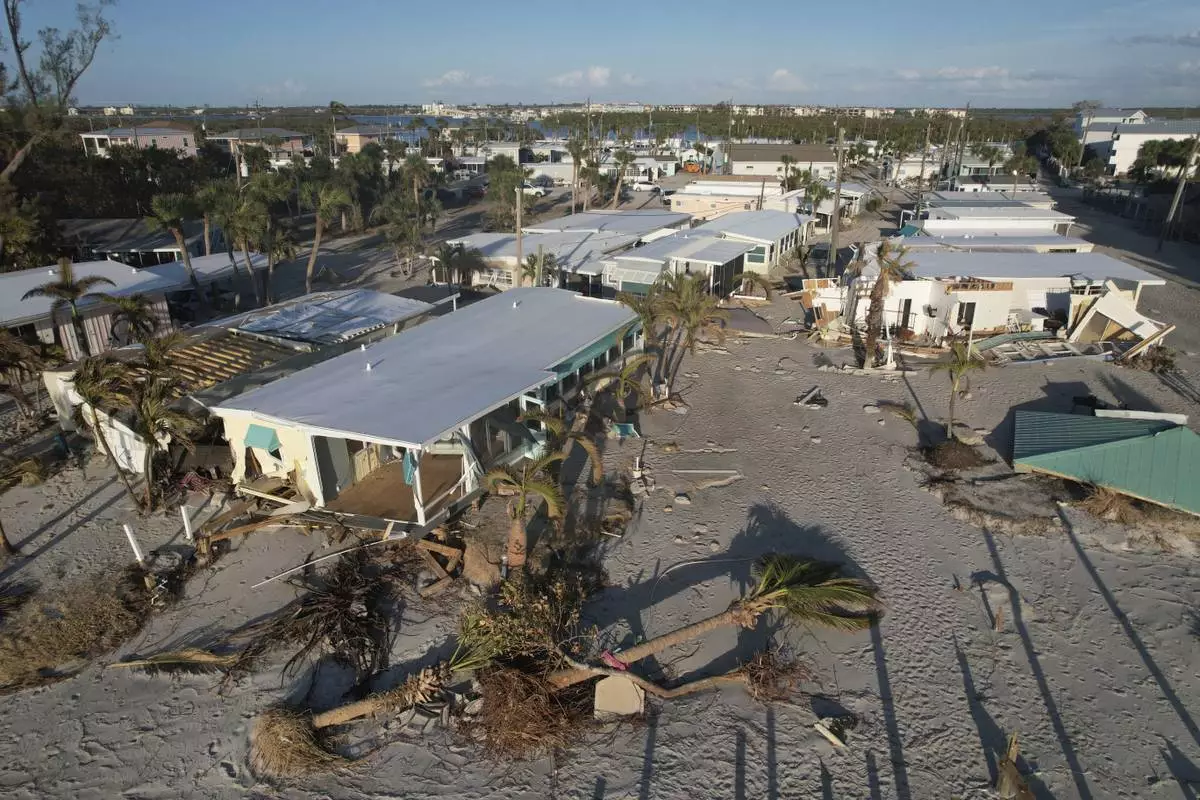
FILE - Damage from Hurricane Milton is seen at a mobile home community on Manasota Key, in Englewood, Fla., Sunday, Oct. 13, 2024. (AP Photo/Rebecca Blackwell, File)
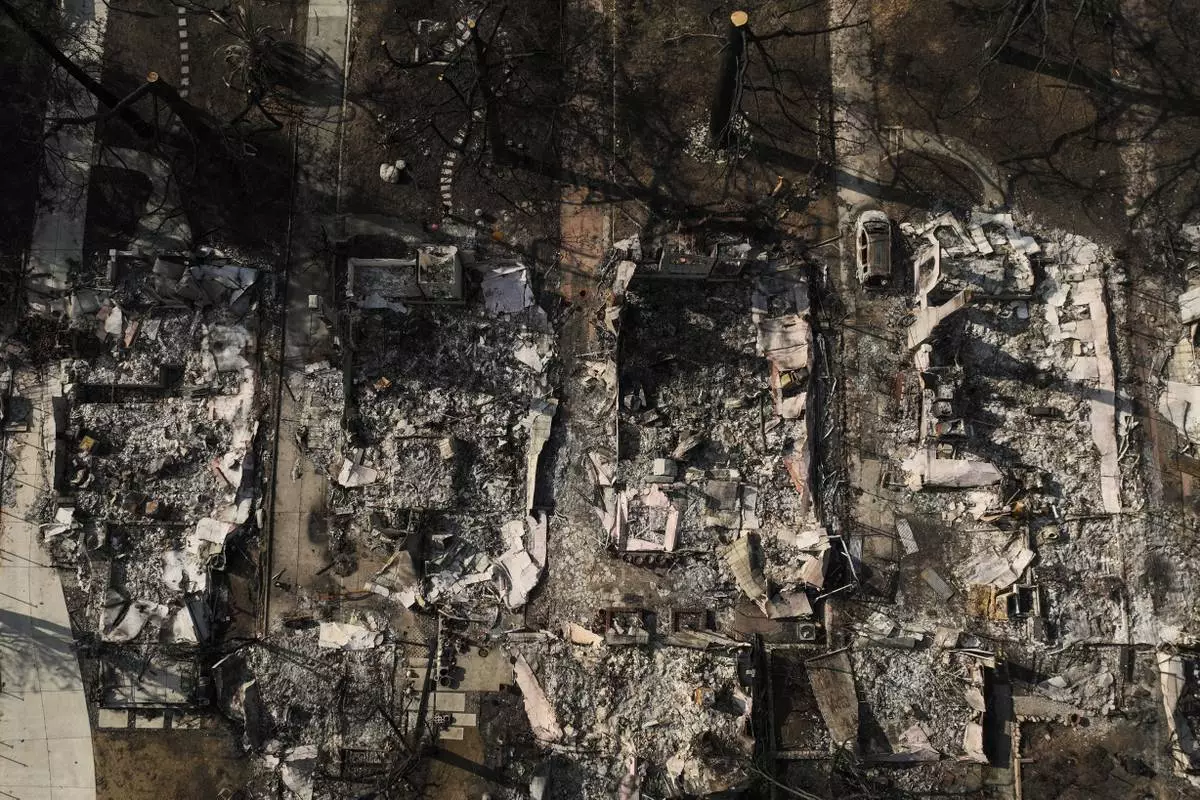
FILE - An aerial photo shows the charred homes of Louise Hamlin, center left, and Chris Wilson, center right, after the Eaton Fire in Altadena, Calif., Thursday, Jan. 30, 2025. (AP Photo/Jae C. Hong, File)
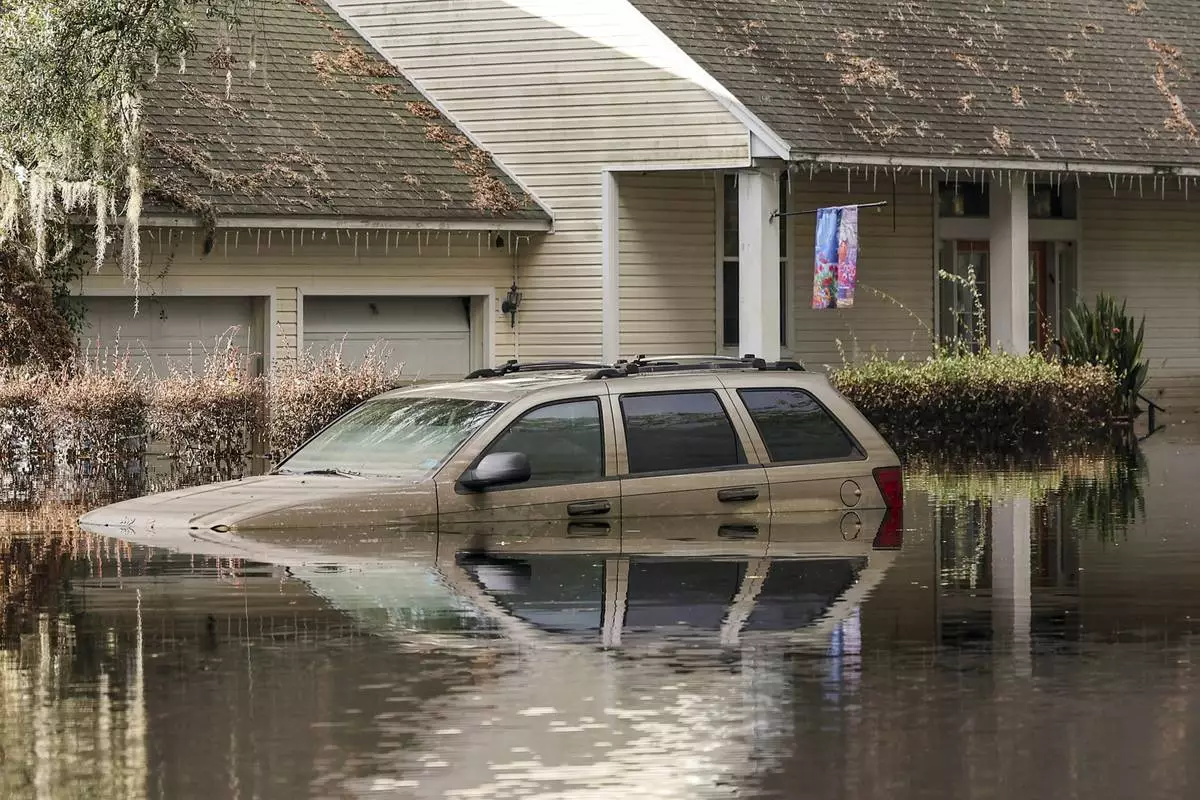
FILE - A neighborhood still flooded from Hurricane Milton prepares to have the FEMA Disaster Recover Center covert to a polling location for the general election on Monday, Nov. 4, 2024, in Ridge Manor, Fla. (AP Photo/Mike Carlson, File)