Skip to Content Facebook Feature Image

Trump's film tariff fuels global cultural divide: scholar

China

China

China

Trump's film tariff fuels global cultural divide: scholar

2025-05-09 14:50 Last Updated At:19:57

U.S. President Donald Trump's announcement of a 100 percent tariff on overseas-produced films has ignited fierce criticism from Hollywood and academic circles, amid growing concerns over the struggling domestic film industry.

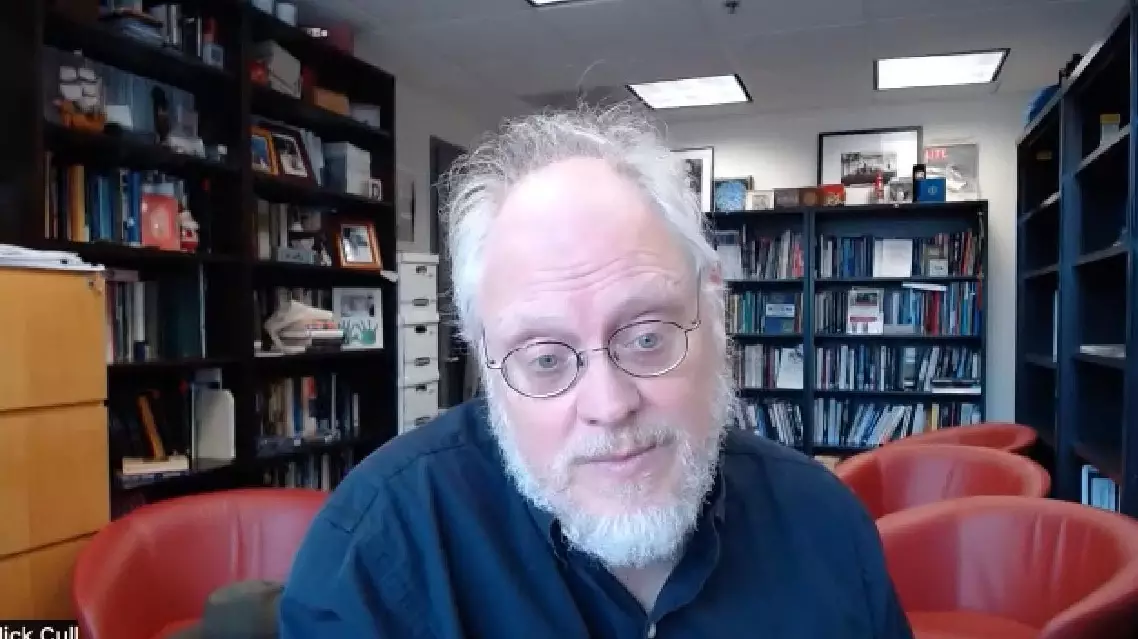
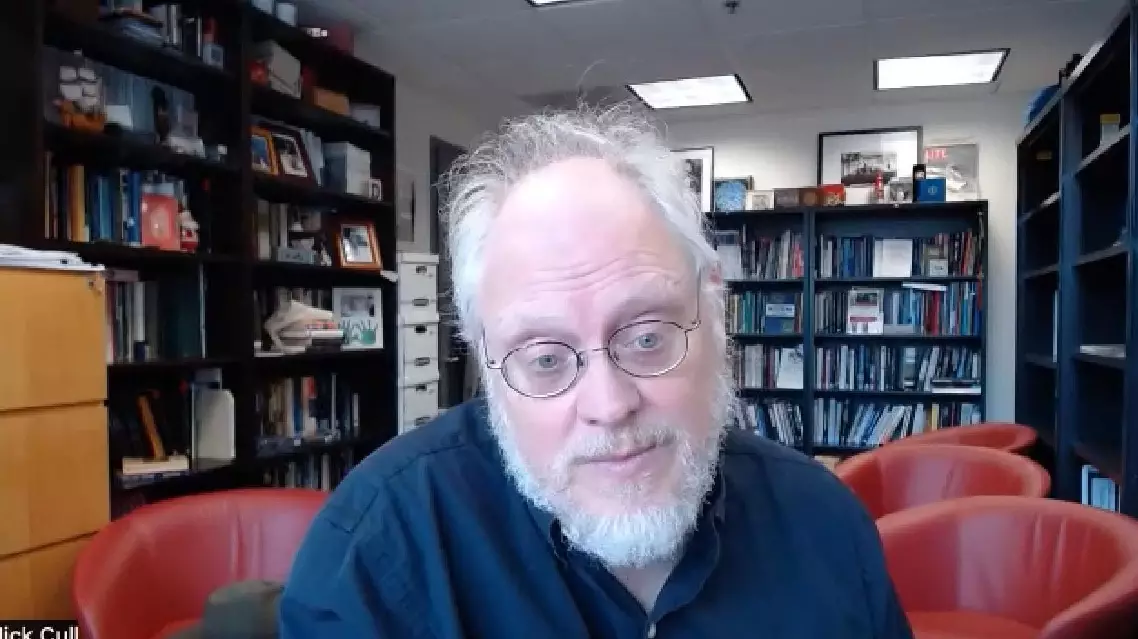
Nicholas J. Cull, a professor at the University of Southern California's Annenberg School for Communication and Journalism, warned that the film tariff is fundamentally an act of political manipulation. He cautioned that it would heighten uncertainty in the industry, hinder international cultural exchange, sever global understanding, and undermine efforts toward international cooperation and dialogue.

"We live in a world where the problems are too big for any one country to solve, and the only way these problems are going to be solved is if people are able to work together. Now working together requires trust. Trust requires knowledge. One of the ways in which countries get to know each other, get to appreciate each other, is through exposure to their popular culture. Now it should be a time for learning more about each other, building trust between countries, and learning how to work together. And seeing each other's movies, I think, is a really important way of building knowledge and building trust. And so to me, the idea of limiting the distribution of films or penalizing production of foreign films is swimming in exactly the wrong direction at this particular moment in history," said Cull.

Cull also challenged Trump's justification that foreign films pose a threat to national security, calling it unconvincing and counterproductive to America's global image.

"He is making this important connection in that statement between what people see of America, how people feel about America, and how secure the United States is, but I don't think making crazy proposals and threatening our neighbors is a great way of helping America's reputation. I think that there must be better ways of going about this. So in the long term, this kind of behavior, I think increases mistrust about the United States," he said.

Cull further warned that the policy could trigger retaliatory measures from other countries, escalating into a cultural trade war that would limit the global flow of ideas and creativity.

"I think that in the more immediate future we can see that there will be a danger of reciprocal tariffs. So other countries will say, 'well, if you're going to impose a tariff on our production, we're going to impose a tariff on your production.' And that would be unhelpful. I think one of the things I would worry about is the world seeing less of one another's creativity, less of one another's perspectives. Right now, we need to know more about what each other are thinking, I feel," he explained.
Trump's film tariff fuels global cultural divide: scholar
Trump's film tariff fuels global cultural divide: scholar
Trump's film tariff fuels global cultural divide: scholar

Trump's film tariff fuels global cultural divide: scholar
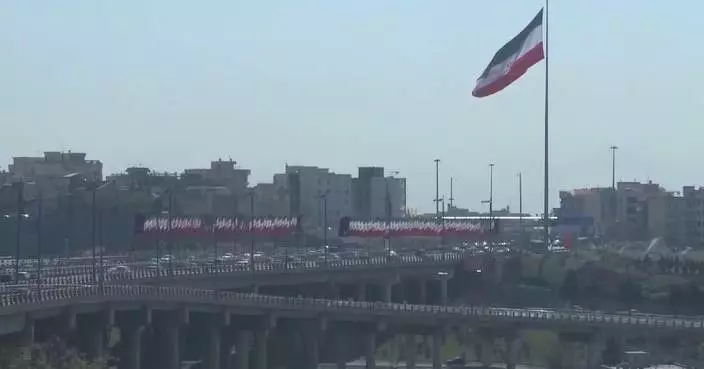
The Iranian government is focusing on public concerns and maintaining stable supplies of essential goods amid recent protests, Iranian President Masoud Pezeshkian said in a televised interview on Sunday.

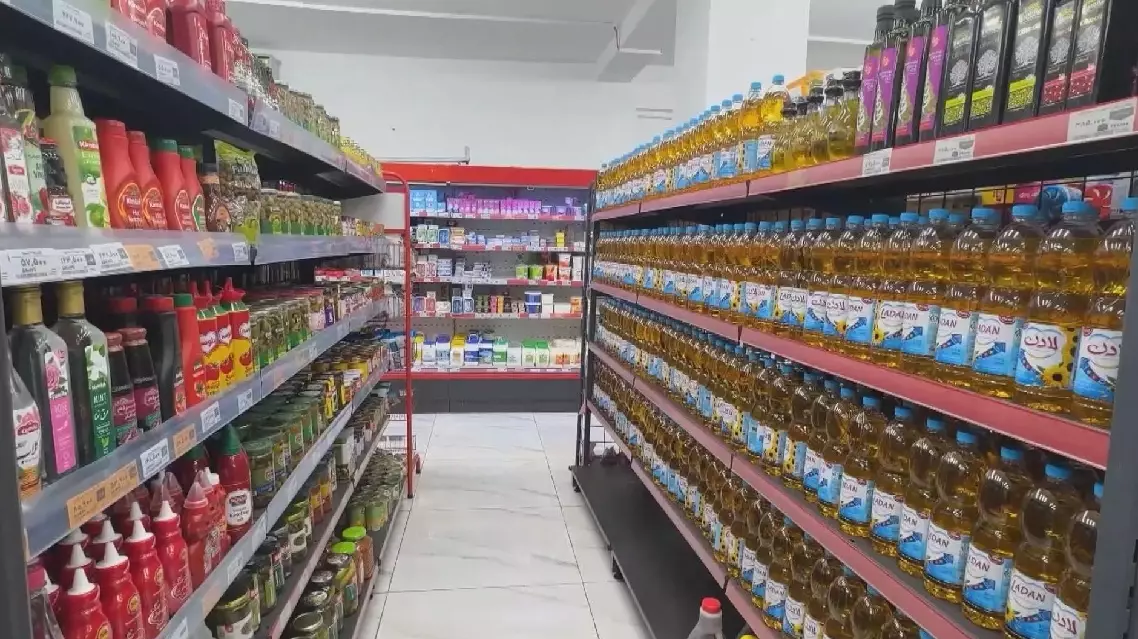
In the city of Karaj, northwest of the capital Tehran, daily life has largely continued as normal. A video filmed by a local resident on Sunday shows food stores open and grocery shelves fully stocked.

"This is the block near my home, and there are some food stores here. Daily life continues here. Last night we did not see many protests in Karaj. Right now the city is very safe. This is a grocery store close to my home. All the food is available; nothing is in shortage. Here are noodles and different types of beans. Here are dairy products, cheese, and yogurt. I also checked other grocery stores and didn't see any shortages. Everything is available," said local resident Ali Reza.

Iranian officials have described recent disturbances as acts orchestrated by the "enemy," including some carried out by well-trained and armed "terrorists." The incidents have caused casualties among security personnel and civilians, as well as property damage.

The Secretary of Iran's Supreme National Security Council Ali Larijani has directed authorities to severely punish the "terrorists."

Meanwhile, Iran's police chief Ahmad-Reza Radan said on Sunday that the police had raised alert levels and arrested several leaders of the troublemakers during the operations on Saturday.

President Pezeshkian noted in the interview that the normal demands of the Iranian people are reasonable and justified, but they must realize that triggering riots and carrying out terrorist acts are the enemy's attempts to undermine the country. He urged the public to remain vigilant.

Also on Sunday, Iranian Parliament Speaker Mohammad Baqer Qalibaf warned that Tehran would regard U.S. and Israeli bases and facilities in the Middle East as "legitimate targets" if Washington takes military action against Iran. His remarks followed media reports saying U.S. President Donald Trump is "seriously considering authorizing a strike" against Iran.

Iranian state media reported that at least 109 members of Iran's security forces have been killed in clashes since the protests began 14 days ago. Meanwhile, human rights groups based outside the country said the number of protesters killed has exceeded 200, though the figure could not be independently verified.

The protests initially erupted over a sharp depreciation of the rial and sweeping subsidy reforms. Iranian authorities have blamed the unrest on foreign-linked agents and sanctions imposed by the United States.

Iranian president says government focusing on ensuring supplies amid protests

Iranian president says government focusing on ensuring supplies amid protests

Recommended Articles