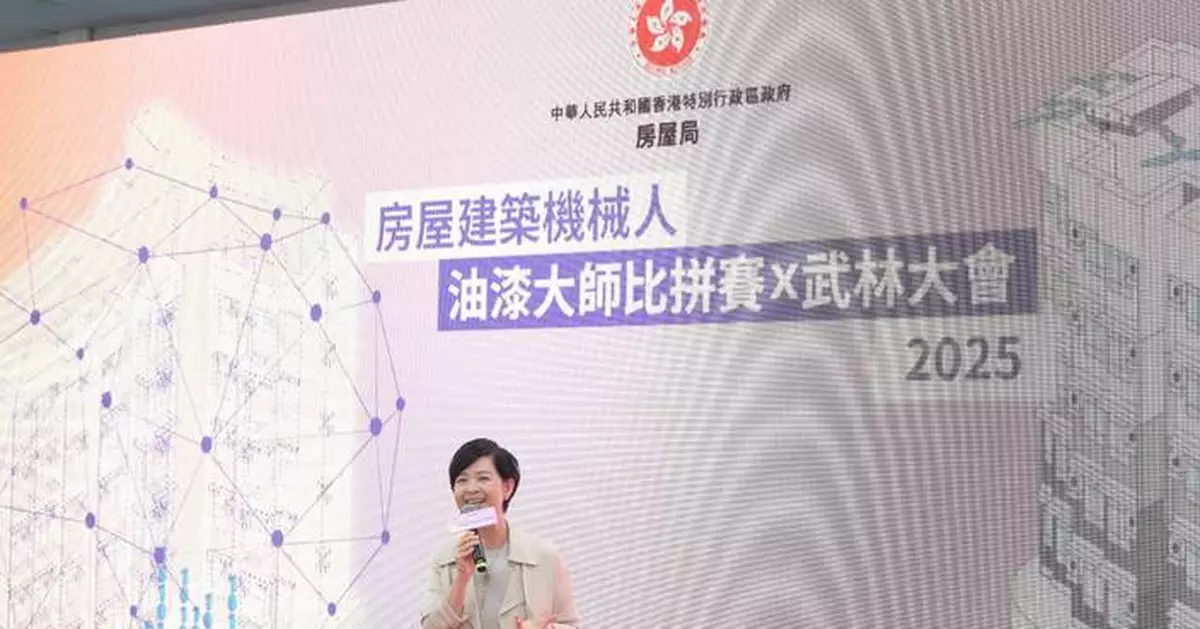
HB organises Construction Robots for Housing - RoboPaint Master Competition x Arena of Construction Robots to advance applications of construction technologies
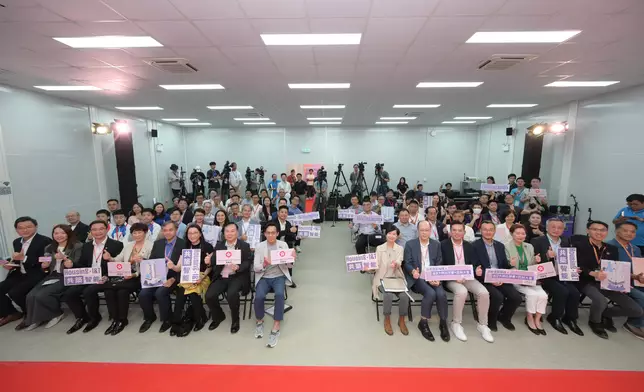
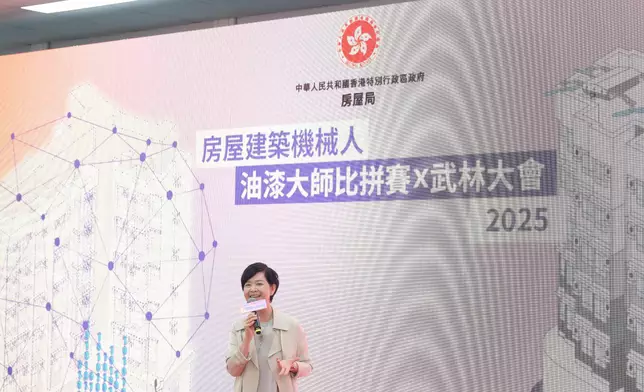
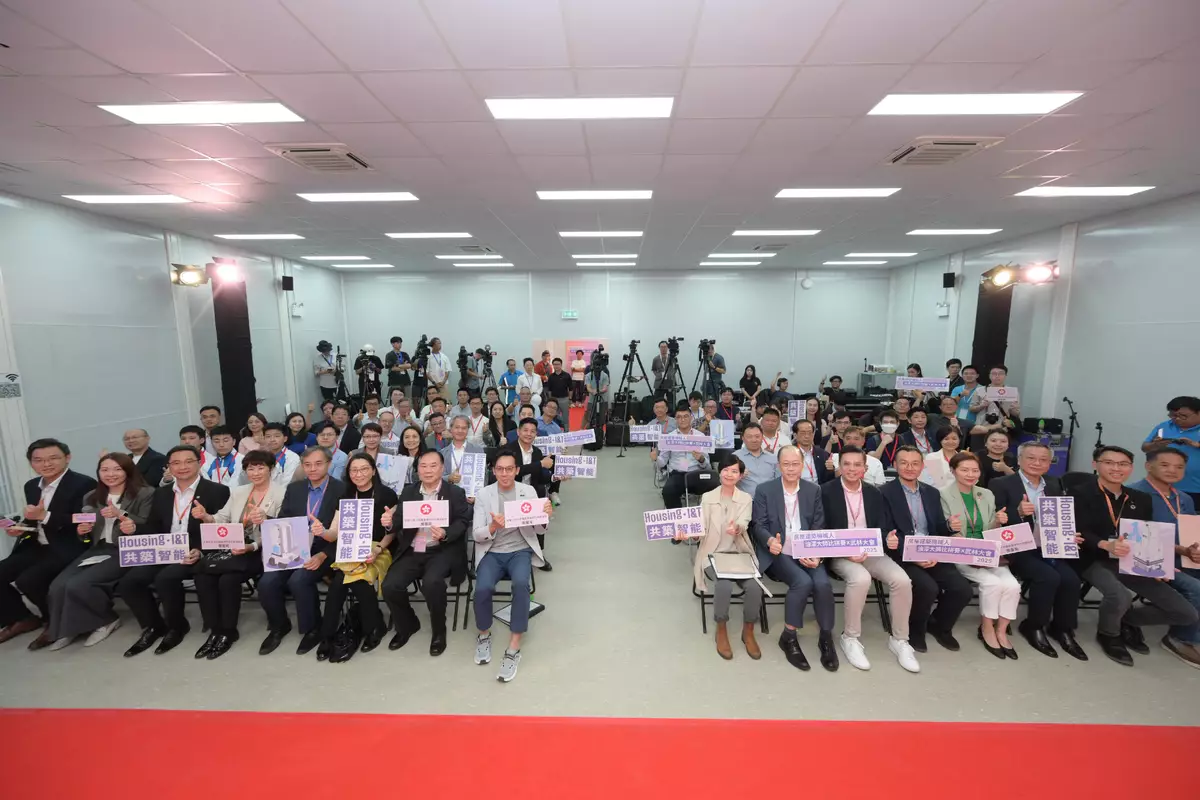
The Housing Bureau (HB) organised the Construction Robots for Housing - RoboPaint Master Competition x Arena of Construction Robots today (May 12) to promote the adoption of industry technologies and advance public housing developments into a new era of smart construction.
Click to Gallery
HB organises Construction Robots for Housing - RoboPaint Master Competition x Arena of Construction Robots to advance applications of construction technologies Source: HKSAR Government Press Releases
HB organises Construction Robots for Housing - RoboPaint Master Competition x Arena of Construction Robots to advance applications of construction technologies Source: HKSAR Government Press Releases
HB organises Construction Robots for Housing - RoboPaint Master Competition x Arena of Construction Robots to advance applications of construction technologies Source: HKSAR Government Press Releases

HB organises Construction Robots for Housing - RoboPaint Master Competition x Arena of Construction Robots to advance applications of construction technologies Source: HKSAR Government Press Releases
HB organises Construction Robots for Housing - RoboPaint Master Competition x Arena of Construction Robots to advance applications of construction technologies Source: HKSAR Government Press Releases
To expedite the speed and efficiency of increasing the public housing supply and address the challenge of an ageing workforce and construction manpower shortages, the HB and the Hong Kong Housing Authority (HKHA) are leveraging innovative construction technologies to boost productivity and improve safety. As part of the Housing•I&T initiative, the HB will host a series of events, including today's robotics competition, a housing construction robot design competition for secondary school students in September, and an international summit in November aimed at fostering the development of a construction technology market. The Construction Robots for Housing - RoboPaint Master Competition x Arena of Construction Robots is the first highlight of this initiative. The event provides the industry with a platform to test and demonstrate their technological products, allowing participants to fully explore and maximise the development potential of innovative construction technologies.
A Mainland robotics company has already partnered with the Hong Kong University of Science and Technology to establish a joint research institute for a few years to promote and strengthen co-operation between the university and industry in the development of robotics technology. The HKHA anticipates that the use of robotics will gradually become more prevalent, and has thus incorporated requirements for such use in its tender documents. By leveraging the stable and substantial volume of public housing projects and diverse application areas, the HKHA aims to attract Mainland robotics companies to progressively deploy their technologies in public housing initiatives. Acting as a "super connector" and a "super value-adder", the HKHA actively seeks and validates tailored robotics solutions that meet industry needs while promoting successful cases to the sector. As a result, several robotics companies subsequently have decided to expand their business operations in Hong Kong, using it as a springboard to enter markets in Singapore, the Middle East and Europe. It is believed that the establishment of more innovation and technology (I&T) enterprises in Hong Kong will further drive the vibrant development of the city's I&T ecosystem.
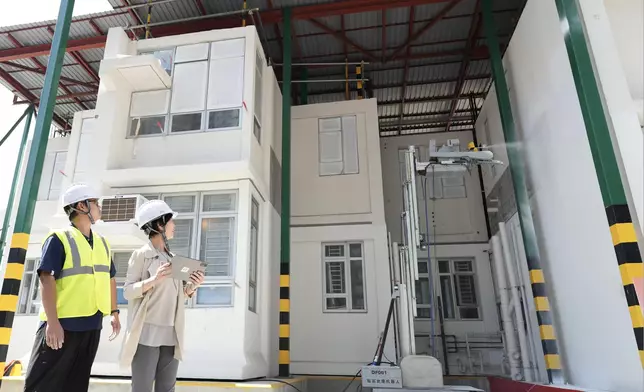
At the event's opening ceremony, the Secretary for Housing, Ms Winnie Ho, said, "According to the indicators for specific tasks as in the Chief Executive's 2024 Policy Address on construction robots, the HKHA will specify in tender documents the construction processes where robots can be employed to enhance site safety and construction efficiency. The highlight of today's event is the painting robots participating in the Construction Robots for Housing - RoboPaint Master Competition. The application of construction robots not only boosts productivity and quality but also creates a safer and healthier working environment for frontline workers. This advancement elevates the technological standards and professional image of the industry, making it more appealing to young professionals. A recent case of a public housing project demonstrates that collaborative painting robot systems can enhance the efficiency of indoor painting works by over 50 per cent and improve works quality. For instance, in a public housing project with a standard floor comprising 24 units, traditional methods require eight skilled workers for wall finishing, while only two operators are needed when using a robotics system."
In addition to contractual requirements, the HKHA will continue to expand the scope of subsidies available for contractors adopting construction robots through the Government's Construction Innovation and Technology Fund. This two-pronged strategy will encourage the industry to widely adopt innovative technologies and establish a new "human-machine collaborative housing construction model".
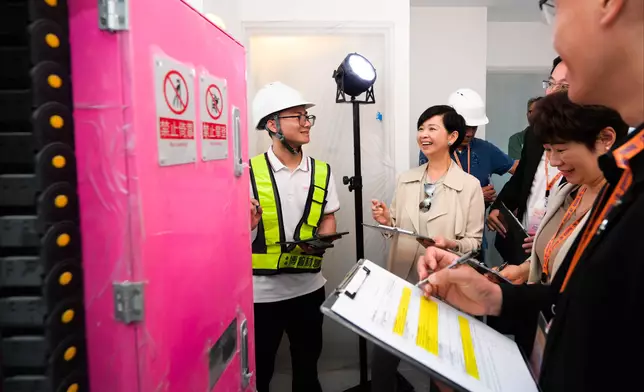
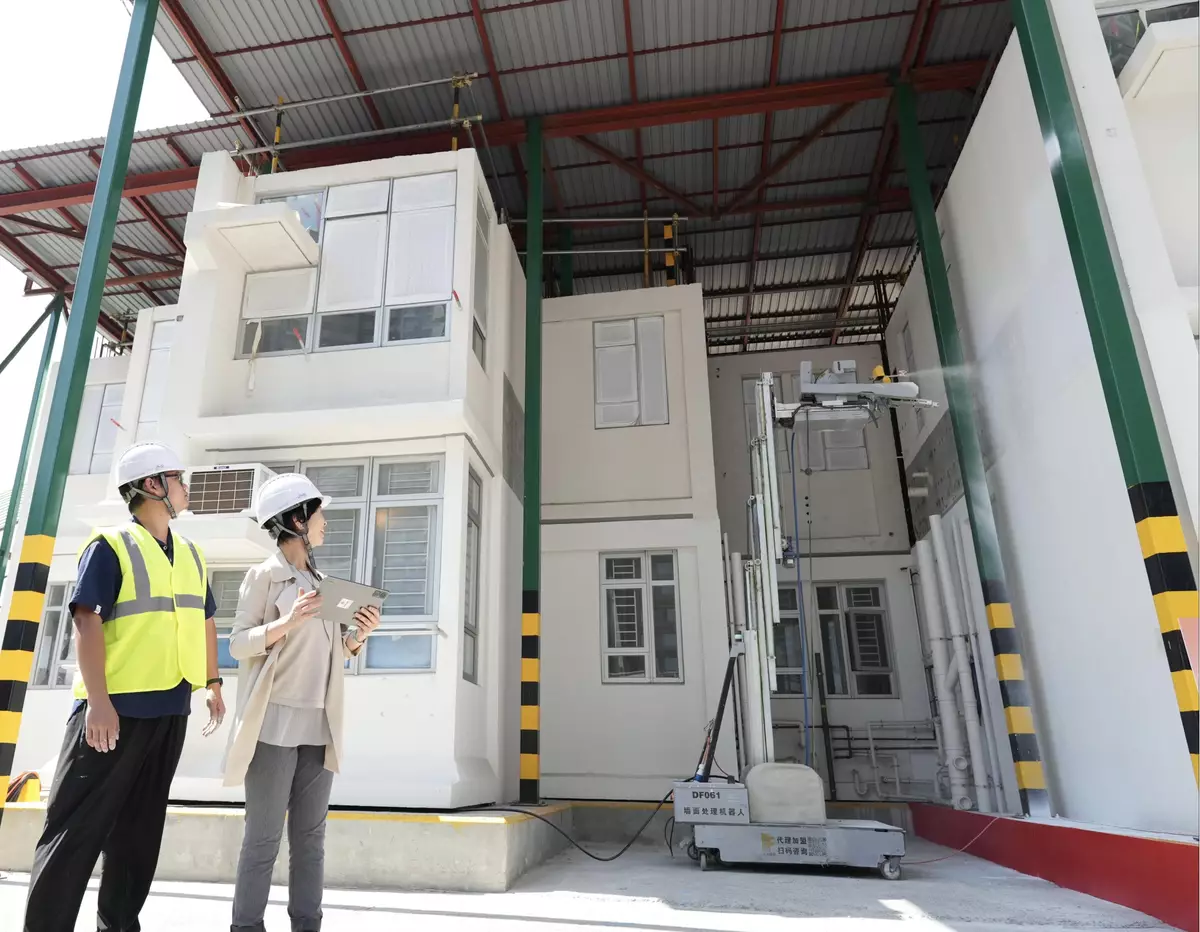
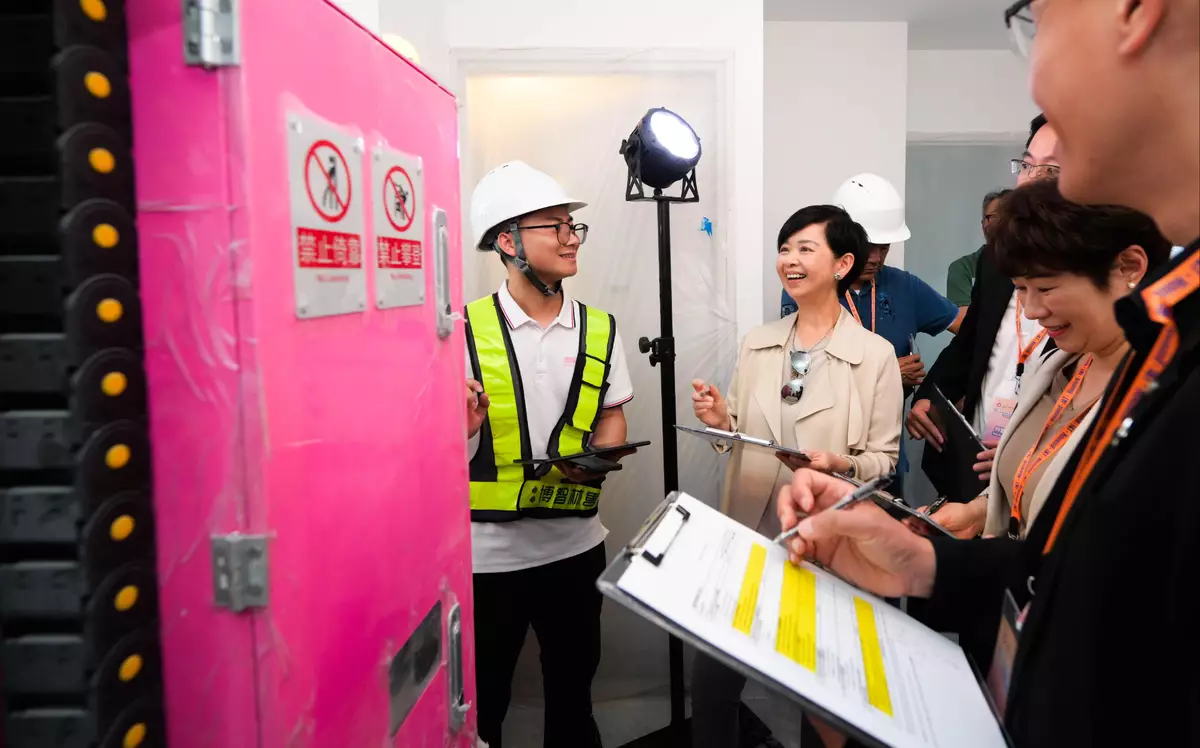
The robots participating in today's Construction Robots for Housing - RoboPaint Master Competition were evaluated by a jury panel, comprising Ms Ho and representatives from the Hong Kong Institution of Engineers, the Hong Kong Institute of Architects, the Construction Industry Council and industry experts. The judging criteria encompassed technical performance, efficiency and productivity, quality of painting and safety.
The results of the Construction Robots for Housing - RoboPaint Master Competition are as follows:
Grand Award: Bright Dream (HK) Construction Technology Limited, Weibuild Technology HK Limited
1st Runner-up: Fangshi Technology Company Limited, Fulltime Robotics Company Limited
2nd Runner-up: HONGKONG DAFANG AI CO., LIMITED
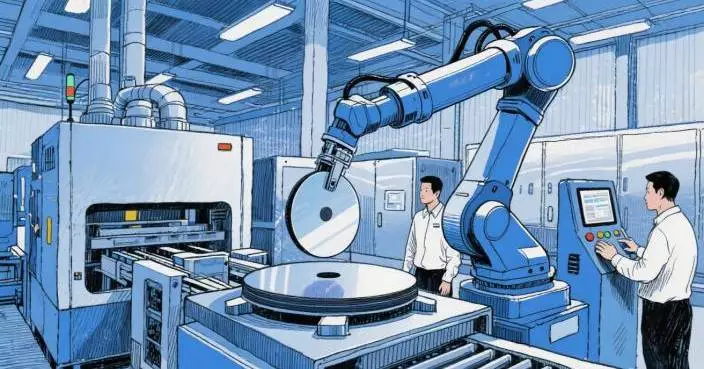
The Construction Robots for Housing - Arena of Construction Robots showcased six types of robots with potential applications in public housing construction. These included a rebar-tying robot, a floor-tiling robot, a steel frame-cutting robot, a six-metre tall three-in-one wall-painting robot, a concrete internal wall-grinding robot and an autonomous small unmanned aircraft for scanning. Live demonstrations of these robots provided contractors with insights into the latest developments in innovative construction technologies, encouraging broader industry adoption and further advancing the sector's development.
Currently, construction robotics systems have been implemented in over 20 public housing development projects, with an additional 30 projects expected to follow by 2027.
HB organises Construction Robots for Housing - RoboPaint Master Competition x Arena of Construction Robots to advance applications of construction technologies Source: HKSAR Government Press Releases
HB organises Construction Robots for Housing - RoboPaint Master Competition x Arena of Construction Robots to advance applications of construction technologies Source: HKSAR Government Press Releases
HB organises Construction Robots for Housing - RoboPaint Master Competition x Arena of Construction Robots to advance applications of construction technologies Source: HKSAR Government Press Releases

HB organises Construction Robots for Housing - RoboPaint Master Competition x Arena of Construction Robots to advance applications of construction technologies Source: HKSAR Government Press Releases
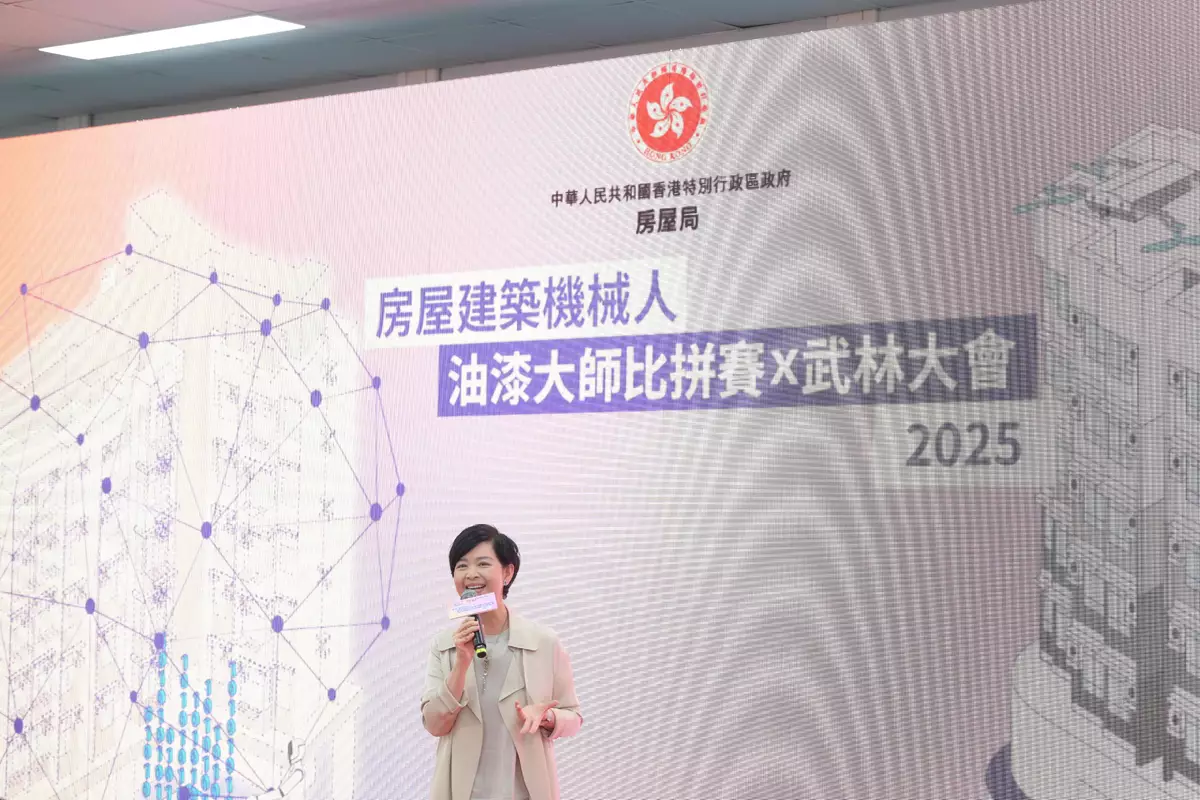
HB organises Construction Robots for Housing - RoboPaint Master Competition x Arena of Construction Robots to advance applications of construction technologies Source: HKSAR Government Press Releases