A new wave of self-care spending is sweeping through urban China as young people increasingly seek out products and experiences that offer stress relief, emotional comfort, and personal expression.
The burgeoning consumption trend is reshaping retail markets and giving rise to new business opportunities -- and even new professions.
According to data from the country's lifestyle platform Xiaohongshu, known internationally as RED, posts related to emotional well-being, including aromatherapy, sleep aids, collectible toys, plush dolls, and indoor plants, have surged more than 400-fold over the past three years. E-commerce giant Taobao reports that in 2024, emotional value and personal interest have become the top reasons young people make purchases.
In Jinan, capital of east China's Shandong Province, malls are buzzing with activity during the city's May shopping season. A dedicated self-care area has become a crowd magnet, with squishy stress-relief toys drawing in curious shoppers.
"Sales of these stress-relief toys in our store have increased by more than 50 percent compared to the same period last year," said Zhang Mengxue, a store manager.
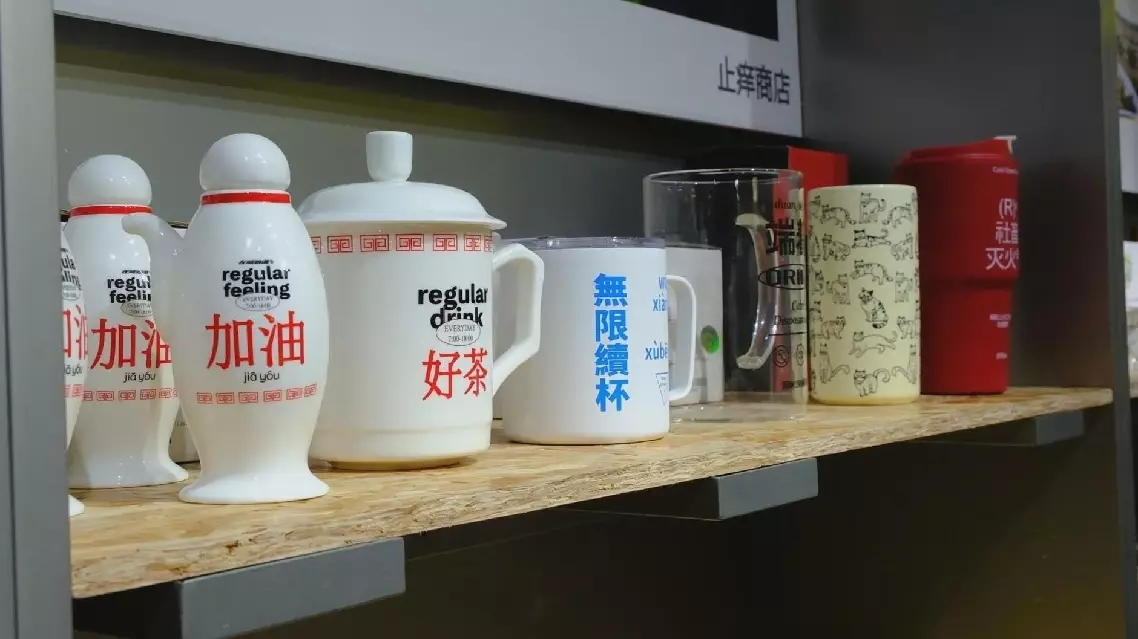
In Shanghai, a lifestyle store on the fashionable Huaihai Road attracts young visitors with its bold, colorful decor and shelves stocked with mood-boosting merchandise. For many, it's about more than just fun.
"These products really speak to how I feel. They help regulate my emotions, and I think a lot of stressed-out office workers would feel the same," said a shopper surnamed Xin. Personalized experiences are also riding the wave. One popular store offers a "four-panel life comic," where customers pay 99 yuan (about 14 U.S. dollars) to have a moment from their life turned into a custom cartoon. Customers write down a memory or wish, and 30 minutes later, they walk away with a one-of-a-kind illustration drawn by an in-store artist.
"We open at 10:00 in the morning, and within about three hours, we're usually done taking sign-ups for the whole day. It's really a two-way street, and some customers bring such good energy that it makes us super happy too," said Yilidana, a comic studio owner.
The rise of self-care spending is also transforming supply chains and inspiring businesses to explore new directions. In Fuzhou, east China's Fujian Province, one craft manufacturer has fully transitioned from traditional giftware to stress-relief toys.
The head of the company said that the transformation started with a batch of stress-relief phone charms, which all sold out.
"We never expected the sudden surge in demand since last year, especially after we've taken part in the East China Import and Export Fair and the Canton Fair," said Qian Shengxi, head of the company.
This booming market is also giving rise to new careers. One such emerging profession is the "stress-relief toy designer." Huang Zhuhao, a former craftsman with a background in design, now develops such playful toys and has already created more than 30 bestsellers.
"Design orders are booked up for the next three months. Designing this type of toy is completely different from traditional crafts. It requires constant learning and innovation," said Huang.
Another niche role gaining attention is the "doll customizer." These artists transform ordinary dolls into personalized art pieces through repainting, sculpting, and redesign.
"I came from Beijing. I started out as a hobbyist. I've always really loved dolls. And now I want to work in this industry professionally," said Lin, a trainee at a workshop in Chengdu City, southwest China's Sichuan Province.
China's youth drive self-care spending boom