China is witnessing a surge in rural tourism, led predominantly by young travelers seeking cultural, ecological, and immersive experiences outside urban centers.
According to data from the China Tourism Academy, search volume for "rural tourism" has significantly increased since May, with 70 percent of county-level bookings made by travelers aged 20 to 35.
In Qingzhou City of east China's Shandong Province, local tourism operators have found lucrative businesses by aligning with the preferences of younger consumers. Popular attractions such as butterfly orchids and ornamental succulents are bringing more than just visits, which are encouraging urban visitors to settle and start up businesses.
"Many of our flower varieties suit the aesthetic preferences of young people," said Dong Chunyan, a local flower business entrepreneur.
The rise in rural tourism is also transforming the traditional role of farmers. More "new farmers" in the country are shifting from purely operating agricultural production to becoming cultural and tourism ambassadors, contributing to the diversification and modernization of rural economies. "Based on our local lifestyle sampling surveys, rural households account for approximately 20 percent of rural tourism bookings in Wuxi," said Rong Yan, deputy director of the Publicity Department at the Wuxi Bureau of Agriculture and Rural Affairs in Zhejiang Province. Tourism data from the China Tourism Academy further illustrate this trend. In the first quarter of this year, both urban and rural residents demonstrated strong growth in travel activity. During the May Day holiday season on May 1-5, rural residents made more than 49.71 million tourist trips, representing 15.8 percent of total domestic travel, a clear sign that tourism is becoming a vital consumption avenue for both urban and rural populations.
"Rural residents are no longer just hosts of rural tourism. They are also active consumers. This dual role is helping to deepen and expand the tourism market," said Dai Bin, president of the China Tourism Academy.
To cater to evolving consumer expectations, rural destinations across the country are developing multi-format, day-and-night immersive experiences that combine culture, entertainment and technology.
In Luxi County of east China's Jiangxi Province, events like the kite-picnic festival offer visual and recreational enjoyment, drawing visitors to scenic countryside locations.
In the Huangshi Garden Expo Park of central China's Hubei Province, new attractions such as "Dinosaur Town" and "Water World" leverage virtual reality and artificial intelligence to enhance family-oriented tourism offerings.
Meanwhile, in Gushi County of central China's Henan Province, over 100 countryside homestays have opened their doors to visitors so far this summer. A self-driving tour group from Bengbu City of east China's Anhui Province took their children to a rural tea courtyard where they participated in a hands-on "Kung Fu tea" workshop, part of a growing interest in intangible cultural heritage experiences.
In Wenjiang and Xinjin of southwest China's Sichuan Province, rural cinema screenings and open-air music festivals are bringing new life to summer nights. At the Tianfu Agricultural Expo Park, more than 350 regional specialty products have been showcased in a curated marketplace, under a promotional program launched in collaboration with 116 local grain and oil producers, which has turned out to be a model of successful integration between agriculture and tourism.
"We need to attract tourists here with the authentic rural charm, cultural richness and technological innovation. And we also need to meet the growing demand for personalized, diverse experiences," Dai said.
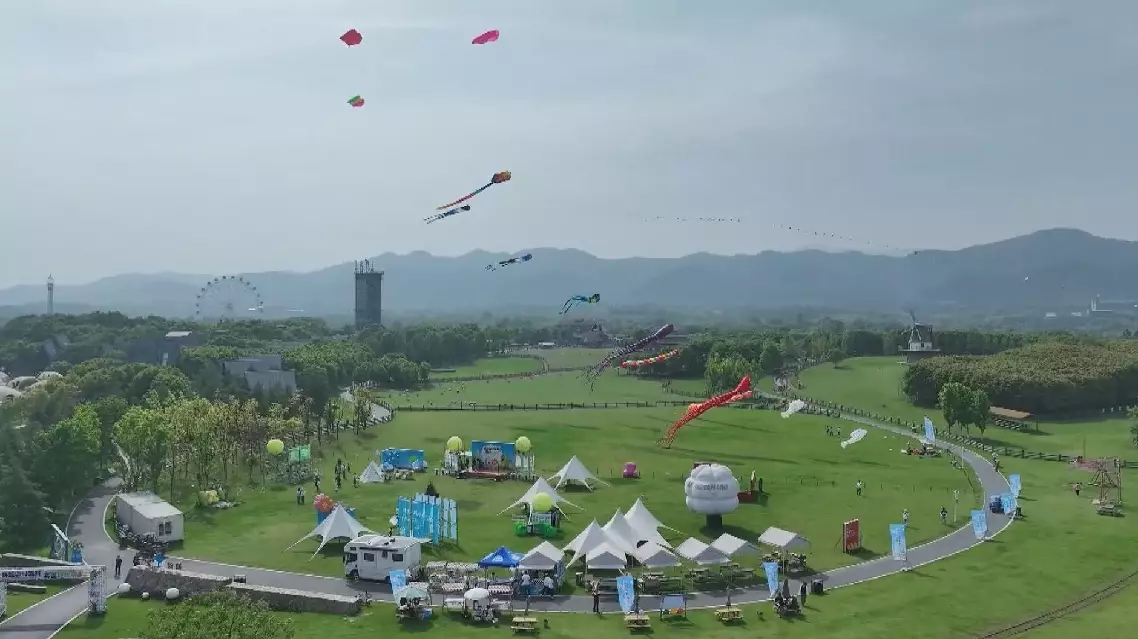
Young travelers play essential role in driving rural tourism boom in China