Skip to Content Facebook Feature Image

Feinstein Institutes Researchers Explore Vagus Nerve Stimulation for Obesity and Related Diseases

News

Feinstein Institutes Researchers Explore Vagus Nerve Stimulation for Obesity and Related Diseases
News

News

Feinstein Institutes Researchers Explore Vagus Nerve Stimulation for Obesity and Related Diseases

2025-05-13 04:16 Last Updated At:04:31

MANHASSET, N.Y.--(BUSINESS WIRE)--May 12, 2025--

Obesity affects over a third of the global population and is a major risk factor for numerous chronic diseases. To find better therapies to fight obesity and its related health problems, researchers at Northwell Health’s Feinstein Institutes for Medical Research are investigating a promising new approach in which vagus nerve stimulation (VNS) interacts with growth factor-β (TGF-β) signaling, a driver and suppressor of metabolic function.

This press release features multimedia. View the full release here: https://www.businesswire.com/news/home/20250512342237/en/

Published today in Bioelectronic Medicine – an open-access journal published by the Feinstein Institutes and BMC, part of Springer Nature – and led by Lopa Mishra, MD, co-director and professor in the Institute of Bioelectronic Medicine at the Feinstein Institutes, the review shows growing evidence that stimulating the vagus nerve could offer a much-needed non-drug treatment for obesity. The review provides valuable insights into the complex processes in obesity and related illnesses, specifically looking at TGF-β signaling, which acts as a contributer to metabolic problems and other times helps to regulate them.

The vagus nerve connects the brain to the stomach and other organs. Researchers are now investigating how VNS might interact with TGF-β signaling, potentially fine-tuning its effects to improve metabolic health, while also focusing on the SPTBN1 protein, which acts as a switch for the TGF-β system and may be a promising drug target.

“This research is our response to the urgent need for innovative strategies that combat the global obesity epidemic and its devastating consequences,” said Dr. Mishra. “By elucidating the intricate interplay between TGF-β signaling, vagus nerve stimulation and metabolic dysfunction, there’s potential to identify more precise and effective therapeutic targets.”

Obesity significantly increases the risk of developing several serious diseases, including fatty liver disease, liver damage and liver cancer. Current drug treatments often face limitations, including lack of effectiveness for some individuals, high discontinuation rates due to side effects, and the potential for weight regain after stopping the medication. VNS offers a potential alternative or complementary approach, especially given recent advancements in non-invasive ultrasound stimulation techniques by delivering small, safe electrical pulses to the vagus nerve. Researchers believe they can help people feel fuller faster, leading to reduced food intake and weight loss as the vagus nerve plays a critical role in the signaling the feeling of fullness.

“Dr. Mishra and her team's research on TGF-β and vagus nerve stimulation provides an interesting new insight into the mechanisms of obesity,” said Kevin J. Tracey, MD, president and CEO of the Feinstein Institutes and Karches Family Distinguished Chair in Medical Research. “These are novel pathways and targets that may one day lead to new therapies.”

The Feinstein Institutes for Medical Research is the global scientific home of bioelectronic medicine, which combines molecular medicine, neuroscience and biomedical engineering. At the Feinstein Institutes, medical researchers use modern technology to develop new device-based therapies to treat disease and injury.

Building on years of research in molecular disease mechanisms and the link between the nervous and immune systems, Feinstein Institutes’ researchers discovered neural targets that can be activated or inhibited with neuromodulation devices, like vagus nerve implants, to control the body's immune response and inflammation. If inflammation is successfully controlled, diseases – such as arthritis, pulmonary hypertension, heart failure, inflammatory bowel diseases, diabetes, cancer and autoimmune diseases – can be treated more effectively.

Beyond inflammation, using novel brain-computer interfaces, Feinstein Institutes' researchers developed techniques to bypass injuries of the nervous system so that people living with paralysis can regain sensation and use their limbs. By producing bioelectronic medicine knowledge, disease and injury could one day be treated with our own nerves without costly and potentially harmful pharmaceuticals.

About the Feinstein Institutes

The Feinstein Institutes for Medical Researchis the home of the research institutes of Northwell Health, the largest health care provider and private employer in New York State. Encompassing 50+ research labs, 3,000 clinical research studies and 5,000 researchers and staff, the Feinstein Institutes raises the standard of medical innovation through its six institutes of behavioral science, bioelectronic medicine, cancer, health system science, molecular medicine, and translational research. We are the global scientific leader in bioelectronic medicine – an innovative field of science that has the potential to revolutionize medicine. The Feinstein Institutes publishes two open-access, international peer-reviewed journalsMolecular MedicineandBioelectronic Medicine. Through theElmezzi Graduate School of Molecular Medicine, we offer an accelerated PhD program. For more information about how we produce knowledge to cure disease, visithttp://feinstein.northwell.eduand follow us onLinkedIn.
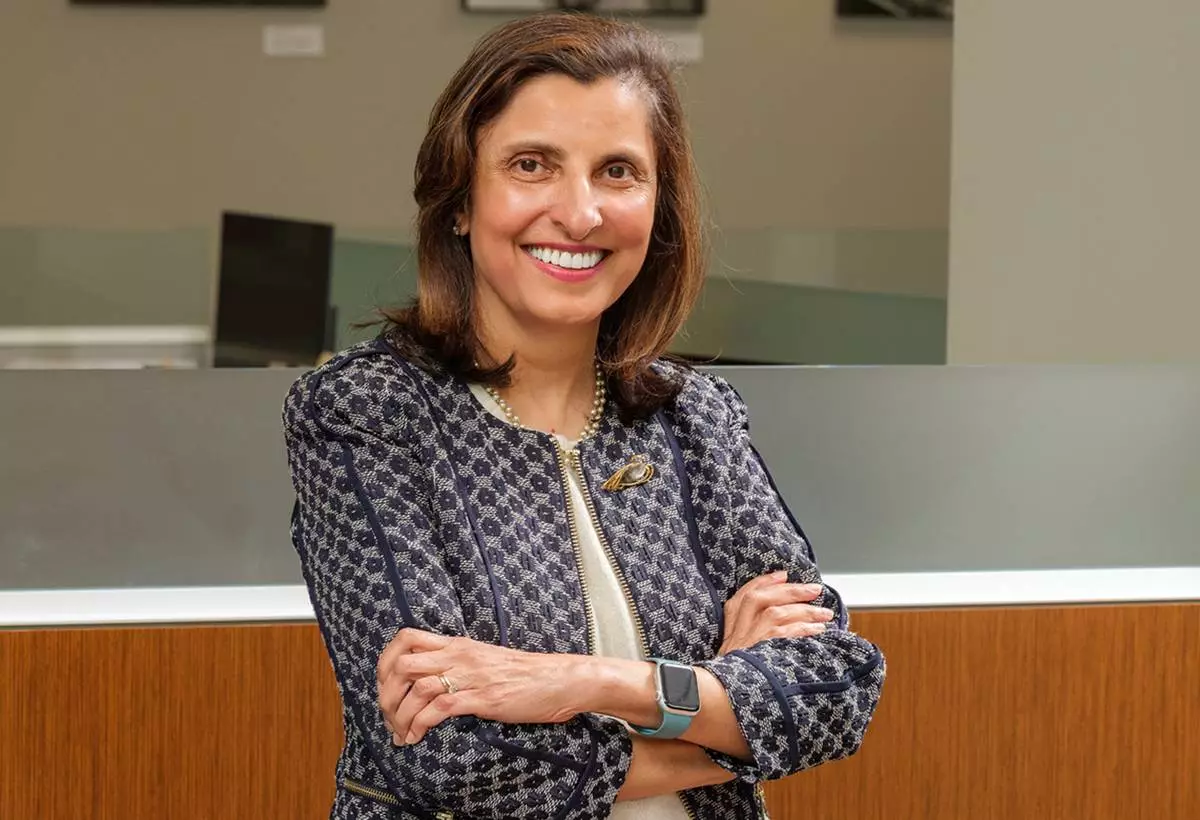
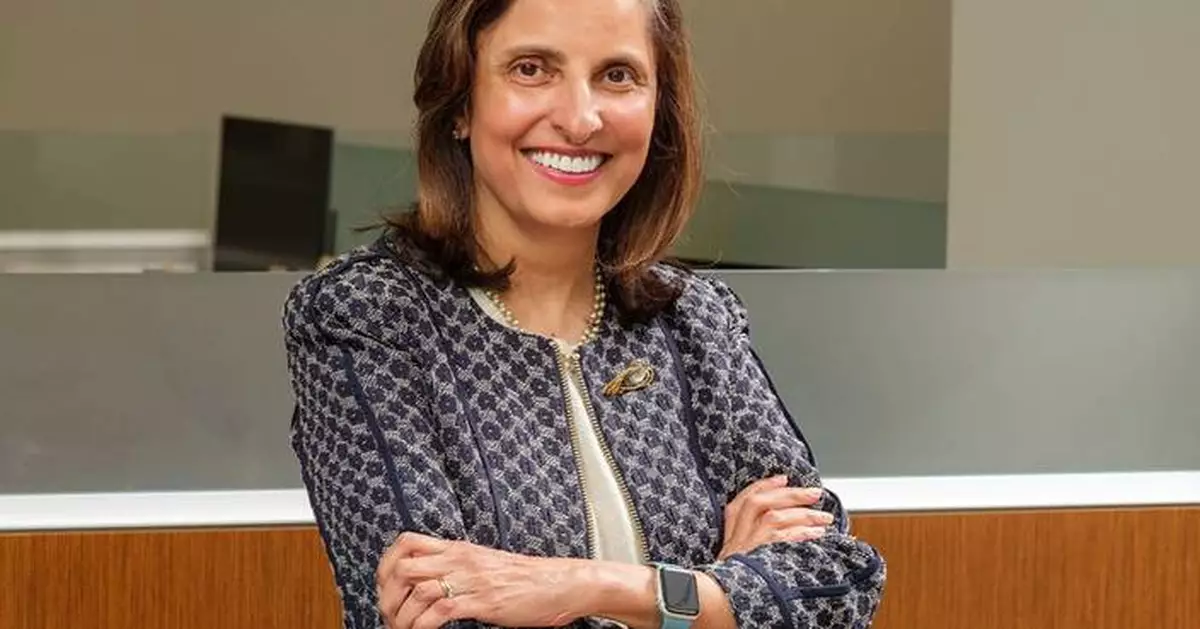
Dr. Lopa Mishra led the research. (Credit: Feinstein Institutes).
Dr. Lopa Mishra led the research. (Credit: Feinstein Institutes).
ANN ARBOR, Mich. (AP) — Michigan coach Dusty May has agreed on a deal that will have him continuing to lead the Wolverines “for many years to come,” athletic director Warde Manuel said Saturday.

Manuel made the comment during a ceremony celebrating Michigan’s NCAA Tournament championship.

“Dusty and I have already reached an agreement,” Manuel said in a remark that resulted in a standing ovation as well as chants of “Dusty!” from the crowd that had gathered at the Crisler Center.

Manuel then finished his comment.

“And he will be the leader of this basketball team for many years to come,” Manuel said.

The 49-year-old May led Michigan to a national title in his second season on the job after inheriting a program that went 8-24 the year before his arrival. Michigan went 37-3 this season and earned its first national title since 1989 by beating UConn 69-63 in the NCAA Tournament championship game.

He had been mentioned as a potential target for North Carolina, which hired former Denver Nuggets coach Michael Malone on Tuesday to replace the fired Hubert Davis.

“It’s been an honor for two years to represent all of you and to be called Coach by these guys,” May said during Saturday's ceremony. “Anytime you have a group come together and you feel like they gave you so much more than you could ever give them, it melts you. These guys did it for each other. They did it for the staff. They did it for all of you, and they did it for all the right reasons — with class, with great effort and support for each other. That’s all you can ask for as a coach.”

May owns an overall coaching record of 190-82. He went 126-69 at Florida Atlantic from 2018-24 and led the Owls to a 2023 Final Four appearance before going 64-13 at Michigan the last two seasons.

AP college basketball: https://apnews.com/hub/ap-top-25-college-basketball-poll and https://apnews.com/hub/college-basketball

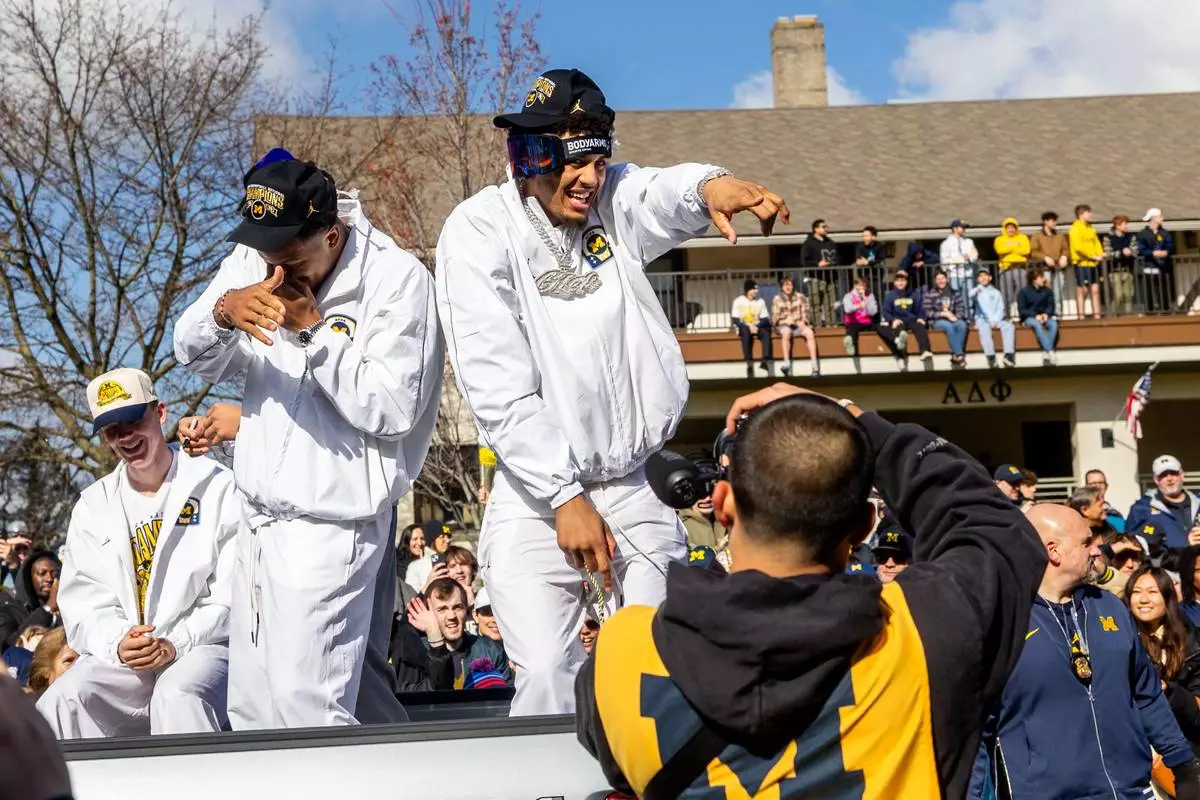
Michigan forward Yaxel Lendeborg , left, and Trey McKenney celebrate during a parade celebrating their national championship win in the NCAA college basketball tournament , Saturday, April 11, 2026, in Ann Arbor, Mich. ( Devin Anderson-Torrez/Ann Arbor News via AP)

Michigan forward Yaxel Lendeborg , left, and Trey McKenney celebrate during a parade celebrating their national championship win in the NCAA college basketball tournament , Saturday, April 11, 2026, in Ann Arbor, Mich. ( Devin Anderson-Torrez/Ann Arbor News via AP)

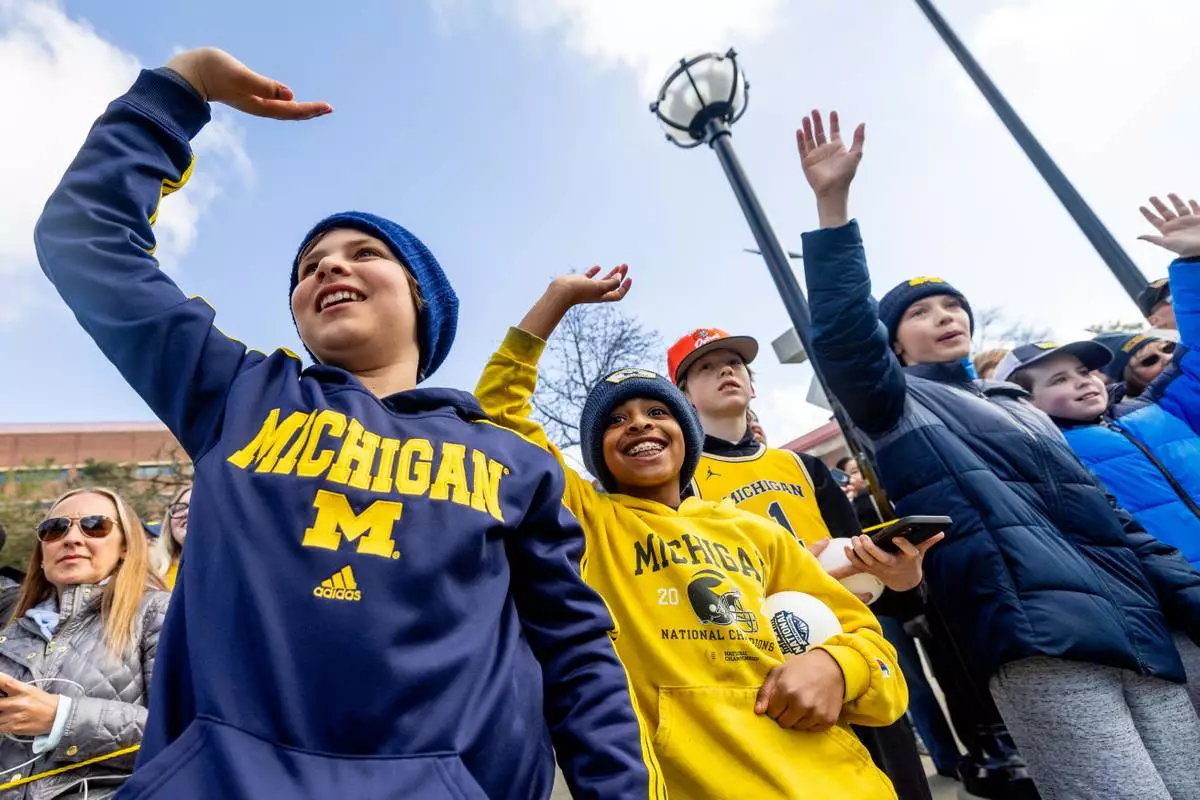
Michigan basketball fans cheer during a parade celebrating their national championship win in the NCAA college basketball tournament , Saturday, April 11, 2026, in Ann Arbor, Mich. ( Devin Anderson-Torrez/Ann Arbor News via AP)

Michigan basketball fans cheer during a parade celebrating their national championship win in the NCAA college basketball tournament , Saturday, April 11, 2026, in Ann Arbor, Mich. ( Devin Anderson-Torrez/Ann Arbor News via AP)

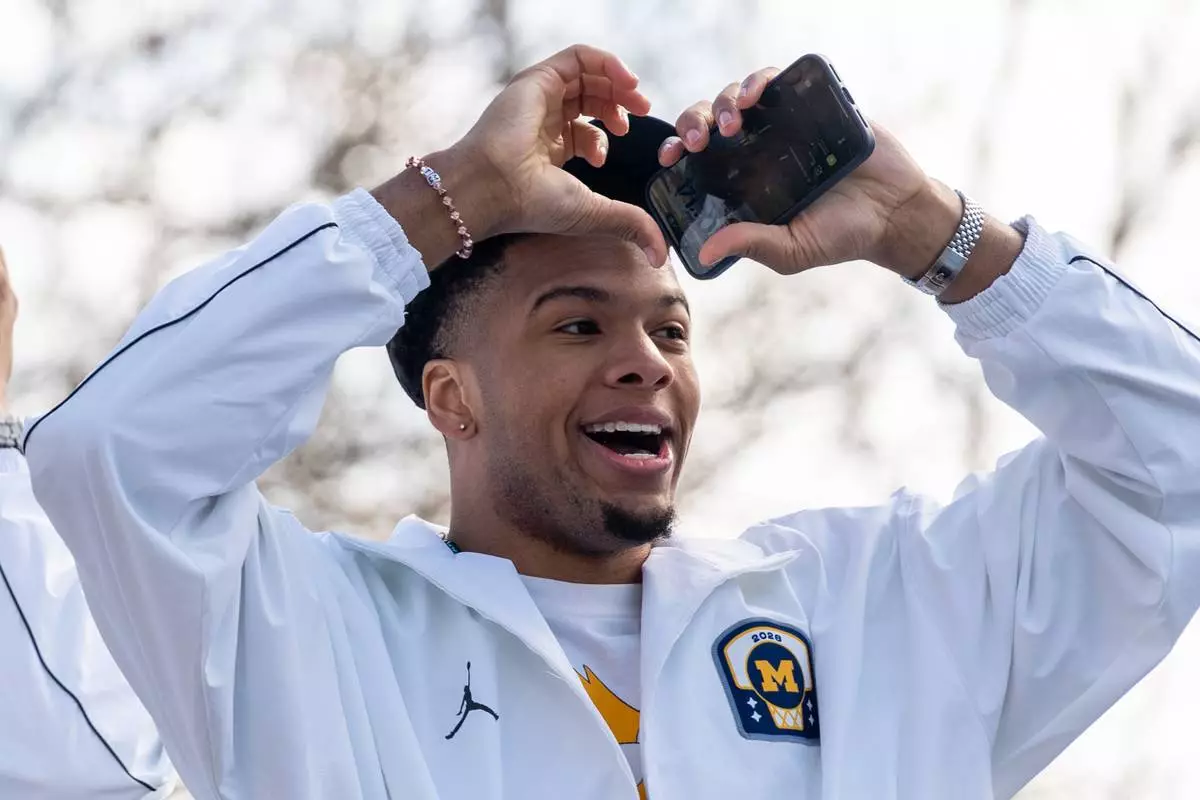
Michigan's Trey McKenney throws a heart sign to fans during a parade celebrating their national championship win in the NCAA college basketball tournament , Saturday, April 11, 2026, in Ann Arbor, Mich. (Devin Anderson-Torrez/Ann Arbor News via AP)

Michigan's Trey McKenney throws a heart sign to fans during a parade celebrating their national championship win in the NCAA college basketball tournament , Saturday, April 11, 2026, in Ann Arbor, Mich. (Devin Anderson-Torrez/Ann Arbor News via AP)

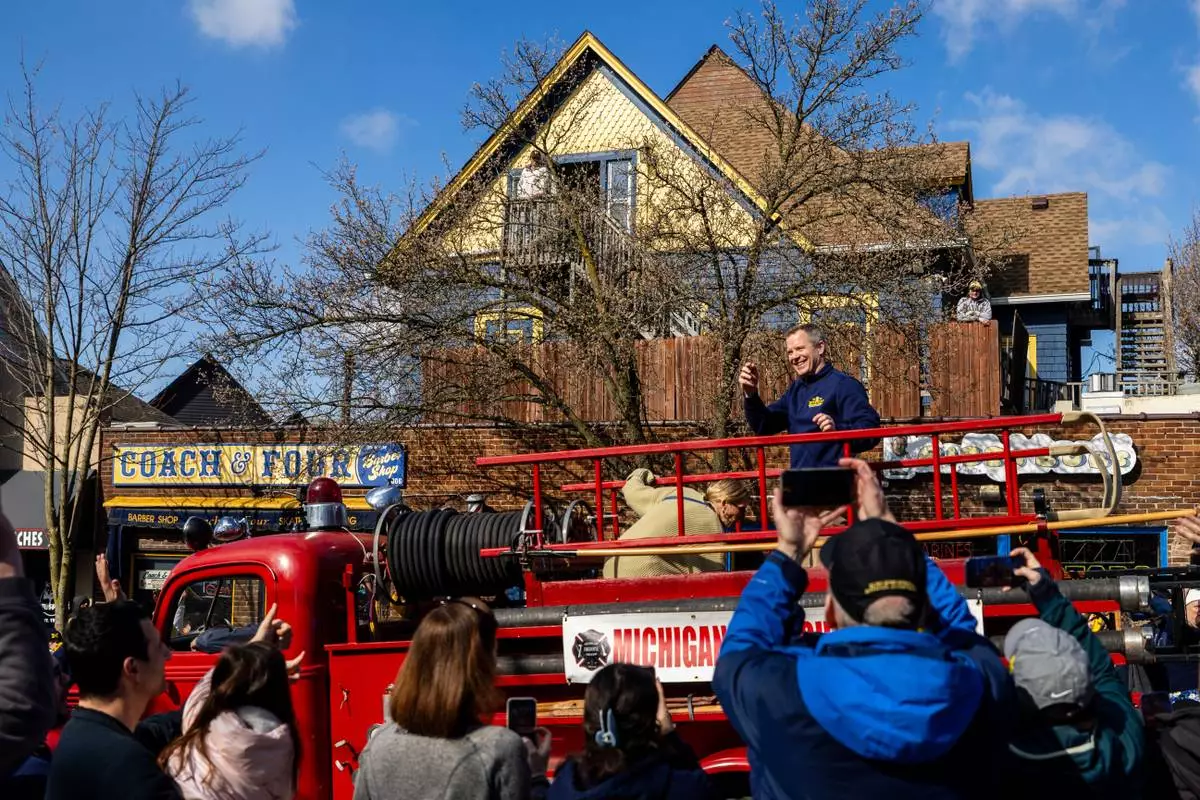
Michigan head coach Dusty May smiles during a parade celebrating their national championship win in the NCAA college basketball tournament , Saturday, April 11, 2026, in Ann Arbor, Mich. (Devin Anderson-Torrez/Ann Arbor News via AP)

Michigan head coach Dusty May smiles during a parade celebrating their national championship win in the NCAA college basketball tournament , Saturday, April 11, 2026, in Ann Arbor, Mich. (Devin Anderson-Torrez/Ann Arbor News via AP)

Michigan head coach Dusty May gestures during a parade celebrating their national championship win in the NCAA college basketball tournament , Saturday, April 11, 2026, in Ann Arbor, Mich. ( Devin Anderson-Torrez/Ann Arbor News via AP)

Michigan head coach Dusty May gestures during a parade celebrating their national championship win in the NCAA college basketball tournament , Saturday, April 11, 2026, in Ann Arbor, Mich. ( Devin Anderson-Torrez/Ann Arbor News via AP)

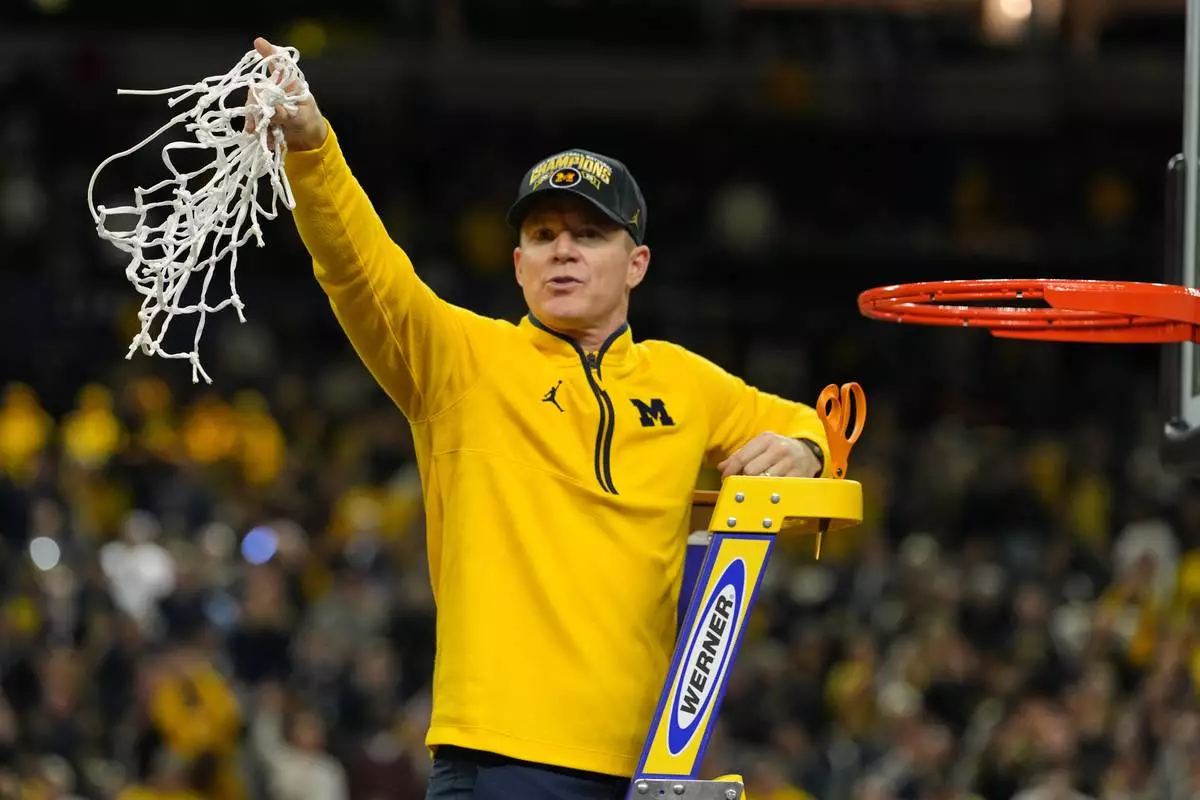
Michigan head coach Dusty May celebrates by cutting down the net after defeating UConn in the NCAA college basketball tournament national championship game at the Final Four, Monday, April 6, 2026, in Indianapolis. (AP Photo/Michael Conroy)

Michigan head coach Dusty May celebrates by cutting down the net after defeating UConn in the NCAA college basketball tournament national championship game at the Final Four, Monday, April 6, 2026, in Indianapolis. (AP Photo/Michael Conroy)

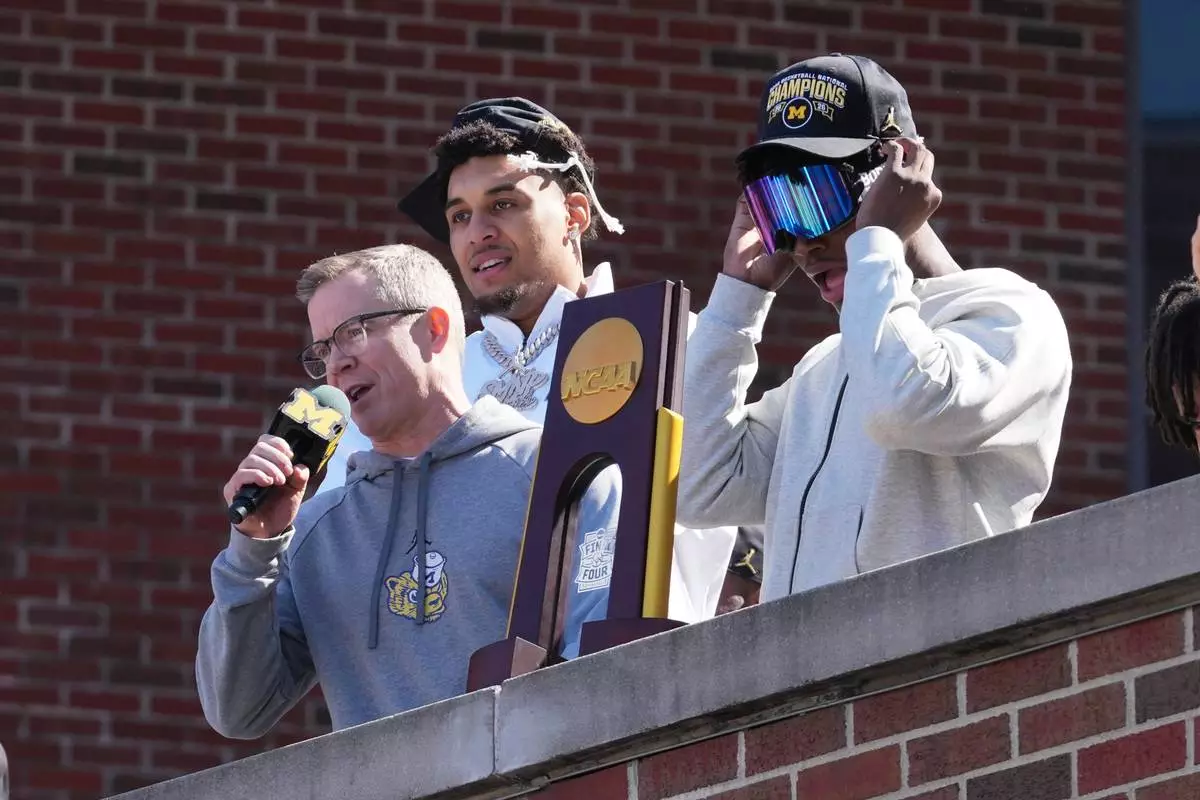
Michigan head coach Dusty May, left, talks to fans as Yaxel Lendeborg, center, and L.J. Cason, right, listen as the team returns to campus Tuesday, April 7, 2026, in Ann Arbor, Mich., the day after defeating UConn at the Final Four of the NCAA college basketball tournament. (AP Photo/Paul Sancya)

Michigan head coach Dusty May, left, talks to fans as Yaxel Lendeborg, center, and L.J. Cason, right, listen as the team returns to campus Tuesday, April 7, 2026, in Ann Arbor, Mich., the day after defeating UConn at the Final Four of the NCAA college basketball tournament. (AP Photo/Paul Sancya)

Recommended Articles