WASHINGTON (AP) — President Donald Trump is waging a trade war without getting approval from Congress: He declared a national emergency to slap import taxes — tariffs — on almost every country on earth.
The president is now facing at least seven lawsuits that argue he’s gone too far and asserted power he does not have.
A three-judge panel of the U.S. Court of International Trade, which deals specifically with civil lawsuits involving international trade law, held the first hearing on the challenges Tuesday morning in New York. Five small businesses are asking the court to block the sweeping import taxes that Trump announced April 2 – “Liberation Day,’’ he called it.
Declaring that the United States’ huge and long-running trade deficits add up to a national emergency, Trump invoked the 1977 International Emergency Economic Powers Act (IEPPA) and rolled out 10% tariffs on many countries. He imposed higher– up to 50% -- “reciprocal’’ tariffs on countries that sold more goods to the United States than the U.S. sold them. (Trump later suspended those higher tariffs for 90 days.)
Trump's tariffs rattled global markets and raised fears that they would disrupt commerce and slow U.S. and global economic growth.
Jeffrey Schwab, senior counsel and director of litigation at the nonprofit Liberty Justice Center, said the president is exceeding the act’s authority. “That statute doesn’t actually say anything about giving the president the power to tariff,’’ said Schwab, who is representing the small businesses. “It doesn’t say the word tariff.’’
In their complaint, the businesses also call Trump’s emergency “a figment of his own imagination: trade deficits, which have persisted for decades without causing economic harm, are not an emergency.’’ The U.S. has, in fact, run a trade deficit – the gap between exports and imports – with the rest of the world for 49 straight years, through good times and bad.
But the Trump administration argues that courts approved President Richard Nixon’s emergency use of tariffs in a 1971 economic crisis. The Nixon administration successfully cited its authority under the 1917 Trading With Enemy Act, which preceded and supplied some of the legal language used in IEPPA.
The legal battle against Trump’s tariffs has created unusual bedfellows, uniting states led by Democratic governors with libertarian groups – including the Liberty Justice Center – that often seek to overturn government regulation of businesses. A dozen states have filed suit against Trump’s tariffs in the New York trade court. A hearing in that case is scheduled for May 21.
Kathleen Claussen, a professor and trade-law expert at Georgetown Law, said Tuesday’s hearing and another scheduled for the states’ lawsuit in the coming weeks will likely set the tone for legal battles over tariffs to come. If the court agrees to block the tariffs under the emergency economic-powers act, the Trump administration will certainly appeal. “It strikes me probably this probably is something that has to be decided by the Supreme Court,” she said.
And if the cases do go to the Supreme Court, legal experts say, it's possible the justices will use conservative legal doctrines they cited to rein in government powers claimed by Democratic President Joe Biden administration to strike down or limit tariffs imposed by Trump, a Republican.
The U.S. Constitution gives the power to impose taxes — including tariffs — to Congress. But over the years lawmakers ceded power over trade policy to the White House, clearing the way for Trump's expansive use of tariffs.
Some lawmakers now want to reclaim some of the authority they've given up.
Republican Sen. Chuck Grassley of Iowa and Democratic Sen. Maria Cantwell of Washington, for instance, have introduced legislation that would require presidents to justify new tariffs to Congress. Lawmakers would then have 60 days to approve the tariffs. Otherwise, they would expire.
But their proposal appears to stand little chance of becoming law, given most Republican lawmakers' deference to Trump and the president's veto power. "That train has left the station,'' said trade lawyer Warren Maruyama, who was general counsel for the Office of the U.S. Trade Representative in the administration of President George W. Bush.
For now, many American businesses are struggling to cope with Trump's tariffs, which have lifted America's average tariff to the highest level since 1934 — even after a trade truce with China was announced Monday, according to Yale University's Budget Lab.
Victor Schwartz of New York City has spent the last 39 years building a business importing wine and spirits from small producers across the world. The tariffs are hitting his business hard. His customers want regional wines from around the world, so he can't just shift to American vintages. And the state requires him to post prices a month in advance so it's tough to keep up with Trump's ever-changing tariffs.
His business — V.O.S. Selections — is one of the five plaintiffs in Tuesday's hearing. “It’s a race against time,” he said. “Will we get through it? I’m not sure exactly.”
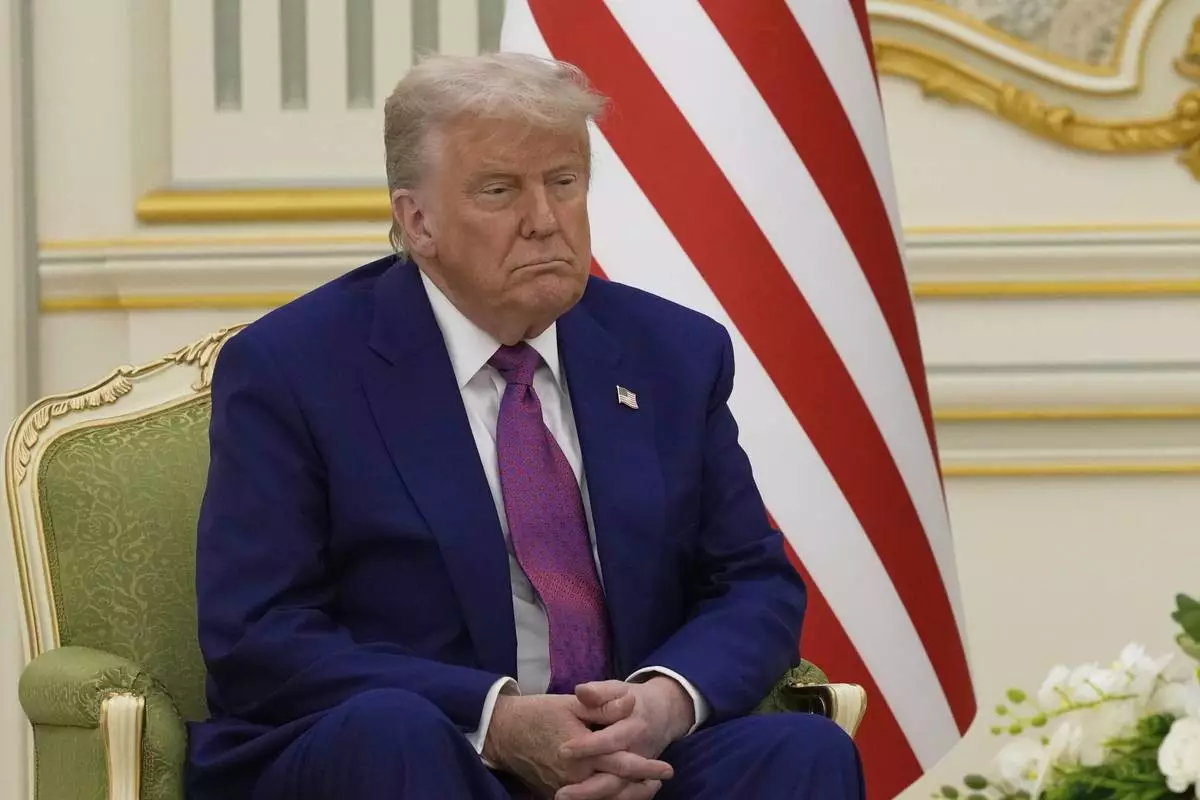
President Donald Trump attends a meeting with Saudi Crown Prince Mohammed bin Salman at the Royal Palace in Riyadh, Saudi Arabia, Tuesday, May 13, 2025. (AP Photo/Alex Brandon)
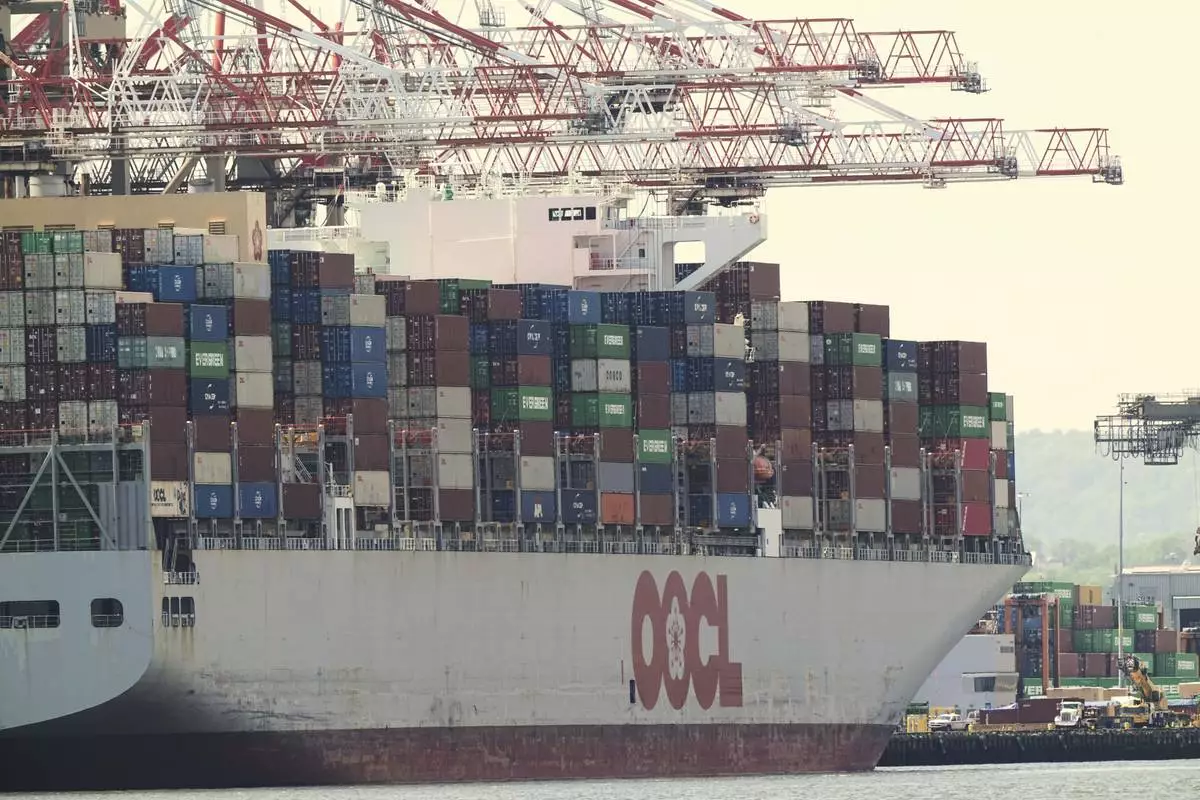
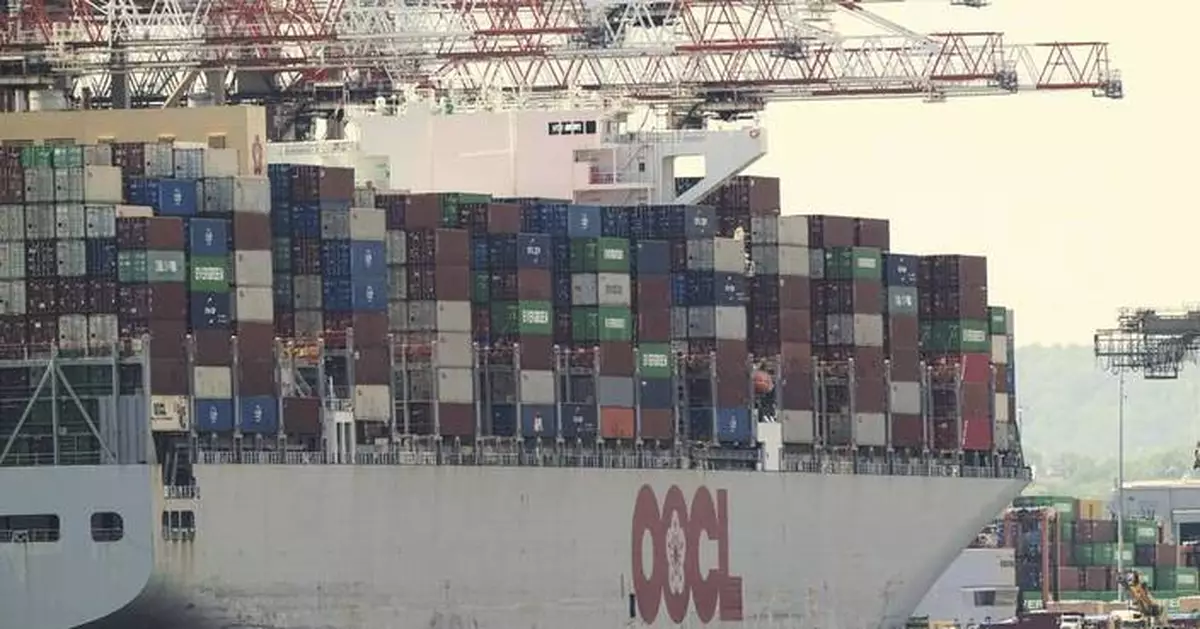
A container ship is moored at the port of the port of New York & New Jersey in Elizabeth, N.J., Monday May 12, 2025. (AP Photo/Matt Rourke)
NEW YORK (AP) — No quick dispatching of disease investigators. No news conference to inform the public. No timely health alerts to doctors.
In the midst of a strange outbreak of hantavirus on a cruise ship that involves Americans and is making headlines around the world, the U.S. government's top public health agency, the Centers for Disease Control and Prevention, has been missing in action, according to a number of experts.
“We seem to have things under very good control," President Donald Trump told reporters Friday evening.
But experts say the situation has not spiraled because, unlike COVID-19 or measles or the flu, hantavirus does not spread easily. It has been experts in other countries, not the United States, who have been dealing primarily with the outbreak in the past week.
“The CDC is not even a player," said Lawrence Gostin, an international public health expert at Georgetown University. “I've never seen that before.”
The CDC's diminished role in this outbreak is an indicator the agency is no longer the force in international health or the protector of domestic health that it once was, some experts said.
The hantavirus outbreak is “a sentinel event” that speaks to “how well the country is prepared for a disease threat. And right now, I’m very sorry to say that we are not prepared,” said Dr. Jeanne Marrazzo, chief executive officer of the Infectious Diseases Society of America.
Early last month, a 70-year-old Dutch man developed a feverish illness on a cruise ship traveling from Argentina to Antarctica and some islands in the South Atlantic. He died less than a week later. More people became sick, including the man's wife and a German woman, who both died.
Hantavirus was first identified as a cause of sickness of one of the cases on May 2. The World Health Organization swung into action and by Monday was calling it an outbreak. About two dozen Americans were on the ship, including about seven who disembarked last month and 17 who remained on board.
For decades, the CDC partnered with the WHO in such situations. The CDC acted as a mainstay of any international investigation, providing staff and expertise to help unravel any outbreak mystery, develop ways to control it and communicate to the public what they should know and how they should worry.
Such actions were a large reason why the CDC developed a reputation as the world's premier public health agency.
But this time, the WHO has been center stage. It made the risk assessment that has told people the outbreak is not a pandemic threat.
“I don’t think this is a giant threat to the United States,” said Jennifer Nuzzo, director of Brown University’s Pandemic Center. But how this situation has played out “just shows how empty and vapid the CDC is right now,” she said.
The current situation comes after 16 tumultuous months during which the Trump administration withdrew from the WHO, has restricted CDC scientists from talking to international counterparts at times and embarked on a plan to build its own international public health network through one-on-one agreements with individual countries.
The administration has laid off thousands of CDC scientists and public health professionals, including members of the agency's ship sanitation program.
As this was playing out, Trump's health secretary, Robert F. Kennedy Jr., said he was working to “restore the CDC’s focus on infectious disease, invest in innovation, and rebuild trust through integrity and transparency.”
The CDC has not been completely silent on hantavirus.
The agency on Wednesday issued a short statement that said the risk to the American public is “extremely low,” and described the U.S. government as “the world’s leader in global health security.”
Said Nuzzo: “Not only was that not helpful, it actually does damage because a core principle of public health communications is humility.”
The CDC's acting director, Dr. Jay Bhattacharya, posted a message on social media that the agency was lending its expertise in coordinating with other federal agencies and international authorities. Arizona officials this week said they learned from the CDC that one of the Americans who left the ship — a person with no symptoms and not considered contagious — had already returned to the state. WHO officials said the CDC has been sharing technical information.
The CDC also is “monitoring the health status and preparing medical support for all of the American passengers on the cruise,” Bhattacharya wrote.
But federal health officials have mostly been tight-lipped, declining interview requests. Some details emerged not through public statements but through disclosures from anonymous sources, including news Friday that the CDC was sending a team to Spain's Canary Islands to meet the Americans onboard.
On Friday evening, health officials issued an updated statement, confirming the deployment of a team to the Canary Islands. They also said a second team will go to Offutt Air Force Base in Nebraska as part of a plan to evacuate American passengers from the ship to a quarantine center.
In interviews this week, some experts made a comparison with a 2020 incident involving the Diamond Princess, a cruise ship docked in Japan that became the setting of one of the first large COVID-19 outbreaks outside of China.
The CDC sent personnel to the port, helped evacuate American passengers, ran quarantines, shared genetic data on the virus, coordinated with the WHO and Japan, held public briefings and rapidly published reports “that became the world’s reference data on cruise ship COVID transmission,” said Dr. Tom Frieden, a former CDC director.
Some aspects of the international response to the Diamond Princess were criticized, and it did not halt the outbreak or stop COVID-19’s spread across the world. But some experts say it was not for the CDC's lack of trying.
“The CDC was right on top of it, very visible, very active in trying to manage and contain it,” Gostin said, while the agency's work now is delayed and subdued.
Instead of working with nearly all of the world's nations through the WHO, the Trump administration has pursued bilateral health agreements with individual nations for information sharing, public health support, and what it describes as “the introduction of innovative American technologies.” Roughly 30 agreements are currently in place.
That's not sufficient, Gostin said. “You can't possibly cover a global health crisis by doing one-on-one deals with countries here and there,” he said.
Associated Press writers Ali Swenson in New York, Darlene Superville in Washington and Susan Montoya Bryan in Albuquerque, New Mexico, contributed to this report.
The Associated Press Health and Science Department receives support from the Howard Hughes Medical Institute’s Department of Science Education and the Robert Wood Johnson Foundation. The AP is solely responsible for all content.
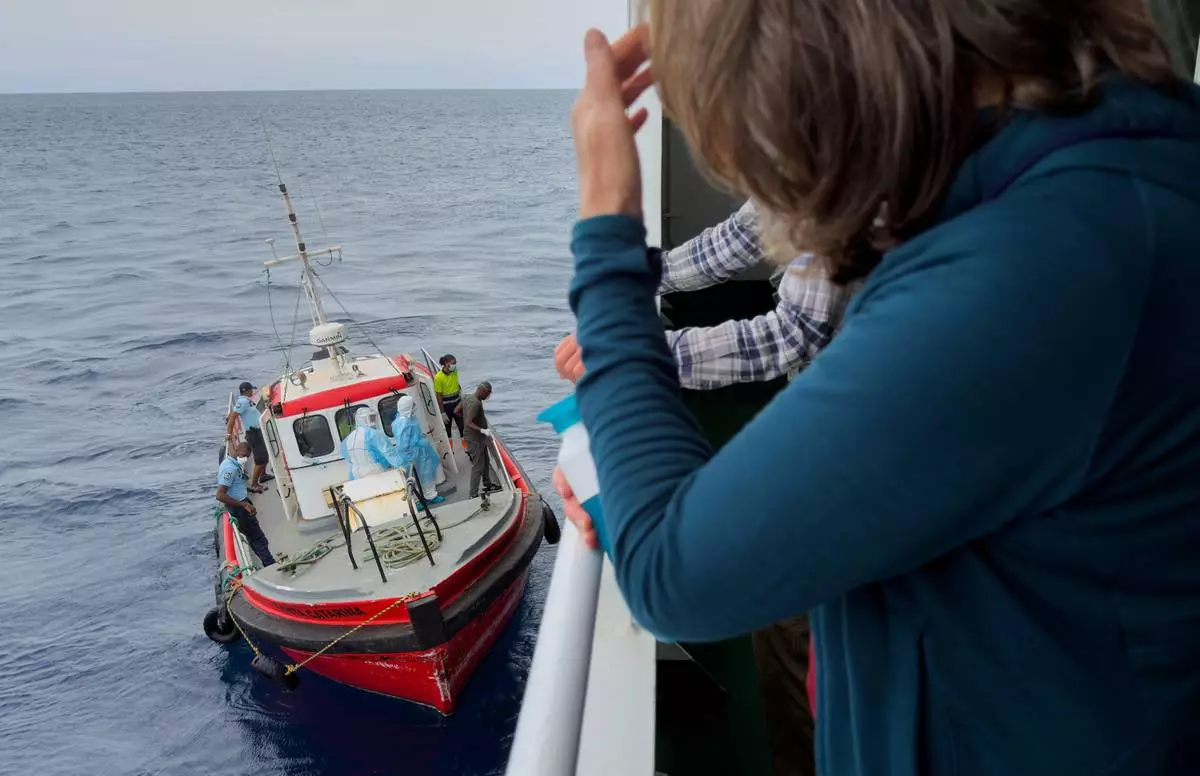
Passengers on the the hantavirus-stricken cruise ship, MV Hondius, watch epidemiologists board the boat in Praia, during their voyage to Spain's port of Tenerife, May 6, 2026. (AP Photo)
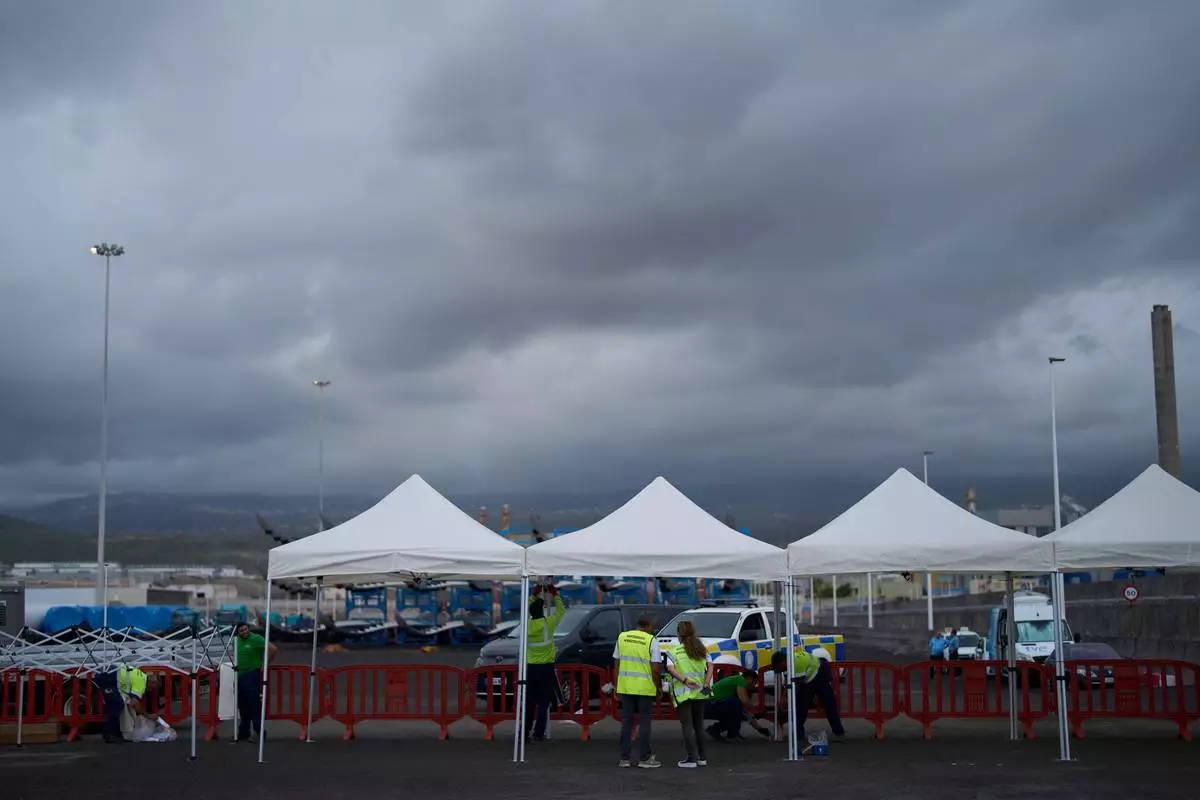
Workers set up temporary shelters in the area where passengers from the MV Hondius cruise ship are expected to arrive at the port of Granadilla in Tenerife, Canary Islands, Spain, Saturday, May 9, 2026. (AP Photo/Manu Fernandez)
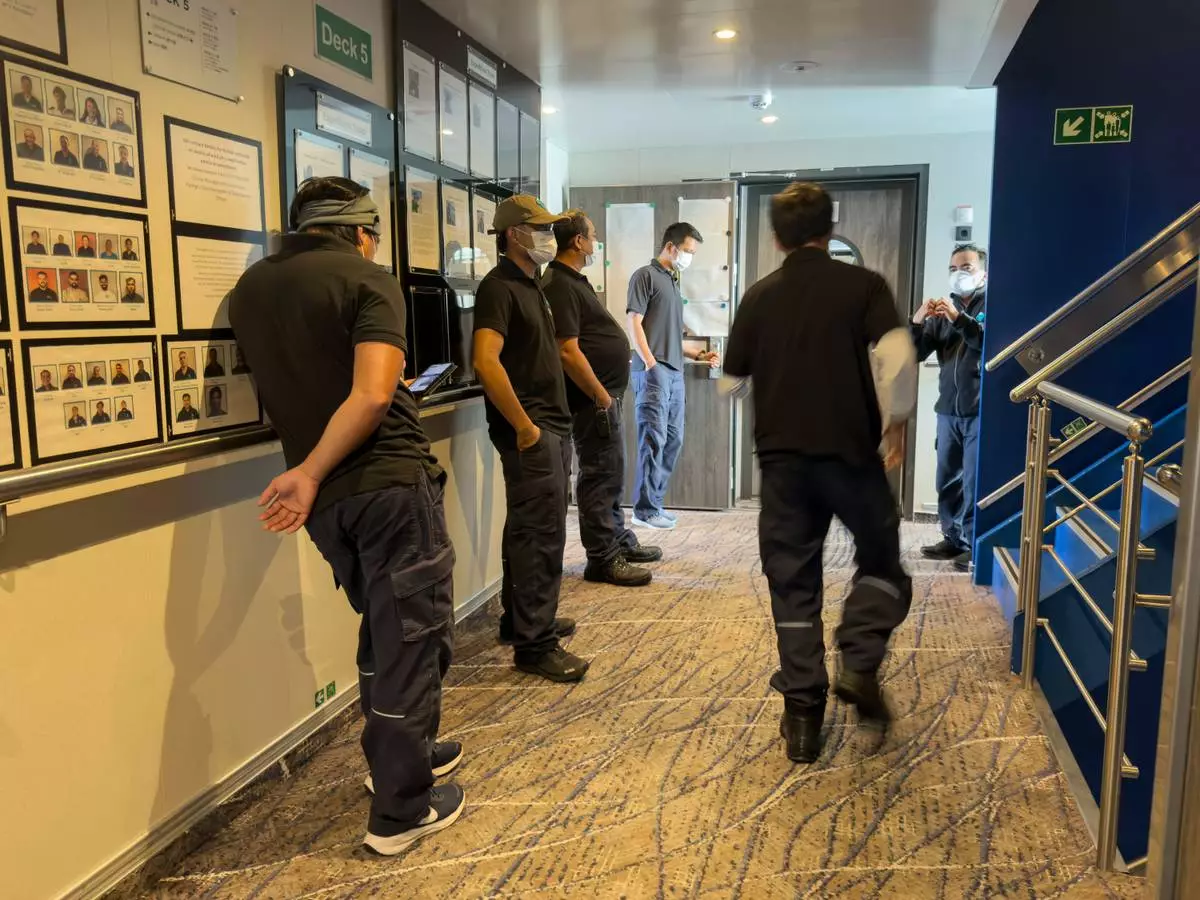
Crew members of the hantavirus-stricken cruise ship, MV Hondius, wait their turns for a first interview with epidemiologists, during the voyage to Spain's port of Tenerife, May 6, 2026. (AP Photo)
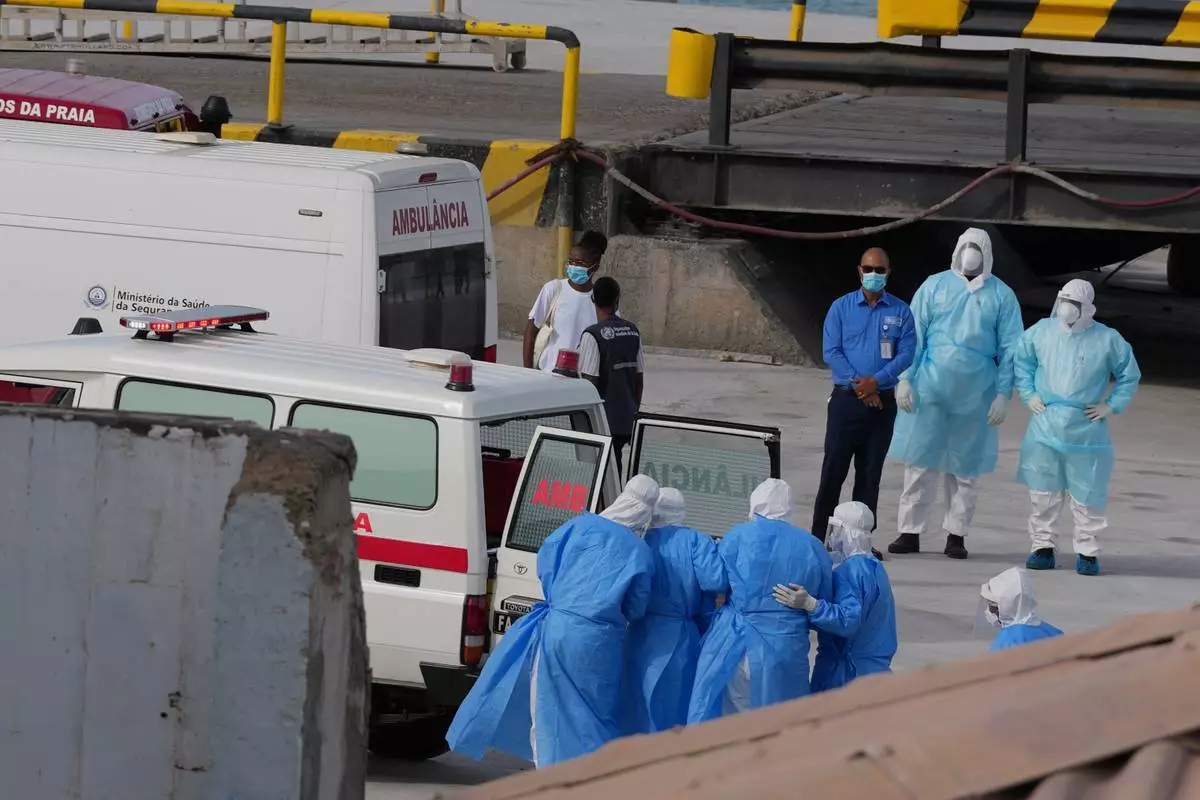
Health workers in protective gear evacuate patients from the MV Hondius cruise ship into an ambulance at a port in Praia, Cape Verde, Wednesday, May 6, 2026. (AP Photo/Misper Apawu)
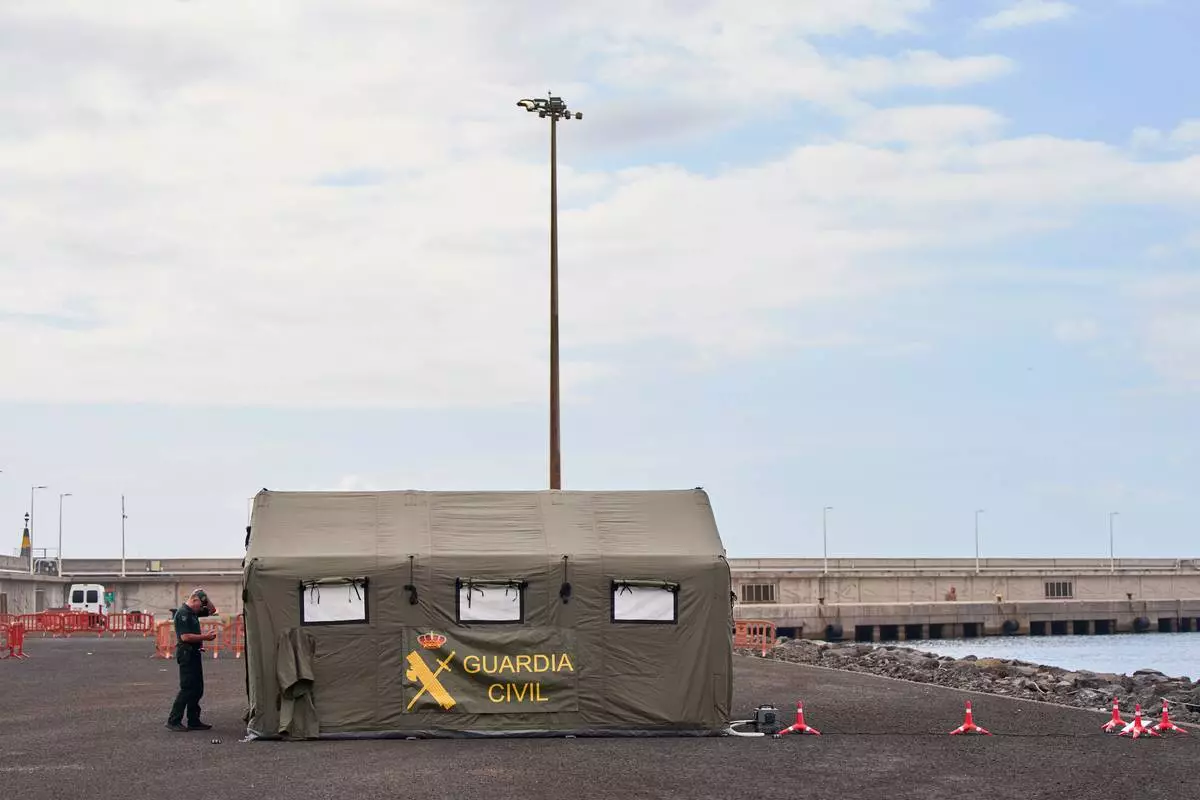
A Spanish Civil Guard officer inspects the area where passengers from the MV Hondius cruise ship are expected to arrive at the port of Granadilla in Tenerife, Canary Islands, Spain, Saturday, May 9, 2026. (AP Photo/Manu Fernandez)