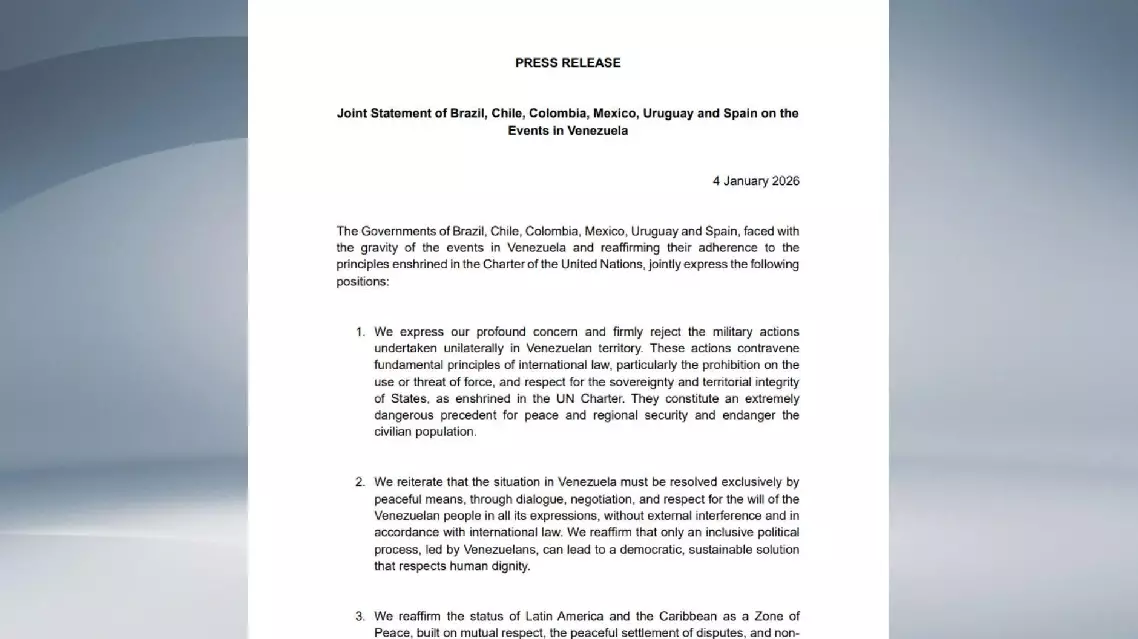
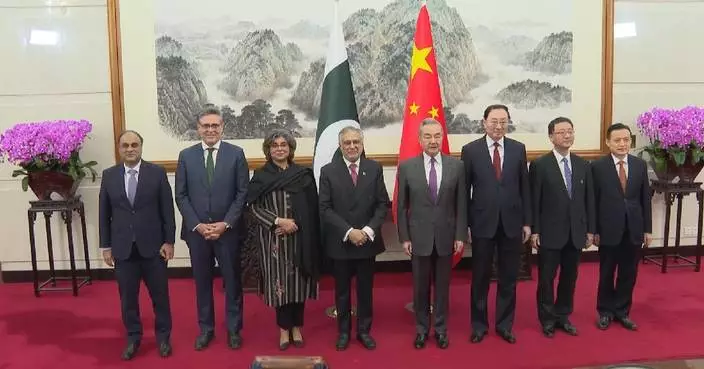
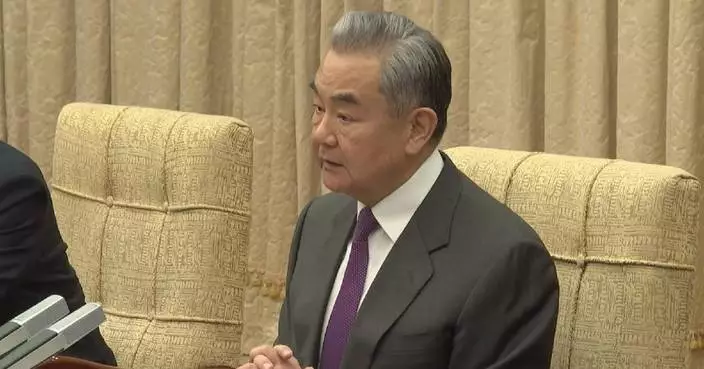
China and the Community of Latin American and Caribbean States (CELAC) are rejecting bloc confrontation and opposing unilateral hegemony, forging a new path in international relations based on mutual respect, openness, and shared development among Global South countries, according to officials.
Over recent years, an increasing number of Latin American countries, including Panama, the Dominican Republic, El Salvador, Nicaragua, and Honduras, have established or resumed diplomatic relations with China, solidifying the one-China principle as an emerging regional consensus.
China has voiced consistent support for the regional vision of a "zone of peace," emphasizing the shared development goals, mutual trust, and deep respect for each other's core interests that have energized bilateral cooperation.
However, some U.S. politicians have stepped up their rhetoric in opposition. U.S. Secretary of State Marco Rubio has claimed about so-called "Chinese exploitation," while U.S. Defense Secretary Pete Hegseth has painted China's regional presence as a threat, efforts widely seen as attempts to undermine growing ties between China and LAC countries.
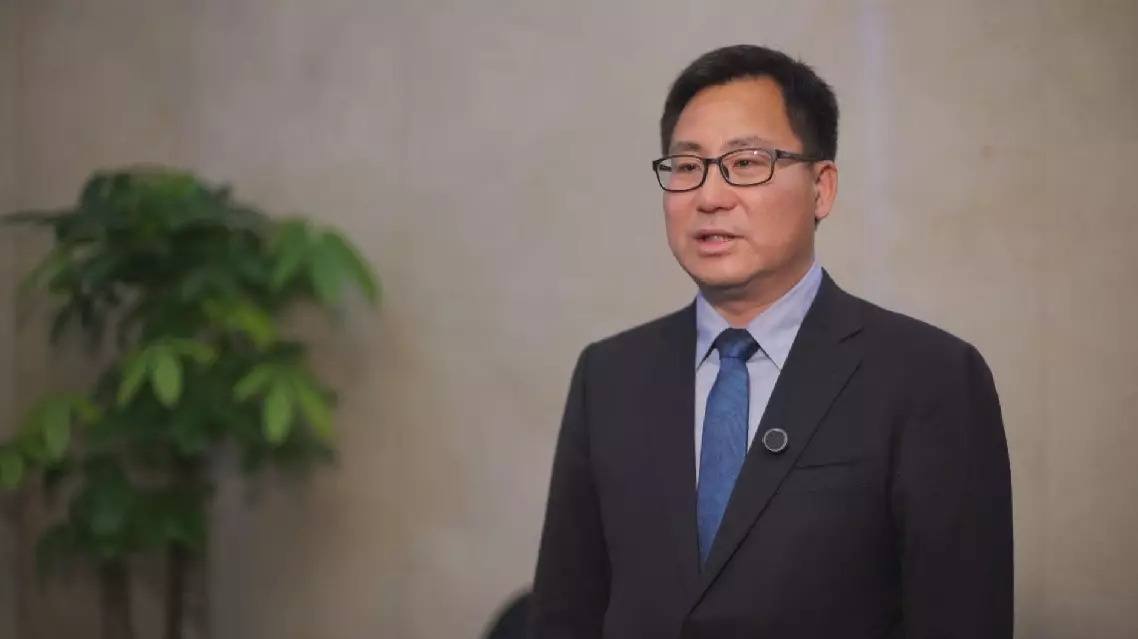
"The United States has long regarded Latin America and the Caribbean as its own 'backyard,' viewing China's growing influence and presence in the region as a challenge to its hegemony. Since the new Trump administration took office, it has taken many actions toward the region. Although these actions came in different forms and approaches, they are essentially 'old wine in a new bottles.' While serving to uphold U.S. hegemony, they also bring significant side effects for the U.S.," said Song Junying, head of the Department for Latin American and Caribbean Studies at the China Institute of International Studies. The pushback against U.S. pressure was evident at the 9th CELAC summit last month, where regional leaders also criticized U.S. unilateralism and interference.
"All of our region has developed an independence and the sovereignty of our countries, and we are free to decide how and which way we can work. If this or that say something that they are not really a reason, we say that we ratify what we are. We are independent and we are free and we decide to come to Beijing, because we want to think in the future, hope that we can develop with others. I think that this new scenario in the world will give for all of us new opportunities, and this is the way in which we need to work," said Uruguayan Foreign Minister Mario Lubetkin who was in Beijing to attend Tuesday's fourth Ministerial Meeting of the China-CELAC Forum.
Song noted that the rise of the Global South is reshaping global dynamics, and LAC countries are increasingly asserting their autonomy in foreign policy.
"Today marks the rise of the Global South, and LAC countries are increasingly awakening to their own agency. In recent years, we have seen their foreign policies take on a more independent character. The principles we advocate -- extensive consultation, joint contribution, and shared benefits -- stand in stark contrast to the U.S. hegemonic, domineering, and coercive behavior. That's why countries in the region are especially eager to deepen their relations with China," said Song.
China, CELAC cooperate to reject bloc confrontation, oppose unilateral hegemony: interviews