PODGORICA, Montenegro (AP) — European Council President Antonio Costa on Wednesday praised Montenegro for its progress on the path toward membership in the European Union, describing the small Balkan country as “one of the finest examples of the EU’s positive enlargement momentum.”
Costa spoke after meeting Montenegro's President Jakov Milatovic during a tour of all six Western Balkan countries aspiring to join the 27-nation bloc.
Milatovic said Montenegro wishes to become the 28th member state by 2028, and pledged to keep up the pace of reforms.
“Our country is proud to have the status of a front-runner in European integration,” he said.
Montenegro and Albania have been at the forefront on the membership path while Serbia, Bosnia, Kosovo and North Macedonia are lagging.
The EU’s willingness to accept new members has grown since Russia's full-scale invasion of Ukraine in February 2022, amid fears that the conflict could fuel instability in the Balkans.
Costa said the “enlargement is the most important geopolitical investment in the stability, peace and prosperity in the Western Balkans, and the whole of Europe."
Montenegro is the smallest of the Western Balkan countries with just over 600,000 people. It has been a NATO member since 2013 when it defied Russia, its traditional ally, to join the Western military alliance.
Costa also visited Kosovo to urge top local officials to make “real and tangible progress” in the the dialogue to normalize ties with Serbia.
“This will come to the benefit of your European path and ultimately the lives of Kosovo’s people," he said at a news conference with President Vjosa Osmani.
The EU and the United States have urged Kosovo and Serbia to implement agreements reached two years ago that include Serbia’s obligation to provide de facto recognition of Kosovo and a commitment by Kosovo to establish an Association of Serb-Majority Municipalities.
Kosovo declared independence from Serbia in 2008. Most Western nations recognize its sovereignty, but Serbia and its allies Russia and China don’t.

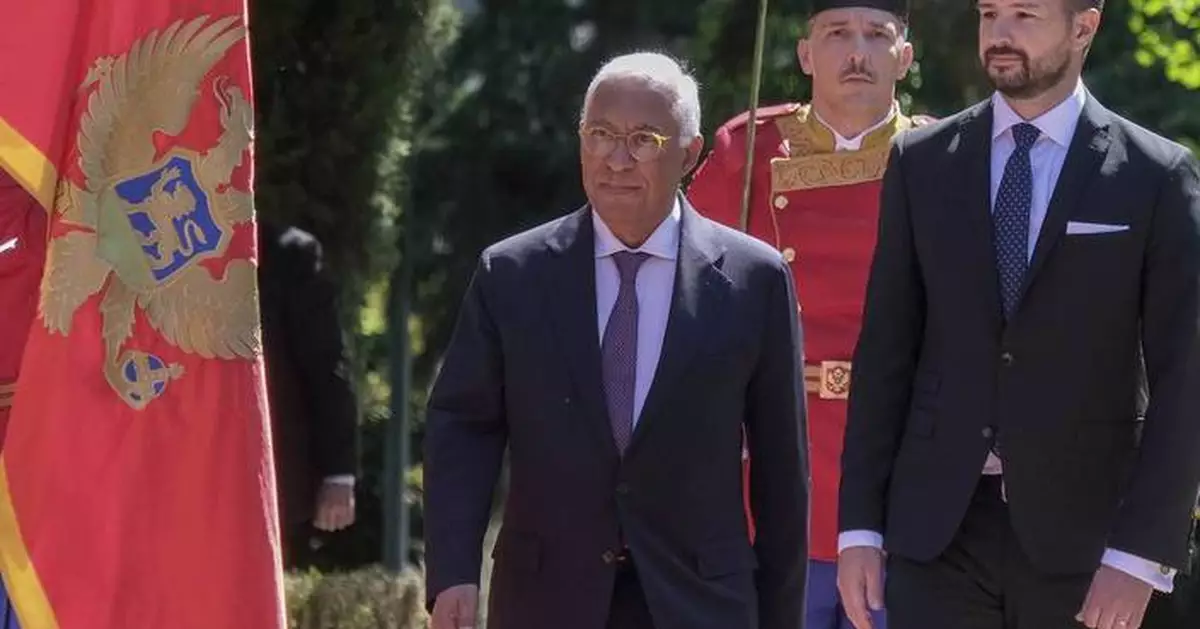
European Council President Antonio Costa, left, reviews the honour guard with Montenegro's President Jakov Milatovic during a welcome ceremony in Montenegro's capital Podgorica, Wednesday, May 14, 2025. (AP Photo/Risto Bozovic)

European Council President Antonio Costa speaks during a press conference after talks with Montenegro's President Jakov Milatovic in Montenegro's capital Podgorica, Wednesday, May 14, 2025. (AP Photo/Risto Bozovic)

European Council President Antonio Costa, left, reviews the honour guard with Montenegro's President Jakov Milatovic during a welcome ceremony in Montenegro's capital Podgorica, Wednesday, May 14, 2025. (AP Photo/Risto Bozovic)
NEW YORK--(BUSINESS WIRE)--Jan 12, 2026--
Today, a leading global wedding technology platform The Knot Worldwide (TKWW), announced the appointment of Michael Pickrum as Chief Financial Officer. With more than 25 years of experience in strategic finance, operations, and business development within the media and technology industries, Pickrum will oversee TKWW’s global finance organization. Pickrum joins TKWW at an exciting moment as the company celebrates its 30-year anniversary and continues to grow and scale with a focus on product innovation.
This press release features multimedia. View the full release here: https://www.businesswire.com/news/home/20260112910392/en/
Pickrum joins TKWW from Maximum Effort, the media, marketing, and investment company co-founded by Ryan Reynolds, where he served as Chief Financial Officer. Before this, he held the roles of COO and CFO at ExecOnline, Inc., a B2B online leadership development company. Pickrum spent over 17 years at BET/Viacom, where he served as EVP and CFO starting in 2007. Prior to that, he was COO of BET Interactive. He earned his master's and bachelor's degrees in engineering from Stanford University and his MBA from The Wharton School.
“I am thrilled to be joining TKWW at such an important time in the company’s journey,” said Michael Pickrum, CFO, TKWW. “There is incredible power in celebrations and I am looking forward to working with the exceptional team at TKWW to further enable our millions of couples and 900,000 small business owners around the world to celebrate life’s most meaningful moments.”
“Michael is a world-class financial and operations leader with an impressive track record of driving strategic growth and operational excellence across media and technology companies,” said Raina Moskowitz, CEO, TKWW. “As we continue to grow and scale with a focus on product innovation, Michael’s deep expertise in strategic planning, analysis, and capital allocation will be critical to our ongoing success. We are thrilled to have him join our team and help guide TKWW through our next phase of growth.”
Pickrum is based in New York, NY and reports to TKWW Chief Executive Officer Raina Moskowitz.
About The Knot Worldwide
Across North America, Europe, Latin America, and Asia, The Knot Worldwide champions the power of celebration. The company’s global family of brands provides best-in-class products, services, and content to take celebration planning from inspiration to action. Through its wedding brands, including The Knot, WeddingWire, Bodas.net, Hitched.co.uk, Mariages.net, Matrimonio.com, and others, the company offers an extensive database of hundreds of thousands of wedding professionals to assist couples in organizing the happiest day of their lives. We have a brand for every kind of celebration—from booking a birthday party, to planning a wedding, to preparing to become a parent, and every moment in between.
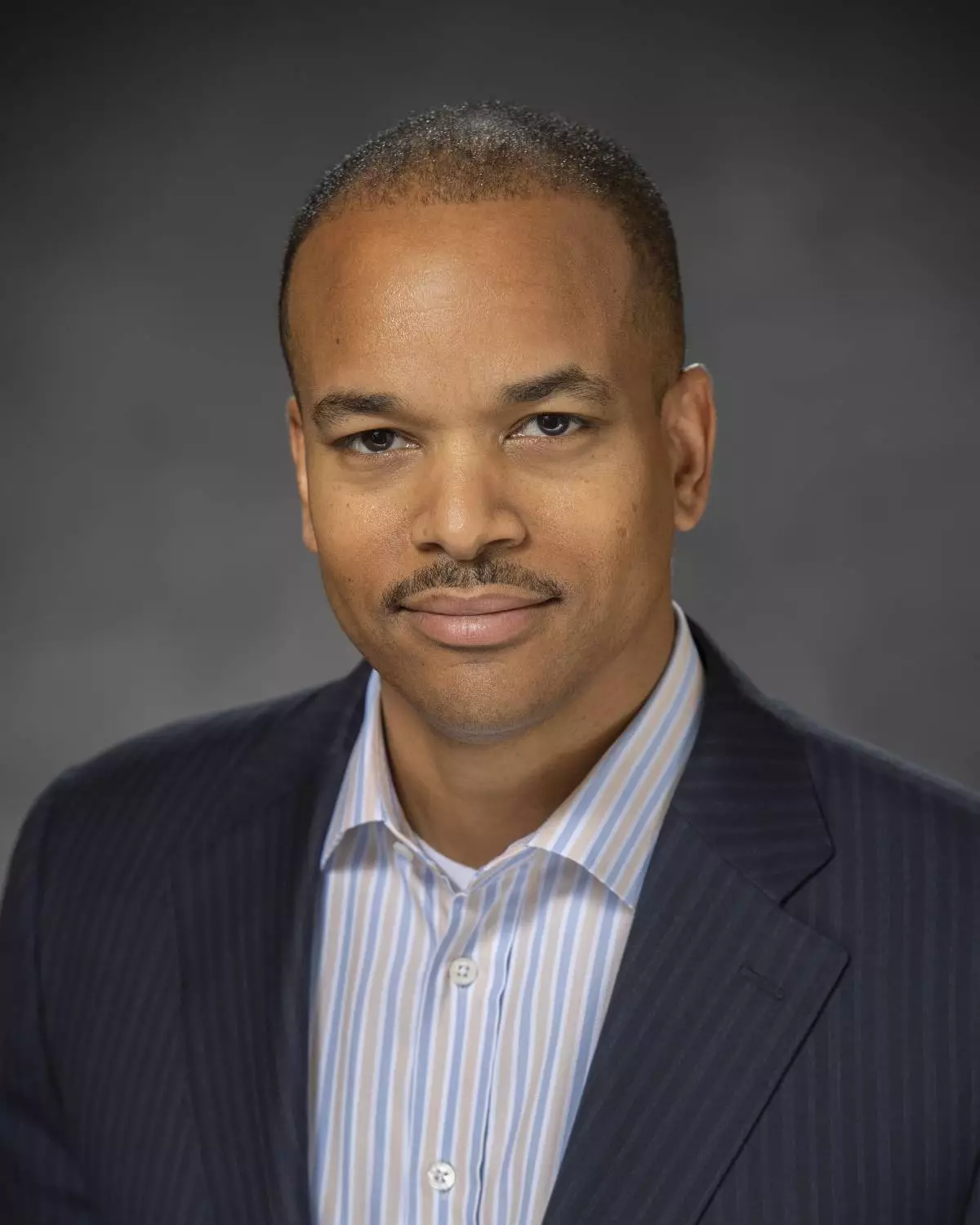
Michael Pickrum, courtesy of The Knot Worldwide