BATON ROUGE, La. (AP) — A legal challenge against a first-of-its-kind measure that recategorized two widely used abortion -inducing drugs as “controlled dangerous substances” in Louisiana can move forward, a judge ruled Thursday.
Baton Rouge-based Judge Jewel Welch denied the Louisiana Attorney General's request to dismiss a lawsuit filed last year by opponents of the law, who argue that the reclassification of the pills is unconstitutional and could cause needless and potentially life-threatening delays in treatment during medical emergencies.
Attorneys for defendants in the suit, including Attorney General Liz Murrill, argued that the lawsuit was premature. But attorneys for the plaintiffs, who include a doctor and pharmacist, said that since the law took effect in October, the measure has impacted how the plaintiffs handle and obtain the drugs on a “regular basis.”
A hearing date for the challenge has not yet been set.
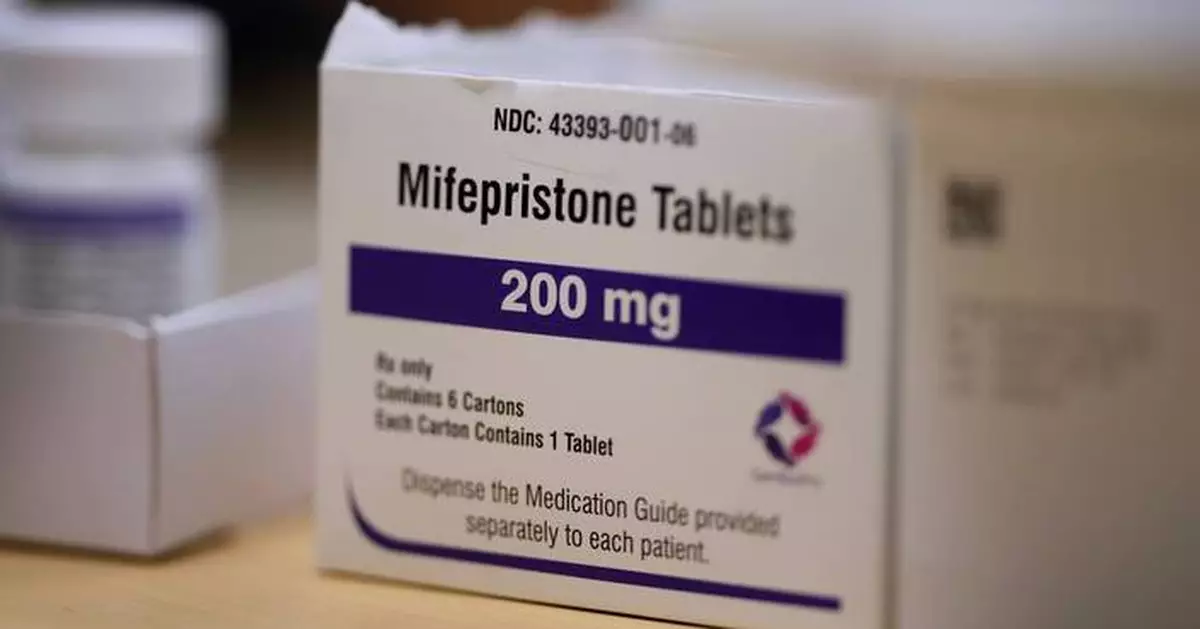
Louisiana became the first state to heighten the classification of misoprostol and mifepristone, which have critical reproductive health care uses in addition to being used as a two-drug regimen to end pregnancies.
Passage of the measure by the GOP-dominated Legislature marked a new approach in conservative efforts to restrict access to abortion pills. In 2023, nearly two-thirds of all abortions in the country were medication abortions.
Now labeled as “Schedule IV drugs," the pills are in the same category as the opioid tramadol and other substances that can be addictive. Under the new classification, there are more stringent storage requirements and extra steps to obtain the drugs. Testifying against the legislation, doctors stressed the drugs would be stored in locked containers or elsewhere that may result in slower access during emergency situations where every second is vital.
In the legal challenge, which was filed in October, plaintiffs say the law may slow access to “lifesaving treatment for people experiencing obstetrical emergencies” and make it “significantly harder” for people to “obtain proven, effective remedies necessary for their treatment and care.” Plaintiffs are asking the judge for a permanent injunction, ultimately to halt the law.
The legislation spawned from anti-abortion groups and a Republican state senator's effort to prevent coerced abortion and make it more difficult for bad actors to obtain the drugs. The lawmaker pointed to the case of his sister in Texas who in 2022 was slipped seven misoprostol pills by her husband without her knowledge; she and the baby survived. Over the past 15 years, news outlets have reported on similar cases — none in Louisiana — but the issue does not appear widespread.
“The Louisiana Legislature spoke loud and clear last year that they stand for life and are against this controlled substance being prescribed without a prescription from a doctor,” Murrill said ahead of the hearing.
Prior to the reclassification, a prescription was still needed to obtain mifepristone and misoprostol in Louisiana. Before the change, medical personnel told The Associated Press that in hospitals the drugs — which are also used to treat miscarriages, induce labor and stop bleeding — were often stored in an OB-GYN unit in a “hemorrhage box” in the room, on the delivery table or in a nurse’s pocket, to ensure almost-immediate access in common emergency situations.
With the heightened classification also comes increased charges. If someone knowingly possesses mifepristone or misoprostol without a valid prescription for any purpose, they could be fined up to $5,000 and sent to jail for one to five years. The law carves out protections for pregnant women who obtain the drug without a prescription to take on their own.
Other plaintiffs in the lawsuit include the Birthmark Doula Collective, an organization of people trained to provide pregnancy care before, during and after birth; Nancy Davis, a woman who was denied an abortion in Louisiana and traveled out of state for one after learning her fetus would not survive; and a woman who said she was turned away from two emergency rooms instead of being treated for a miscarriage.
Louisiana currently has one of the strictest abortion bans in the country, which includes abortions via medication.
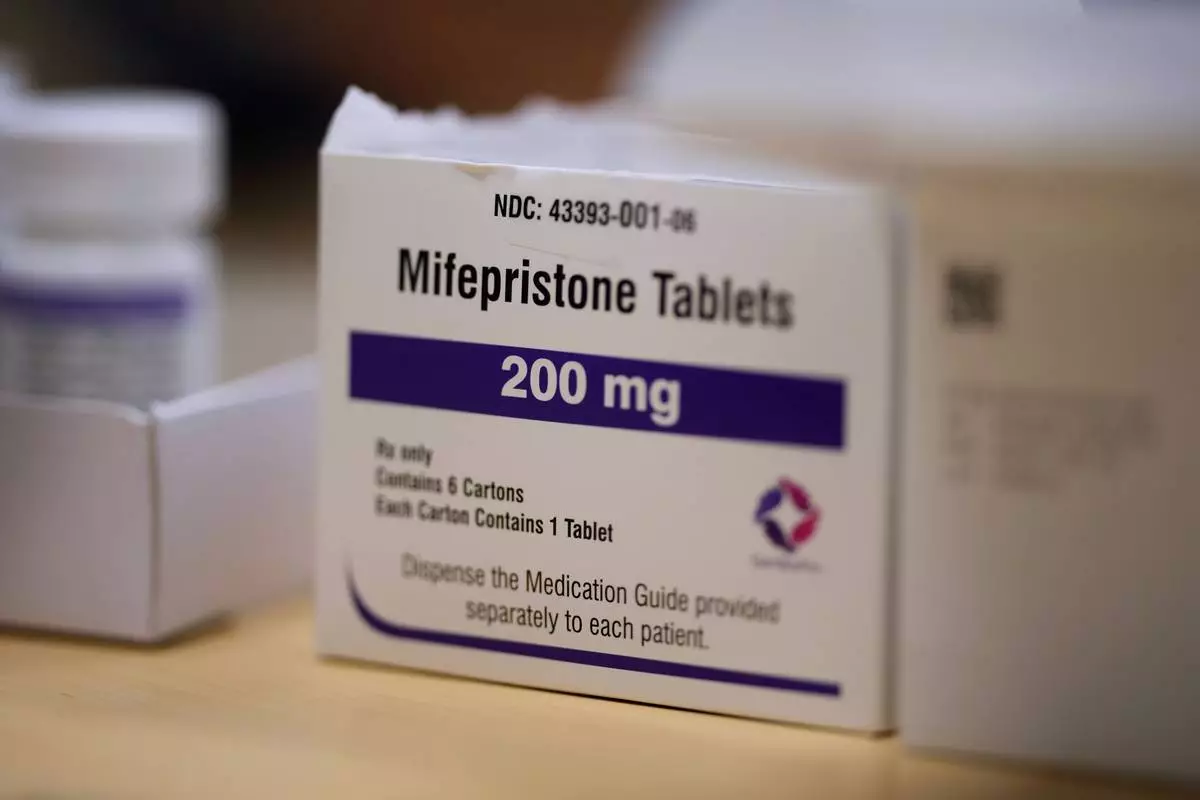
FILE - Mifepristone tablets are seen in a Planned Parenthood clinic, July 18, 2024, in Ames, Iowa. (AP Photo/Charlie Neibergall, File)