As Palestinians mark the 77th Nakba Day on Thursday, countless families in Gaza today continue to endure the same tragedy that began more than 70 years ago -- losing loved ones and being forcibly displaced.
Nakba Day is marked annually by the Palestinians on May 15 to remember the expulsion of hundreds of thousands of Palestinians from their homes, towns, and villages in 1948 after the creation of the state of Israel.
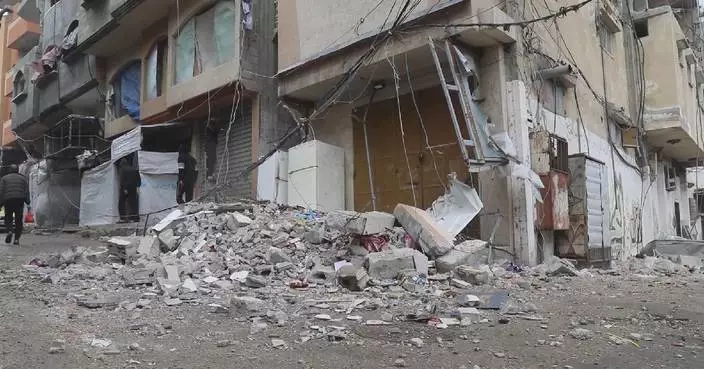
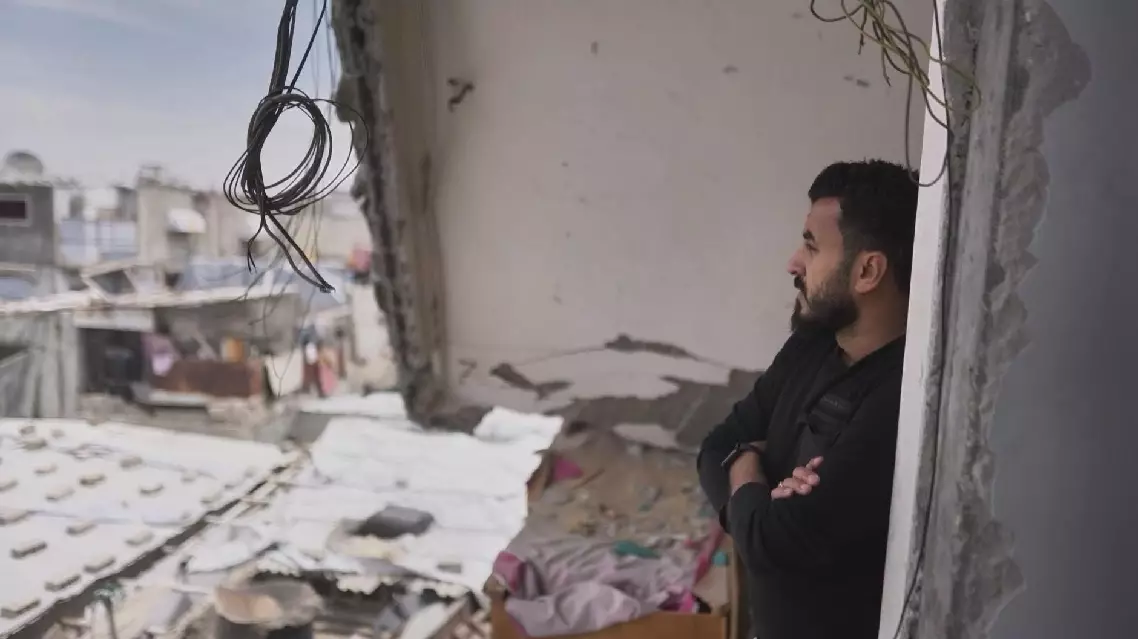
In an interview with China Media Group (CMG), a Gaza resident named Tariq recalled the most horrifying day of his life. On October 21, 2024, his home was bombed by the Israeli army.
"This TV was broadcasting news at that time, and we hoped to hear some good news, such as a ceasefire or a truce. It is a great pity that at about 15:00 or 15:30, just when we felt safe, a missile suddenly struck and destroyed everything. I sat here at the moment when the missile fell, and I haven't fully realized that I am still alive until now," Tariq said.
The shockwave from the explosion hurled Tariq's father, Ibrahim, nearly two meters away. The entire wall collapsed, and the ceiling instantly fell, trapping Tariq beneath it. After the bombing, Ibrahim feared his son had been killed, but he never gave up -- risking falling debris and ongoing airstrikes as he dug through the rubble with his bare hands.
"When I saw the entire ceiling collapse, I thought he (Tariq) had been blown in two and must be dead. The rescue operation took place under a hail of bullets, and nearly the entire area was being bombed during that time," said Ibrahim.
The attack claimed the lives of four members of Tariq's family, along with seven of their neighbors. Due to the Israeli army blocking access to the site and preventing civil defense and rescue workers from approaching, Tariq was not taken to the hospital until four hours after the bombing.
To this day, Ibrahim still cannot understand why a civilian home became the target of an Israeli strike.
"I thought we wouldn't be attacked because we are all civilians. As they (Israelis) say, they only target armed men, not us," said Ibrahim.
"That's where I was saved. For me, my life started again on Oct. 21, 2024, which was my new birthday and the moment when my family and I were 'reborn'. That feeling was terrible. Although it was only a few seconds, I will always remember it," Tariq said.
Gaza families still in pain of displacement as Palestinians mark 77th Nakba Day
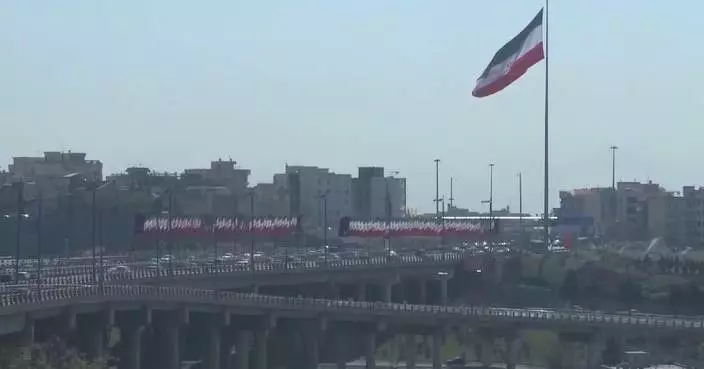
The Iranian government is focusing on public concerns and maintaining stable supplies of essential goods amid recent protests, Iranian President Masoud Pezeshkian said in a televised interview on Sunday.
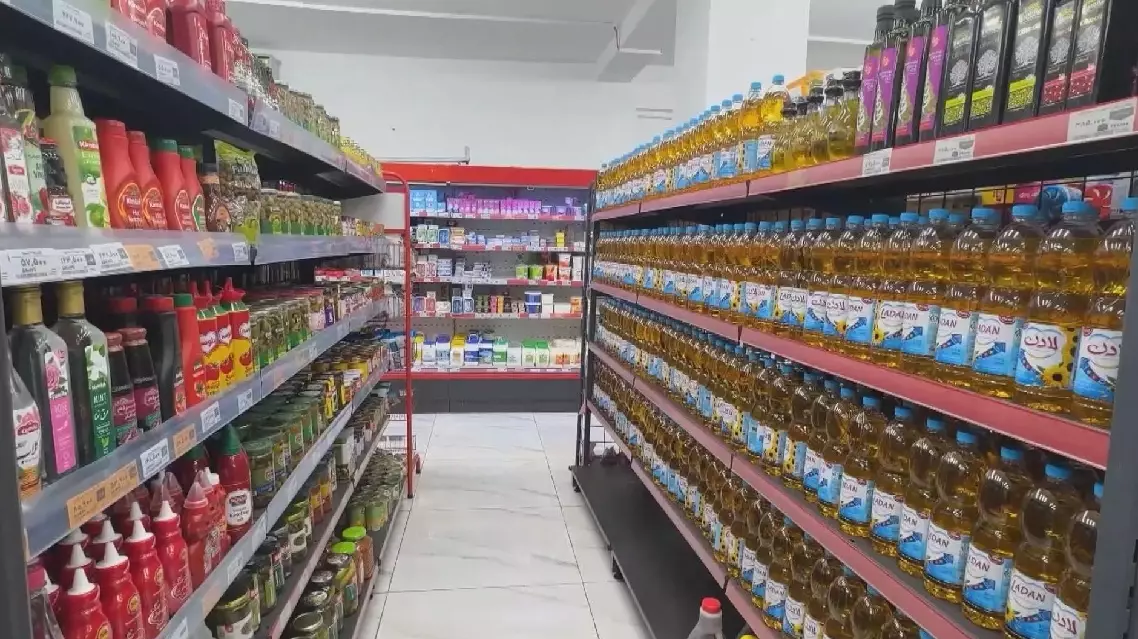
In the city of Karaj, northwest of the capital Tehran, daily life has largely continued as normal. A video filmed by a local resident on Sunday shows food stores open and grocery shelves fully stocked.
"This is the block near my home, and there are some food stores here. Daily life continues here. Last night we did not see many protests in Karaj. Right now the city is very safe. This is a grocery store close to my home. All the food is available; nothing is in shortage. Here are noodles and different types of beans. Here are dairy products, cheese, and yogurt. I also checked other grocery stores and didn't see any shortages. Everything is available," said local resident Ali Reza.
Iranian officials have described recent disturbances as acts orchestrated by the "enemy," including some carried out by well-trained and armed "terrorists." The incidents have caused casualties among security personnel and civilians, as well as property damage.
The Secretary of Iran's Supreme National Security Council Ali Larijani has directed authorities to severely punish the "terrorists."
Meanwhile, Iran's police chief Ahmad-Reza Radan said on Sunday that the police had raised alert levels and arrested several leaders of the troublemakers during the operations on Saturday.
President Pezeshkian noted in the interview that the normal demands of the Iranian people are reasonable and justified, but they must realize that triggering riots and carrying out terrorist acts are the enemy's attempts to undermine the country. He urged the public to remain vigilant.
Also on Sunday, Iranian Parliament Speaker Mohammad Baqer Qalibaf warned that Tehran would regard U.S. and Israeli bases and facilities in the Middle East as "legitimate targets" if Washington takes military action against Iran. His remarks followed media reports saying U.S. President Donald Trump is "seriously considering authorizing a strike" against Iran.
Iranian state media reported that at least 109 members of Iran's security forces have been killed in clashes since the protests began 14 days ago. Meanwhile, human rights groups based outside the country said the number of protesters killed has exceeded 200, though the figure could not be independently verified.
The protests initially erupted over a sharp depreciation of the rial and sweeping subsidy reforms. Iranian authorities have blamed the unrest on foreign-linked agents and sanctions imposed by the United States.
Iranian president says government focusing on ensuring supplies amid protests