As the humanitarian crisis in the Gaza Strip worsens under Israel's months-long blockade, many Gazan families are enduring daily hunger, struggling to find enough to eat.
Israel blocked the entry of goods and supplies into Gaza on March 2, following the end of the first phase of a January ceasefire deal with Hamas. It resumed attacks on Gaza on March 18.
With no food, no supplies, and no relief in sight, Gazans are enduring a relentless fight for survival.
"A 400-gram bag of flour — what can it do? It makes eight or nine pieces of bread — just one meal a day. We only eat supper so we can sleep without hunger, just so the children can fall asleep," said Ashraf Al-Suwair, a displaced Gazan.
Tahreer Abu Jabal, who was displaced from Beit Lahia in northern Gaza, echoed Al-Suwair's concerns, saying that the lack of supplies has made life extremely difficult -- especially for larger families.
"I have seven family members. What about those with twelve or thirteen? How will they feed them? There're no supplies, and nothing is entering the country," she said.
In a statement issued in late April, the World Food Program (WFP) said it had run out of food supplies in Gaza due to the continued closure of border crossings. With no way to bring in fresh aid, the hunger crisis in the region is expected to worsen.
"Famine is worsening in Gaza, as dozens of community kitchens, which used to provide 500,000 meals a day, have announced to shut down, for they are now unable to continue due to the lack of supplies," said Amjad Al-Shawa, director of the Palestinian NGO Network in Gaza.
Israel's military campaign in Gaza, launched after Hamas-led attacks on southern Israel on Oct 7, 2023, had so far killed 52,928 Palestinians, Gaza health authorities said on Wednesday.
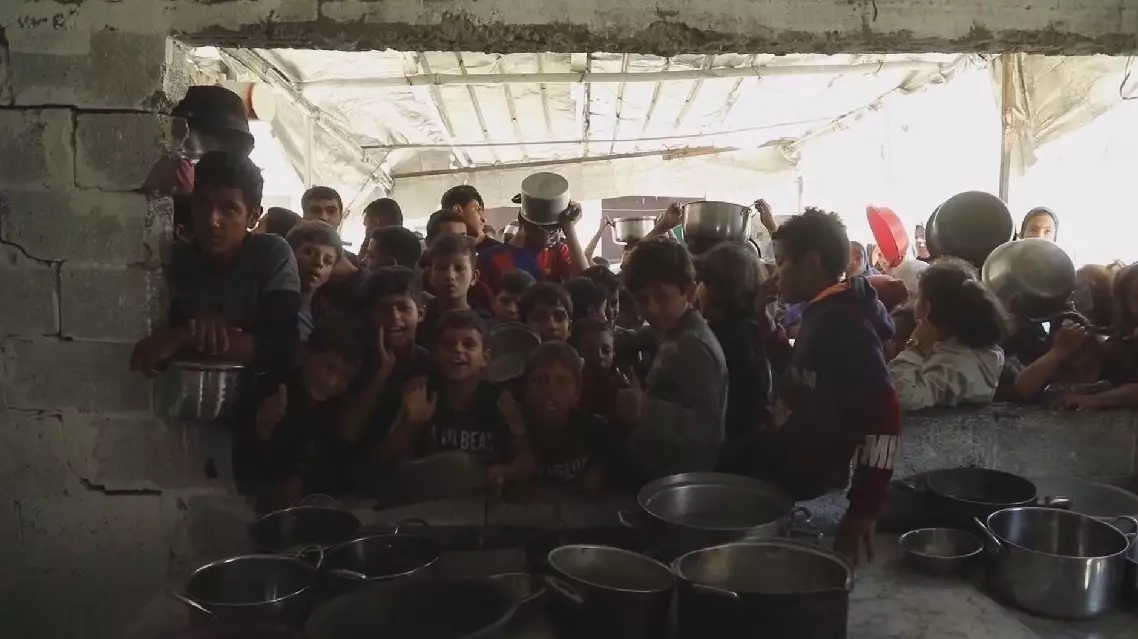
Gazans struggle to feed families as blockade deepens hunger crisis