The instability of U.S. trade policies under the Trump Administration has troubled the country's logistics industry, causing stagnation and possible job cuts, according to a California-based warehousing and transportation service provider.
On April 2, Trump announced its "reciprocal tariff" policy, adding a 10 percent baseline tariff to most of the countries, with even higher additional tariffs on most of its vital trade partners like China, EU, Japan, and India, and the tariffs have been expanding since then. Despite that China and the U.S. released a joint statement on May 12 to bilaterally reduce tariffs, businesses in the U.S. are still troubled by the surging costs of import from many other countries, and a potential tariff rebound, given the instability of Trump's tariff policies.
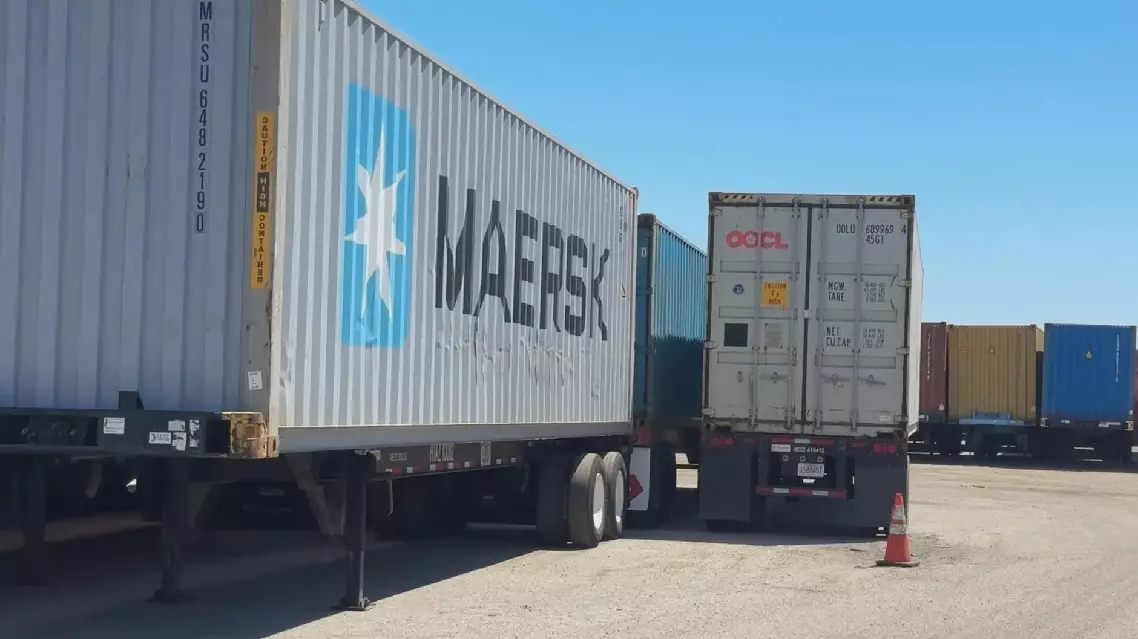
Weston LaBar, the Chief Strategy Officer of Waterfront Logistics, recently offered a tour of the business's facilities to a China Global Television (CGTN) correspondent. On the site, there were clear signs that U.S. importers had begun adopting a "front-loading" in an attempt to weather the tariffs.
"This is all empty bottles. You can see we have stacks and stacks and stacks of it. Why are there so many empty bottles? To get it ahead of the tariffs, right? So when this stuff's coming in from someplace like China or another country that may have the tariffs, you want to bring in as much of the product as you can to be able to make sure that the cost of your product doesn't go up just because the cost of your componentry went up," said Weston.
"It's called front-loading, because they bring in more than what they would typically need in a normal cycle to try to be able to continue to operate and produce their product at the costs that they had modeled it behind, as opposed to an increased tariff that now all of a sudden they have to factor into the equation. So, warehousing this product here a little bit longer than what they would normally do and having a little bit more increased space with us is a much better business alternative than paying 100 percent, 200 percent tariffs on those same products," he explained.
As tariff policies cause stagnation in U.S. imports and exports, logistics businesses are hiring fewer employees to handle the shrinking workloads, which leads to possible job losses.
"Typically, what comes in goes out. So, when that changes a little bit, first of all, we lose labor, right? Because if stuff's not moving, you don't need truck drivers, you don't need warehouse workers. So when we have bundled services where we're moving product in and out of the port, in and out of our warehouses, and then to and from distribution centers. We're able to employ a lot more people, and we're also able to do it a lot cheaper because the product's moving than if the product needs to sit. We don't have as many people that are needed, and the cost needs to go up," he said.
For logistics businesses, the major challenge of dealing with the tariff-impacted trade landscape lies in the unpredictability of how or when the policies will shift.
"When we got the congestion during COVID, as the ships stopped coming, you saw bottlenecks and facilities like this and at the marine terminals, because instead of having the fluidity of imports coming in and empties and exports flowing out, you started to see things get full and stuck. And then you couldn't get things to the port where there weren't ships to take things back overseas. And that's where we got the gridlock. So how long the tariffs are in place and how long before there's a resolution between the United States and different countries like China is going to dictate how much supply chain congestion and how many bottlenecks we may have moving forward," he said.
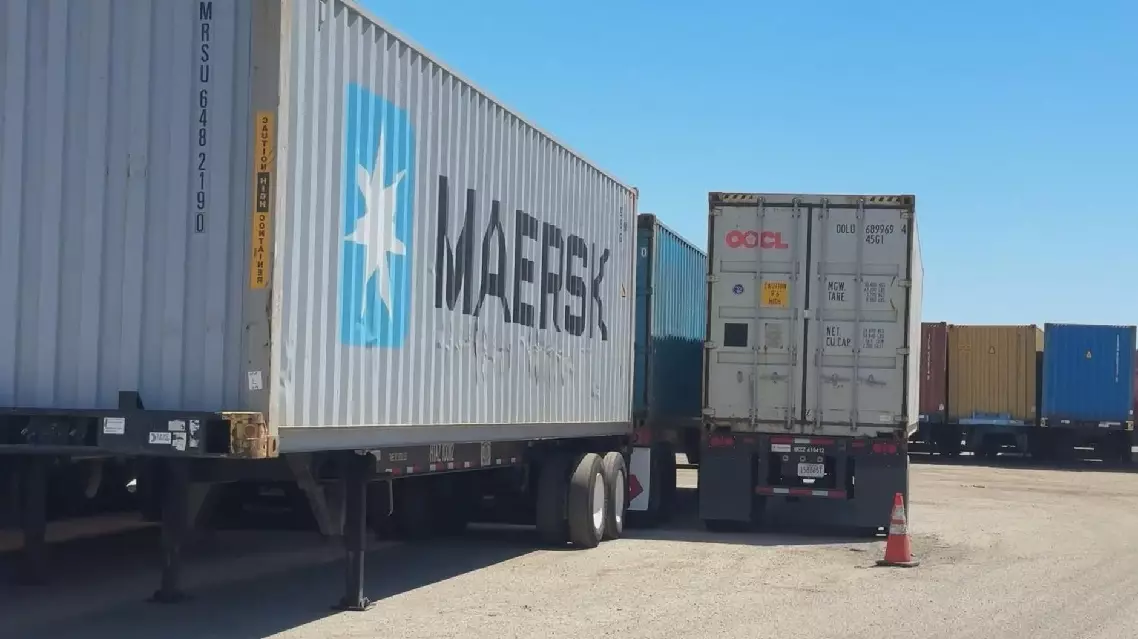
US warehouser on Trump tariffs as congestion builds
US warehouser on Trump tariffs as congestion builds