BANGKOK (AP) — Three people were killed and several others injured when they were struck by lightning while visiting Cambodia's famous Angkor Wat temple complex.
They had been seeking shelter around the main temple of the UNESCO site when the lightning struck late Friday afternoon.
Video posted on social media showed two ambulances arriving in the aftermath and onlookers and site officials carrying out some injured people and helping others out on foot. Other images showed multiple people being treated in the hospital.
The day after the incident, Cambodia's Minister of Tourism Hout Hak issued a statement telling people to take down online posts about it, saying the spreading of “negative information” could harm the country's tourism sector.
Authorities have released no information about the incident, but an official on Monday, speaking on condition of anonymity due to the sensitivity of the issue, confirmed to The Associated Press that three people — all Cambodian — were killed in the lightning strike.
The Cambodian Red Cross also posted an update saying it had delivered care packages to the families of two of the victims, a 34-year-old man and a 52-year-old woman. The Red Cross refused to comment further by phone.
A spokesman for the Angkor Wat site did not respond to requests for comment, nor did a regional health official.
Cambodia's government under Prime Minister Hun Manet keeps a tight grip on information, and has been accused by rights groups of using the court system to prosecute critics and political opponents.
Hun Manet in 2023 succeeded his father, Hun Sen, who was widely criticized for the suppression of freedom of speech during his nearly four decades of autocratic rule.
Angkor Wat is Cambodia's best-known tourist attraction, attracting some 2.5 million visitors annually, and is even featured on the country's flag.
UNESCO calls the site, which sprawls across some 400 square kilometers (155 square miles) and contains the ruins of Khmer Empire capitals from the 9th to the 15th centuries, one of the most important archaeological sites in Southeast Asia.
Cambodia has been actively developing the area to attract more visitors, including opening a new $1.1 billion Chinese-funded airport in nearby Siem Reap.
Its move to relocate some 10,000 families squatting in the Angkor Wat area to a new settlement has drawn widespread criticism from human rights groups, however, and UNESCO itself has expressed concern.
Cambodian authorities have said the families were being voluntarily relocated, but Amnesty International and others have questioned how voluntary the relocations actually have been.

FILE - Tourists wait for sunrise at the Angkor Wat temple in Siem Reap province, Cambodia, Friday, Aug. 2, 2024.(AP Photo/Heng Sinith, File)
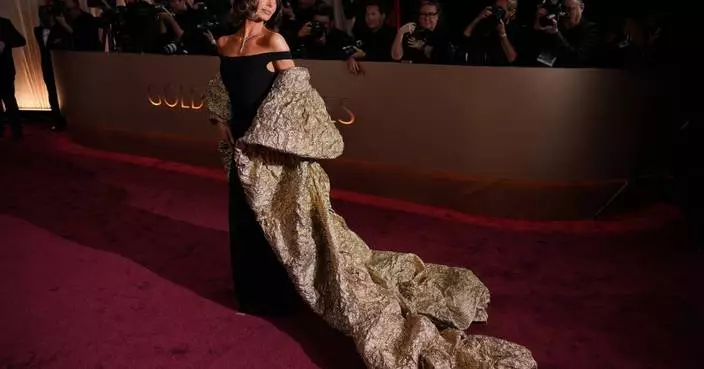
The Golden Globes bill themselves as Hollywood’s booziest bash. This year, is anyone ready to party?
Political tension and industrywide uncertainty are the prevailing moods heading into Sunday night's 83rd Golden Globes. Hollywood is coming off a disappointing box-office year and now anxiously awaits the fate of one of its most storied studios, Warner Bros.
A celebratory mood might be even more elusive given that the wide majority of the performers and filmmakers congregating at the Beverly Hilton in Beverly Hills, California, oppose the policies of President Donald Trump. Likely to be on the minds of many attendees: the recent U.S. involvement in Venezuela and the fatal shooting of 37-year-old mother Renee Good in Minneapolis by Immigration and Customs Enforcement.
But through their ups and downs, the Globes have always tried to put pomp over politics. Host Nikki Glaser has vowed as much.
“You’d be surprised that half the room had no clue why I was saying ‘Venezuela,’” Glaser told The Associated Press earlier in the week, referring to her comedy-club warm-ups. “People aren’t getting the news like we all are.”
Glaser, a comic known for her roast appearances, has promised to go after A-listers in her second time hosting.
“We’re going to hit Leo,” Glaser said. “The icebergs are coming.”
Here’s what to look for at this year’s Globes:
The Golden Globes kick off at 8 p.m. EST on CBS while streaming live for Paramount+ premium subscribers. E!’s red carpet coverage begins at 6 p.m. EST.
The Associated Press will be have a livestream show beginning at 4:30 p.m. Eastern with a mix of stars' arrivals, fashion shots and celebrity interviews. It will be available on YouTube and APNews.
The overwhelming Oscar favorite “One Battle After Another” comes in with a leading nine nominations. It’s competing in the Globes’ musical or comedy category, which means the drama side might be more competitive. There, Ryan Coogler’s “Sinners,” Chloé Zhao’s “Hamnet” and Joachim Trier’s “Sentimental Value” are all in the mix.
But thus far, “One Battle After Another” has cleaned up just about everywhere. Much of Paul Thomas Anderson’s cast is nominated, including DiCaprio, Teyana Taylor, Sean Penn, Chase Infiniti and Benicio Del Toro.
If it and “Sinners” take home the two biggest prizes, it will be a banner night for Warner Bros. even as its future hangs in the balance. The studio has agreed to be acquired by Netflix is a deal worth $82.7 billion. Movie theaters have warned such a result would be “a direct and irreversible negative impact on movie theaters around the world.”
The merger awaits regulatory approval, while Paramount Skydance is still trying to convince Warner shareholders to accept its rival offer.
After an audacious promotional tour for “Marty Supreme,” Timothée Chalamet is poised to win his first Globe in five nominations. In best actor, comedy or musical, he’ll have to beat DiCaprio, a three-time Globe winner, and Ethan Hawke (“Blue Moon”).
In best actress, comedy or musical, Rose Byrne is the favorite for her performance in the not especially funny A24 indie “If I Had Legs I’d Kick You.” One prominent nominee in the category, Cynthia Erivo (“Wicked: For Good”), won’t be attending due to her schedule in the West End production “Dracula.”
Jessie Buckley (“Hamnet”) is the clear front-runner in best actress, drama. In the star-studded best actor, drama, category, the Brazilian actor Wagner Moura (“The Secret Agent”) may win over Michael B. Jordan (“Sinners”) and Joel Edgerton (“Train Dreams”).
In the supporting categories, Teyana Taylor and Stellan Skarsgård come in the favorites.
The Globes, formerly presented by the Hollywood Foreign Press Association, have no overlap or direct correlation with the Academy Awards. After being sold in 2023 to Todd Boehly’s Eldridge Industries and Dick Clark Productions, a part of Penske Media, the Globes are voted on by around 400 people. The Oscars are voted on by more than 10,500 professionals.
But in the fluctuating undulations of awards season, a good speech at the Globes can really boost an Oscar campaign. Last year, that seemed to be the case for Demi Moore, who won for “The Substance” and gave the night's most emotional speech. Mikey Madison (“Anora”), however, scored the upset win at the Oscars.
A few potentially good moments this year went instead in a Golden Eve ceremony earlier this week. There, the Cecil B. DeMille and Carol Burnett honorees, Helen Mirren and Sarah Jessica Parker, accepted their awards.
One to watch, if he wins, will be the Iranian director Jafar Panahi. His revenge drama “It Was Just an Accident” is up for four awards. Panahi has spent most of his career making films clandestinely, without approval of authorities, and was until recently banned from leaving the country. Last month, he was sentenced to a year in prison, which would be only his latest stint behind bars if Panahi returns home to serve it. This week, protests over Iran’s ailing economy have spread throughout the country in a new test to Iran's leaders.
For the first time, the Globes are trotting out a new podcast category. The nominees are: “Armchair Expert,” “Call Her Daddy,” “Good Hang With Amy Poehler,” “The Mel Robbins Podcast,” “SmartLess” and “Up First.”
In TV, HBO Max’s “The White Lotus” — another potential big winner for Warner Bros. — leads with six nominations. Netflix’s “Adolescence” comes in with five nods.
But the most closely watched nominee might be “The Studio.” The first season of Seth Rogen’s Hollywood satire memorably included an episode devoted to drama around a night at the Globes. (Sample line: “I remember when the red carpet of the Golden Globes actually stood for something.”) “The Studio” is up for three awards, giving three chances for life to imitate art.
For more coverage of this year’s Golden Globe Awards, visit: https://apnews.com/hub/golden-globe-awards

Timothee Chalamet arrives at the 83rd Golden Globes on Sunday, Jan. 11, 2026, at the Beverly Hilton in Beverly Hills, Calif. (Photo by Richard Shotwell/Invision/AP)

Amy Poehler, left, and Joel Lovell arrive at the 83rd Golden Globes on Sunday, Jan. 11, 2026, at the Beverly Hilton in Beverly Hills, Calif. (AP Photo/Chris Pizzello)
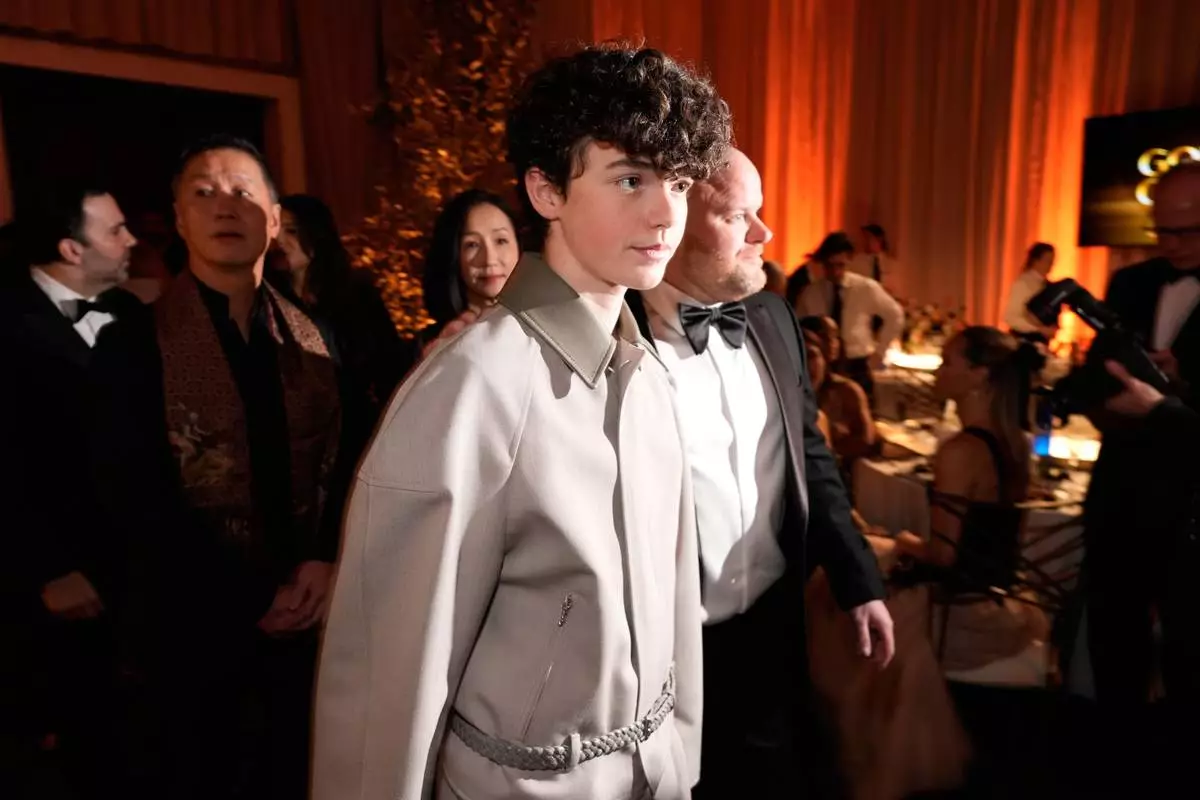
Owen Cooper arrives at the 83rd Golden Globes on Sunday, Jan. 11, 2026, at the Beverly Hilton in Beverly Hills, Calif. (AP Photo/Chris Pizzello)
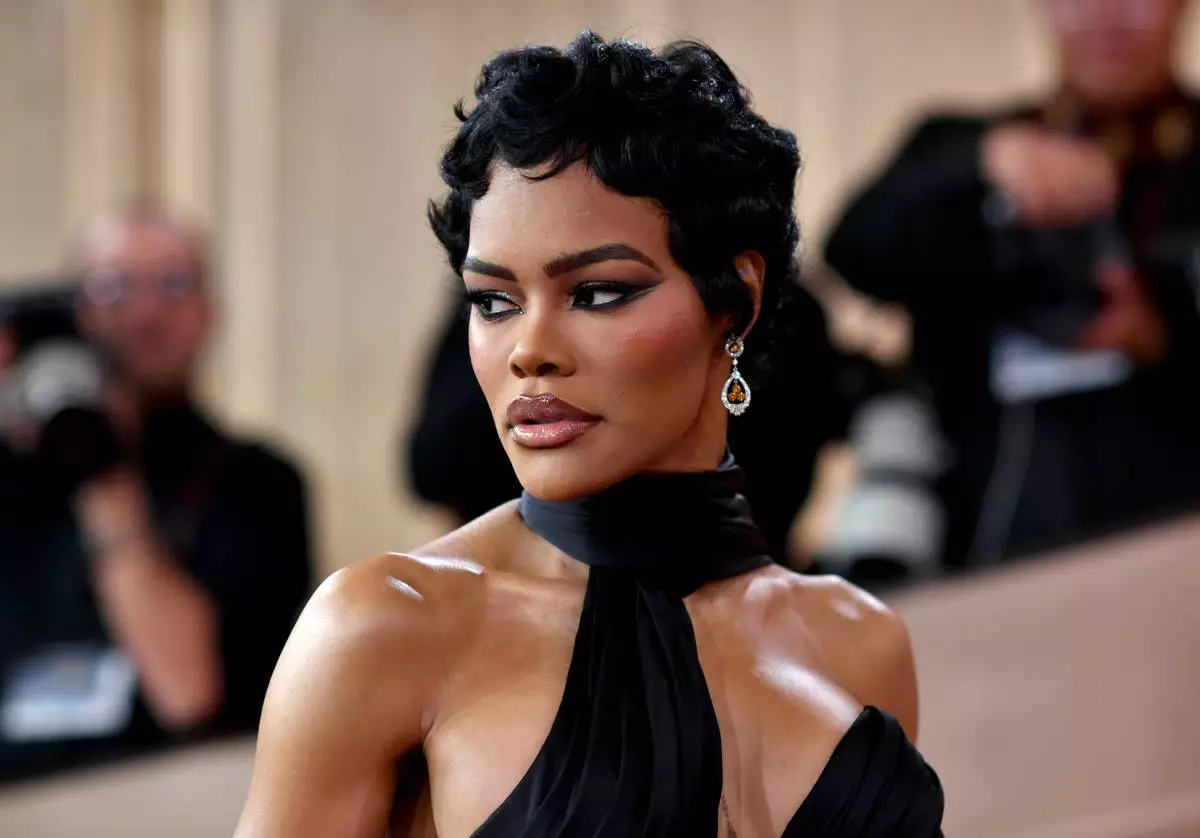
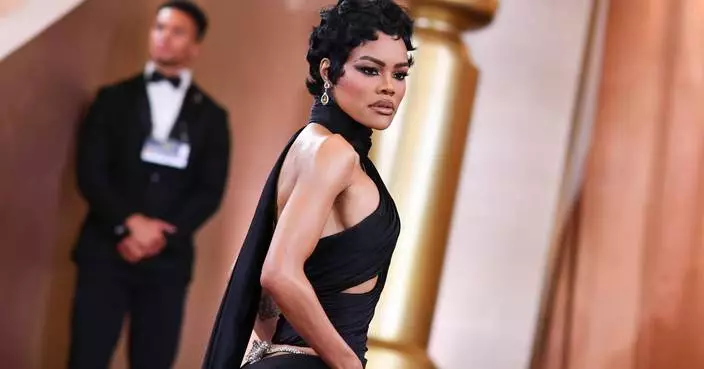
Teyana Taylor arrives at the 83rd Golden Globes on Sunday, Jan. 11, 2026, at the Beverly Hilton in Beverly Hills, Calif. (Photo by Richard Shotwell/Invision/AP)
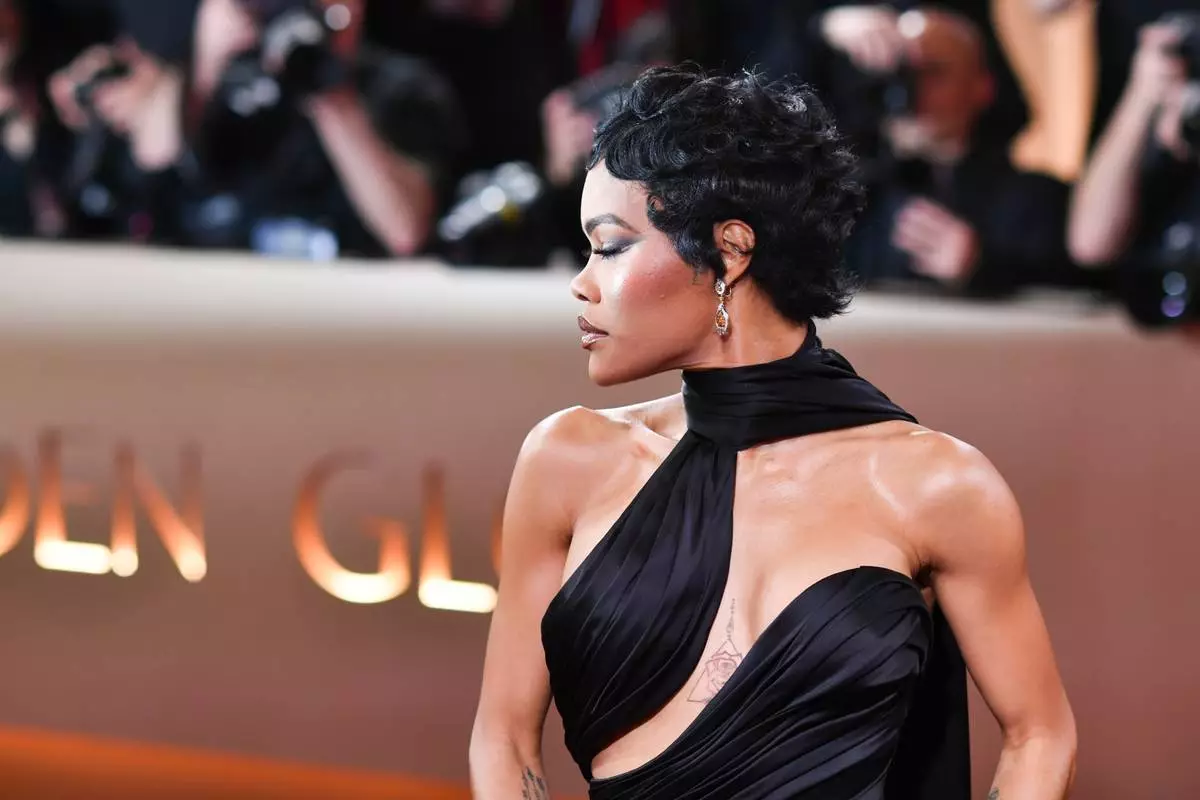
Teyana Taylor arrives at the 83rd Golden Globes on Sunday, Jan. 11, 2026, at the Beverly Hilton in Beverly Hills, Calif. (Photo by Richard Shotwell/Invision/AP)
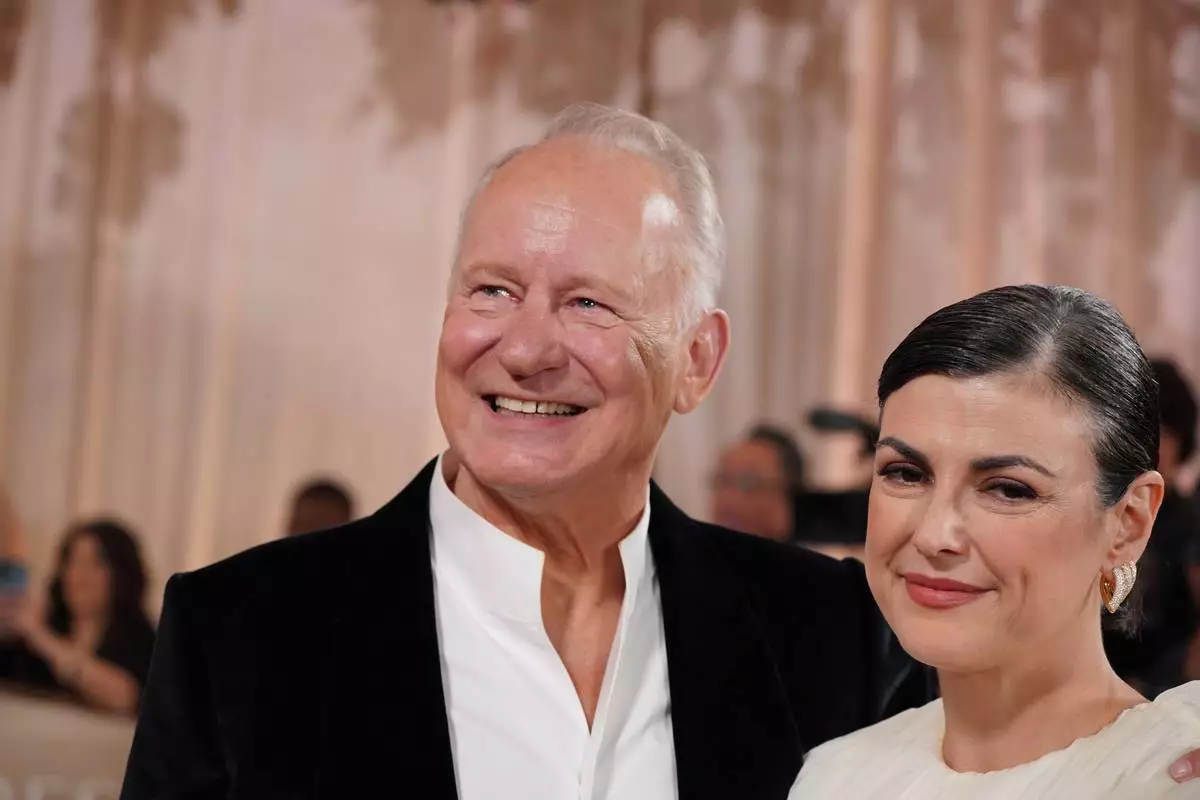
Stellan Skarsgård, left, and Megan Everett-Skarsgard arrive at the 83rd Golden Globes on Sunday, Jan. 11, 2026, at the Beverly Hilton in Beverly Hills, Calif. (Photo by Jordan Strauss/Invision/AP)
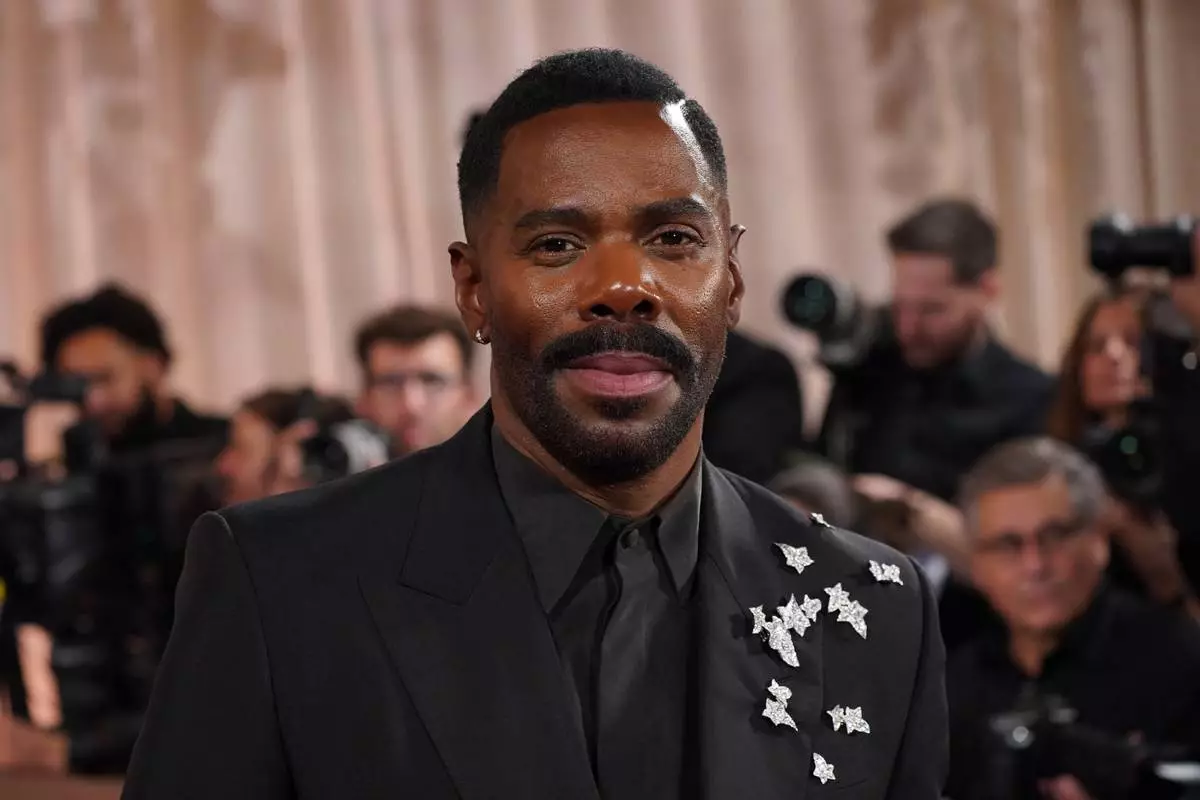
Colman Domingo arrives at the 83rd Golden Globes on Sunday, Jan. 11, 2026, at the Beverly Hilton in Beverly Hills, Calif. (Photo by Jordan Strauss/Invision/AP)
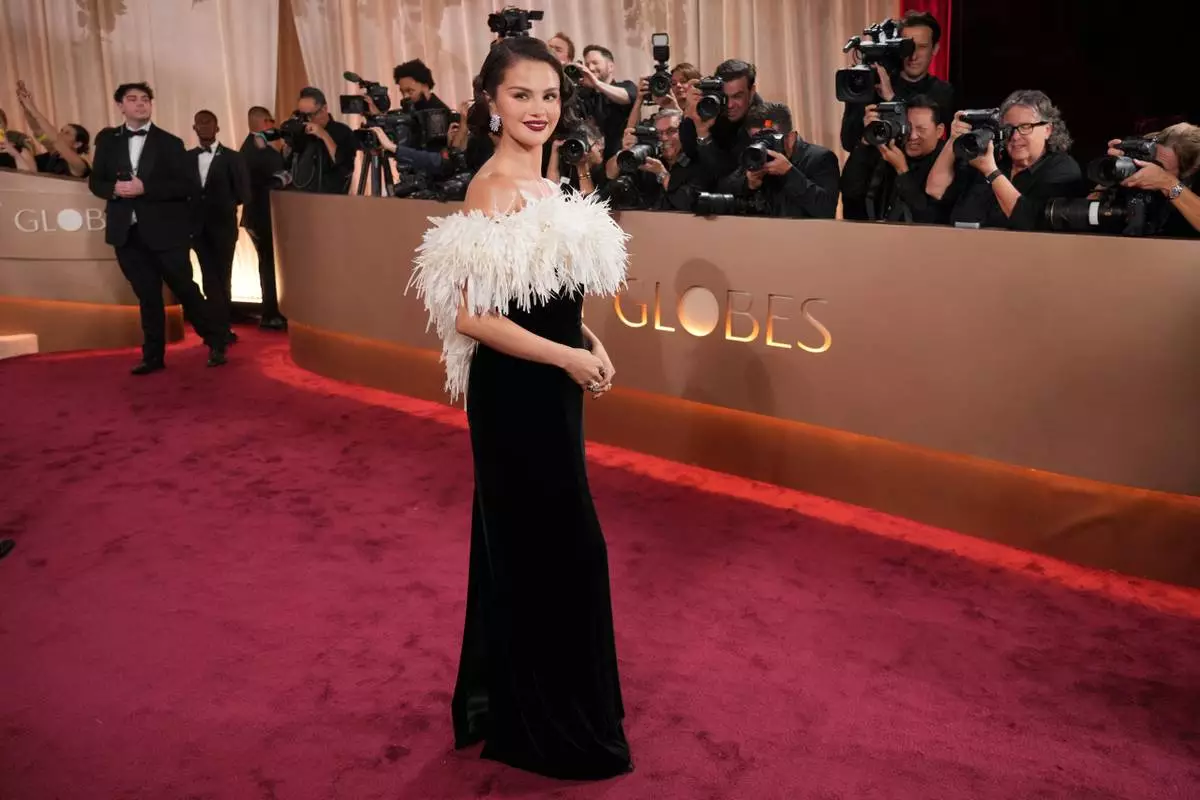
Selena Gomez arrives at the 83rd Golden Globes on Sunday, Jan. 11, 2026, at the Beverly Hilton in Beverly Hills, Calif. (Photo by Jordan Strauss/Invision/AP)
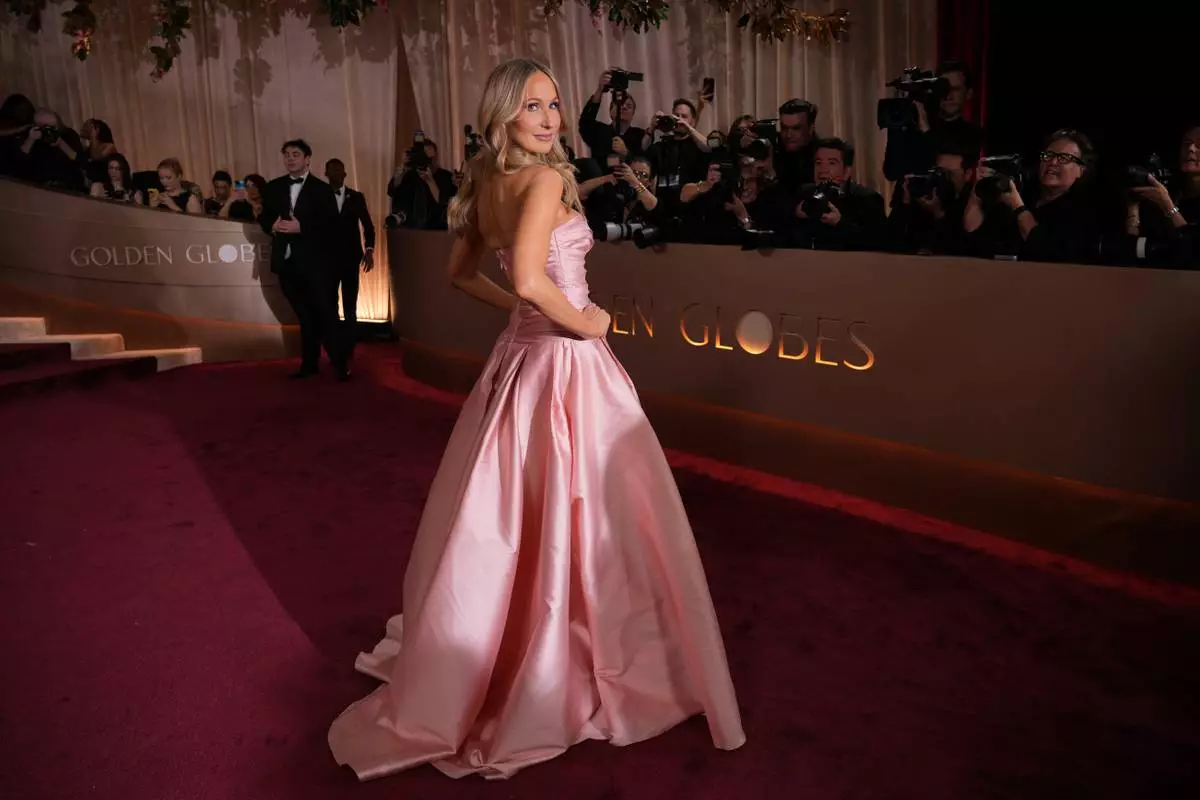
Nikki Glaser arrives at the 83rd Golden Globes on Sunday, Jan. 11, 2026, at the Beverly Hilton in Beverly Hills, Calif. (Photo by Jordan Strauss/Invision/AP)
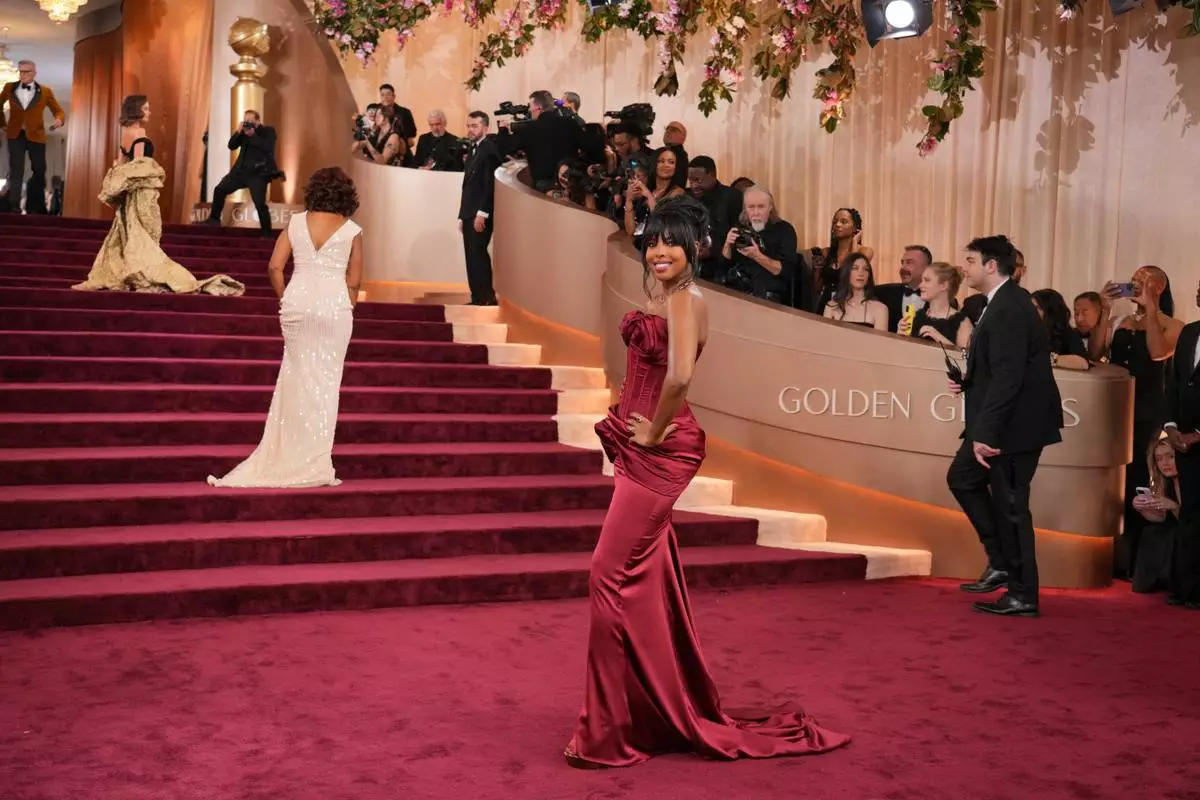
Maura Higgins, from ledt, Gayle King, and Mona Kosar Abdi arrive at the 83rd Golden Globes on Sunday, Jan. 11, 2026, at the Beverly Hilton in Beverly Hills, Calif. (Photo by Jordan Strauss/Invision/AP)
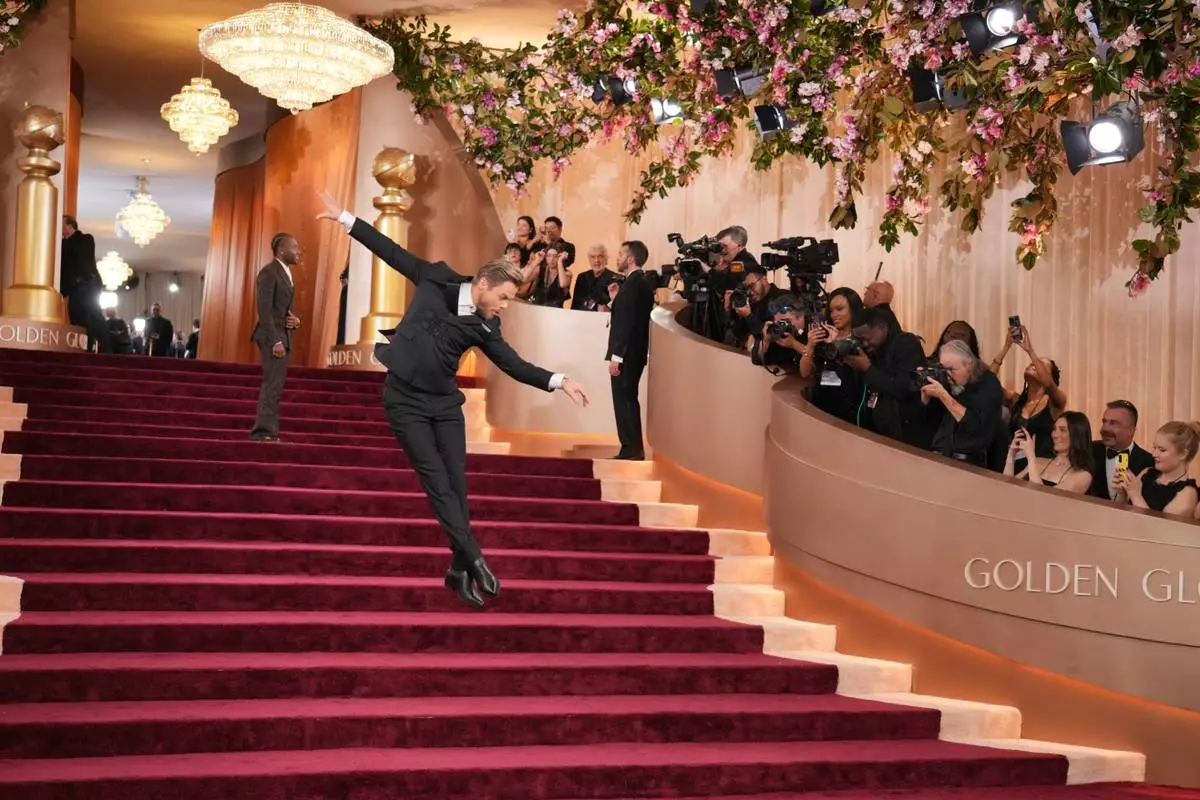
Derek Hough arrives at the 83rd Golden Globes on Sunday, Jan. 11, 2026, at the Beverly Hilton in Beverly Hills, Calif. (Photo by Jordan Strauss/Invision/AP)
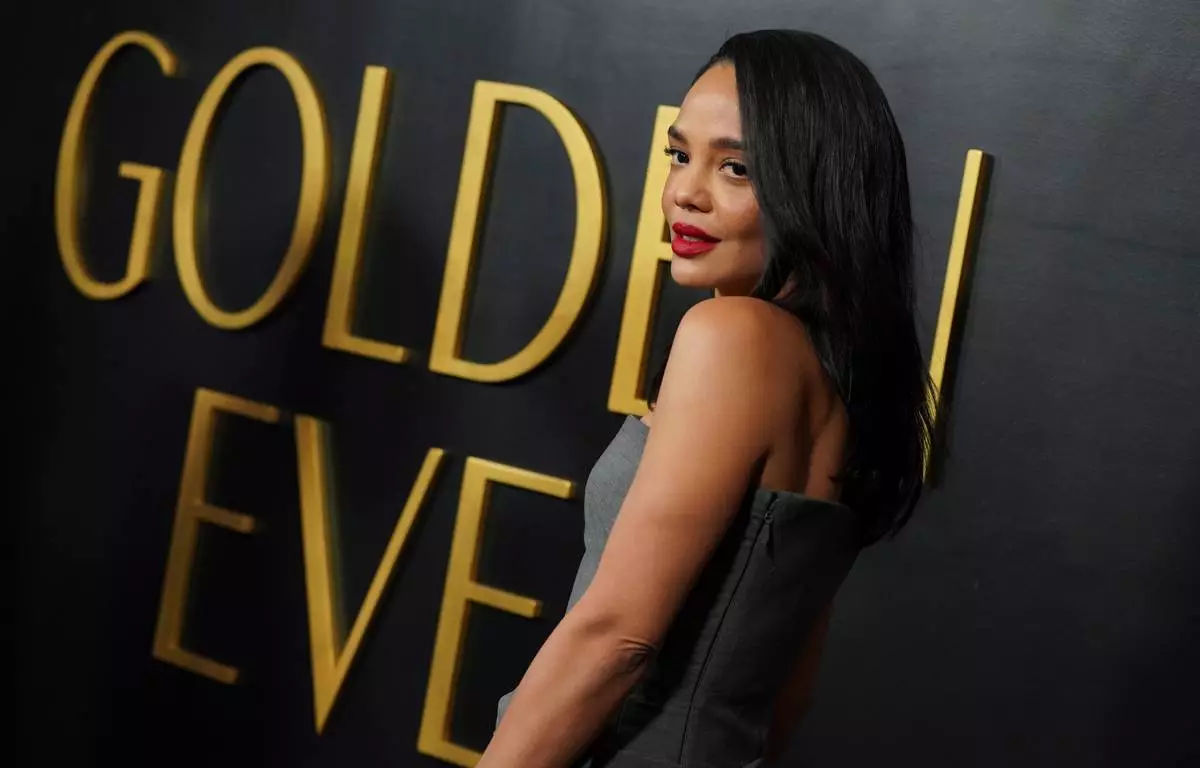
Tessa Thompson arrives at the Golden Globes Golden Eve on Tuesday, Jan. 6, 2026, at The Beverly Hilton Hotel, in Beverly Hills, Calif. (Photo by Jordan Strauss/Invision/AP)

Nikki Glaser rolls out the red carpet during the 83rd Golden Globes press preview on Thursday, Jan. 8, 2026, at the Beverly Hilton in Beverly Hills, Calif. (AP Photo/Chris Pizzello)