INDIANAPOLIS (AP) — Two-time defending Indianapolis 500 winner Josef Newgarden and teammate Will Power will start from the final two spots on the grid Sunday after their teams were penalized for violating the rules during qualifying weekend in the second controversy to embroil Team Penske's IndyCar program in just over a year.
IndyCar also announced Monday that the team strategists for the Nos. 2 and 12 have been suspended for the race; the cars will forfeit their qualification points and pit box selections; and each of the entries has been fined $100,000.
Click to Gallery
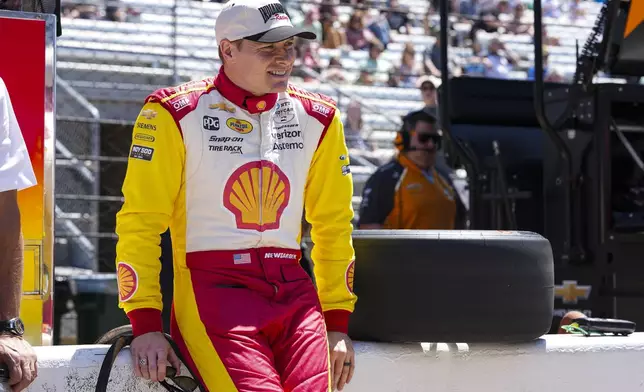
Josef Newgarden waits for the start of practice for the Indianapolis 500 auto race at Indianapolis Motor Speedway in Indianapolis, Sunday, May 18, 2025. (AP Photo/Michael Conroy)
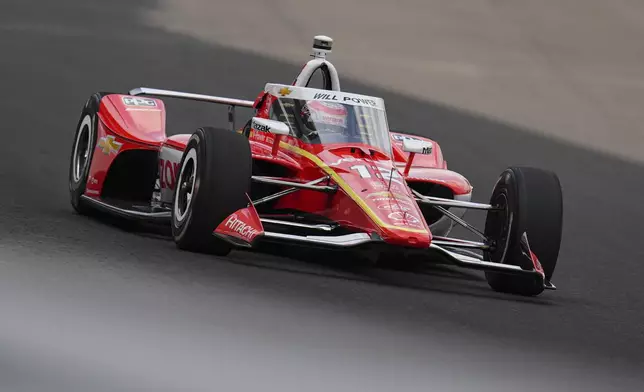
Will Power, of Australia, drives through the first turn during practice for the Indianapolis 500 auto race at Indianapolis Motor Speedway in Indianapolis, Thursday, May 15, 2025. (AP Photo/Michael Conroy)
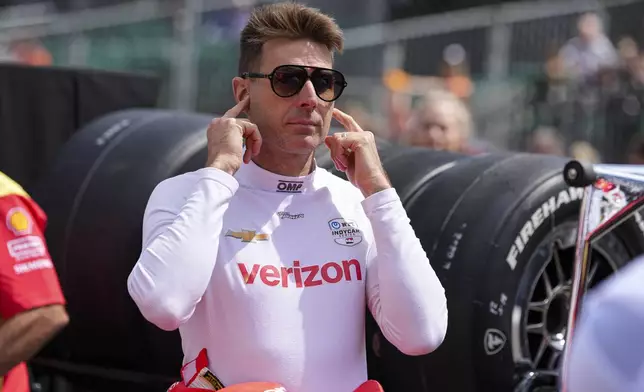
Will Power, of Australia, watches as he waits for is turn during qualification for the Indianapolis 500 auto race at Indianapolis Motor Speedway in Indianapolis, Saturday, May 17, 2025. (AP Photo/Michael Conroy)
Josef Newgarden drives through the first turn during practice for the Indianapolis 500 auto race at Indianapolis Motor Speedway in Indianapolis, Thursday, May 15, 2025. (AP Photo/Michael Conroy)
“We need our biggest stakeholders, the people that are investing in our sport, to believe that it’s a level playing field," IndyCar president Doug Boles said before Monday's practice at the speedway, "and that they have every chance as anybody else does to win the Indianapolis 500, so we’re all singing from the same songbook.
“I think this is a clear indication, I hope, to the paddock that we take this seriously," Boles added, "that this is not something that we’re going to continue to allow to happen. We are going to make sure that the cars on the racetrack are evenly prepared.”
Team Penske said in a statement that “we accept the penalties issued today by the IndyCar Series."
“We are disappointed by the results and the impact it has on our organization,” the statement read. “We will make further announcements later this week related to personnel for the upcoming Indianapolis 500.”
The trouble for Team Penske began before the fast 12 shootout Sunday, when rival team owner Chip Ganassi was among a chorus of competitors who accused it of cheating. They noticed unapproved changes had been made to the rear attenuator, a safety device designed to absorb and reduce the force of impacts, and the assumption was the modifications would have given the two Team Penske cars an aerodynamic advantage in their four-lap qualifying runs.
Tim Cindric, the president of Penske’s IndyCar program, said Power passed inspection but officials had flagged Newgarden’s car, and he was told neither would pass inspection after making their runs. So, the cars were pulled from the lineup altogether.
Boles initially said late Sunday that Newgarden and Power would join teammate Scott McLaughlin — who had crashed in practice on Sunday and was unable to make a qualifying run — in the fourth row for the race. But after the series gathered more facts and considered the case, the decision was made to put Newgarden in the 32nd starting spot and Power in the 33rd.
McLaughlin will keep the 10th starting spot because his wrecked car was found to have used a legal attenuator.
“This violation of the IndyCar rule against modification to this part and using it ‘as supplied’ is clear,” Boles said. "The penalty should be more than simply starting where the cars might have qualified anyway, if given the opportunity. The cars belong in the field as two of the fastest 33, however, starting on the tail of the field is the appropriate penalty in this instance.”
One year ago, Team Penske was caught in a push-to-pass scandal in which Newgarden was found to have access to an additional boost of horsepower when he should not have at the season-opener. He was stripped of his win and team owner Roger Penske — who also owns IndyCar and Indianapolis Motor Speedway — suspended Cindric for two races, including the Indy 500.
Also suspended were managing director Ron Ruzewski, Newgarden engineer Luke Mason and data engineer Robbie Atkinson.
Cindric and Ruzewski will now miss their second consecutive Indy 500.
“As far as I'm concerned, this case is closed,” Boles said.
Newgarden, who is trying to become the first driver to win three consecutive Indy 500s, was a contender to capture the pole. He was seen running off his anger around the speedway Sunday as another qualifying session roared on.
Pato O’Ward, who drives for rival Arrow McLaren, said after qualifying on the front row that IndyCar should have penalized the two Penske cars by making them run in a last-chance qualifier to re-earn spots on the grid. He also wondered why the powerful Team Penske continues to push the envelope when it comes to the rules.
“It’s a shame,” O'Ward said. “They’re a great team. They have great drivers. Why are you doing that? It makes no sense.”
O'Ward expressed sympathy for the four drivers who had to compete for the final three spots in the last-chance qualifier. Jacob Abel, an IndyCar rookie who had been fast in practice, ended up missing the race.
“I do see all the comments. I do appreciate everyone's support and everything, saying we should be in the race because we were legal,” Abel said. “At the end of the day, we knew what we needed to do on Saturday, we knew what we needed to do on Sunday, and unfortunately we came up short. ... I don't want to be there on a technicality. I want to deserve to be there.”
AP Auto Racing Writer Jenna Fryer contributed to this report.
AP auto racing: https://apnews.com/hub/auto-racing
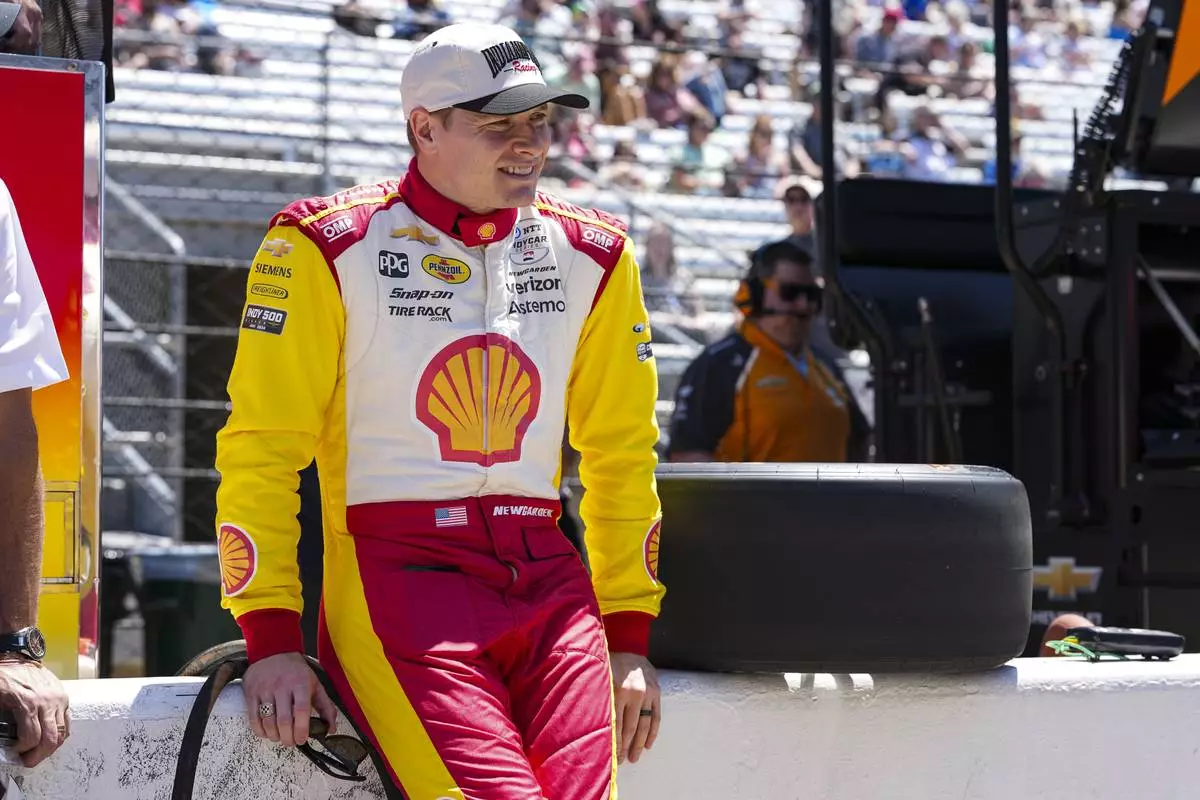
Josef Newgarden waits for the start of practice for the Indianapolis 500 auto race at Indianapolis Motor Speedway in Indianapolis, Sunday, May 18, 2025. (AP Photo/Michael Conroy)
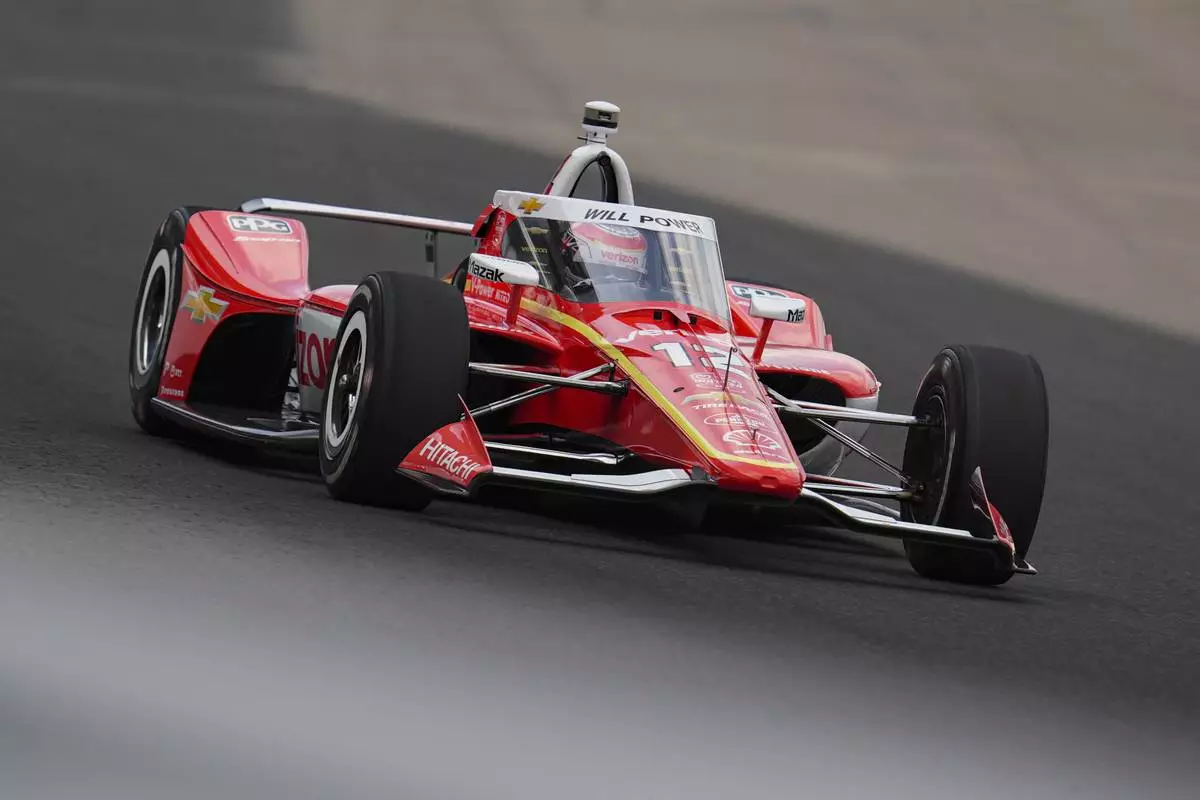
Will Power, of Australia, drives through the first turn during practice for the Indianapolis 500 auto race at Indianapolis Motor Speedway in Indianapolis, Thursday, May 15, 2025. (AP Photo/Michael Conroy)
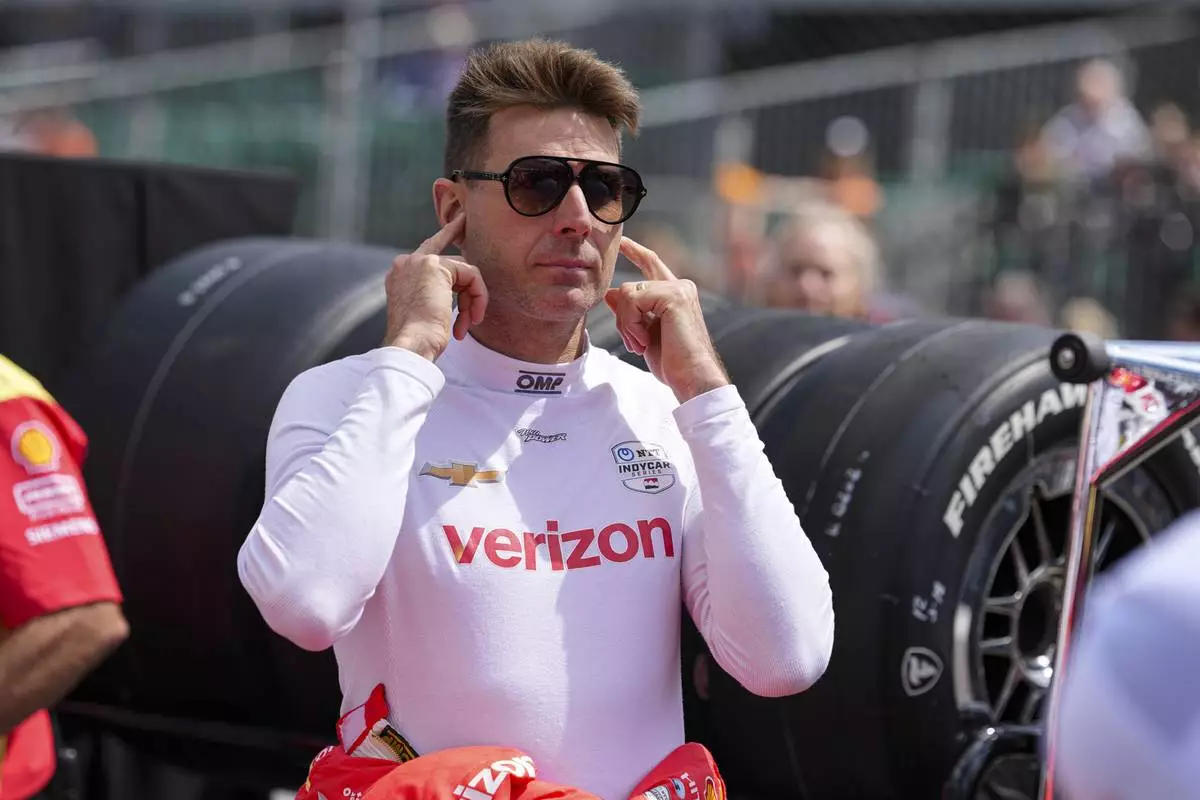
Will Power, of Australia, watches as he waits for is turn during qualification for the Indianapolis 500 auto race at Indianapolis Motor Speedway in Indianapolis, Saturday, May 17, 2025. (AP Photo/Michael Conroy)
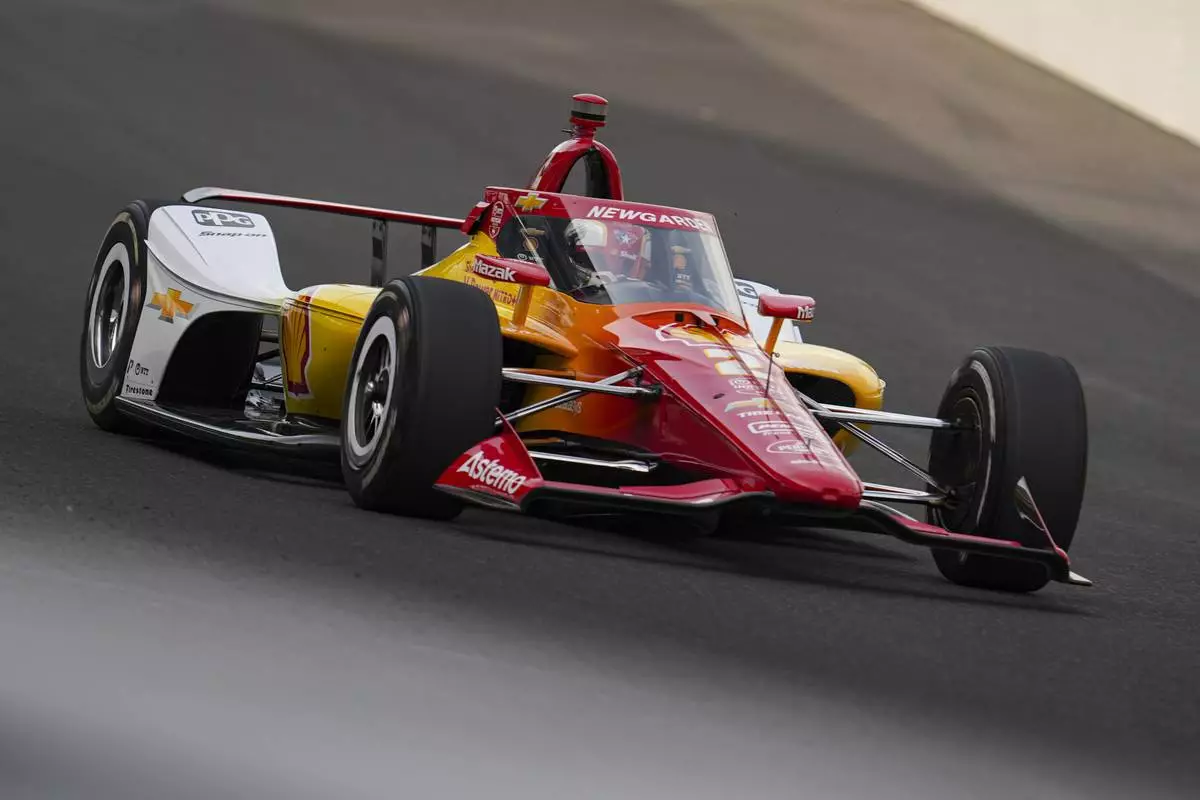
Josef Newgarden drives through the first turn during practice for the Indianapolis 500 auto race at Indianapolis Motor Speedway in Indianapolis, Thursday, May 15, 2025. (AP Photo/Michael Conroy)
LOS ANGELES (AP) — Until quite recently, the prevailing image to outsiders of The Church of Jesus Christ of Latter-day Saints has been male missionaries wearing white shirts and name tags, evoked by the hit Broadway show “The Book of Mormon.”
But another unofficial face of the male-led church has emerged in American pop culture: digitally savvy, female influencers, often seen sporting athleisure, a giant soda in hand — and varying degrees of adherence to church teachings.
These influencers have found an enthusiastic audience across the country, curious about their faith and families. Some explain the tenets of what's widely known as the Mormon church, but others bring attention to the rules they often break — drinking alcohol, having premarital sex and in one high-profile instance, a “soft-swinging” scandal that birthed the hugely popular Hulu reality series, “The Secret Lives of Mormon Wives.”
ABC sought to capitalize on that interest by casting “Mormon Wives” star Taylor Frankie Paul in “The Bachelorette,” but recently had to scuttle the already filmed season after a video of a domestic violence incident surfaced.
These viral moments and “Mormon Wives” project a version of the faith that appears more progressive and lenient than church leadership and other Latter-day Saint influencers might like. “The internet really challenged the church’s ability to maintain its own narratives about itself,” said Nancy Ross, an associate professor at Utah Tech University who studies Mormon feminism.
The church has worked to distance itself from “Mormon Wives,” issuing a statement ahead of the first season’s premiere in 2024 without naming the show specifically. It said that some media portrayals of Latter-day Saint women resort to “stereotypes or gross misrepresentations that are in poor taste and have real-life consequences for people of faith.”
Camille N. Johnson, the president of the church’s Relief Society organization for women, said in an emailed statement that it’s important to seek out trusted sources of information about the church and its members in light of recent media attention.
“Millions of Latter-day Saint women around the world strive to live faith-filled lives grounded in a love for God and all of His children,” she said.
It would be impossible for the “Mormon Wives” cast to fully represent millions of women in the church. But they are not the only Latter-day Saint influencers online — nor are they the only ones with large followings.
Many are women in their early twenties who are married with young children. They post about young motherhood and experiences like buying a house before they turn 25. Lauren Yarro, a Latter-day Saint content creator and podcast host, said she can see this being a foreign image to some.
“Our culture is fascinating to an outsider, and I can understand why it would pull people in,” she said. “That Mormon timeline is intriguing to the rest of the world. I think most people innately have a desire for a happy marriage and a happy family life and we tend to create those in The Church of Jesus Christ of Latter-day Saints.”
The beliefs and practices of church members have often been the subject of intense interest and scrutiny because of how they differ from other religions. Some of these include the belief that church leadership can receive revelations from God, or the practice of wearing garments under clothing that have deep religious significance.
Latter-day Saint influencers are not a new phenomenon, but they have found staying power by driving pop culture discourse and documenting their lifestyles. Many of them use content creation as a way to be stay-at-home parents while also generating income for their families. Several prominent creators live in Utah, the home of the church’s administrative and cultural hub, but there is a broad spectrum in terms of how much they bring their faith into their content.
While “Mormon Wives” and its controversial star, Paul, have been the recent high-profile drivers of public interest, the cast talks about the church only sparingly. Rosemary Avance, an assistant professor at Oklahoma State University whose research includes religious identity and digital media, said “there’s so little reference” to the cast's faith once people are hooked on the show from its title. Many cast members have left the church or are no longer active in it.
“It was clearly a marketing strategy on behalf of the people putting these shows together. They think that’ll draw people in, and it does,” she said. “It’s not like you have these women sitting down talking about their secret temple practices that they’re not supposed to speak about, or challenging the authority of the church in some way. They’re just not talking about it.”
Avance sees parallels between now and about 15 years ago, when Republican Mitt Romney was running for president and “The Book of Mormon” debuted on Broadway. At the time, people wanted to know “what’s going on behind the scenes in Mormonism,” she said.
“People think they know a lot about it (Mormonism), and they’ve heard a lot about it because there’s prominent stories and prominent people who are well-known and those narratives are circulated, but it’s almost always second-, third-hand,” she said. “A lot of people don’t know any Mormons and may never meet a Mormon, or if they have, they don’t know it, and so it’s what you’ve heard and the preconceptions you think you have about Mormonism.”
Creators like Yarro, who speak about their faith openly online and closely follow the church's teachings, said “Mormon Wives” does not feel representative of their experiences in the church or their lives in Utah. The Latter-day Saint content creators who spoke with The Associated Press emphasized they don't place fault on the individual cast members, but rather the production of the show and the way it Hollywoodizes their faith. Representatives for Hulu did not respond to a request for comment.
“The only thing I don’t like about what they do is sometimes they will play on things, twist things, use what is sacred to us as members of the church, and they’ll put it out and it feels like mockery to us,” said Shayla Egan, another Latter-day Saint content creator.
Some of the more devout members use their online platforms to respond to and course-correct more salacious social media content or “Mormon Wives” storylines they believe don't align with their understanding of church teachings or experiences.
Mimi Bascom, a Latter-day Saint content creator who says the mission behind her social media presence is to “show that members of the church are real people,” often makes videos responding to “Mormon Wives” clips. She finds the show to be a “net positive for our church” since it gives everyday members the opportunity to “share what we actually believe and get that more out there into the world,” she said.
Bascom, for one, had always prepared to serve on a mission but no longer could after getting married. Making content about the church has felt like a way she's “able to still live that out,” she said.
“We want to be missionaries and spread the good word of the Gospel,” she continued, “and so this is just another way we can do it.”
Associated Press religion coverage receives support through the AP’s collaboration with The Conversation US, with funding from Lilly Endowment Inc. The AP is solely responsible for this content.
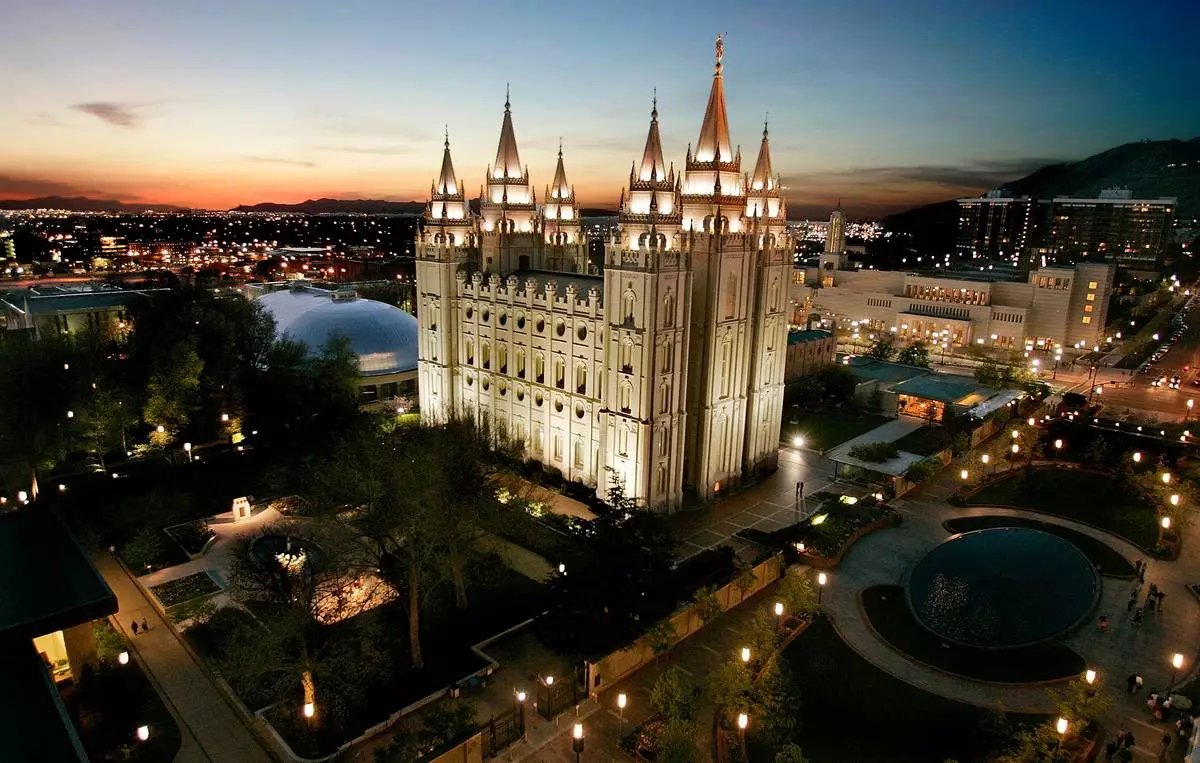
FILE - The sun sets behind the Mormon Temple, the centerpiece of Temple Square, in Salt Lake City, April 27, 2006. (AP Photo/Douglas C. Pizac, File)
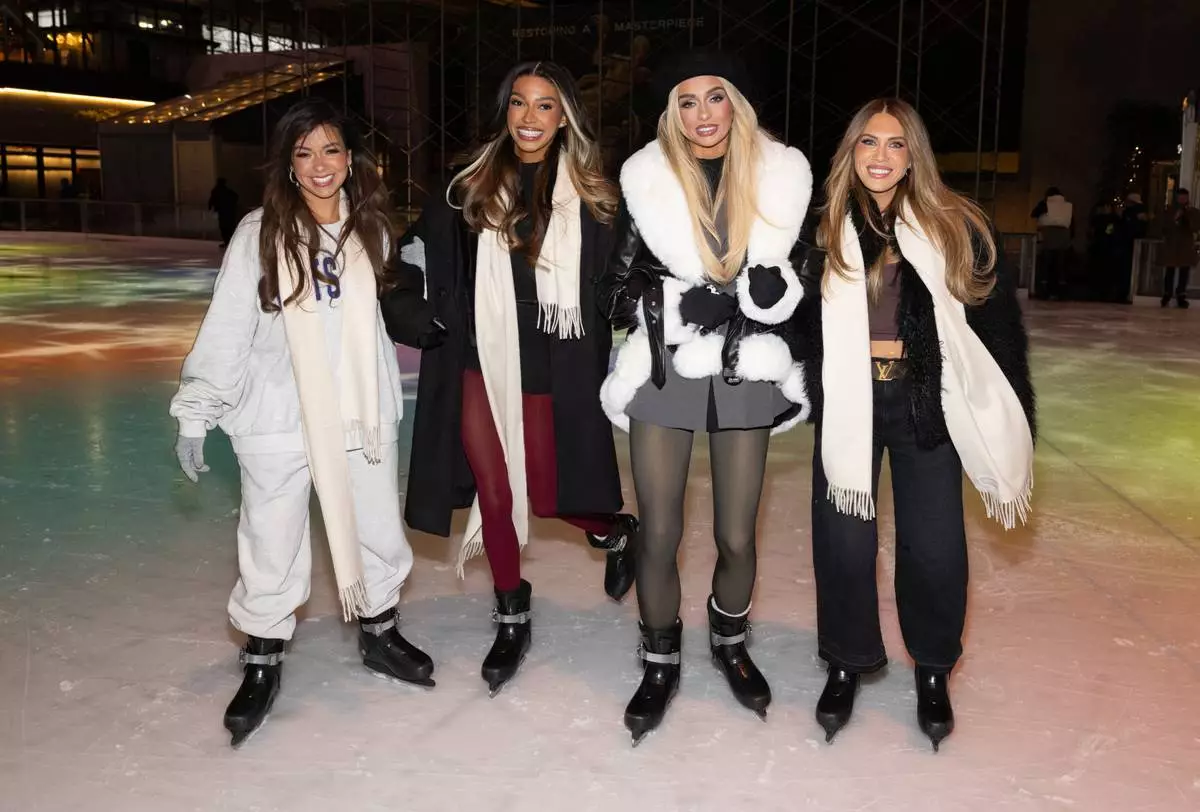
FILE - Jen Affleck, from left, Layla Taylor, Miranda McWhorter, and Jessi Draper Ngatikaura participate in Hulu's "The Secret Lives of Mormon Wives" photo call at The Rink at Rockefeller Plaza, Tuesday, Nov. 11, 2025, in New York. (Photo by CJ Rivera/Invision/AP, File)