TOKYO--(BUSINESS WIRE)--May 20, 2025--
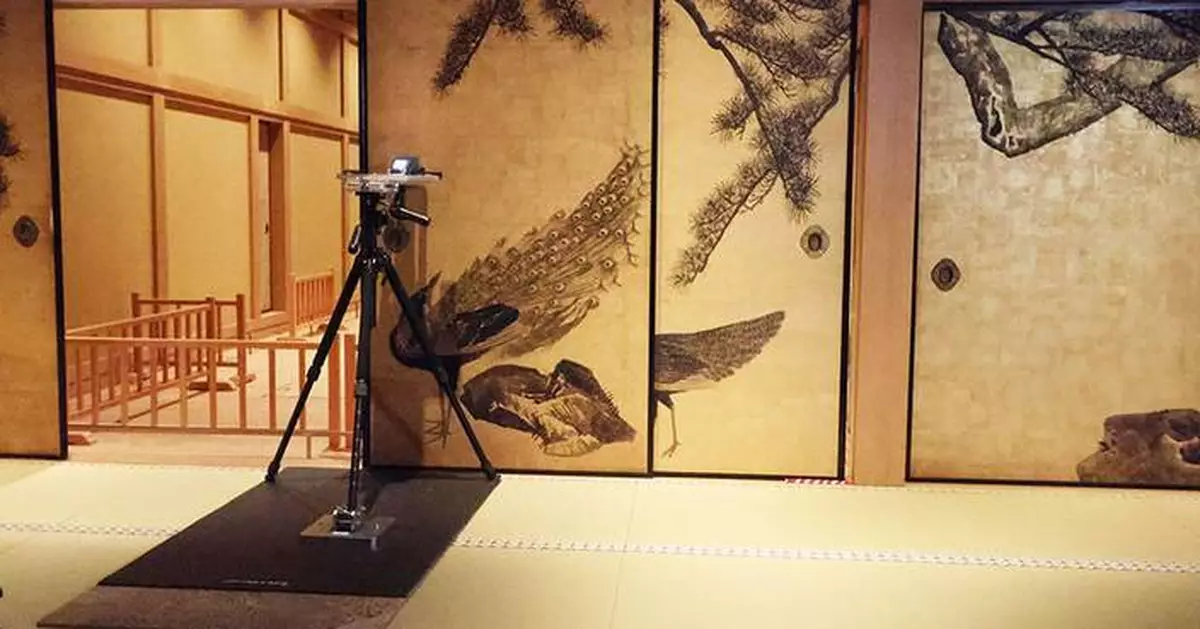
Rigaku Corporation, a global solution partner in X-ray analytical devices and a Group company of Rigaku Holdings Corporation (headquarters: Akishima, Tokyo; CEO: Jun Kawakami; hereinafter “Rigaku”) has conducted measurements of fusuma-e in Daijoji, a temple in Mikata-gun, Hyogo Prefecture. Fusuma-e, also called shohekiga, are images drawn on fusuma, traditional sliding partitions.
This press release features multimedia. View the full release here: https://www.businesswire.com/news/home/20250520840612/en/
The measurements were conducted as part of a research project to “restore the original colors of the gold-leaf backing of fusuma-e drawn by Maruyama Okyo (1733–1795), a painter of the mid to late Edo period. The project is being conducted through the collaboration of three researchers: Shinno Yamasoba, assistant chief priest of Daijoji Temple and project leader; Tetsuya Senda, formerly of the National Maritime Research Institute; and Takeshi Tanaka, artist and professor at Tohoku University of Art & Design.
The purpose of the measurements was to investigate scientifically the artistic intention of Maruyama Okyo, the historical context in which he painted, and the impact that restoration would have. The team used the Thermo Scientific™ Niton™ XL5 Plus, a handheld X-ray fluorescence (XRF) analyzer, for its ability to analyze material composition non-destructively. Detailed data were acquired, focusing on the following three areas of interest.
(1) Determining the timing of production of the peacock images
The team measured to determine whether the gold foil used in the two center panels and the two end panels were of the same or different composition. Confirmation that the compositions are different would provide scientific evidence that the fusuma-e were produced at different times.
(2) Use of gold foil to express perspective
Preliminary measurements suggest that gold foil was used on panels with colored drawings of basho (Japanese fiber banana) to produce a bright, reddish tinge, and on panels with ink drawings of peacocks to create a dark, bluish aspect. In this measurement, the compositions of all fusuma were analyzed to examine further whether different color gradations of gold foil were used in two-panel spaces to create perspective (sense of depth). The results are expected to lead to fresh understanding of the expressive techniques of Okyo.
(3) Use of gold foil in the Edo and Meiji eras
The team compared the gold foil Okyo used in the original paintings in the Edo era with the gold foil used in repairs in the early Meiji era (mid-to-late 19 th century). This measurement was a precious opportunity to obtain quantitative data on the gold foil used in the Edo era.
These analytical results are expected to be used as a scientific resource to deepen understanding of the painting aches and techniques of Maruyama Okyo.
Rigaku will continue to contribute to the preservation of cultural treasures and transmission of them to future generations through science and technology.
About the Rigaku Group
Since its establishment in 1951, the engineering professionals of the Rigaku group have been dedicated to benefiting society with leading-edge technologies, notably including its core fields of X-ray and thermal analysis. With a market presence in over 90 countries and some 2,000 employees from 9 global operations, Rigaku is a solution partner in industry and research analysis institutes. Our overseas sales ratio has reached approximately 70% while sustaining an exceptionally high market share in Japan. Together with our customers, we continue to develop and grow. As applications expand from semiconductors, electronic materials, batteries, environment, resources, energy, life science to other high-tech fields, Rigaku realizes innovations “To Improve Our World by Powering New Perspectives.”
For details, please visit rigaku-holdings.com/english
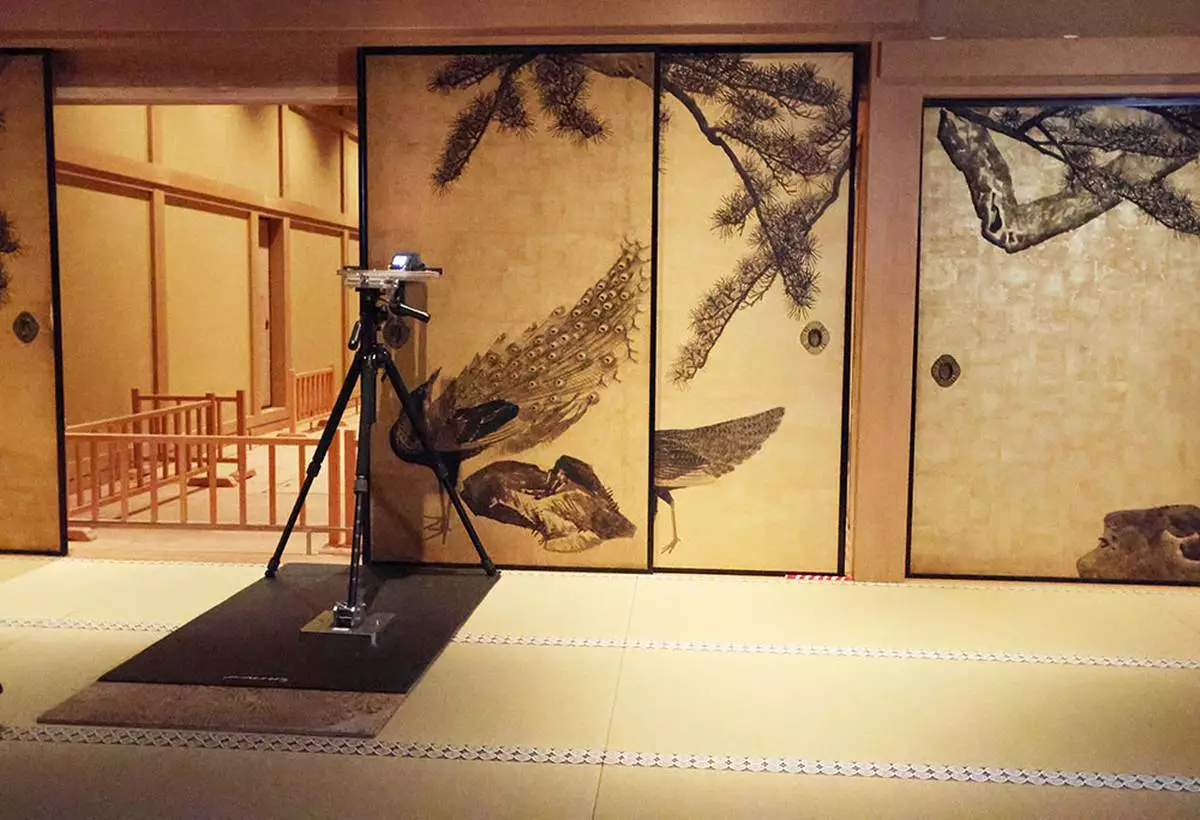
Measurement using the Thermo Scientific™ Niton™ XL5 Plus, a handheld XRF analyzer