LOS ANGELES--(BUSINESS WIRE)--May 20, 2025--
City of Hope ®, one of the largest and most advanced cancer research and treatment organizations in the United States with its National Medical Center named Top 5 “Best Hospital” in the nation for cancer care by U.S. News & World Report, is calling for urgent change in light of increasing cancer incidence among younger women.
This press release features multimedia. View the full release here: https://www.businesswire.com/news/home/20250520926147/en/
Central to the push: expanded access to risk assessments, greater investment in age-specific, research, and a national standard for supportive care — addressing the needs of a new generation of survivors who navigate issues such as fertility, employment, mental health, body image, managing young families and the risk of recurrence as well as new cancers for decades postdiagnosis.
With cancer rates in women under 50 now 82% higher than in men the same age — driven by rising cases of lymphoma, melanoma, thyroid, breast, lung, cervical and ovarian cancers — City of Hope is joining with the American Cancer Society, Together for Supportive Cancer Care, Tigerlily Foundation and others in championing three urgent avenues for change.
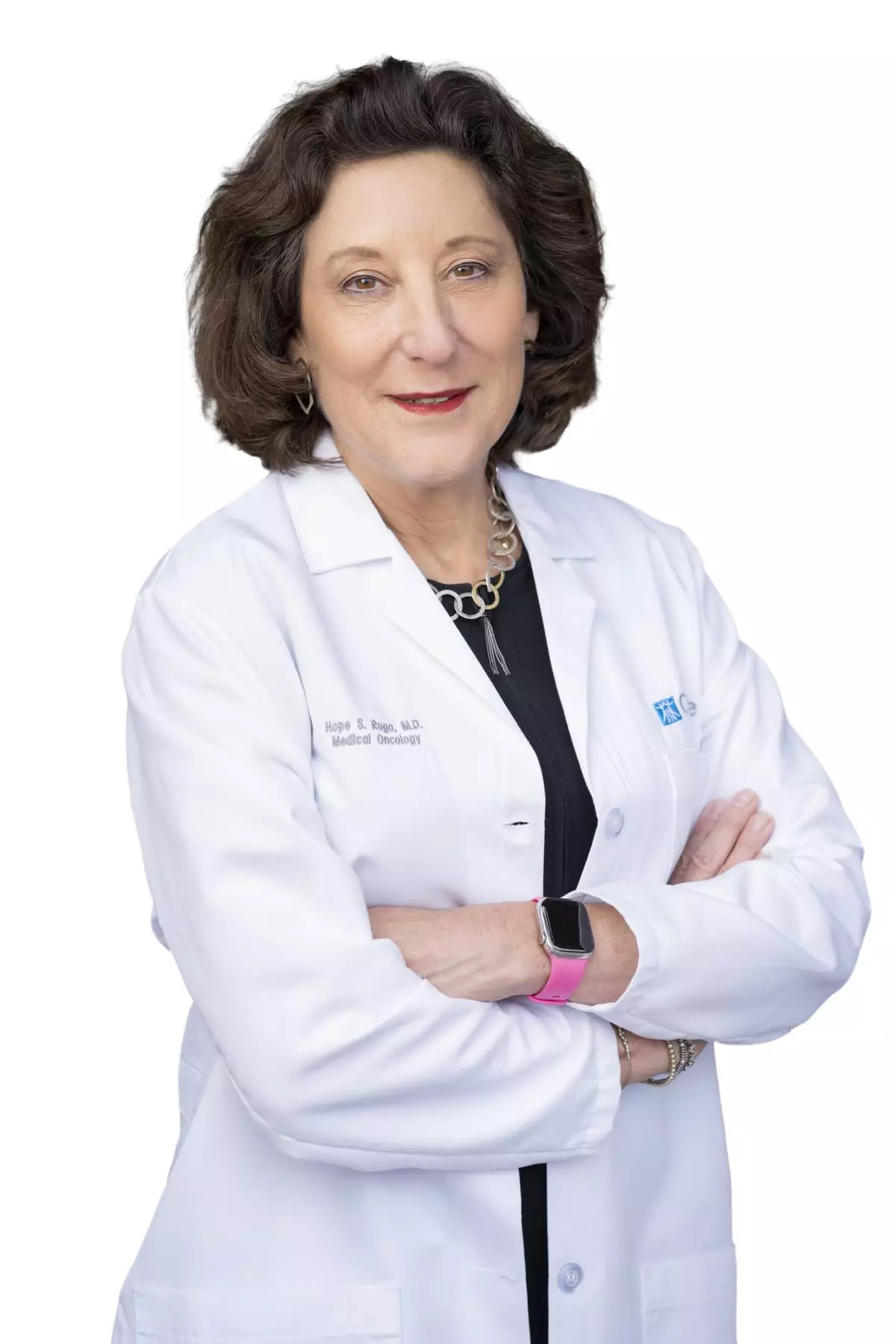
“New therapies are allowing more people with cancer to live longer. But the reality is that cancer research, treatment and even the support we provide are generally tailored to older patients that historically were most impacted by cancer,” said Hope S. Rugo, M.D., director of City of Hope’s Women’s Cancers Program. “Today’s data has shifted. Many women are navigating a cancer landscape that fails to address their unique needs, including preserving their quality of life long after diagnosis.”
“As outlined in the American Cancer Society’s 2025 Cancer Statistics report, there is a rising incidence of cancer in young and middle-aged women, who are often the family caregivers, shifting the cancer burden from men to women,” said Alpa V. Patel, PhD., SVP Population Science at the American Cancer Society. “As the largest non-government, non-profit funding source of cancer research in the U.S., we are currently developing risk assessment tools empowering everyone to lower their risk of cancer as well as patient support programs to aid anyone impacted by cancer from prevention to long-term survivorship. Therefore, we believe in supporting research efforts in risk assessment, screening guidelines, and delivery of care to make progress in our mission to end cancer as we know it, for everyone.”
Three Pillars of Change
A National Standard for Supportive Care: City of Hope and its partner, Together for Supportive Cancer Care, a national coalition including the American Cancer Society, advocacy groups and leading health systems, is calling for a national standard of care for health care providers and insurers that would ensure supportive services for cancer patients. Supportive care focuses on the whole patient and family, helping manage the physical, social, emotional, psychological, spiritual and practical/economic challenges of cancer and its treatment. For younger women, this includes tailored resources addressing fertility, family life, workforce re-emergence, financial health and managing long-term risk of recurrence.
Expanding Risk Assessments: Many women could benefit from early detection but remain unaware of their heightened risk. City of Hope is joining the growing number of experts calling for breast cancer risk assessments to start at age 25. It’s also critical to expand the availability of and coverage for assessment tools that may provide a more specific risk evaluation by considering inherited genetic mutations, family history of cancer and lifestyle factors. Depending on their risk, some women may need screenings at a younger age than typical guidelines recommend. Another area that requires further research is effective screening, as standard methods are often less effective in younger women.
Prioritizing Age-Specific Research: Women under 40 remain significantly underrepresented in clinical trials, a gap that limits development of age-specific treatments and personalized care strategies. Studies have suggested that new treatments geared toward this patient population and the biology of cancers in young women may dramatically reduce mortality rates. Encouraging other institutions to follow suit, City of Hope is prioritizing research and clinical trials that meet the needs of this younger demographic — like the Phase 2 I-SPY2 trial, which City of Hope is participating in and is designed to improve outcomes in patients with high-risk breast cancer by testing new therapies individualized to cancer biology that are administered before surgery. This allows patients with fast-responding tumors to receive potentially less toxic therapy, while patients with more resistant tumors have the chance to optimize sequential treatments.
Speaking Out: Real Stories, Real Urgency
City of Hope’s call for change amplifies the voices of younger cancer survivors and the clinicians now treating them.
Fertility Preservation is Critical:Natalie Schnaitmann, L.C.S.W., executive director of City of Hope’s Department of Supportive Care Medicine, says, “We need to talk more about how cancer uniquely impacts younger women and fertility. There are techniques that we can normalize and introduce early — like egg preservation, freezing some ovarian tissue to be re-transplanted later and even new therapies to reduce the risk of chemotherapy-induced ovarian damage.”
Research That Reflects Younger Patients:Lily Lai, M.D., City of Hope colon and breast cancer specialist, says, “We need to stop treating 30-year-old women like 70 year olds. Radiation, chemotherapy, surgery — every decision has a lasting impact when you’re treating someone with half a lifetime still to go.”
Anticipating an Entirely New Age Group:Lauren Antrim, M.D., City of Hope oncologist, says, “Sometimes I’ll see an older person or couple and a 30-year-old woman in my waiting room — and I have to double-check who the patient is. We just don’t expect the 30-year-old daughter to be the one with lung cancer. This wasn’t in our medical school training.”
The Overwhelming Nature of a Younger Cancer Diagnosis: Sara Glenn, 39, currently undergoing breast cancer treatment and fighting to keep cancer from her daughters' lives, says, “My diagnosis came out of the blue — I had no family history of breast cancer. But we later discovered I carry the same tp53 gene mutation as my father. This discovery led to an additional diagnosis of Li-Fraumeni Syndrome for my father, one sister and both of our daughters. We’re all participating in clinical trials. It’s overwhelming, but even when it’s scary, I believe knowledge is power.”
The Need for Self-Advocacy: Gabby Zappia, 37, mother of three, says, “I put my trust in the medical professionals who told me my symptoms were common during pregnancy. Nine months later, I found out I had Stage 4 colon cancer. I’m speaking out so others will advocate for themselves too.”
Fighting to be Heard: Alisa Secaida, 39, mother of two, says, “When you're a young mom and hear the word 'cancer,' your world shatters. I wish people understood how isolating it is to face the stigma of lung cancer — as if you did something to deserve it. The truth is, it can strike anyone, even healthy young women who are nonsmokers like me. What made it even harder was how long it took to be heard. There are no routine screenings for people like me, and my symptoms were dismissed again and again. I was made to feel like I was overreacting when in reality my body was fighting cancer.”
Acting on Hope
While cancer in younger women is a threat just beginning to be understood, City of Hope experts make the following recommendations for young people to lower or reduce their chances of incidence and recurrence.
Speak Up: If symptoms persist, trust your instincts. Seek a second opinion, if needed. A strong doctor-patient partnership may make a critical difference.
Know Your Risk, Including Your Genetics, Family History and Lifestyle: Inherited genetic mutations cause only about 10% of cancers, but understanding your family history may guide early screening, prevention strategies and lifestyle adjustments. Several respected simple risk assessment tools are available, including on the American Cancer Society website. More detailed risk assessments leveraging family history and genetic testing are available at leading cancer centers like City of Hope.
Adopt Healthier Lifestyles: Reduce processed foods, alcohol consumption and sedentary behaviors, and stop smoking. Lower fat in the diet promotes general health. And research shows a poor diet may impact gut health — including bacterial composition — which may play a role in the rise of colorectal cancer in young adults. Maintaining a healthy weight and regular exercise are also important, especially after menopause.
Address Fertility Needs Upfront: Fertility preservation is often possible, if planned before treatment begins. This includes preserving either fertilized or unfertilized eggs harvested from the ovaries, which may be completed quickly after a diagnosis is made and before treatment. Women should feel empowered to discuss fertility options at diagnosis.
Access Supportive Care: Supportive care improves outcomes, reduces recurrence risk and enhances quality of life. Younger survivors should seek services that address their unique long-term needs.
For more resources:
About City of Hope
City of Hope's mission is to make hope a reality for all touched by cancer and diabetes. Founded in 1913, City of Hope has grown into one of the largest and most advanced cancer research and treatment organizations in the United States, and one of the leading research centers for diabetes and other life-threatening illnesses. City of Hope research has been the basis for numerous breakthrough cancer medicines, as well as human synthetic insulin and monoclonal antibodies. With an independent, National Cancer Institute-designated comprehensive cancer center that is ranked Top 5 “Best Hospital” in the nation for cancer care by U.S. News & World Report at its core, City of Hope’s uniquely integrated model spans cancer care, research and development, academics and training, and a broad philanthropy program that powers its work. City of Hope’s growing national system includes its Los Angeles campus, a network of clinical care locations across Southern California, a new cancer center in Orange County, California, and cancer treatment centers and outpatient facilities in the Atlanta, Chicago and Phoenix areas. City of Hope’s affiliated group of organizations includes Translational Genomics Research Institute and AccessHope TM. For more information about City of Hope, follow us on Facebook, X, YouTube, Instagram and LinkedIn.
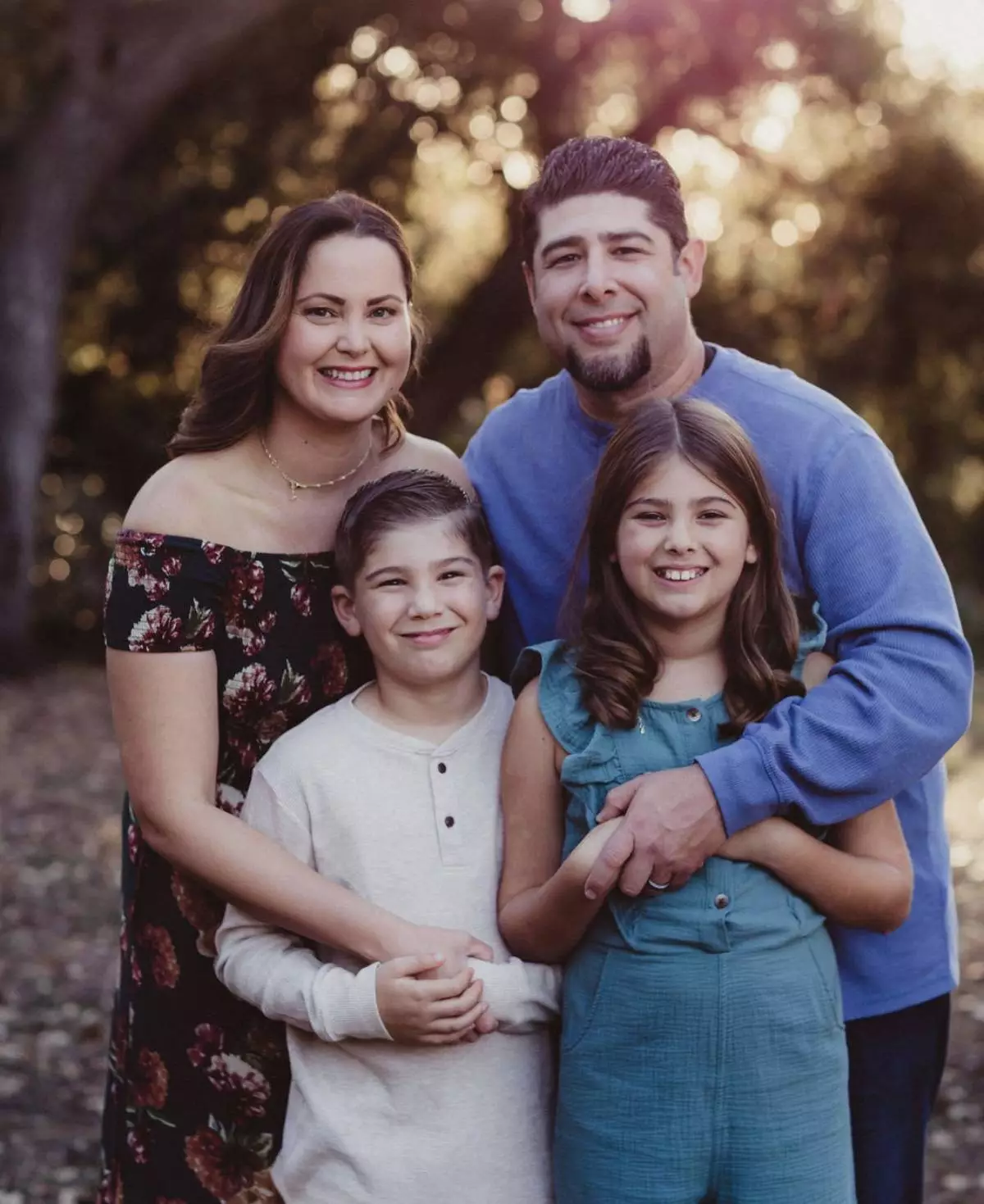
City of Hope patient Alisa Secaida and family
Hope S. Rugo, M.D., City of Hope Division Chief, Breast Medical Oncology, and Women's Cancers Program Director