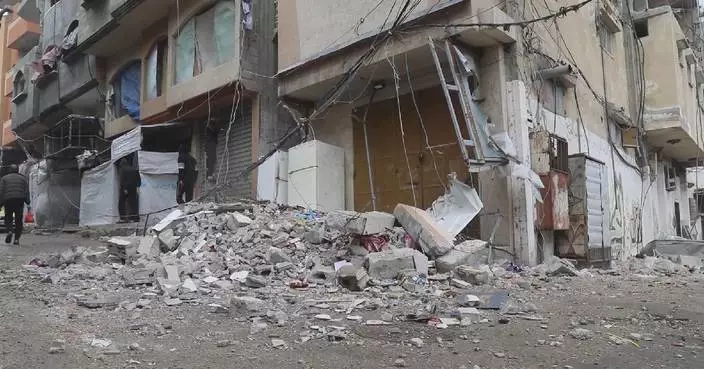
Refugees in the Gaza Strip are anxiously awaiting more truckloads of aid, goods, and basic supplies after the Israeli government on Sunday permitted a limited number of deliveries into the territory, following two and a half months of border closure that blocked humanitarian assistance.
Israeli Prime Minister Benjamin Netanyahu announced Sunday a decision to lift the blockade on Gaza to allow the entry of limited aid, as international criticism mounts over the severe humanitarian crisis in the enclave.
In a statement, Netanyahu's office said Israel will allow the entry of a "basic" quantity of food for the Gaza population to prevent a hunger crisis.
However, only five of the nine aid trucks approved for entry on Monday were able to cross into the Gaza Strip, carrying items such as nutritional supplements for children and other basic necessities.
Aid organizations are awaiting the arrival of flour, which has been critically scarce throughout Gaza. An estimated 100 trucks are expected to enter in the coming hours, but this remains far below the urgent need.
The Palestinians want more aid to enter as the situation is aggravation and their conditions are getting worse and worse by time, with Israel continuing its airstrike bombardments across the Gaza Strip.
"Instead of five trucks, 500 are needed to provide sufficient food for the Gaza Strip. Most people's health has deteriorated, they can barely survive. We want essential supplies like flour, rice and cooking oil to enter, without being tied to political conditions," said Iyad Hamad, a Palestinian refugee.
"Not even 30 trucks are enough, especially since everyone has kids, as for me, I have 10 family members. If they're going to distribute one kilo for each person it won't be enough. For the past three months, our entire family has been surviving on just one kilo of pasta per day, and if we're lucky, we can get somehow a bit of rice once a week. We've become beggars, almost picking up whatever we can find on the ground just to eat. The situation is truly tragic," said Moein Abu Harbid, another Palestinian refugee.
Another Palestinian refugee described the situation as catastrophic, saying food and essentials are so scarce that aid trucks have no meaningful impact on their desperate needs.
"None of us can find anything to eat. The five trucks that arrived won't even make a dent in the shortage, they might as well not come at all. Gaza needs at least 100,000 trucks to meet people's demand for just eating. We're living a catastrophe, there's no food, no water, no work, nothing to make us feel alive. We might as well count as dead," said Ahmed Fathi, a Palestinian refugee.
On Monday, 22 foreign ministers -- including those from France, Germany, Spain, Canada, and Australia -- issued a joint statement urging Israel to immediately allow the full resumption of humanitarian aid to Gaza and to enable the United Nations and humanitarian organizations to operate independently and impartially.
The statement conveyed two clear messages to the Israeli government: first, a call for the complete restoration of aid access to the Gaza Strip; and second, a demand that the UN and humanitarian agencies be permitted to carry out their life-saving work with neutrality, in order to alleviate suffering and uphold human dignity.
UN agencies have reported worsening humanitarian conditions in Gaza since the blockade was imposed on March 2. The Integrated Food Security Phase Classification (IPC) reported earlier in May that about 93 percent of Gaza's population was experiencing food insecurity, ranging from crisis to catastrophe levels.
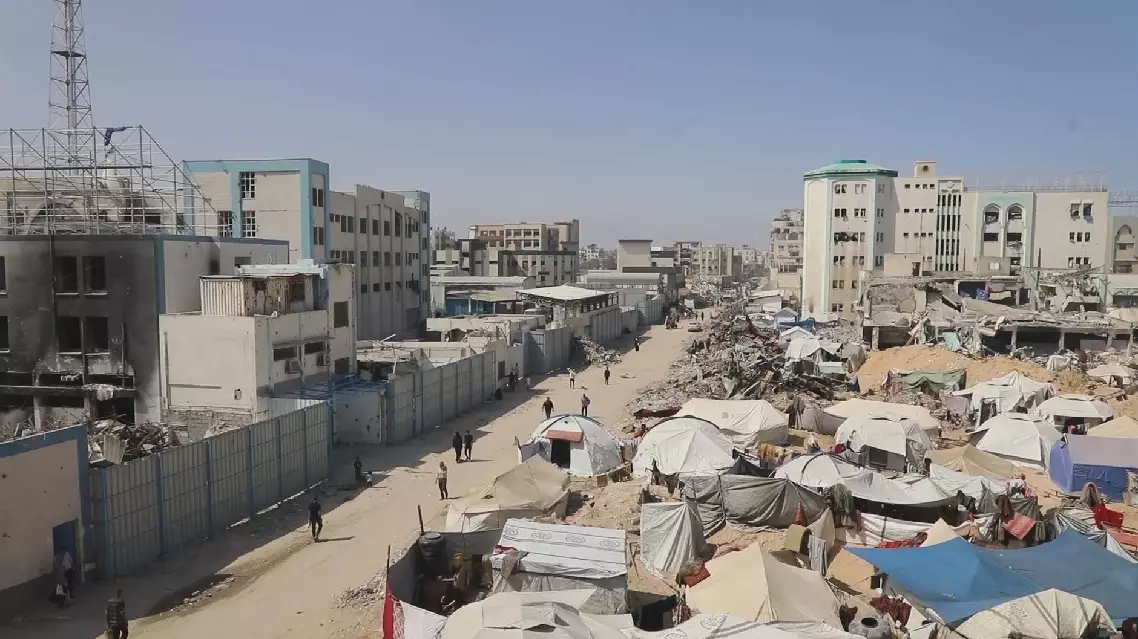
Limited aid trucks allowed into Gaza fall short of urgent humanitarian needs
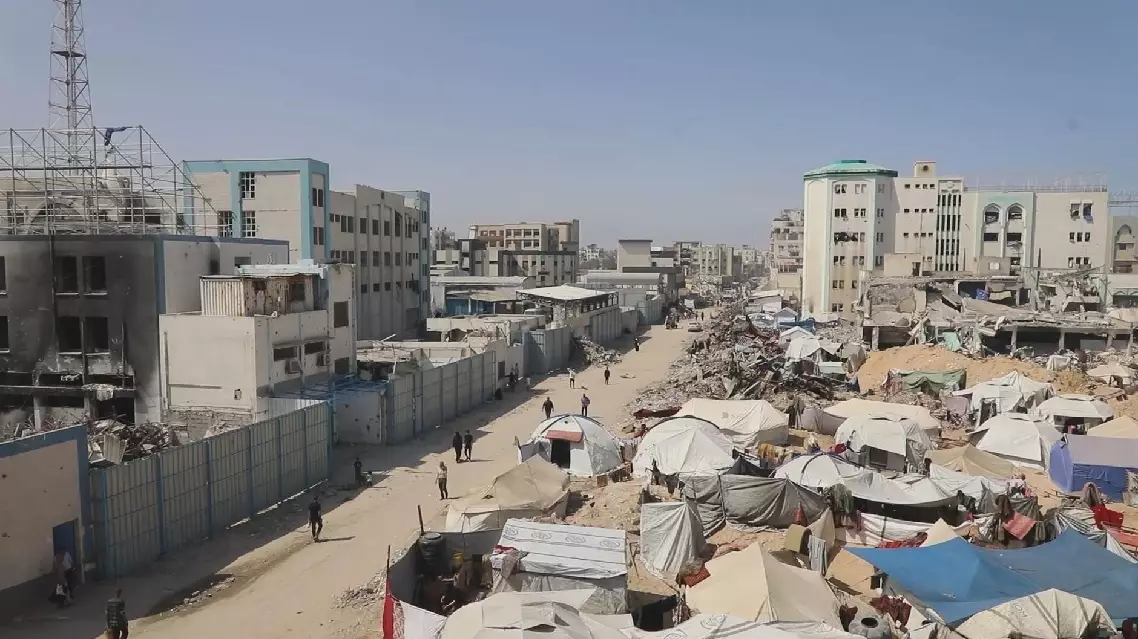
Limited aid trucks allowed into Gaza fall short of urgent humanitarian needs