Skip to Content Facebook Feature Image

UN recognizes 3 new Chinese sites as globally important agricultural heritage systems

China

China

China

UN recognizes 3 new Chinese sites as globally important agricultural heritage systems

2025-05-22 10:48 Last Updated At:16:57

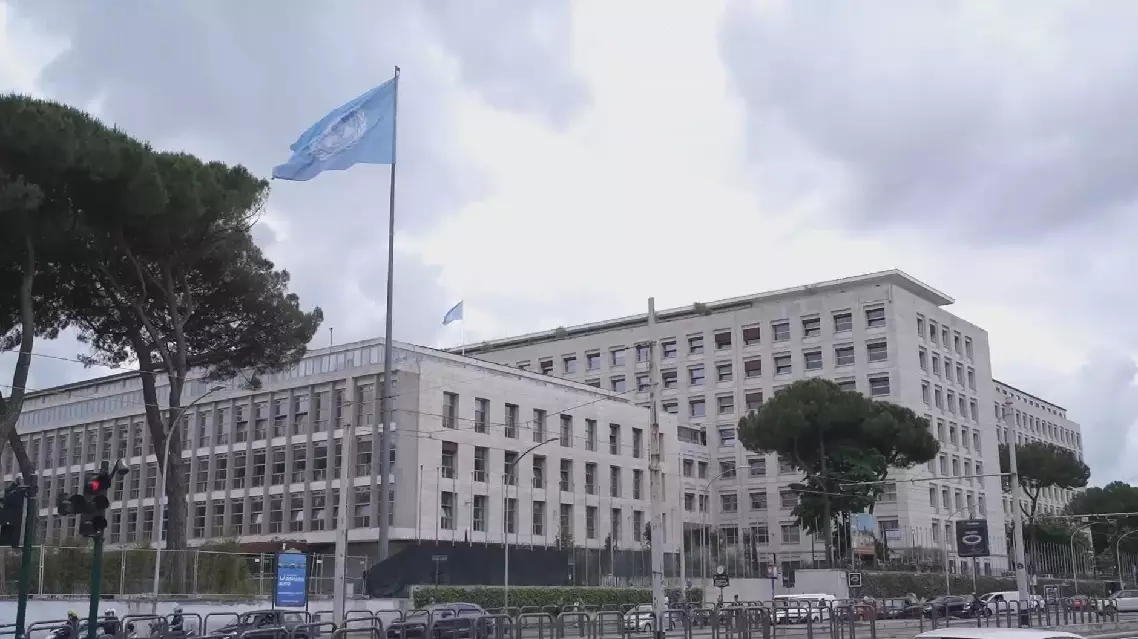
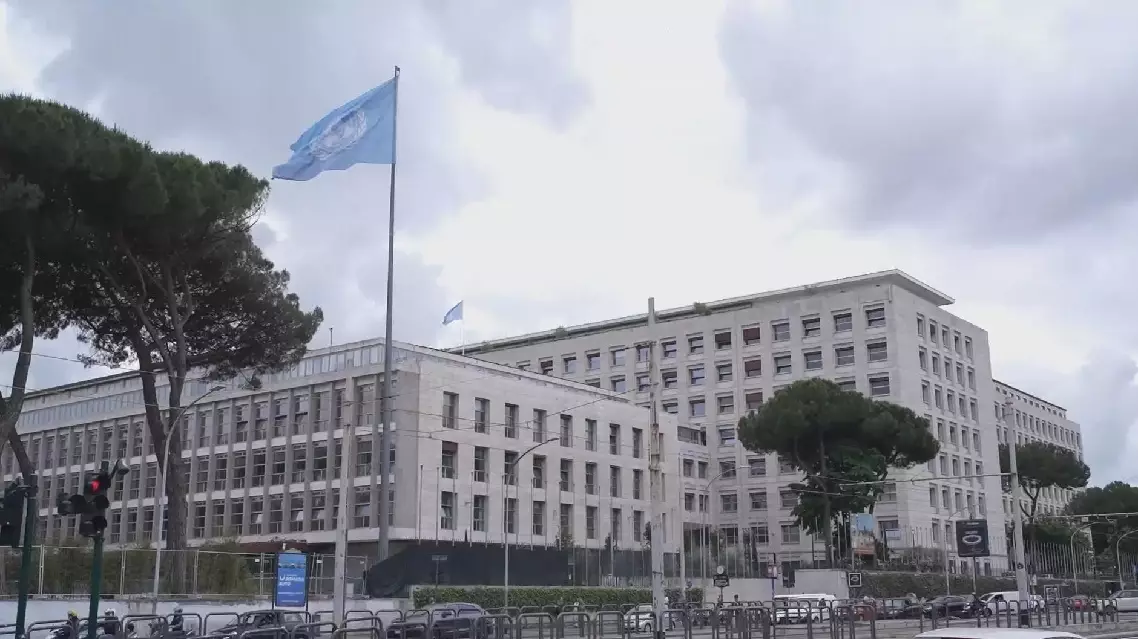
Three new sites in China were officially recognized by the United Nations Food and Agriculture Organization (FAO) as Globally Important Agricultural Heritage Systems (GIAHS) on Wednesday.

The newly-designated sites are the Deqing Freshwater Pearl Mussels Composite Fishery System in east China's Zhejiang Province, the Fuding White Tea Culture System in east China's Fujian Province, and the Gaolan Shichuan Ancient Pear Orchard System in northwest China's Gansu Province.

With the latest inclusions, China continues to lead globally in the number of GIAHS sites, now totaling 25. The 800-year-old Deqing system, which is focused on shelled pearl mussel cultivation, integrates aquaculture, agriculture, and traditional craftsmanship. It produces pearls, rice, silk, and other goods. This circular system offers valuable global insights into sustainable farming, ecological balance, and rural development, the FAO said.

The centuries-old Fuding White Tea Culture System combines ecological knowledge with artisanal practices. It integrates tea gardens with forests and crops, preserving 18 varieties of tea trees. In addition to tea, the system also supports more than 120 other agricultural species, contributing to biodiversity and food system resilience.

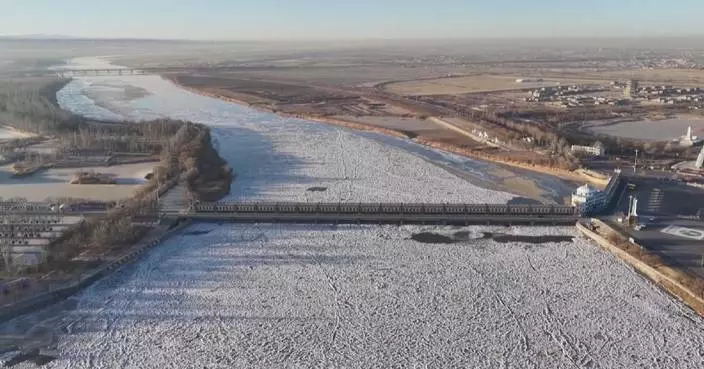
The Gaolan Shichuan Ancient Pear Orchard System, located along the Yellow River in the arid Loess Plateau, has a 600-year history of dryland agroforestry. It showcases techniques adapted to water scarcity and erosion-prone soils, supporting agrobiodiversity, food security, and rural livelihoods. The system produces over 2 million kilograms of pears annually, which are used to produce local specialities such as dried pears.

Clelia Puzzo, a GIAHS senior programme specialist, called these agricultural heritage systems living examples of harmony between people and nature.

"The ones that are selected as GIAHS are very special, because they respond to five selection criteria. First of all, they need to explain the global importance. They need to explain why they contribute to the global challenges and to the global issues. Then they need to explain how they contribute to food security, livelihood security. And then they need to explain that they are sustainable agricultural systems, so they need to contribute to the biodiversity and ecosystem services as well. Traditional knowledge is another criterion that is very important. Then the cultures, value systems, and social organizations. And finally, the landscape and seascape features," Puzzo said.

Other newly-recognized GIAHS sites beyond China include the shade-grown erva mate system in Parana, Brazil; the metepantle ancestral agricultural system in Tlaxcala, Mexico; and the agricultural systems in jable and volcanic sands on Spain's Lanzarote Island.

With the latest additions, the FAO's global agricultural heritage network now comprises 95 systems across 28 countries.
UN recognizes 3 new Chinese sites as globally important agricultural heritage systems
UN recognizes 3 new Chinese sites as globally important agricultural heritage systems
UN recognizes 3 new Chinese sites as globally important agricultural heritage systems

UN recognizes 3 new Chinese sites as globally important agricultural heritage systems

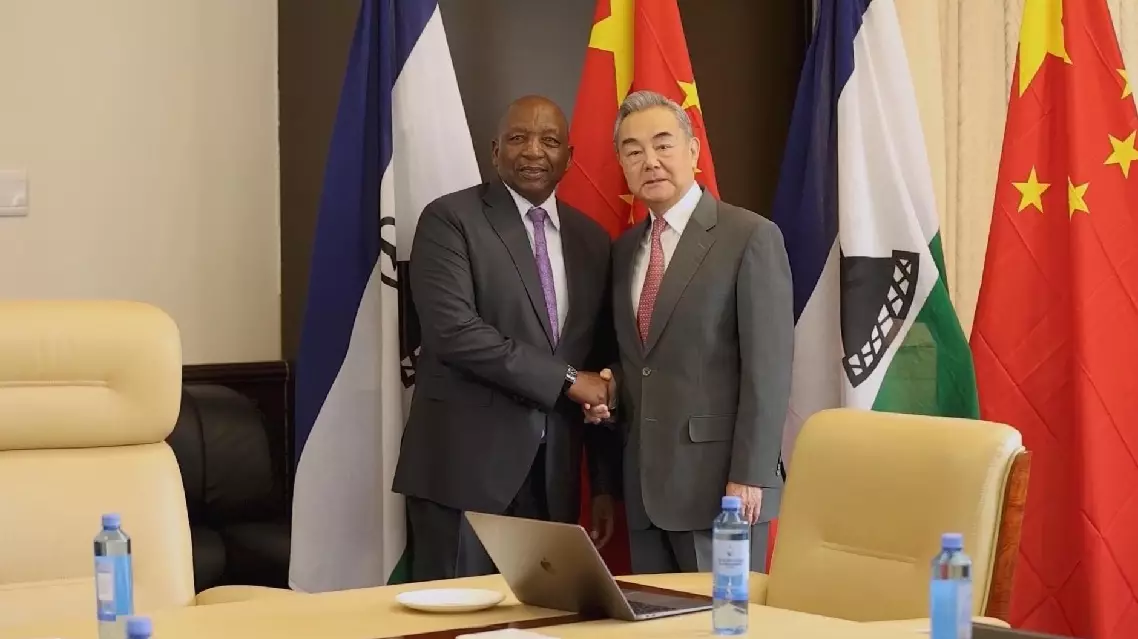
Visiting Chinese Foreign Minister Wang Yi said Saturday China is willing to work with Lesotho to strengthen exchanges on governance experience, enhance coordination in multilateral affairs, and advance the China-Lesotho strategic partnership.

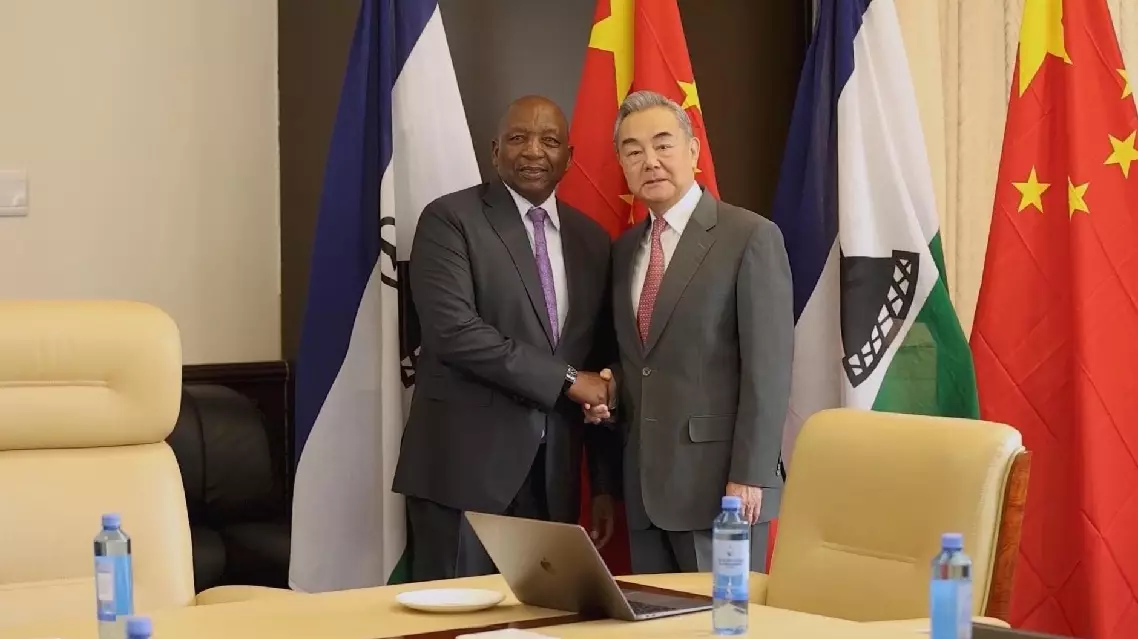
Wang, also a member of the Political Bureau of the Communist Party of China Central Committee, made the remarks when meeting with Lesotho Prime Minister Sam Matekane in the capital of Lesotho.

During the meeting, Wang congratulated Lesotho on the 60th anniversary of its independence this year, and spoke highly of Lesotho government's efforts to prioritize economic development and steer the African country onto a path of sustainable growth. Since the Beijing Summit of the Forum on China-Africa Cooperation (FOCAC) in 2024, the two sides have advanced cooperation under the 10 partnership action plans unveiled at the summit, successfully implementing a number of key projects to effectively promote Lesotho's development and revitalization, Wang said.

China stands ready to work with Lesotho to strengthen exchanges on governance experience, enhance coordination in multilateral affairs, and push for greater development of the China-Lesotho strategic partnership, he added.

Calling on the two sides to firmly support each other, Wang said that China will accelerate the implementation of its zero-tariff policy for African countries, including Lesotho, expand bilateral trade, investment and industrial cooperation, facilitate broader access of Lesotho's specialty products to the Chinese market, and continue to support Lesotho's national development.

China will continue to stand firmly with African countries, uphold justice for the Global South, including Lesotho, oppose unilateralism and acts of bullying, and work together to build a community with a shared future for humanity, Wang said.

On his part, Matekane said during the meeting that Lesotho cherishes its friendship with China and the strategic partnership between the two countries, and expressed gratitude for China's valuable support for the development of African countries, including Lesotho.

Lesotho firmly adheres to the one-China principle and resolutely supports China in safeguarding its core interests, he said, noting that his country stands ready to strengthen strategic mutual trust with China, expand people-to-people exchanges, jointly implement the outcomes of the FOCAC Beijing Summit, and deepen cooperation in areas such as infrastructure, manufacturing and energy.

Matekane stressed that China's zero-tariff policy for African products will inject new impetus into Lesotho's development. He also expressed Lesotho's willingness to strengthen solidarity and cooperation with China on multilateral platforms such as BRICS to jointly address global challenges.

On the same day, Wang also held talks with Lejone Mpotjoana, minister of foreign affairs and international relations of Lesotho.

China, Lesotho to strengthen exchanges, advance cooperation

China, Lesotho to strengthen exchanges, advance cooperation

China, Lesotho to strengthen exchanges, advance cooperation

China, Lesotho to strengthen exchanges, advance cooperation

Recommended Articles