SRINAGAR, India (AP) — There are hardly any tourists in the scenic Himalayan region of Kashmir. Most of the hotels and ornate pinewood houseboats are empty. Resorts in the snowclad mountains have fallen silent. Hundreds of cabs are parked and idle.
It’s the fallout of last month’s gun massacre that left 26 people, mostly Hindu tourists, dead in Indian-controlled Kashmir followed by tit-for-tat military strikes by India and Pakistan, bringing the nuclear-armed rivals to the brink of their third war over the region.
Click to Gallery
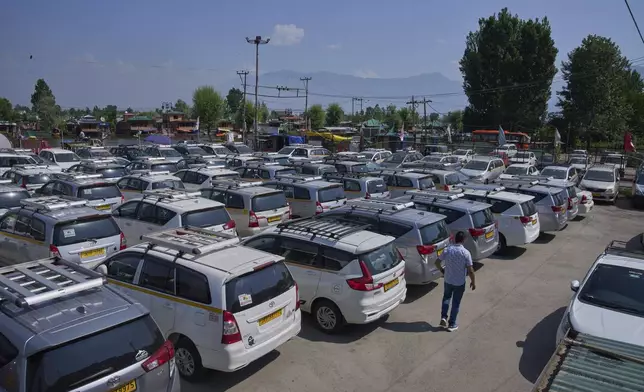
A Kashmiri taxi driver walks past hundreds of tourist cabs parked idle in Srinagar, Indian controlled Kashmir, India, Tuesday, May 20, 2025. (AP Photo/Dar Yasin)
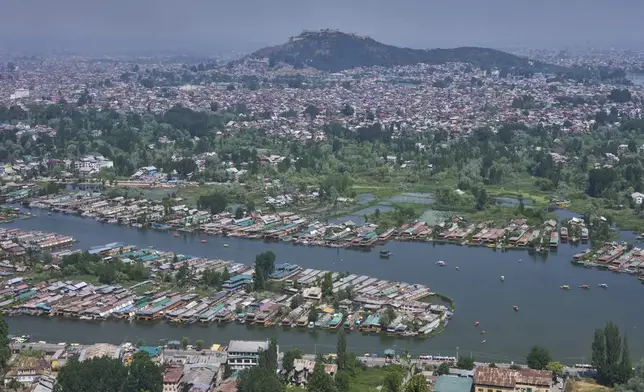
Rows of empty houseboats in Dal lake, one of the major tourist destination seen from a mountain in Srinagar, Indian controlled Kashmir, India, Tuesday, May 20, 2025. (AP Photo/Dar Yasin)
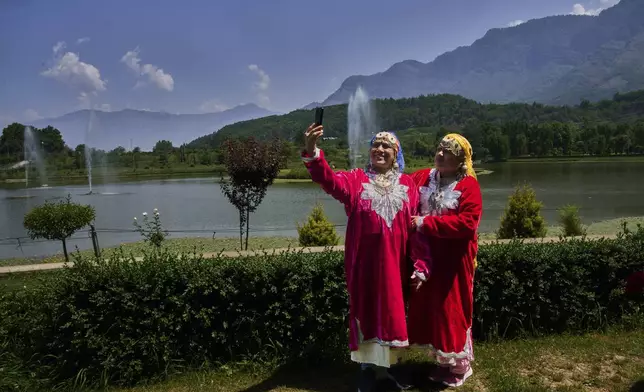
Surekha Dube, left, and Sunita Kamble, tourists from the Indian state of Maharashtra, take a selfie inside a deserted garden in Srinagar, Indian controlled Kashmir, India, Tuesday, May 20, 2025. (AP Photo/Dar Yasin)
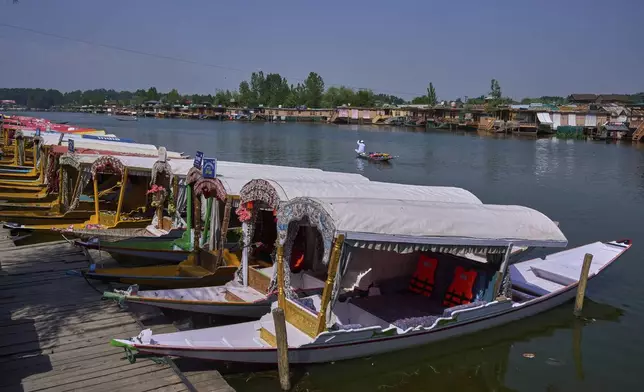
A Kashmiri flower vendor rows past anchored Shikaras, or traditional wooden boats, on Dal Lake in Srinagar, Indian controlled Kashmir, India, Tuesday, May 20, 2025. (AP Photo/Dar Yasin)
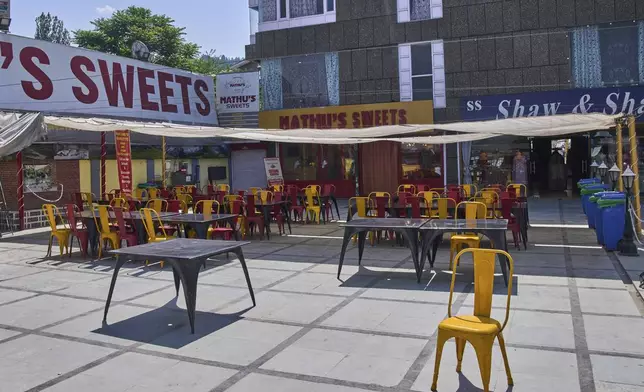
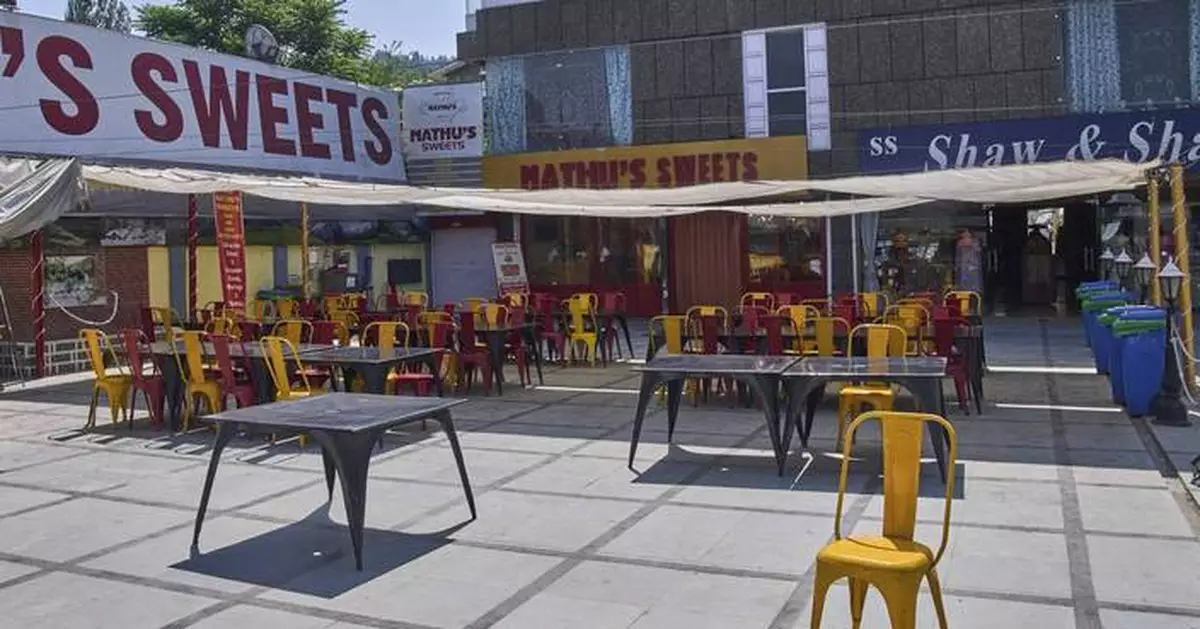
Tables and chairs outside a restaurant wearing a deserted look near Dal Lake in Srinagar, Indian controlled Kashmir, India, Tuesday, May 20, 2025. (AP Photo/Dar Yasin)
“There might be some tourist arrivals, but it counts almost negligible. It is almost a zero footfall right now,” said Yaseen Tuman, who operates multiple houseboats in the region’s main city of Srinagar. “There is a haunting silence now.”
Tens of thousands of panicked tourists left Kashmir within days after the rare killings of tourists on April 22 at a picture-perfect meadow in southern resort town of Pahalgam. Following the attack, authorities temporarily closed dozens of tourist resorts in the region, adding to fear and causing occupancy rates to plummet.
Graphic images, repeatedly circulated through TV channels and social media, deepened panic and anger. India blamed Pakistan for supporting the attackers, a charge Islamabad denied.
Those who had stayed put fled soon after tensions between India and Pakistan spiked. As the two countries fired missiles and drones at each other, the region witnessed mass cancellations of tourist bookings. New Delhi and Islamabad reached a U.S.-mediated ceasefire on May 10 but hardly any new bookings have come in, tour operators said.
Sheikh Bashir Ahmed, vice president of the Kashmir Hotel and Restaurant Association, said at least 12,000 rooms in the region’s hundreds of hotels and guesthouses were previously booked until June. Almost all bookings have been cancelled, and tens of thousands of people associated with hotels are without jobs, he said.
“It’s a huge loss.” Ahmed said.
The decline has had a ripple effect on the local economy. Handicrafts, food stalls and taxi operators have lost most of their business.
Idyllic destinations, like the resort towns of Gulmarg and Pahalgam, once a magnet for travelers, are eerily silent. Lines of colorful hand-carved boats, known as shikaras, lie deserted, mostly anchored still on Srinagar’s normally bustling Dal Lake. Tens of thousands of daily wage workers have hardly any work.
“There used to be long lines of tourists waiting for boat rides. There are none now,” said boatman Fayaz Ahmed.
Taxi driver Mohammed Irfan would take tourists for long drives to hill stations and show them grand Mughal-era gardens. “Even a half day of break was a luxury, and we would pray for it. Now, my taxi lies standstill for almost two weeks,” he said.
In recent years, the tourism sector grew substantially, making up about 7% of the region’s economy, according to official figures. Omar Abdullah, Kashmir’s top elected official, said before the attack on tourists that the government was aiming to increase tourism's share of the economy to at least 15% in the next four to five years.
Indian-controlled Kashmir was a top destination for visitors until the armed rebellion against Indian rule began in 1989. Warfare laid waste to the stunningly beautiful region, which is partly controlled by Pakistan and claimed by both countries in its entirety.
As the conflict ground on, the tourism sector slowly revived but occasional military skirmishes between India and Pakistan kept visitors at bay.
But India vigorously pushed tourism after Prime Minister Narendra Modi’s government scrapped the disputed region’s semi-autonomy in 2019. Tensions have simmered, but the region has also drawn millions of visitors amid a strange calm enforced by an intensified security crackdown.
According to official data, close to 3 million tourists visited the region in 2024, a rise from 2.71 million visitors in 2023 and 2.67 million in 2022. The massive influx prompted many locals to invest in the sector, setting up family-run guesthouses, luxury hotels, and transport companies in a region with few alternatives.
Tourists remained largely unfazed even as Modi’s administration has governed Kashmir with an iron fist in recent years, claiming militancy in the region was in check and a tourism influx was a sign of normalcy returning.
The massacre shattered those claims. Experts say that the Modi government’s optimism was largely misplaced and that the rising tourism in the region of which it boasted was a fragile barometer of normalcy. Last year, Abdullah, the region’s chief minister, cautioned against such optimism.
Tuman, who is also a sixth-generation tour operator, said he was not too optimistic about an immediate revival as bookings for the summer were almost all canceled.
“If all goes well, it will take at least six months for tourism to revive,” he said.
Ahmed, the hotels association official, said India and Pakistan need to resolve the dispute for the region’s prosperity. “Tourism needs peace. If (Kashmir) problem is not solved … maybe after two months, it will be again same thing.”
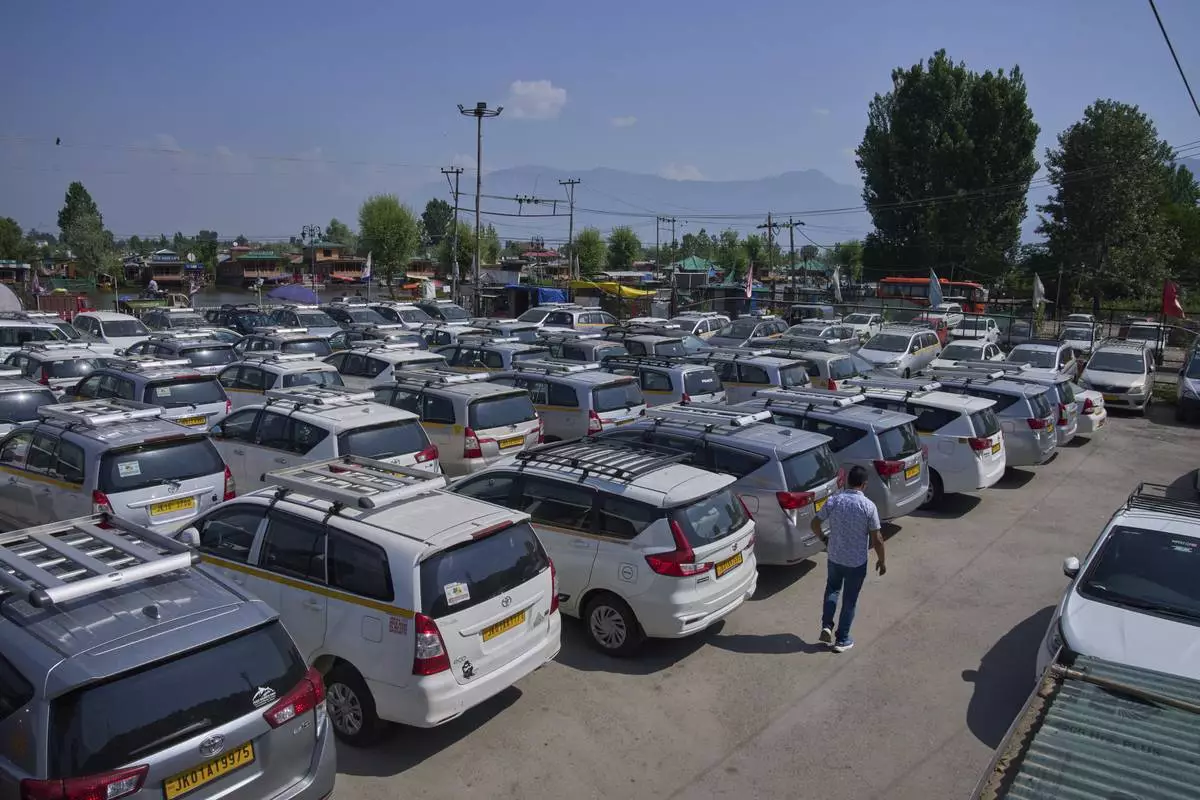
A Kashmiri taxi driver walks past hundreds of tourist cabs parked idle in Srinagar, Indian controlled Kashmir, India, Tuesday, May 20, 2025. (AP Photo/Dar Yasin)
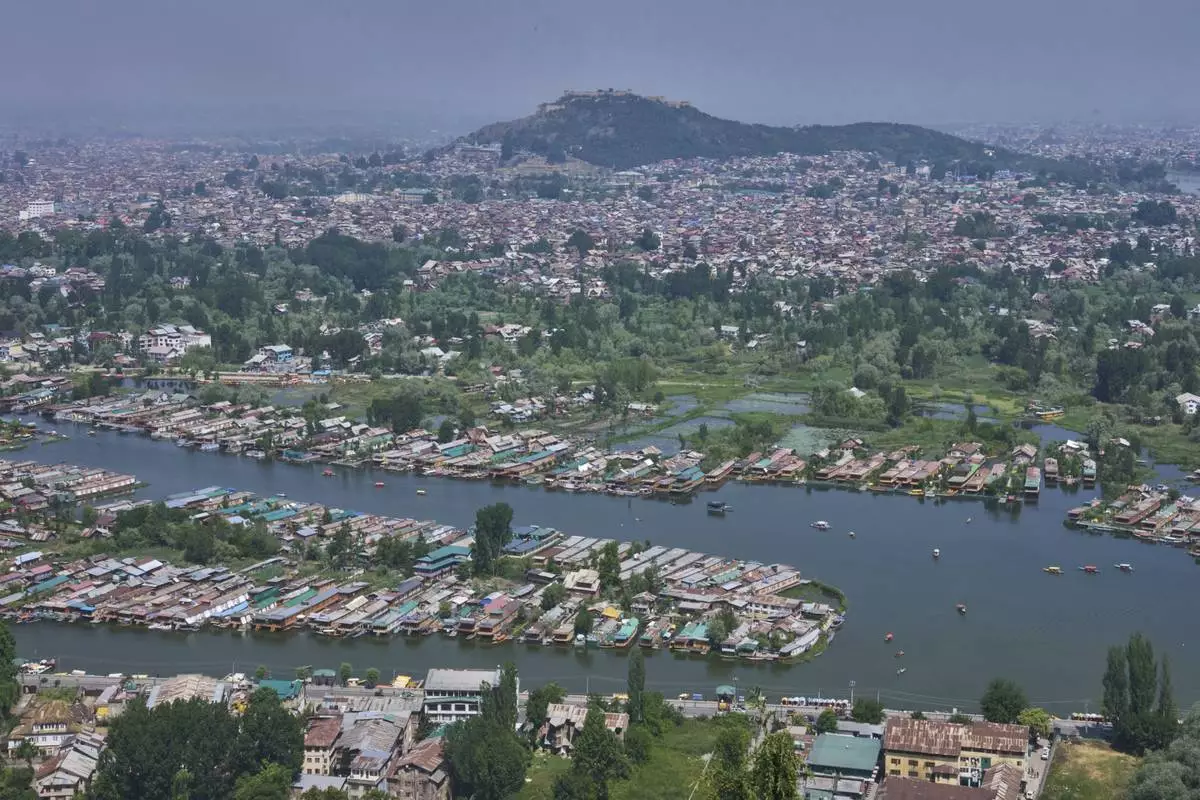
Rows of empty houseboats in Dal lake, one of the major tourist destination seen from a mountain in Srinagar, Indian controlled Kashmir, India, Tuesday, May 20, 2025. (AP Photo/Dar Yasin)
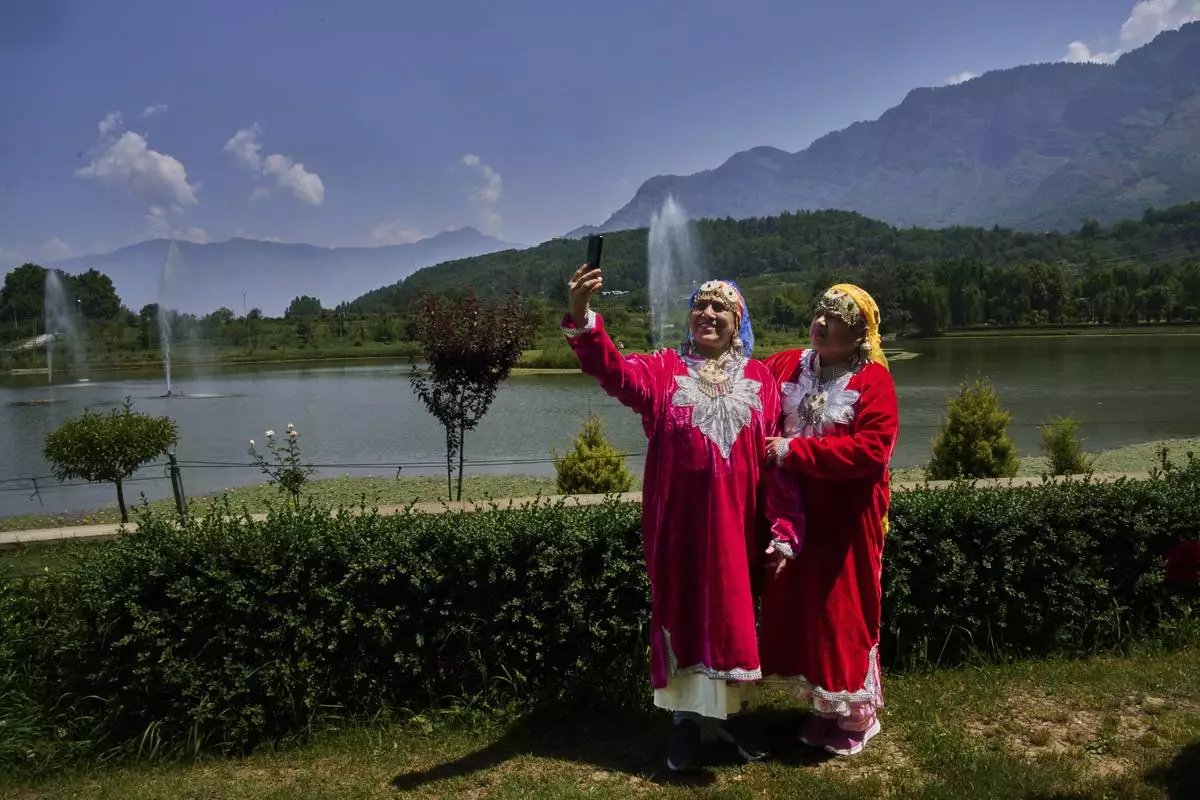
Surekha Dube, left, and Sunita Kamble, tourists from the Indian state of Maharashtra, take a selfie inside a deserted garden in Srinagar, Indian controlled Kashmir, India, Tuesday, May 20, 2025. (AP Photo/Dar Yasin)
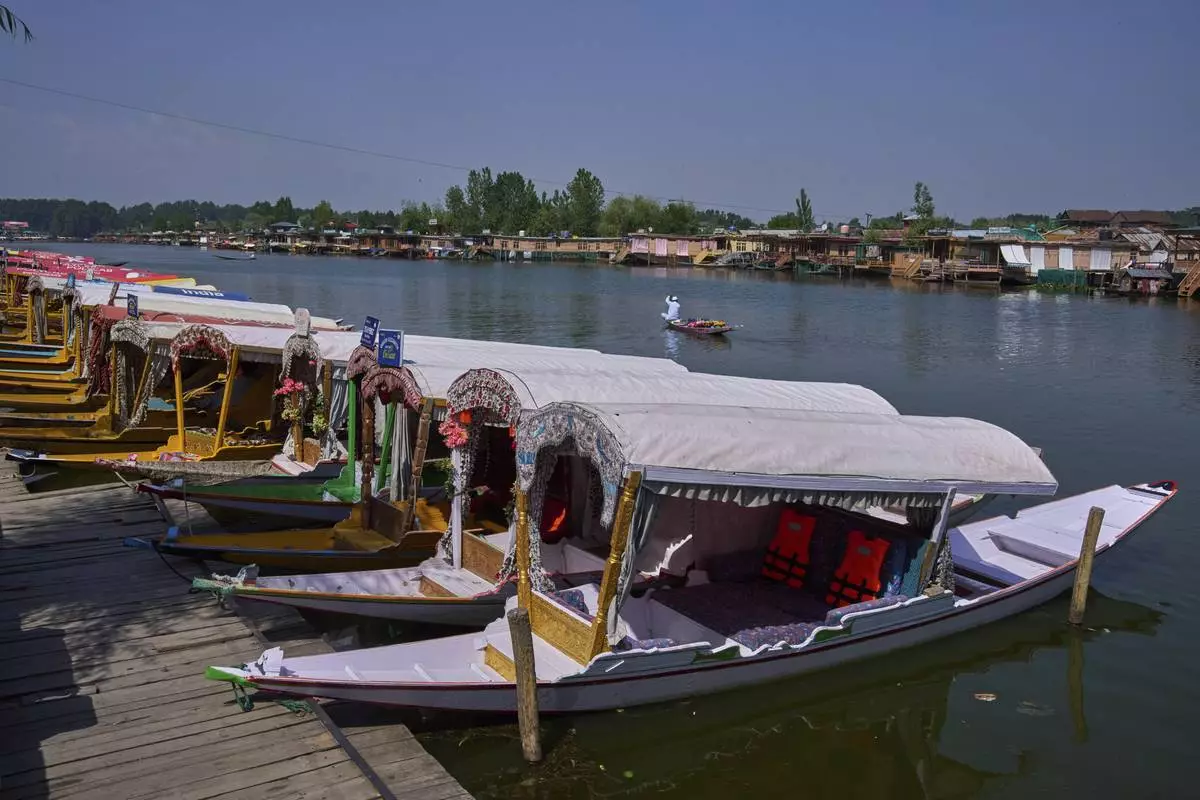
A Kashmiri flower vendor rows past anchored Shikaras, or traditional wooden boats, on Dal Lake in Srinagar, Indian controlled Kashmir, India, Tuesday, May 20, 2025. (AP Photo/Dar Yasin)
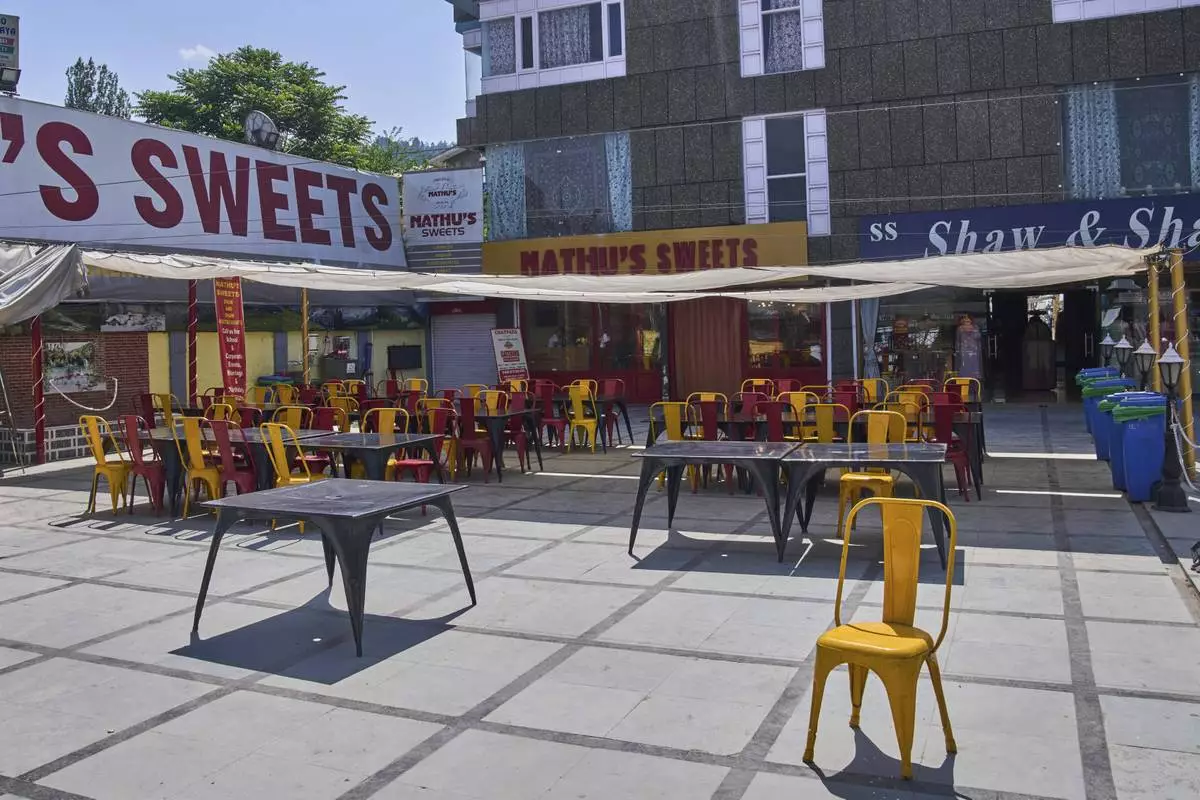
Tables and chairs outside a restaurant wearing a deserted look near Dal Lake in Srinagar, Indian controlled Kashmir, India, Tuesday, May 20, 2025. (AP Photo/Dar Yasin)