WELLINGTON, New Zealand (AP) — Under the scrutiny of a black-robed official and before a hushed audience, a decorative cookie tin rattles like a bingo drum. Inside: the future of New Zealand ’s laws.
The ceremonial lottery at Parliament, where bills are drawn randomly from what’s known as “the biscuit tin” in local parlance, is a way to ensure every New Zealand legislator has the chance to advance a proposed law, no matter how unpopular their bid. When a rare empty slot opens on Parliament’s agenda, the battered metal cookie tin is produced from a glass case and its solemn and silly rite is hastily arranged.
Click to Gallery
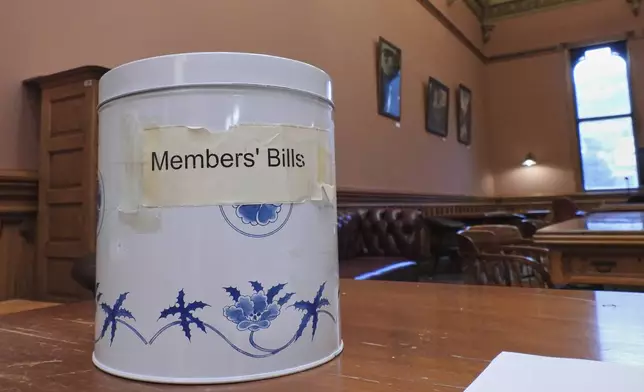
The decorative cookie tin, known in New Zealand as the biscuit tin, which was purchased from a department store in the early 1990s to draw lawmakers' bills from and remains in use, at Parliament in Wellington, New Zealand, Thursday, May 22, 2025. (AP Photo/Charlotte Graham-McLay)
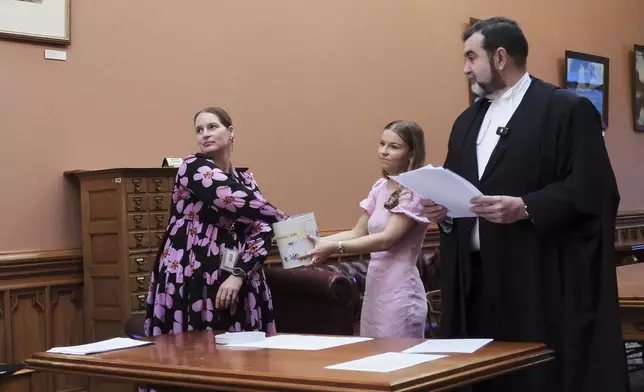
Parliamentary Service staffer Renee Beeson, left, draws a bingo token from the biscuit tin, observed by Chloe French and Clerk of the New Zealand House of Representatives David Wilson at Parliament in Wellington, New Zealand, Thursday, May 22, 2025. (AP Photo/Charlotte Graham-McLay)
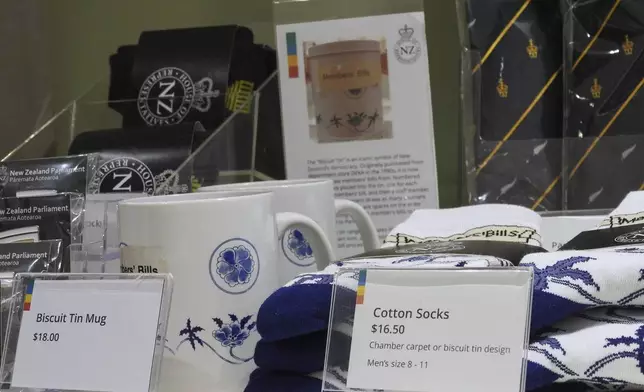
Socks are mugs printed with the biscuit tin pattern and label are seen for sale in the New Zealand Parliament gift shop in Wellington, New Zealand, Thursday, May 22, 2025. (AP Photo/Charlotte Graham-McLay)
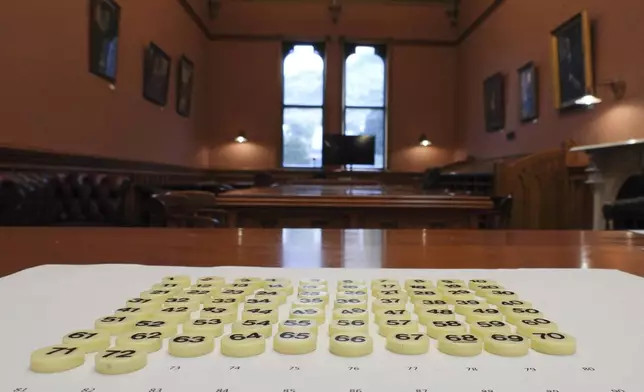
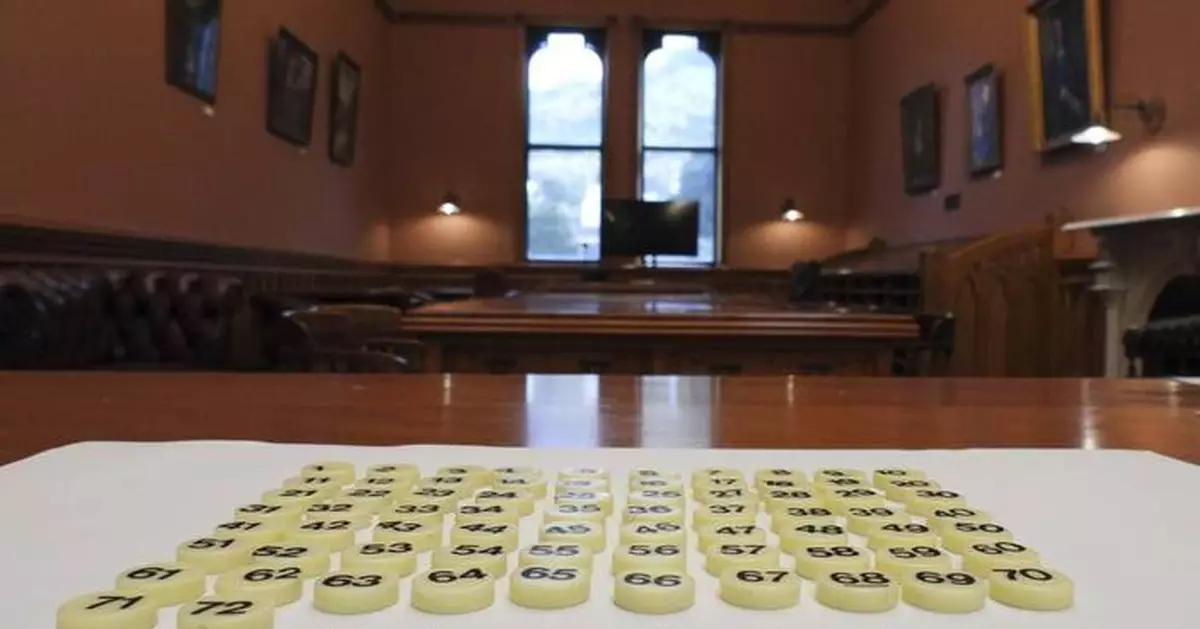
Bingo tokens, each representing a lawmaker's bill to be entered into the ballot, are laid out before the draw at Parliament in Wellington, New Zealand, Thursday, May 22, 2025. (AP Photo/Charlotte Graham-McLay)
Inside the faded vessel with a peeling label might be an ambitious social initiative considered too risky for partisan support, a sensible but dull measure to tweak a statute, or a lawmaker’s controversial hobby horse that their party wishes they’d stop talking about. The tin doesn’t judge.
The quaintly patterned container, bought from a Wellington department store by a Parliament staffer in the early 1990s, might seem like a gag but the ritual selection of bills from it is a serious affair. Where decisions governing which bills are debated by legislators in Parliament are often determined by backroom brokering and subject to political gatekeeping, the cookie tin strikes an egalitarian note.
“We ate the biscuits, got some bingo tokens numbered one through to 90, I think, and that is the way that the random numbers are drawn now, rather than any kind of computer system,” said David Wilson, the Clerk of New Zealand’s House of Representatives. “Which has become quite an iconic part of our democracy.”
Most laws that pass through New Zealand’s Parliament need never enter the ballot. They’re part of the government’s legislative agenda, advanced by senior legislators from ruling parties who already know their proposals will succeed by vote.
But on one day each fortnight that Parliament sits, bills drawn from the cookie tin are debated. On Thursday, with spaces for three new bills suddenly available, Wilson presided over a ballot in Parliament’s library.
A small crowd of staffers and lawmakers watched as the clerk’s colleagues tipped numbered bingo tokens representing each bill into the cookie tin with a flourish, shook the vessel, and drew. Spectators could find out by email which bills had won the lottery, Wilson said.
“I just think they quite like the performance of it,” he said.
All lawmakers who aren’t ministers are permitted to enter one bill at a time into the ballot. It’s drawn by someone who isn’t affiliated to a political party including school students or visitors celebrating birthdays.
So-called members’ bills – and ballot or negotiation systems to select which will advance – are a feature of Westminster parliamentary democracies worldwide. But Wilson did not know of another country with such an unusual ceremony.
The ritual began pragmatically, a bid to end a practice that wearied officials before. Once, lawmakers would race to the clerk’s office to submit bills when a spot on the agenda became free, sometimes queuing overnight.
It prompted the purchase of the cookie tin and a tradition that blends dry procedural necessity and New Zealand’s cheerful cultural irreverence. Visitors to Parliament can buy mugs and socks printed with the tin’s distinctive blue pattern at the gift shop.
The lottery has produced some of New Zealand’s most notable modern laws. Bills legalizing marriage equality and voluntary euthanasia were once drawn from the cookie tin and eventually enacted after their sponsors launched sweeping public campaigns to sway the opinions of their peers.
That was the hope of two lawmakers whose measures were selected from the ballot Thursday and who said they would campaign to rally cross-party support.
Arena Williams will seek a law change forcing greater transparency about the fees associated with international money transfers, which she said would especially benefit working people who send money to their families abroad. It was the second of her measures selected from the tin, improbably good luck for a lawmaker of fewer than five years.
Meanwhile, a “delighted” Tim van de Molen, whose law would prohibit the improper use or disposal of military decorations, was celebrating his first cookie tin victory after seven and a half years in Parliament.
“It’s a quirky part of our system that I think is typically Kiwi,” he said. “It’s a pretty basic sort of system, but she’ll be right. It does the job.”
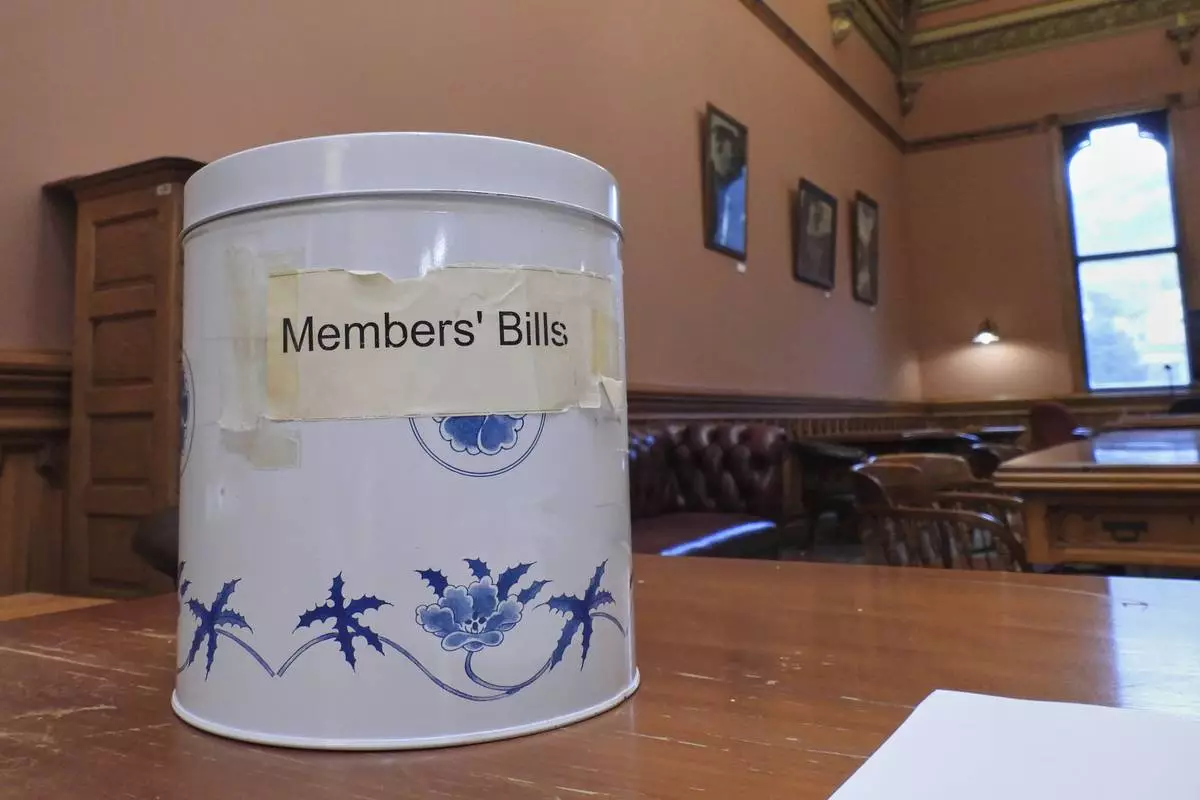
The decorative cookie tin, known in New Zealand as the biscuit tin, which was purchased from a department store in the early 1990s to draw lawmakers' bills from and remains in use, at Parliament in Wellington, New Zealand, Thursday, May 22, 2025. (AP Photo/Charlotte Graham-McLay)
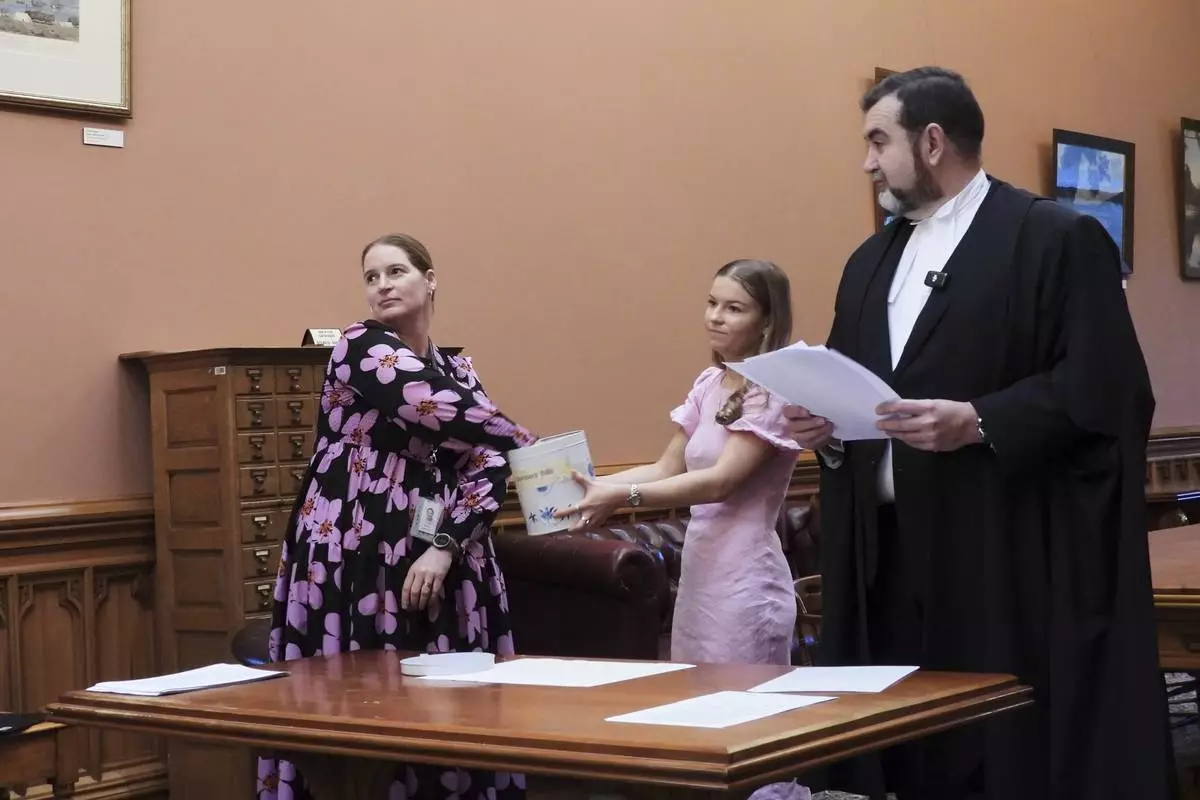
Parliamentary Service staffer Renee Beeson, left, draws a bingo token from the biscuit tin, observed by Chloe French and Clerk of the New Zealand House of Representatives David Wilson at Parliament in Wellington, New Zealand, Thursday, May 22, 2025. (AP Photo/Charlotte Graham-McLay)
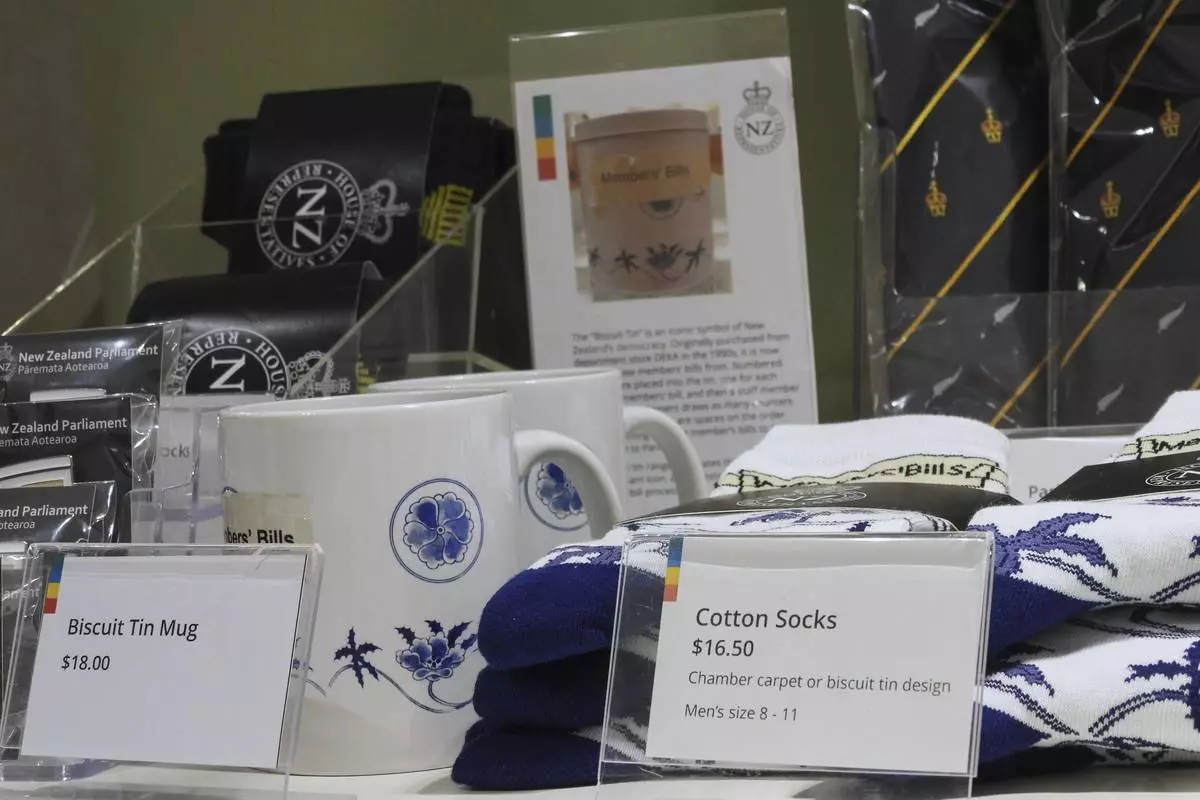
Socks are mugs printed with the biscuit tin pattern and label are seen for sale in the New Zealand Parliament gift shop in Wellington, New Zealand, Thursday, May 22, 2025. (AP Photo/Charlotte Graham-McLay)
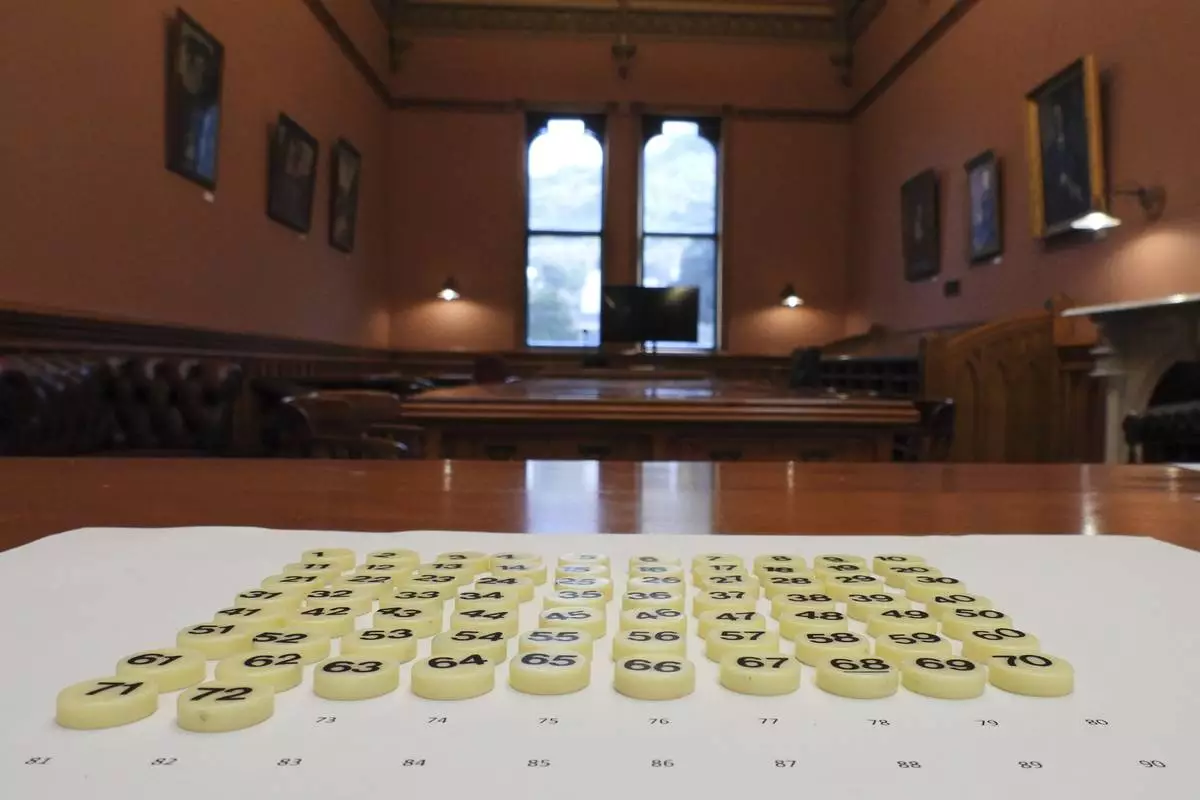
Bingo tokens, each representing a lawmaker's bill to be entered into the ballot, are laid out before the draw at Parliament in Wellington, New Zealand, Thursday, May 22, 2025. (AP Photo/Charlotte Graham-McLay)