Skip to Content Facebook Feature Image

This redundant aviation safety net helps keep planes safe when controllers lose contact

News

This redundant aviation safety net helps keep planes safe when controllers lose contact
News

News

This redundant aviation safety net helps keep planes safe when controllers lose contact

2025-05-23 12:12 Last Updated At:13:01

It was alarming news when air traffic controllers directing planes coming and going around one of the nation's busiest airports repeatedly lost their radar and radio communications, but pilots, independent air safety experts and the Federal Aviation Administration say other redundant systems kept planes from colliding.

“I think the risk of a collision or an incident was increased, but not significantly because of the redundancy in the aviation system,” said Jeff Guzzetti, a former accident investigator for the FAA and the National Transportation Safety Board.

More Images
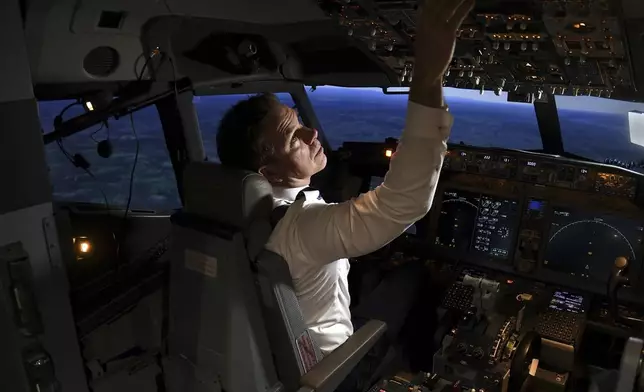
Capt. Miles Morgan, managing director of flight training for United Airlines, flies a simulator at the company's training campus in Denver, Friday, May 16, 2025. (AP Photo/Thomas Peipert)
Capt. Miles Morgan, managing director of flight training for United Airlines, flies a simulator at the company's training campus in Denver, Friday, May 16, 2025. (AP Photo/Thomas Peipert)

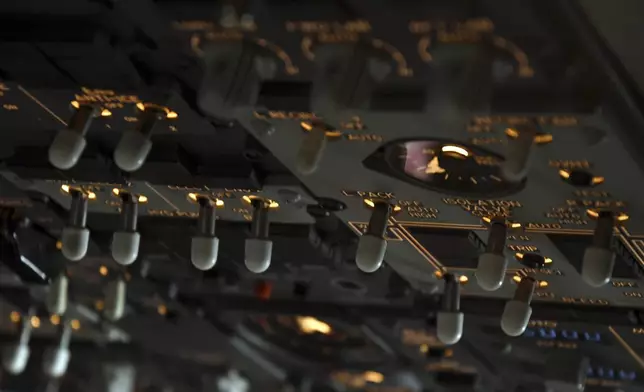
Switches in the cockpit of a United Airlines flight simulator are lit up at the company's training campus in Denver, Friday, May 16, 2025. (AP Photo/Thomas Peipert)

Switches in the cockpit of a United Airlines flight simulator are lit up at the company's training campus in Denver, Friday, May 16, 2025. (AP Photo/Thomas Peipert)

Capt. Toby Lopez, manager of fleet training for United Airlines, exits a simulator at the company's training campus in Denver, Friday, May 16, 2025. (AP Photo/Thomas Peipert)

Capt. Toby Lopez, manager of fleet training for United Airlines, exits a simulator at the company's training campus in Denver, Friday, May 16, 2025. (AP Photo/Thomas Peipert)

Capt. Miles Morgan, managing director of flight training for United Airlines, exits a simulator at the company's training campus in Denver, Friday, May 16, 2025. (AP Photo/Thomas Peipert)

Capt. Miles Morgan, managing director of flight training for United Airlines, exits a simulator at the company's training campus in Denver, Friday, May 16, 2025. (AP Photo/Thomas Peipert)

Crashes like January's deadly collision between a passenger jet and an Army helicopter usually have different causes — a combination of many things that go wrong, he says.

Here's a look at what happened in Newark — and how key pieces of the safety net protected planeloads of people.

The radar and communications systems that a terminal control team in Philadelphia relies on to direct planes in and out of Newark International Airport simultaneously failed twice in the past month for brief periods. The main line that carries the radar signal from another FAA facility in New York failed, and the backup line didn’t work immediately. The system relies in part on aging copper wires and even when there are fiber optic lines, the signal has to be slowed down when it reaches the facility because the FAA computers are so old they can't handle all the data at full speed.

As a result, the controllers were suddenly unable to see or communicate with planes coming from or going to Newark for as long as 90 seconds on April 28 and May 9. Their radar screens showing each flights in motion suddenly went black. Their radio connections went silent.

The main line failed a third time May 11, but the backup system worked and the radar stayed online. The FAA said a fourth outage Monday knocked out radio communications for two seconds, but the radar stayed online.

After the initial outage, the already shorthanded control center in Philadelphia lost five to seven controllers to trauma leave. Newark's terminal control team could no longer manage a full schedule of handoffs with the airport's control tower, leading to hundreds of flight cancellations and delays that rippled across the nation's airlines. The FAA then imposed safety limits, allowing no more than 28 arrivals and 28 departures every hour. Before, 38 or 39 flights typically took off and landed hourly.

When air traffic controllers lose the ability to see or speak to airborne planes, they can try text messaging the pilots via data link systems or try high-powered portable radios. An emergency radio frequency might also be an alternative if main communications are down. Tower controllers have high-powered light guns to send a green or red signal to pilots to let them know if they are clear to land even if they can't talk to them over the radio.

And the entire air traffic control system is built on an overlapping network of radar sites. So if a terminal control team like the one in Philadelphia loses its communications, a controller in a radar center that normally directs planes at higher altitudes might step in. If some other controller in the area hears a pilot broadcasting on an emergency frequency, they too can relay a message.

During these Philadelphia outages, voice communications came back online first while the radar took another minute to reboot, and controllers were able to hand off planes without having to resort to some of those other options.

In a May 9 recording captured by www.liveATC.net, a controller can be heard saying “FedEx 1989. I'm going to hand you off here. Our scopes just went black again. If you care about this, contact your airline and try to get some pressure for them to fix this stuff.” The pilot acknowledged that and wished the controllers “good luck guys” before switching frequencies.

Acting FAA Administrator Chris Rocheleau has tried to reassure the public that all these backups and limits on the number of flights keep flying safe, despite these problems that have exposed how fragile and outdated some air traffic control systems have become.

“When disruptions occur at any airport because of equipment issues or staffing, the FAA will always ensure safety by slowing down airport arrivals and departures and reducing congestion,” Rocheleau posted on X. “We keep the flying public safe because there are redundancies built throughout the entire system used by pilots, technicians and air traffic controllers.”

Every pilot is trained on what to do if they can't talk to the air traffic controllers, and modern passenger jets have their own backup systems. Airline pilots all regularly get refresher training emphasizing safety.

Capt. Miles Morgan oversees all training for 17,000 United Airlines pilots at a facility in Denver filled with simulators and classrooms. He said losing communications is rare, but it's something pilots prepare for, as most training focuses on what to do if something goes wrong.

“I’ve been flying for 30 years. I’ve got almost 18,000 hours in United airplanes -- jets, and I’ve lost communication one time,” Morgan said. “It really ended up not being that big of a deal. I just went to the emergency frequency, got a different channel, and contacted a different facility to get back into communication.”

In addition to multiple communications systems, planes are equipped with collision avoidance technology that shows pilots where all the other planes are moving around them. These systems alert pilots to an approaching aircraft's trajectory and can recommend evasive action to prevent a collision if planes get too close, Morgan said.

Allied Pilots Association union spokesman Capt. Dennis Tajer said that when pilots lose contact with controllers, their first action is to continue on their last-directed path. If the outage continues, they'll broadcast their position to every other plane in the area — much like pilots do at small airports that don’t have a control tower — as they follow their flight plans.

“It’s not to downplay the seriousness of communication failure or radar outages, but it’s to recognize that we have procedures, we trained to those procedures, and we have additional equipment that can only enhance the safety margin while we deal with that scenario,” Tajer said.
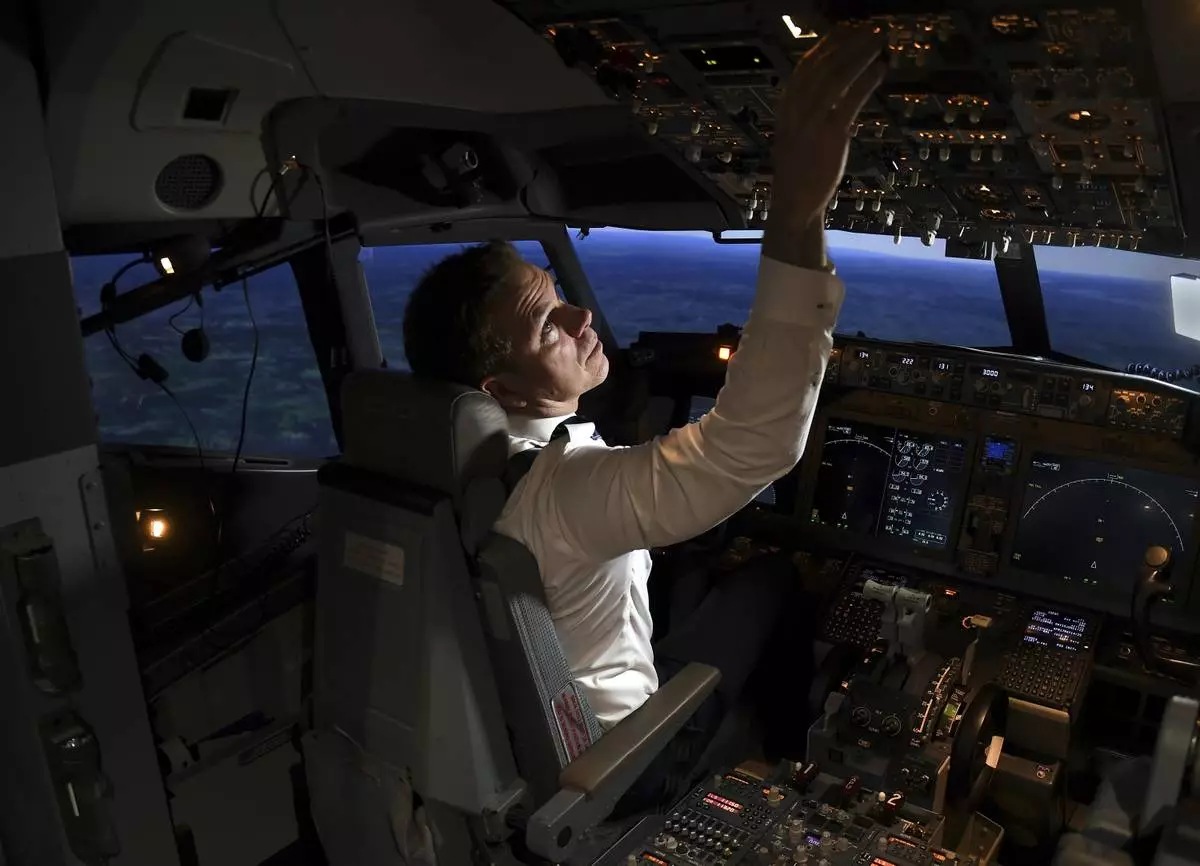
Capt. Miles Morgan, managing director of flight training for United Airlines, flies a simulator at the company's training campus in Denver, Friday, May 16, 2025. (AP Photo/Thomas Peipert)
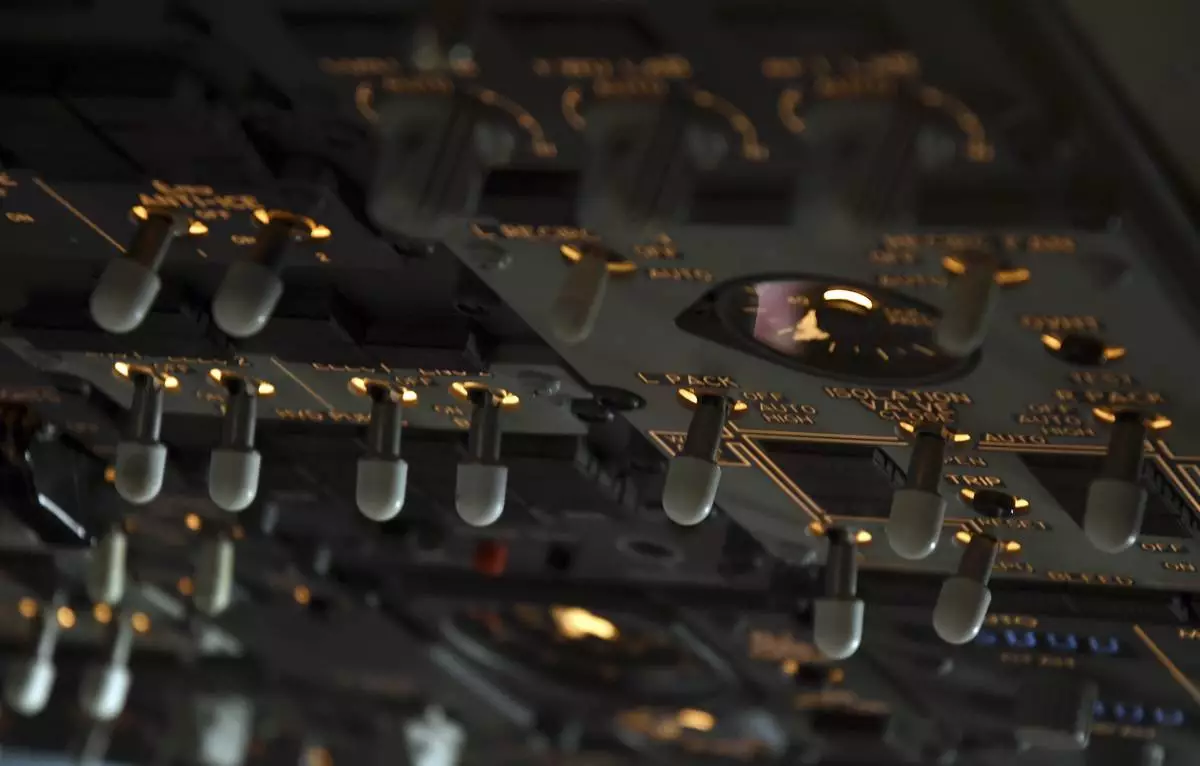
Capt. Miles Morgan, managing director of flight training for United Airlines, flies a simulator at the company's training campus in Denver, Friday, May 16, 2025. (AP Photo/Thomas Peipert)

Switches in the cockpit of a United Airlines flight simulator are lit up at the company's training campus in Denver, Friday, May 16, 2025. (AP Photo/Thomas Peipert)

Switches in the cockpit of a United Airlines flight simulator are lit up at the company's training campus in Denver, Friday, May 16, 2025. (AP Photo/Thomas Peipert)

Capt. Toby Lopez, manager of fleet training for United Airlines, exits a simulator at the company's training campus in Denver, Friday, May 16, 2025. (AP Photo/Thomas Peipert)

Capt. Toby Lopez, manager of fleet training for United Airlines, exits a simulator at the company's training campus in Denver, Friday, May 16, 2025. (AP Photo/Thomas Peipert)
Capt. Miles Morgan, managing director of flight training for United Airlines, exits a simulator at the company's training campus in Denver, Friday, May 16, 2025. (AP Photo/Thomas Peipert)
Capt. Miles Morgan, managing director of flight training for United Airlines, exits a simulator at the company's training campus in Denver, Friday, May 16, 2025. (AP Photo/Thomas Peipert)
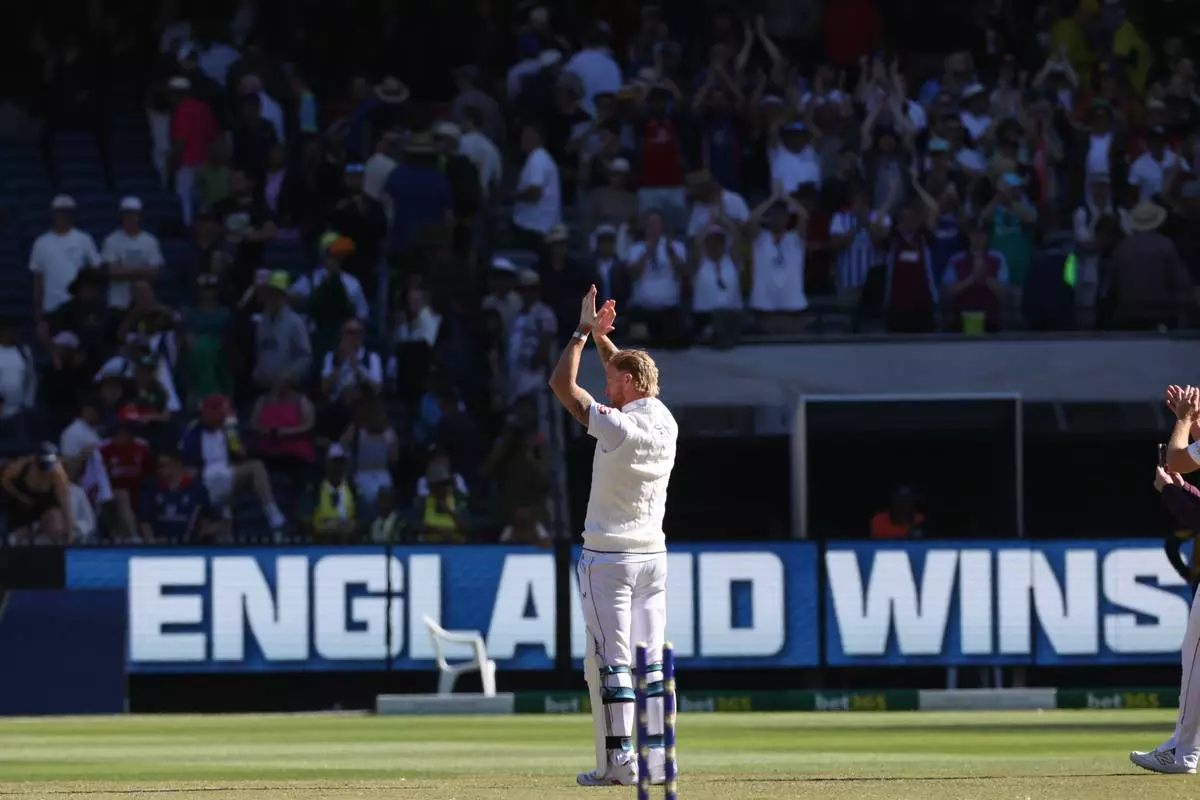
MELBOURNE, Australia (AP) — England ended an 18-match winless streak in Australia and beat the home side by four wickets in the fourth Ashes test at the Melbourne Cricket Ground on Saturday.

England lost each of the first three tests to allow Australia to retain the Ashes in just 11 days of on-field action at Perth, Brisbane and Adelaide.

But England returned the favor by winning the MCG test Saturday inside two days, similar to Australia's opening win at Perth.

It was the first time the same series has had multiple two-day tests in 129 years.

The England winless streak had dated to the 2013-14 Ashes series, which Australia won 5-0. Since England convincingly won the 2010-11 Ashes 3-1, England had lost 16 matches and drawn the other two of their 18 tests Down Under over a period of nearly 15 years.

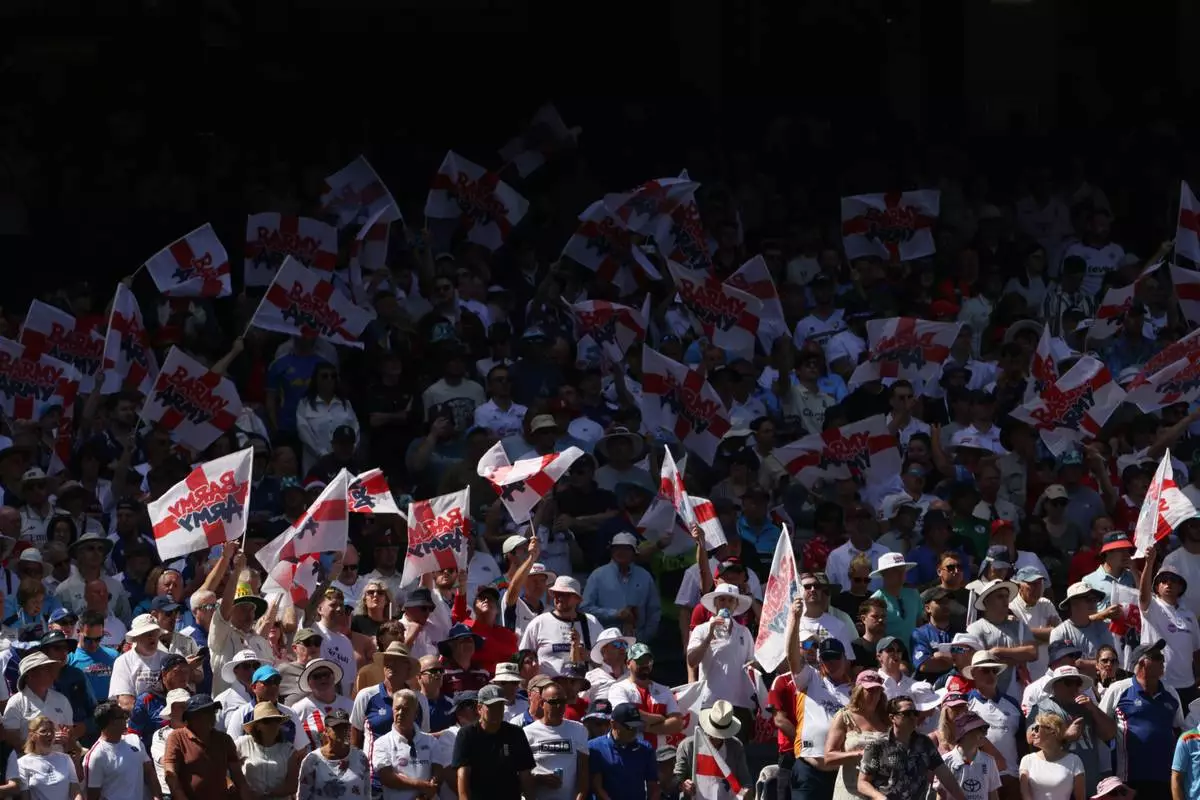
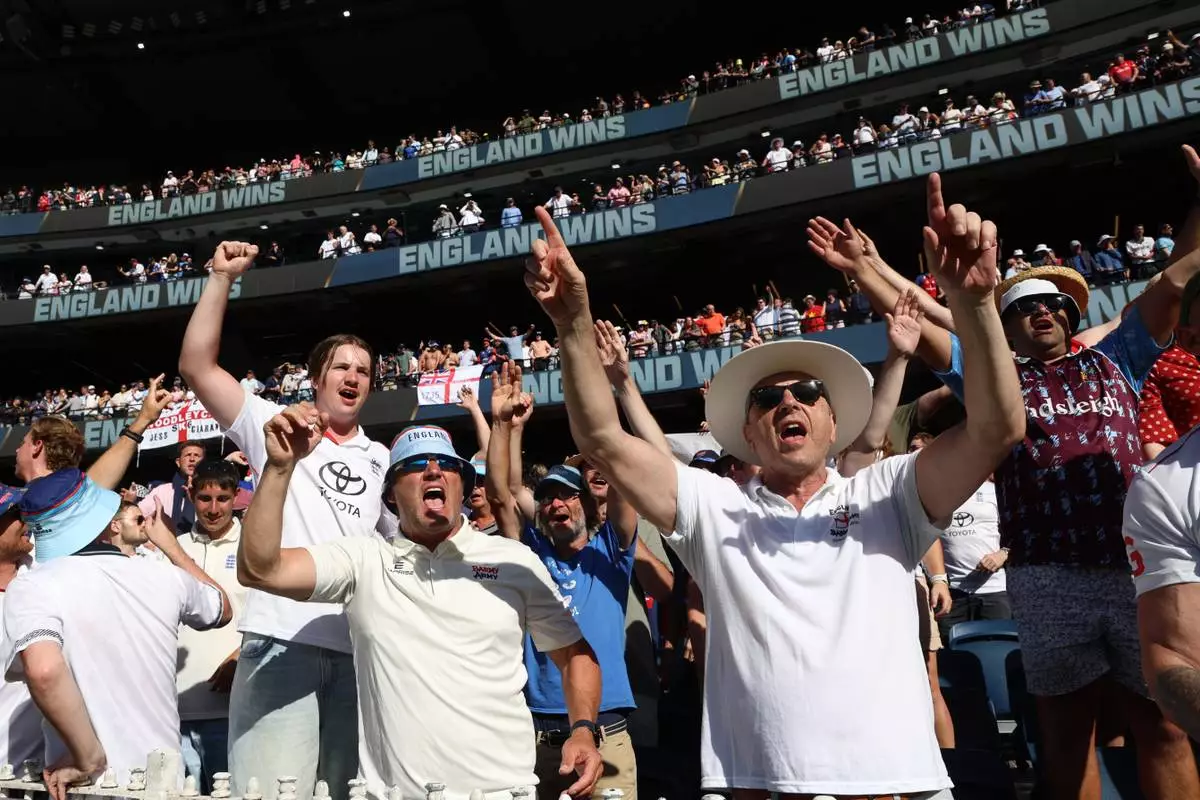
Needing 175 second-innings runs to win and 98 after the tea break, England reached its target at 178-6 to clinch the match and send thousands of its long-suffering but faithful “Barmy Army” fans into frenzied celebration.

England raced to 70-2 off the first 10 overs in its second innings, losing the wickets of Ben Duckett (34) and Brydon Carse (6). Scott Boland removed Zak Crawley (37) and Jacob Bethell (40), who both made valuable contributions.

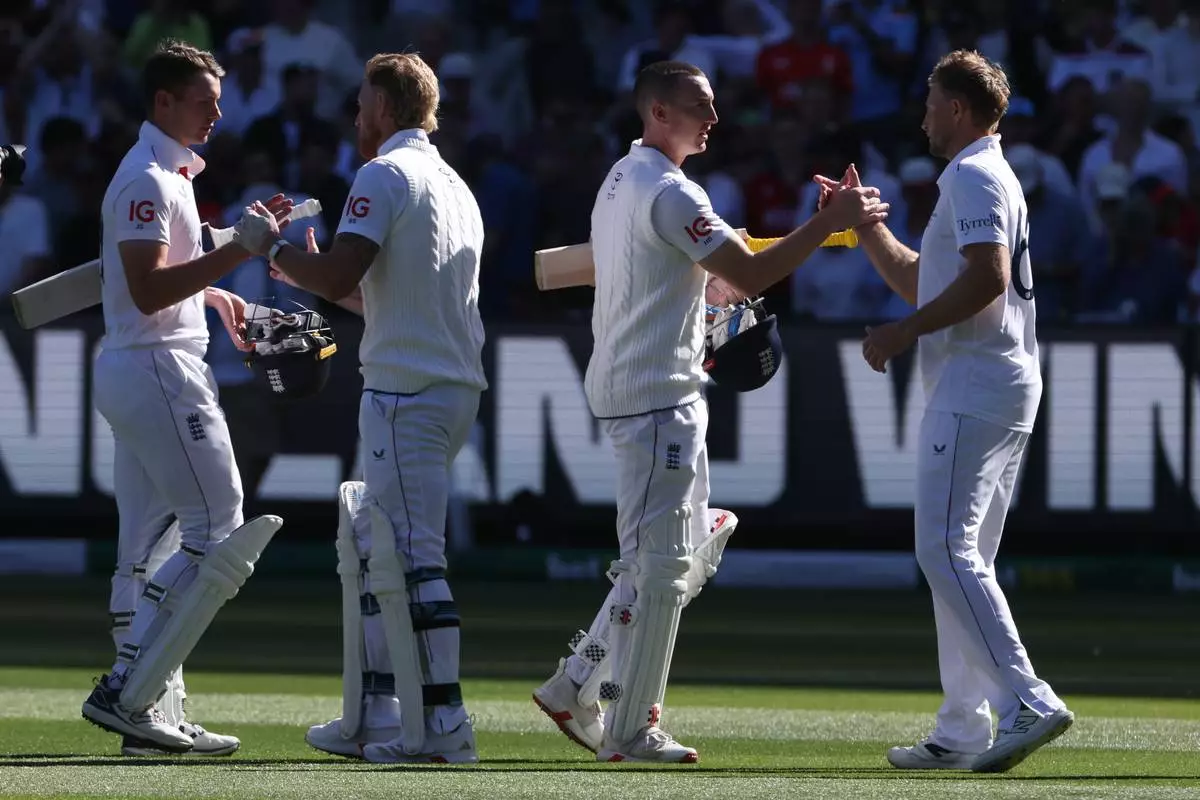
Joe Root (15) and captain Ben Stokes (2) fell cheaply before Jamie Smith and Harry Brook guided the visiting side to a morale-boosting win ahead of the fifth and final test beginning Jan. 4 in Sydney.

Earlier Saturday, England bowled out Australia out for 132 in its second innings after lunch on Day 2. On an MCG pitch offering substantial sideways movement for pace bowlers, England successfully chased down a target of 175 to win after 30 wickets had fallen in 4 1-2 sessions.

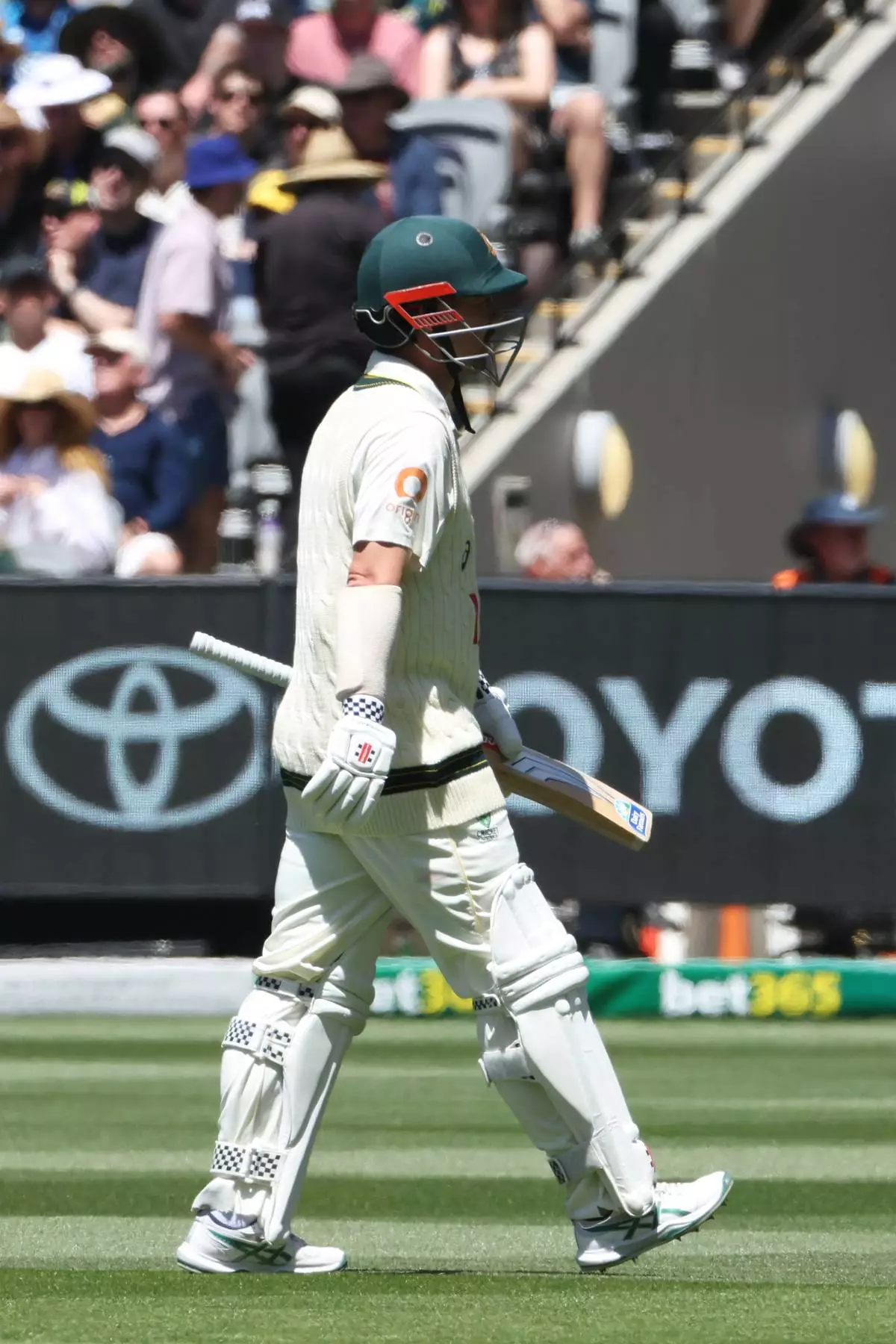
The dismissal of opener Travis Head (46) was quickly followed by the departures of Usman Khawaja (0) and Alex Carey (4) in the next two overs as Australia slumped from 82-3 to 88-6 in the morning session.

Ben Stokes (3-24) claimed the important wicket of Cameron Green (19) after lunch, caught at second slip, and Brydon Carse sliced through the tail to finish with 4-34.

Australia held an overall lead of 46 Friday after scoring 152, running through England for 110 in a dramatic first day

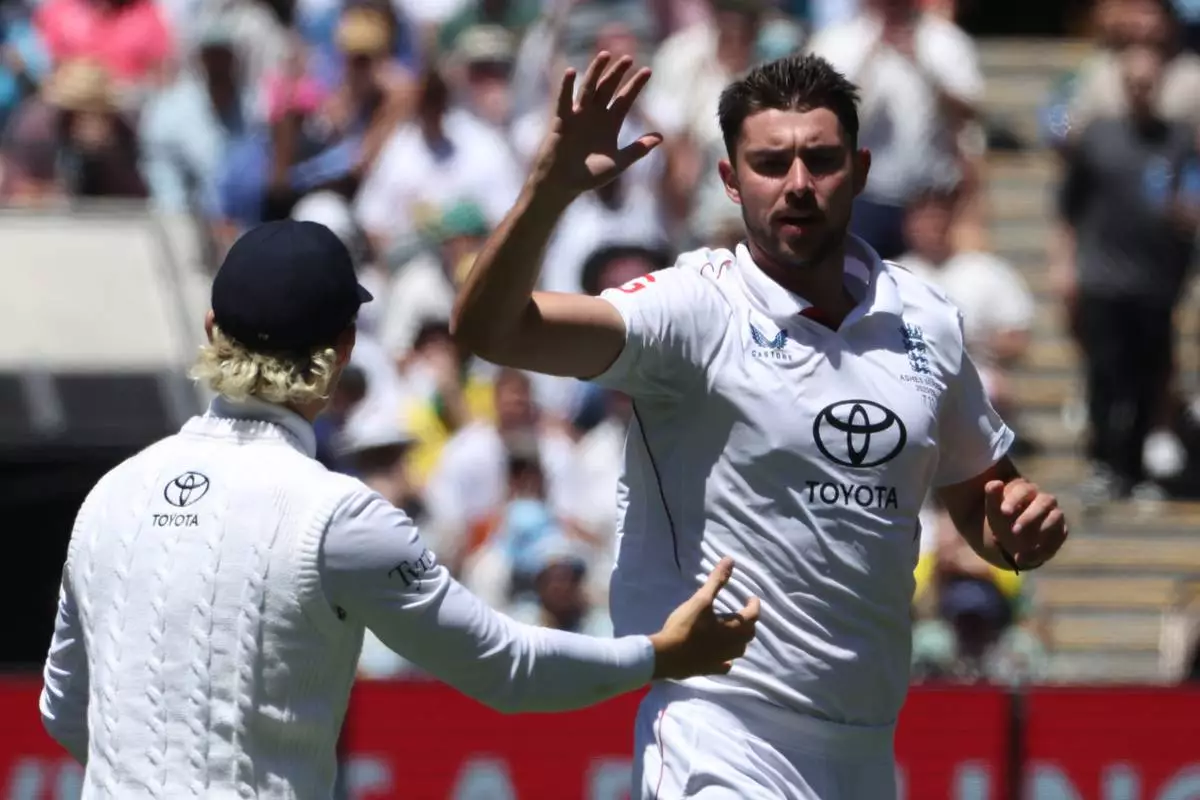
Josh Tongue, named player of the match, claimed a career-best 5-45 to lead England’s bowling attack Friday before Michael Neser grabbed 4-45 for Australia.

Cricket Australia chief executive Todd Greenberg said Saturday “short tests are bad for business," and said CA would consider a closer role in pitch preparation in the future.

“Historically we have taken a hands-off approach in all of our wicket preparation and allowed the staff and the conditions and those characteristics to be presented,” Greenberg told SEN Radio. ”But it’s hard not to get more involved when you see the impact on the sport, particularly commercially."

The attendance at the MCG on Saturday was 92,045, the second-highest test crowd in Australia, only behind Friday's opening-day crowd of 94,199.

AP cricket: https://apnews.com/hub/cricket

Fans celebrate England's win over Australia on Day 2 of their Ashes cricket test match in Melbourne, Saturday, Dec. 27, 2025. (AP Photo/Hamish Blair)

Fans celebrate England's win over Australia on Day 2 of their Ashes cricket test match in Melbourne, Saturday, Dec. 27, 2025. (AP Photo/Hamish Blair)

Fans celebrate England's win over Australia on Day 2 of their Ashes cricket test match in Melbourne, Saturday, Dec. 27, 2025. (AP Photo/Hamish Blair)

Fans celebrate England's win over Australia on Day 2 of their Ashes cricket test match in Melbourne, Saturday, Dec. 27, 2025. (AP Photo/Hamish Blair)

England's Jamie Smith, left, Ben Stokes, second left, Harry Brook andJoe Root, right, shake hands after defeating Australia on Day 2 of their Ashes cricket test match in Melbourne, Saturday, Dec. 27, 2025. (AP Photo/Hamish Blair)

England's Jamie Smith, left, Ben Stokes, second left, Harry Brook andJoe Root, right, shake hands after defeating Australia on Day 2 of their Ashes cricket test match in Melbourne, Saturday, Dec. 27, 2025. (AP Photo/Hamish Blair)

England's Ben Stokes applauds the crowd after England defeated Australia on Day 2 of their Ashes cricket test match in Melbourne, Saturday, Dec. 27, 2025. (AP Photo/Hamish Blair)

England's Ben Stokes applauds the crowd after England defeated Australia on Day 2 of their Ashes cricket test match in Melbourne, Saturday, Dec. 27, 2025. (AP Photo/Hamish Blair)

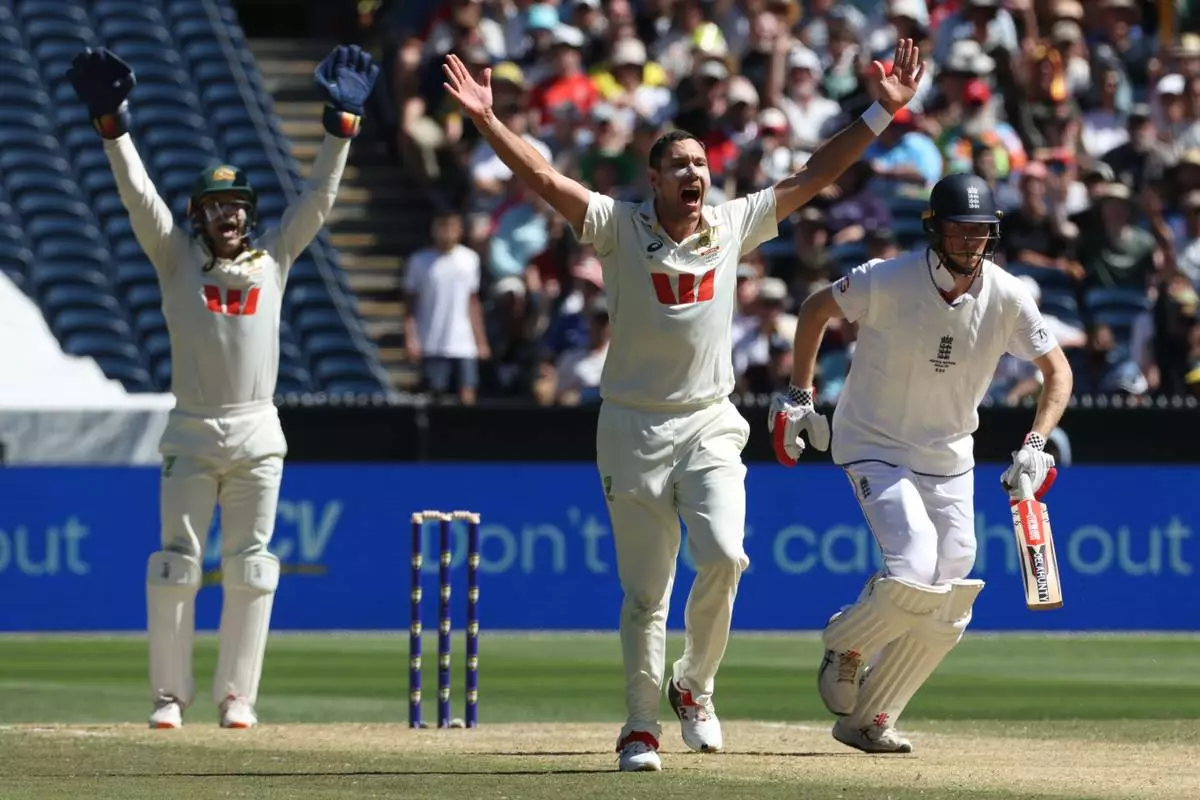
Australia's Scott Boland, center, successfully appeals for a LBW decision on England's Zak Crawley, right, on Day 2 of their Ashes cricket test match in Melbourne, Saturday, Dec. 27, 2025. (AP Photo/Hamish Blair)

Australia's Scott Boland, center, successfully appeals for a LBW decision on England's Zak Crawley, right, on Day 2 of their Ashes cricket test match in Melbourne, Saturday, Dec. 27, 2025. (AP Photo/Hamish Blair)

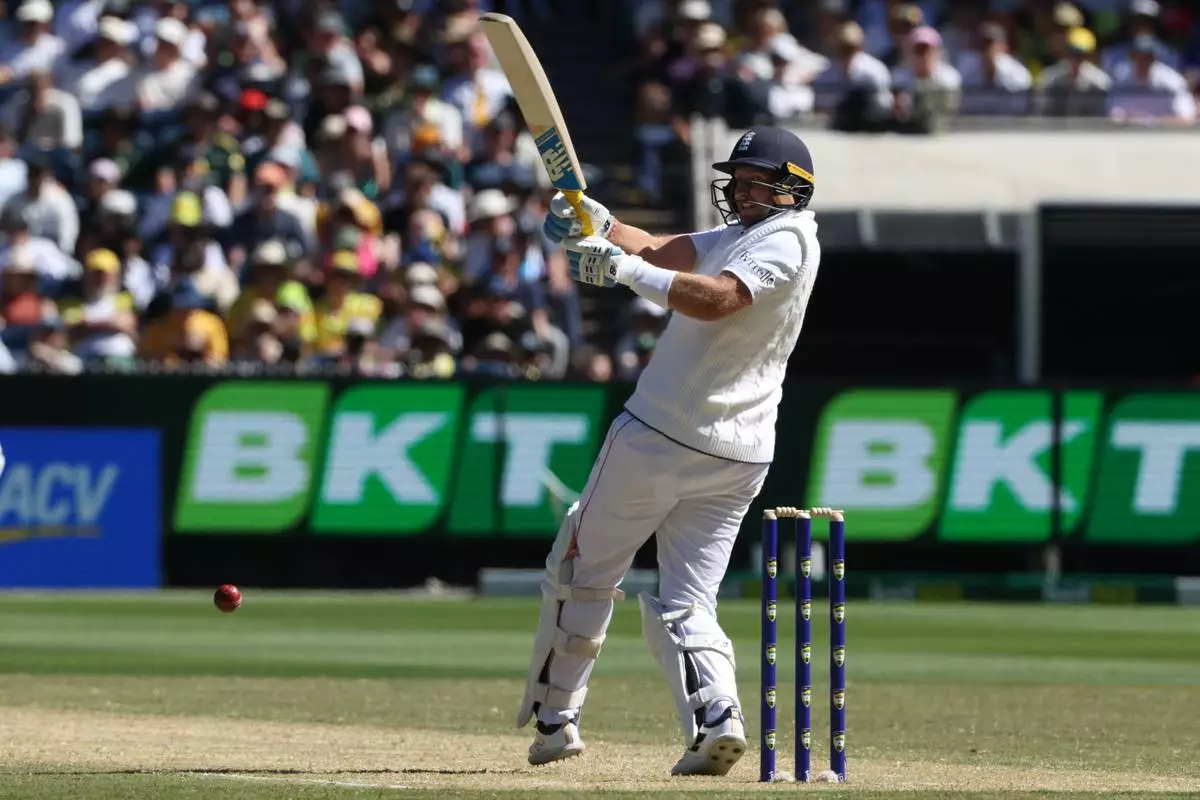
England's Joe Root bats against Australia on Day 2 of their Ashes cricket test match in Melbourne, Saturday, Dec. 27, 2025. (AP Photo/Hamish Blair)

England's Joe Root bats against Australia on Day 2 of their Ashes cricket test match in Melbourne, Saturday, Dec. 27, 2025. (AP Photo/Hamish Blair)

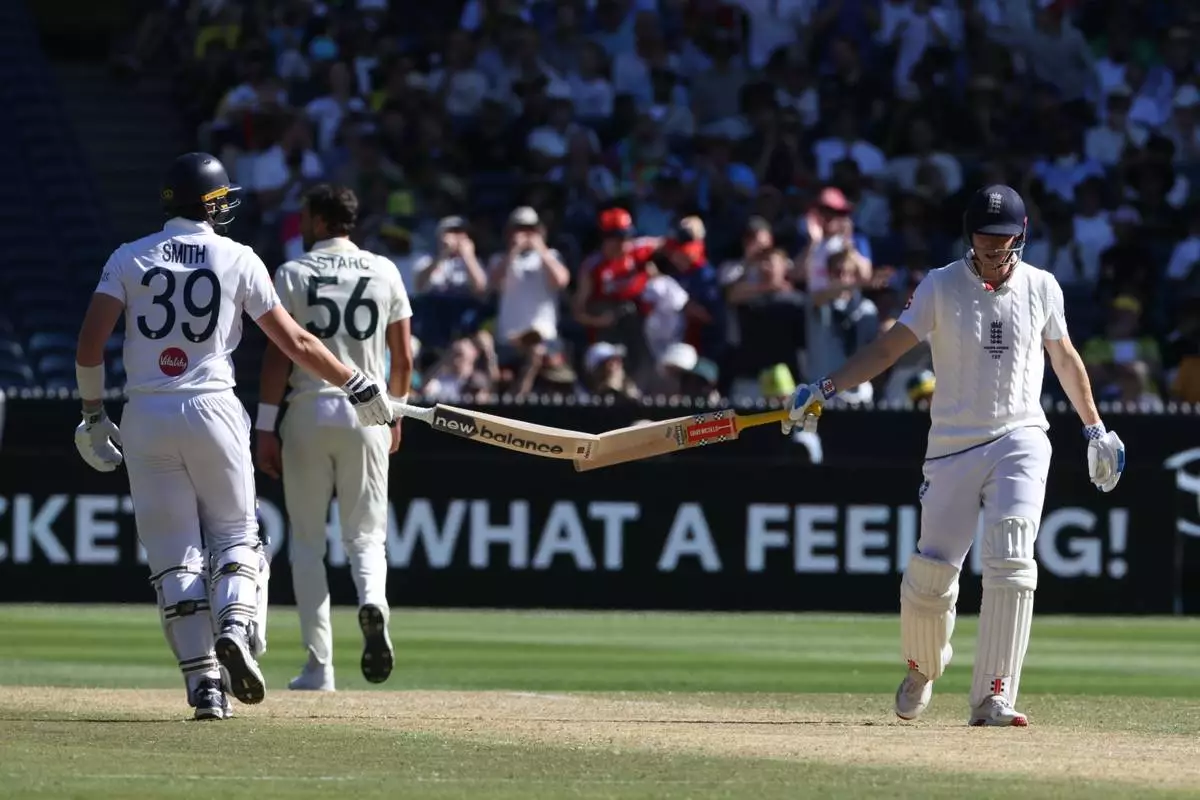
England's Jamie Smith, left and Harry Brook touch bats near the end of their Ashes cricket test match against Australia in Melbourne, Saturday, Dec. 27, 2025. (AP Photo/Hamish Blair)

England's Jamie Smith, left and Harry Brook touch bats near the end of their Ashes cricket test match against Australia in Melbourne, Saturday, Dec. 27, 2025. (AP Photo/Hamish Blair)

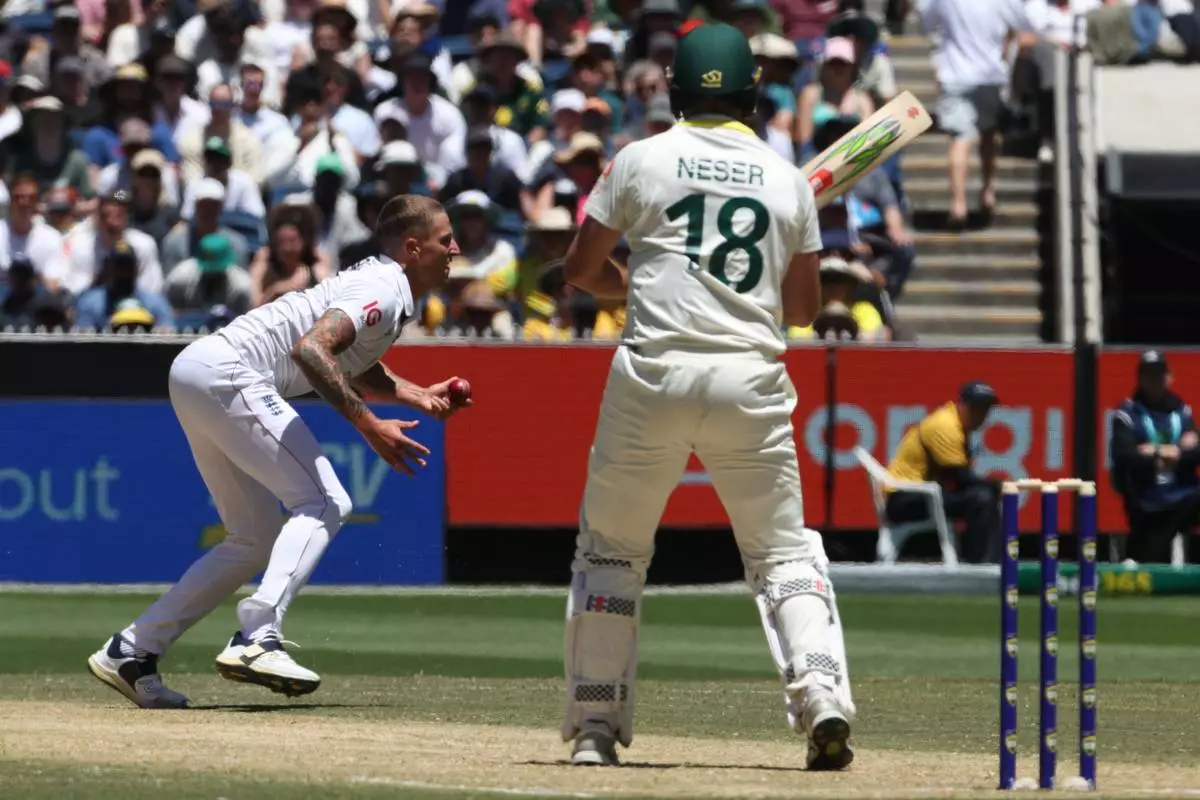
England's Brydon Carse, left, grabs the ball for a caught and bowled on Australia's Michael Neser, right, on Day 2 of their Ashes cricket test match in Melbourne, Saturday, Dec. 27, 2025. (AP Photo/Hamish Blair)

England's Brydon Carse, left, grabs the ball for a caught and bowled on Australia's Michael Neser, right, on Day 2 of their Ashes cricket test match in Melbourne, Saturday, Dec. 27, 2025. (AP Photo/Hamish Blair)

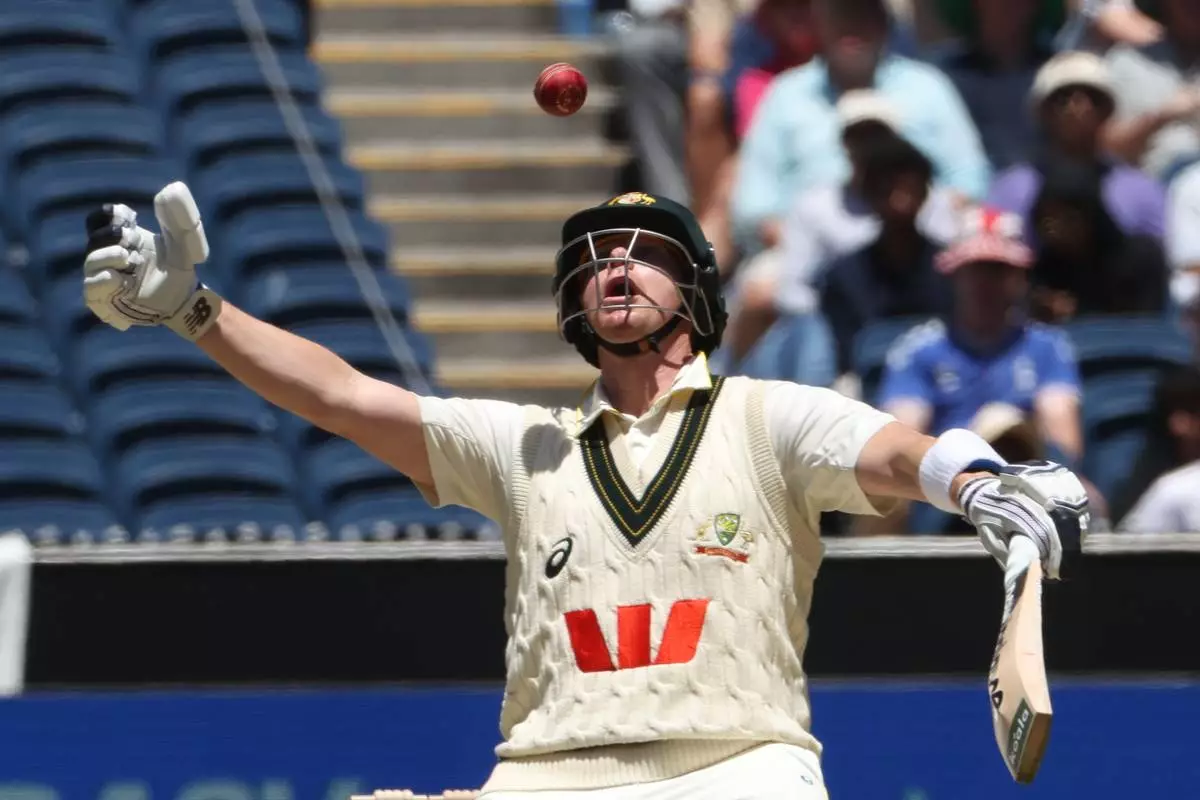
Australia's Steve Smith watches the ball while batting against England on Day 2 of their Ashes cricket test match in Melbourne, Saturday, Dec. 27, 2025. (AP Photo/Hamish Blair)

Australia's Steve Smith watches the ball while batting against England on Day 2 of their Ashes cricket test match in Melbourne, Saturday, Dec. 27, 2025. (AP Photo/Hamish Blair)

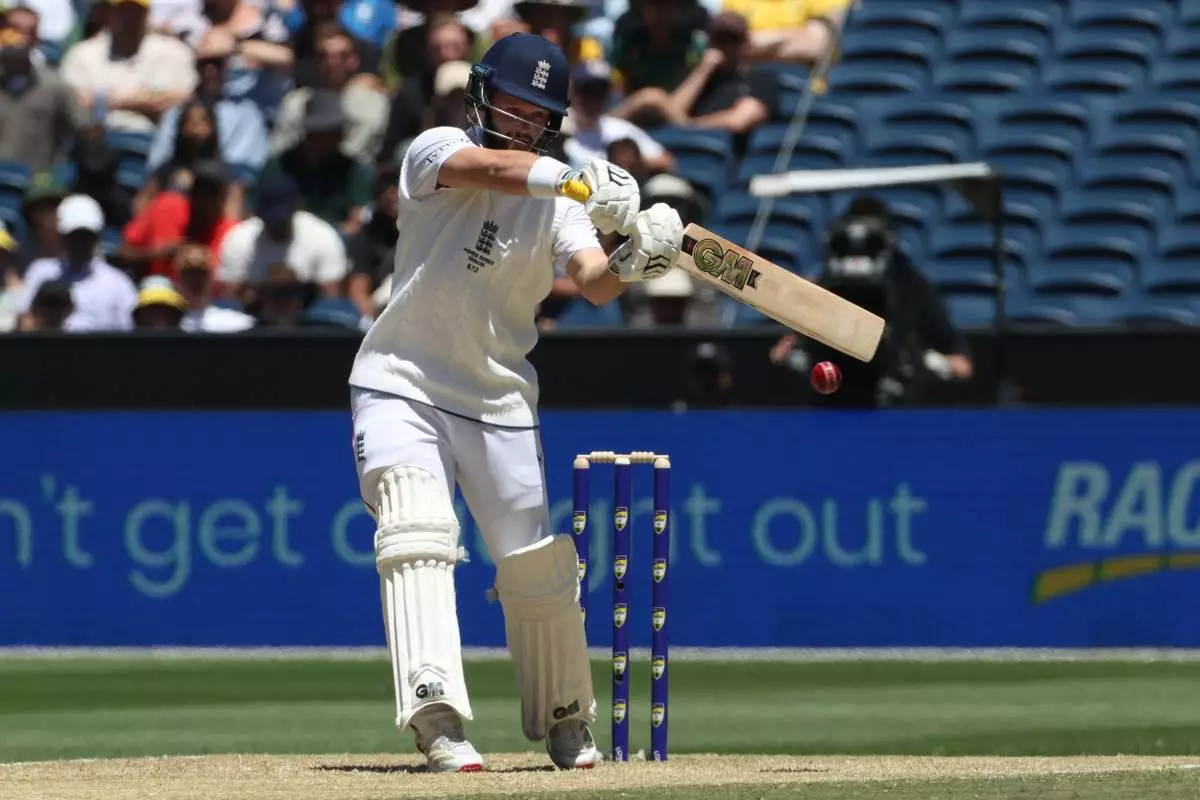
England's Ben Duckett bats against Australia on Day 2 of their Ashes cricket test match in Melbourne, Saturday, Dec. 27, 2025. (AP Photo/Hamish Blair)

England's Ben Duckett bats against Australia on Day 2 of their Ashes cricket test match in Melbourne, Saturday, Dec. 27, 2025. (AP Photo/Hamish Blair)

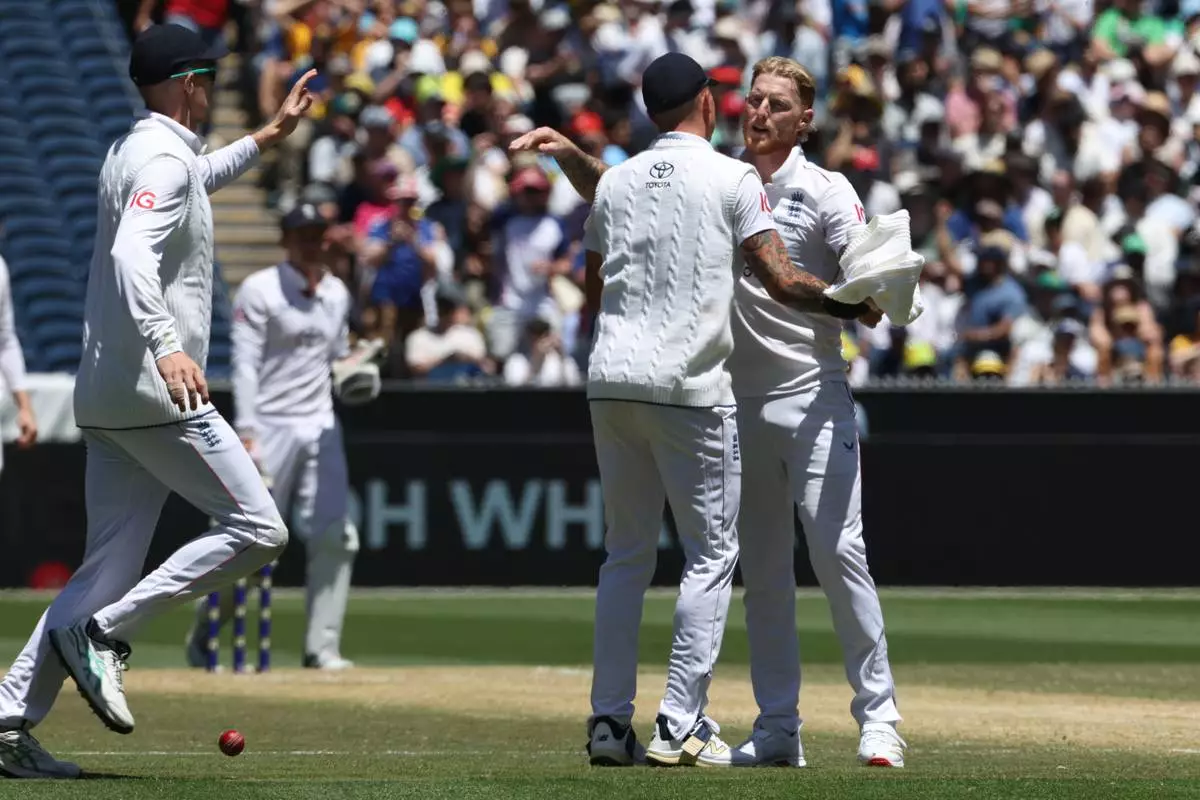
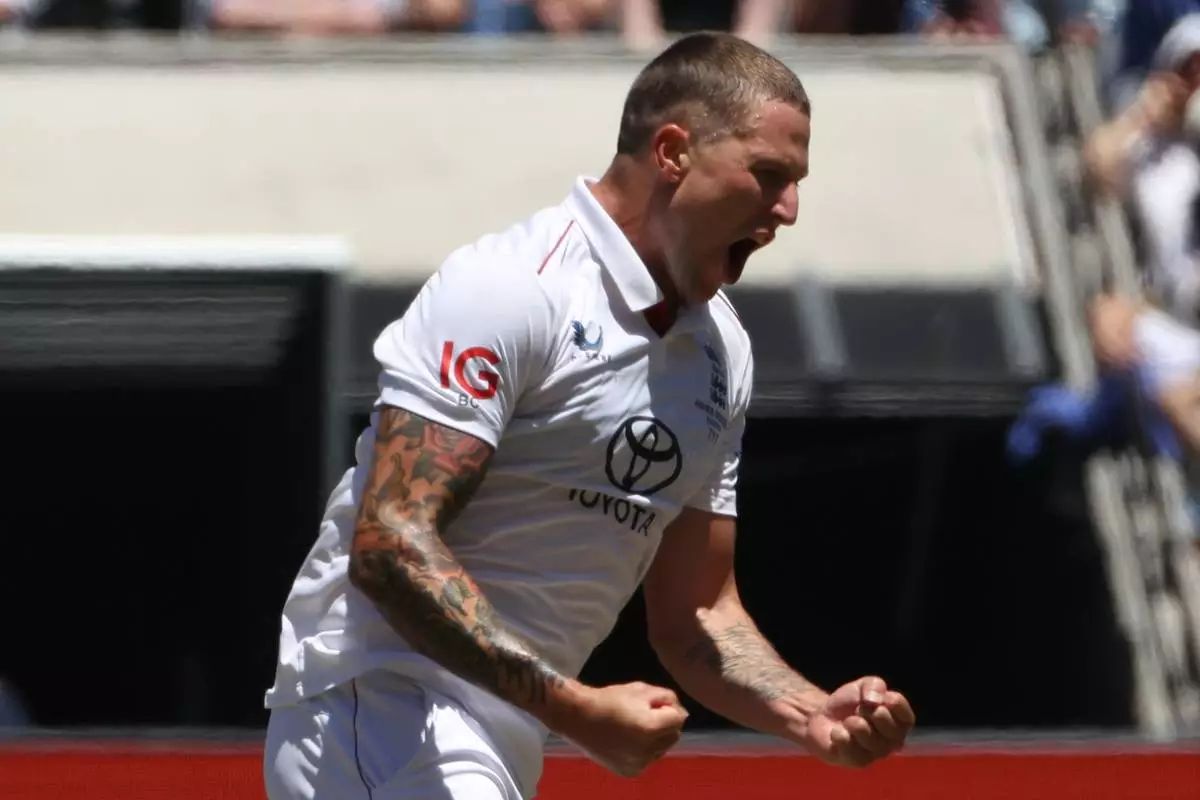
England's Ben Stokes, right, celebrates with teammates after taking Australia's final wicket of their second innings on Day 2 of their Ashes cricket test match in Melbourne, Saturday, Dec. 27, 2025. (AP Photo/Hamish Blair)

England's Ben Stokes, right, celebrates with teammates after taking Australia's final wicket of their second innings on Day 2 of their Ashes cricket test match in Melbourne, Saturday, Dec. 27, 2025. (AP Photo/Hamish Blair)

England's Brydon Carse celebrates the wicket of Australia's Mitchell Starc on Day 2 of their Ashes cricket test match in Melbourne, Saturday, Dec. 27, 2025. (AP Photo/Hamish Blair)

England's Brydon Carse celebrates the wicket of Australia's Mitchell Starc on Day 2 of their Ashes cricket test match in Melbourne, Saturday, Dec. 27, 2025. (AP Photo/Hamish Blair)

Fans of the England cricket team, known as the Barmy Army, wave flags on Day 2 of the Ashes cricket test match between Australia and England in Melbourne, Saturday, Dec. 27, 2025. (AP Photo/Hamish Blair)

Fans of the England cricket team, known as the Barmy Army, wave flags on Day 2 of the Ashes cricket test match between Australia and England in Melbourne, Saturday, Dec. 27, 2025. (AP Photo/Hamish Blair)

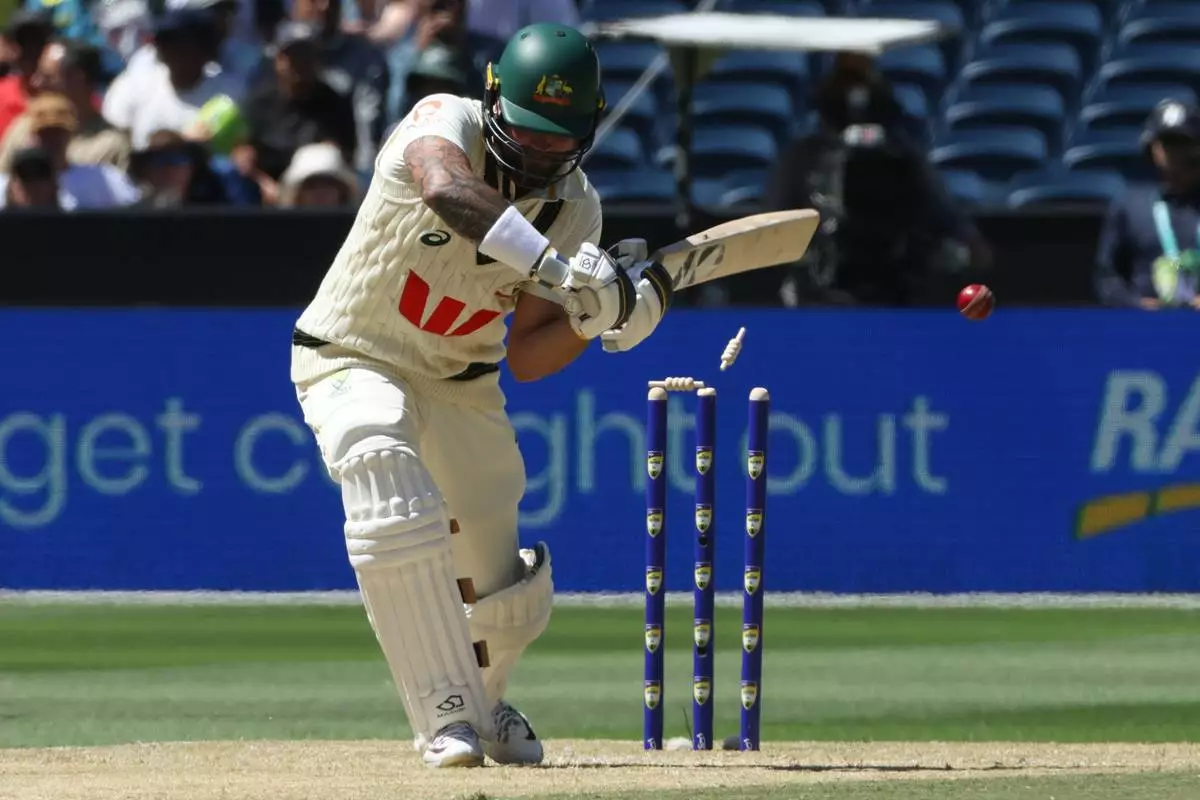
Australia's Jake Weatherald his bowled by England's Ben Stokes on Day 2 of their Ashes cricket test match in Melbourne, Saturday, Dec. 27, 2025. (AP Photo/Hamish Blair)

Australia's Jake Weatherald his bowled by England's Ben Stokes on Day 2 of their Ashes cricket test match in Melbourne, Saturday, Dec. 27, 2025. (AP Photo/Hamish Blair)

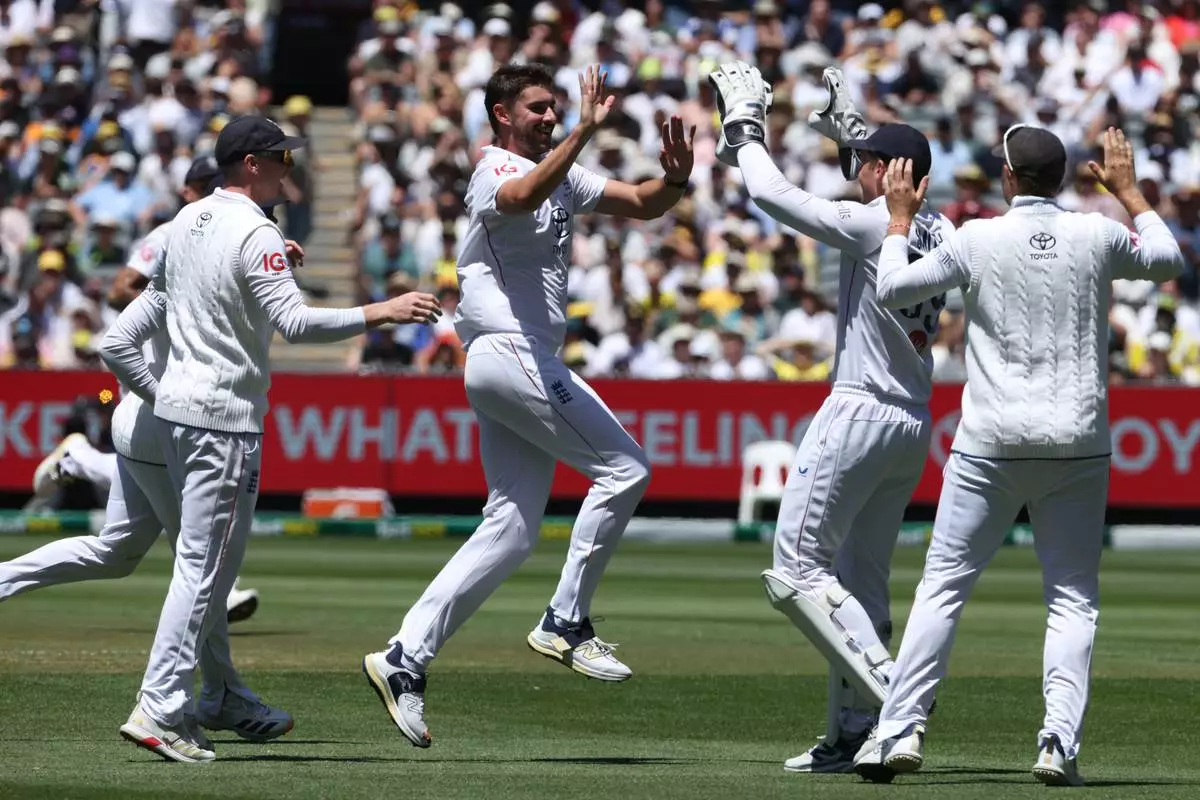
England's Josh Tongue, second left, celebrates with teammates after the wicket of Australia Usman Khawaja on Day 2 of their Ashes cricket test match in Melbourne, Saturday, Dec. 27, 2025. (AP Photo/Hamish Blair)

England's Josh Tongue, second left, celebrates with teammates after the wicket of Australia Usman Khawaja on Day 2 of their Ashes cricket test match in Melbourne, Saturday, Dec. 27, 2025. (AP Photo/Hamish Blair)

Australia's Travis Head walks off after he is bowled by England's Brydon Carse on Day 2 of their Ashes cricket test match in Melbourne, Saturday, Dec. 27, 2025. (AP Photo/Hamish Blair)

Australia's Travis Head walks off after he is bowled by England's Brydon Carse on Day 2 of their Ashes cricket test match in Melbourne, Saturday, Dec. 27, 2025. (AP Photo/Hamish Blair)

England's Josh Tongue, right, celebrates with teammate Jacob Bethell after the wicket of Australia Usman Khawaja on Day 2 of their Ashes cricket test match in Melbourne, Saturday, Dec. 27, 2025. (AP Photo/Hamish Blair)

England's Josh Tongue, right, celebrates with teammate Jacob Bethell after the wicket of Australia Usman Khawaja on Day 2 of their Ashes cricket test match in Melbourne, Saturday, Dec. 27, 2025. (AP Photo/Hamish Blair)

Recommended Articles