BEIRUT (AP) — A group tasked with making a plan to remove weapons held by Palestinian factions in Lebanon’s refugees camps met for the first time Friday to begin hashing out a timetable and mechanism for disarming the groups.
The Lebanese-Palestinian Dialogue Committee, a government body that serves as an interlocutor between Palestinian refugees and officials, said the meeting was attended by Prime Minister Nawaf Salam and that “participants agreed to launch a process for the disarmament of weapons according to a specific timetable."
Click to Gallery
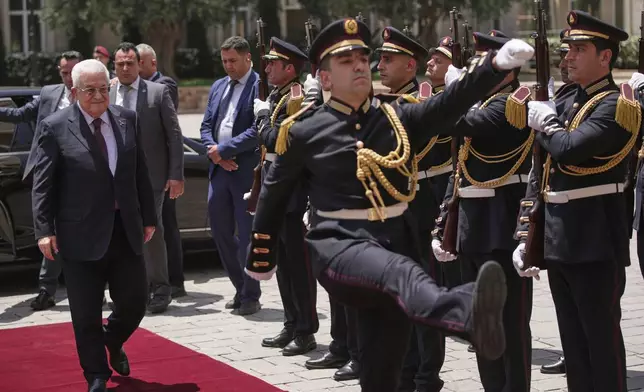
Palestinian President Mahmoud Abbas, left, reviews an honor guard upon his arrival to meet with Lebanese Prime Minister Nawaf Salam at the Government Palace in Beirut, Lebanon, Thursday, May 22, 2025. (AP Photo/Hassan Ammar)
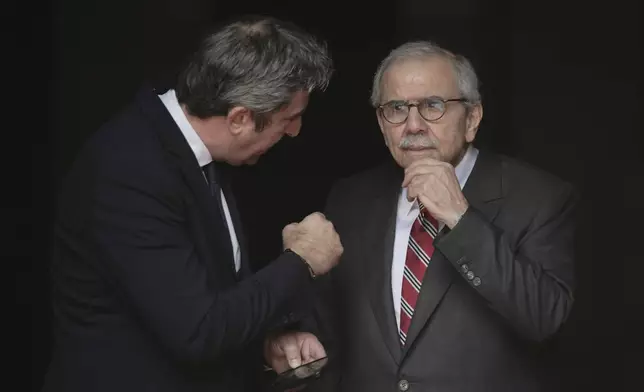
Lebanese Prime Minister Nawaf Salam, right, gestures as he speaks with an official while waiting to welcome Palestinian President Mahmoud Abbas at the Government Palace in Beirut, Lebanon, Thursday, May 22, 2025. (AP Photo/Hassan Ammar)
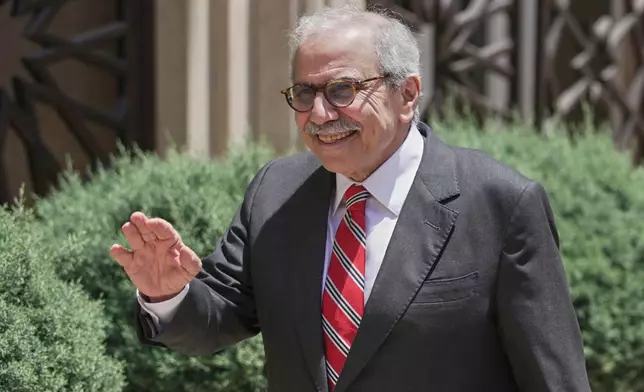
Lebanese Prime Minister Nawaf Salam gestures to journalists while waiting to welcome Palestinian President Mahmoud Abbas at the Government Palace in Beirut, Lebanon, Thursday, May 22, 2025. (AP Photo/Hassan Ammar)
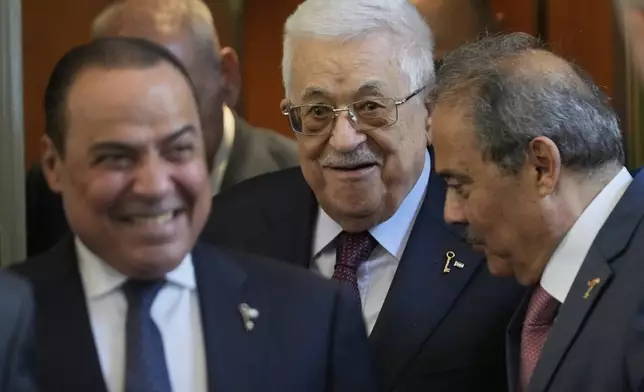
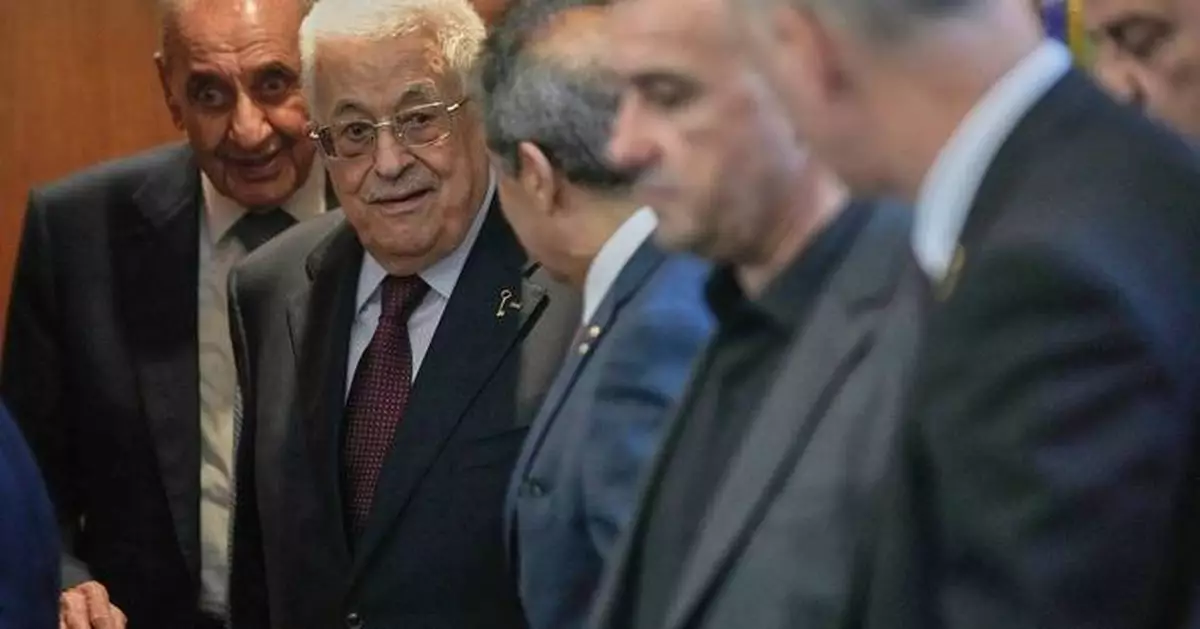
Palestinian President Mahmoud Abbas, centre, smiles as he leaves after his meeting with Lebanese Parliament Speaker Nabih Berri, in Beirut, Lebanon, Thursday, May 22, 2025. (AP Photo/Hussein Malla)
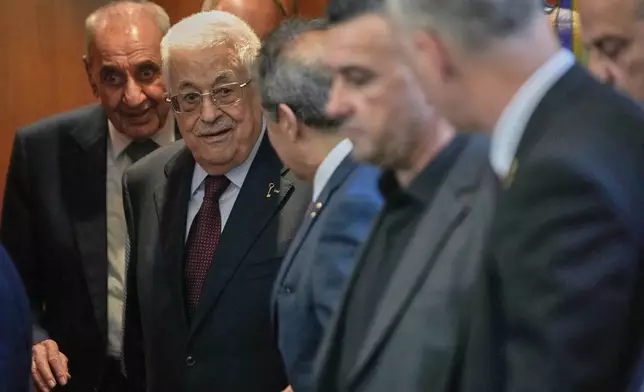
Palestinian President Mahmoud Abbas, centre, leaves after his meeting with Lebanese Parliament Speaker Nabih Berri, left background, in Beirut, Lebanon, Thursday, May 22, 2025. (AP Photo/Hussein Malla)
The group added that it also aimed to take steps to "enhance the economic and social rights of Palestinian refugees.”
A Lebanese official familiar with the discussions, who spoke on condition of anonymity because they were not authorized to comment, said work to remove the weapons would begin within a month.
The meeting followed a visit by Palestinian President Mahmoud Abbas to Lebanon, during which he and Lebanese President Joseph Aoun announced an agreement that Palestinian factions would not use Lebanon as a launchpad for any attacks against Israel, and that weapons would be consolidated under the authority of the Lebanese government.
There are multiple Palestinian factions active in Lebanon’s refugee camps, which include Abbas’ Fatah movement, the rival Hamas group and a range of other Islamist and leftist groups.
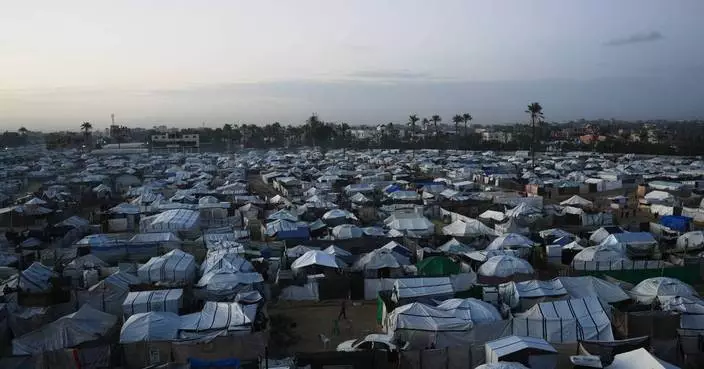
The 12 Palestinian refugee camps aren’t under the control of Lebanese authorities, and rival groups have clashed inside the camps in recent years, inflicting casualties and affecting nearby areas.
Hamas and allied Palestinian groups also fought alongside the Lebanese militant group Hezbollah against Israel in Lebanon in a war that ended with a ceasefire in November. Hezbollah has been under increasing pressure to give up its own weapons since then.
Ihsan Ataya, a member of the political bureau of the Palestinian Islamic Jihad group, which is allied with Hamas, said in a statement that his group “adheres to the laws of the host country and respects applicable laws.” But he questioned how the disarmament would be implemented and “whether the goal of raising the issue of weapons today was to yield to American pressure to resettle Palestinian refugees” and “eliminate the symbolism of resistance in the camps related to the refugees' right of return to their homes" in what is now Israel.
Hamas spokesperson Jihad Taha told local TV station Al Jadeed that Hamas does not have “military centers” in Lebanon, inside or outside of the camps and is “keen on the security and stability of our Palestinian camps." He said they are also “keen to establish the best relations with our brothers in Lebanon at the government level, at the popular level and at the level of resistance.”
He did not clearly say whether the group would hand over any weapons it has.
The Lebanese official said that Hamas’ office in Lebanon would be allowed to remain open if it worked only on political and not military matters.
There are nearly 500,000 Palestinians registered with UNRWA, the United Nations agency for Palestinian refugees, in Lebanon. However, the actual number in the country is believed to be around 200,000, as many have emigrated but remain on UNRWA’s roster.
They are prohibited from working in many professions, have few legal protections and can’t own property.
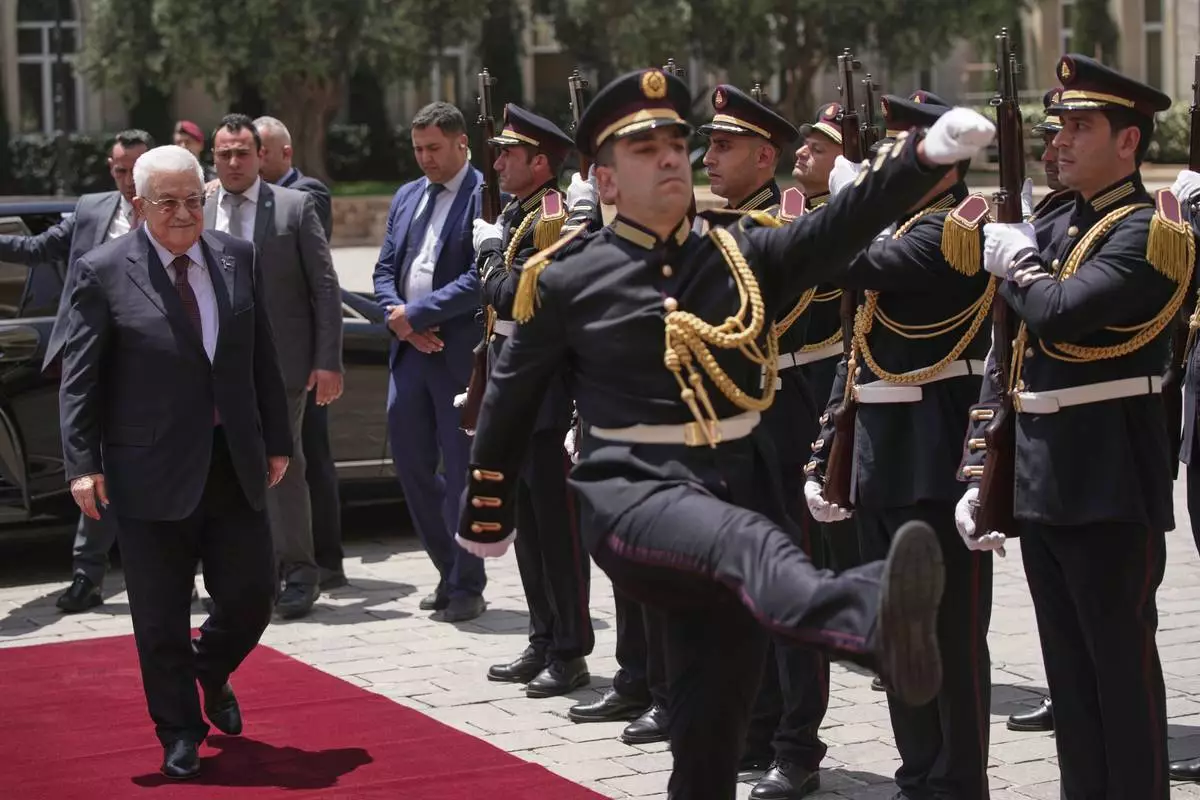
Palestinian President Mahmoud Abbas, left, reviews an honor guard upon his arrival to meet with Lebanese Prime Minister Nawaf Salam at the Government Palace in Beirut, Lebanon, Thursday, May 22, 2025. (AP Photo/Hassan Ammar)
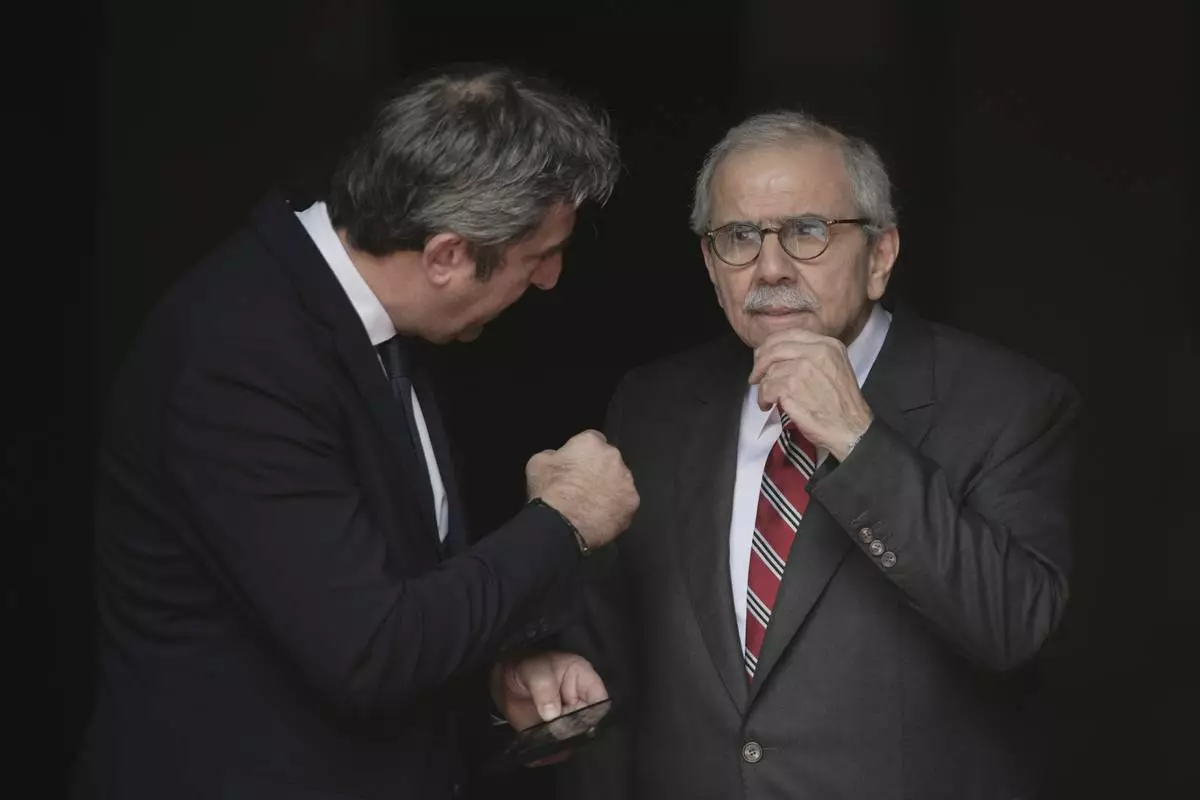
Lebanese Prime Minister Nawaf Salam, right, gestures as he speaks with an official while waiting to welcome Palestinian President Mahmoud Abbas at the Government Palace in Beirut, Lebanon, Thursday, May 22, 2025. (AP Photo/Hassan Ammar)
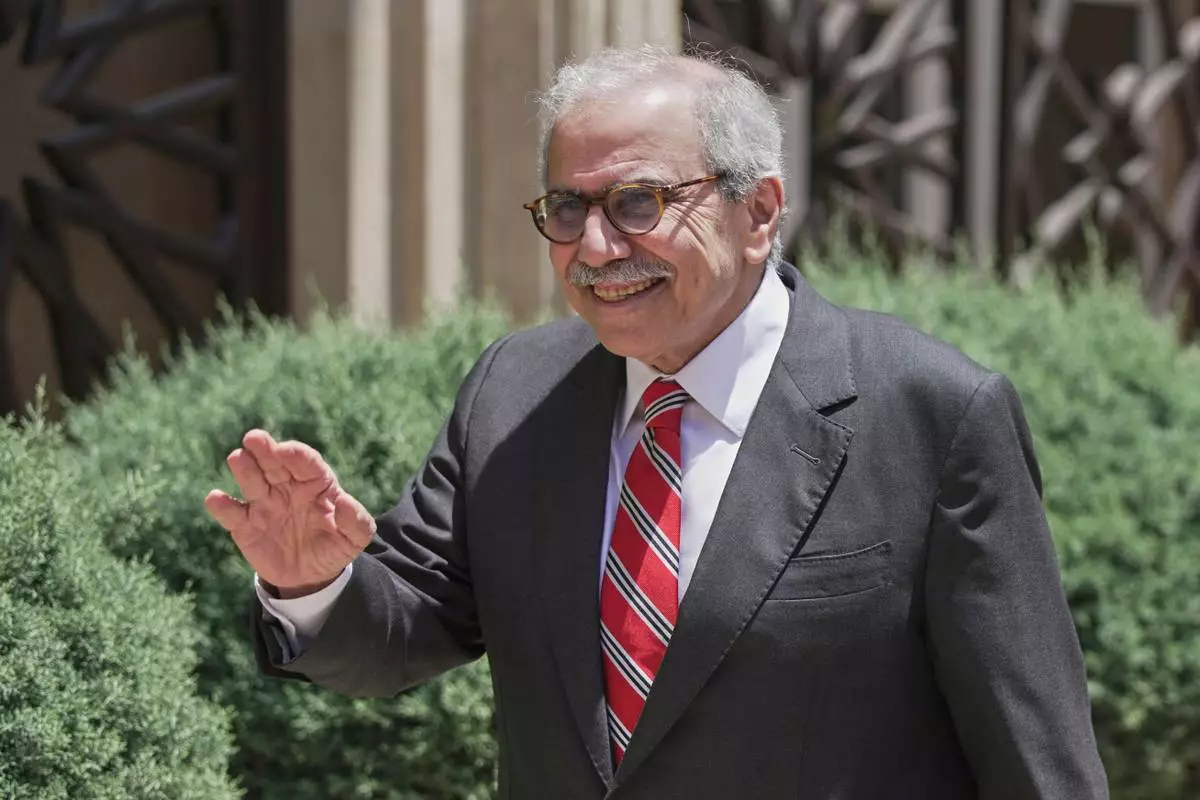
Lebanese Prime Minister Nawaf Salam gestures to journalists while waiting to welcome Palestinian President Mahmoud Abbas at the Government Palace in Beirut, Lebanon, Thursday, May 22, 2025. (AP Photo/Hassan Ammar)
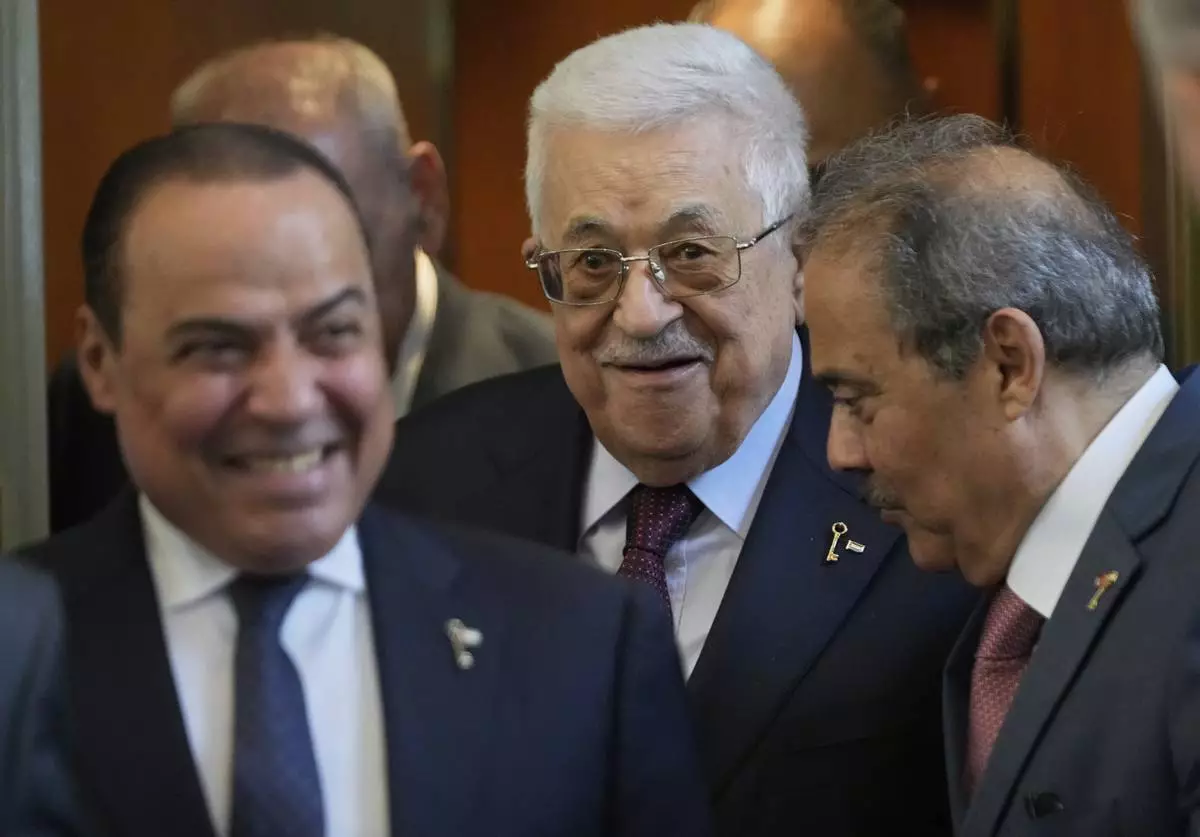
Palestinian President Mahmoud Abbas, centre, smiles as he leaves after his meeting with Lebanese Parliament Speaker Nabih Berri, in Beirut, Lebanon, Thursday, May 22, 2025. (AP Photo/Hussein Malla)
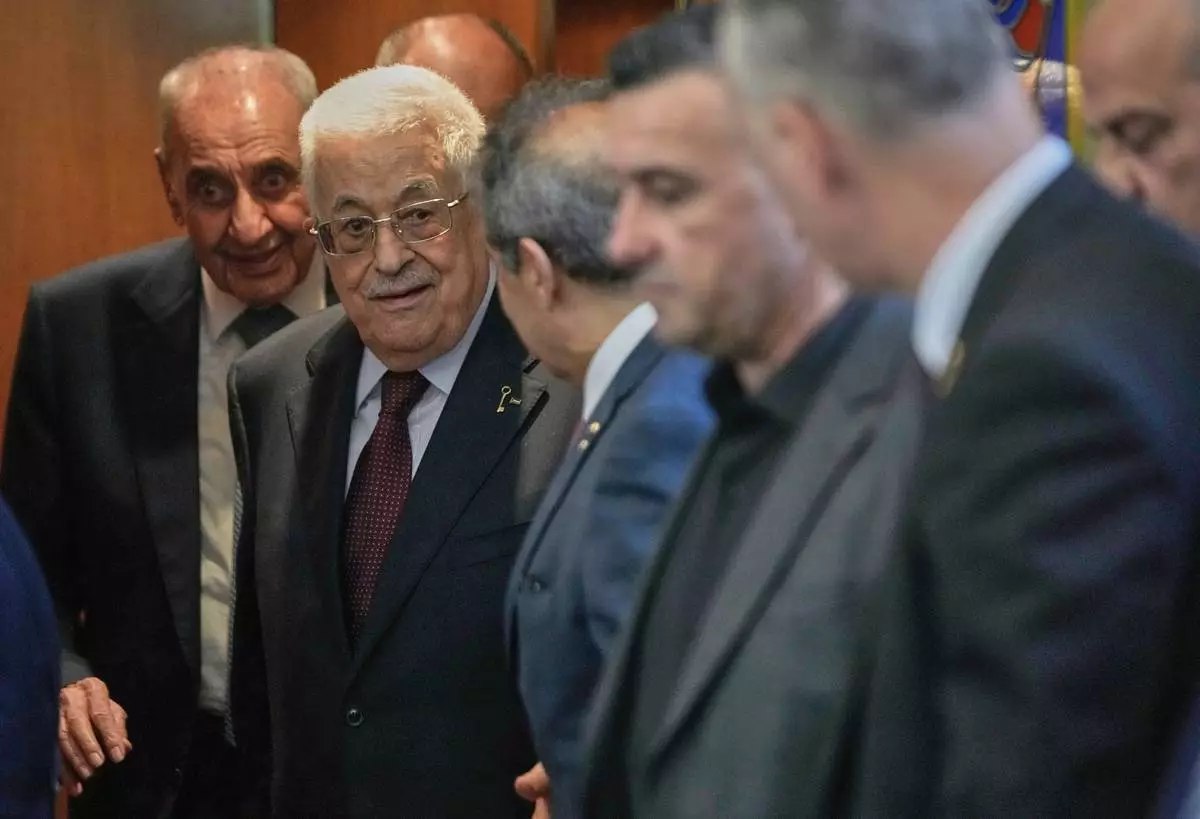
Palestinian President Mahmoud Abbas, centre, leaves after his meeting with Lebanese Parliament Speaker Nabih Berri, left background, in Beirut, Lebanon, Thursday, May 22, 2025. (AP Photo/Hussein Malla)