Skip to Content Facebook Feature Image

Israel may change tack to allow aid groups in Gaza to stay in charge of non-food aid

News

Israel may change tack to allow aid groups in Gaza to stay in charge of non-food aid
News

News

Israel may change tack to allow aid groups in Gaza to stay in charge of non-food aid

2025-05-25 03:31 Last Updated At:03:41

TEL AVIV, Israel (AP) — As pressure mounts to get more aid into Gaza, Israel appears to be changing tack and may let aid groups operating in the battered enclave remain in charge of non-food assistance while leaving food distribution to a newly established U.S.-backed group, according to a letter obtained by The Associated Press.

The development indicates Israel may be walking back from its plans to tightly control all aid to Gaza and prevent aid agencies long established in the territory from delivering it in the same way they have done in the past.

Israel accuses Hamas of siphoning off aid but the United Nations and aid groups deny there is significant diversion. The U.N. has rejected Israel’s plan, saying it allows Israel to use food as a weapon, violates human humanitarian principles and won’t be effective.

Israel had blocked food, fuel, medicine and all other supplies from entering Gaza for nearly three months, worsening a humanitarian crisis for 2.3 million Palestinians there. Experts have warned of a high risk of famine and international criticism and outrage over Israel's offensive has escalated.

Even the United States, a staunch ally, has voiced concerns over the hunger crisis.

The letter, dated May 22, is from Jake Wood, the head of the Israel-approved Gaza Humanitarian Foundation, or GHF, and is addressed to COGAT, the Israeli military agency in charge of transferring aid to the territory.

It says that Israel and GHF have agreed to allow non-food humanitarian aid — from medical supplies to hygiene items and shelter materials — to be handled and distributed under an existing system, which is led by the United Nations. U.N. agencies have so far provided the bulk of the aid for Gaza.

The foundation would still maintain control over food distribution, but there would be a period of overlap with aid groups, the letter said.

“GHF acknowledges that we do not possess the technical capacity or field infrastructure to manage such distributions independently, and we fully support the leadership of these established actors in this domain,” it said.

The foundation confirmed the authenticity of the letter. A spokesman for GHF said the agreement with Israel came after persistent advocacy. While it acknowledged that many aid groups remain opposed to the plan, it said GHF will continue to advocate for an expansion of aid into Gaza and to allow aid groups' work in the enclave to proceed.

COGAT declined to comment on the letter and referred the AP to the office of Israeli Prime Minister Benjamin Netanyahu, which did not respond to a request for comment.

U.N. officials also did not reply to requests for comment.

The GHF, which is not yet up and working in Gaza, is run by security contractors, ex-military officers and humanitarian aid officials, and has the backing of Israel.

The group says it plans to handle food aid, initially from a handful of hubs in southern and central Gaza with armed private contractors that would guard the distribution. Additional sites will be opened within a month, including in northern Gaza.

The letter says aid agencies will continue providing food assistance in parallel to the GHF until at least eight sites are up and running.

Aid groups have been pushing back on the GHF and Israel's plans to take over the handling of food aid, saying it could forcibly displace large numbers of Palestinians by pushing them toward the distribution hubs and that the foundation doesn't have the capacity to meet the needs of the Palestinians in Gaza.

It’s also unclear who is funding the GHF, which claims to have more than $100 million in commitments from a foreign government donor but has not named the donor.

The letter says that GHF's Wood was on a call with the CEOs of six aid groups discussing the new plans, including Save the Children, International Medical Corps, Catholic Relief Services, Mercy Corps, CARE International and Project HOPE.

Rabih Torbay, head of Project HOPE, confirmed the call and said his organization was encouraged to hear that the delivery of medicines and other non-food items would continue under the current system.

Still, Torbay appealed for food aid to be allowed into Gaza without “obstruction or politicization.”

A spokesperson for CARE said it has shared its concerns regarding GHF’s proposal for food distribution in the hubs and reiterated the importance of using existing distribution mechanisms under the U.N. The spokesperson said the meeting was an opportunity to ask a lot of questions, but CARE's attendance was not an endorsement of the effort.

Mairav Zonszein, a senior analyst on Israel for the International Crisis Group, says the letter is a clear sign that both Israel and the GHF recognize the humanitarian catastrophe people face in Gaza and the need for immediate aid.

“The GHF and Israel are clearly scrambling to get something that works — or at least the appearance of functioning aid — and that this mechanism is not ready or equipped or fitting for the needs of the population in Gaza,” Zonszein said.

Ahmed Bayram, Middle East spokesperson for the Norwegian Refugee Council, said that Israel is part of the conflict and should not be in control of the aid distribution.

“Israel interfering in parts or all of that process would be damaging to the independence and neutrality of humanitarian aid,” Bayram said.

The GHF came under more scrutiny this week, with TRIAL International — a Geneva-based advocacy group focusing on international justice — saying Friday that it was taking legal action to urge Swiss authorities to monitor the group, which is registered in Switzerland.

The foundation's spokesperson has insisted that it abides by humanitarian principles and operates free from Israeli control. The spokesperson, speaking anonymously under the foundation's policy, told the AP earlier this week that it is not a military operation and that its armed security guards are necessary for it to work in Gaza.

The war in Gaza began on Oct. 7, 2023, when Hamas-led militants attacked southern Israel, killing 1,200 people and abducting 251 others. Israel’s retaliatory offensive has killed more than 53,000 Palestinians, according to Gaza’s Health Ministry, which doesn’t differentiate between civilians and combatants in its count.
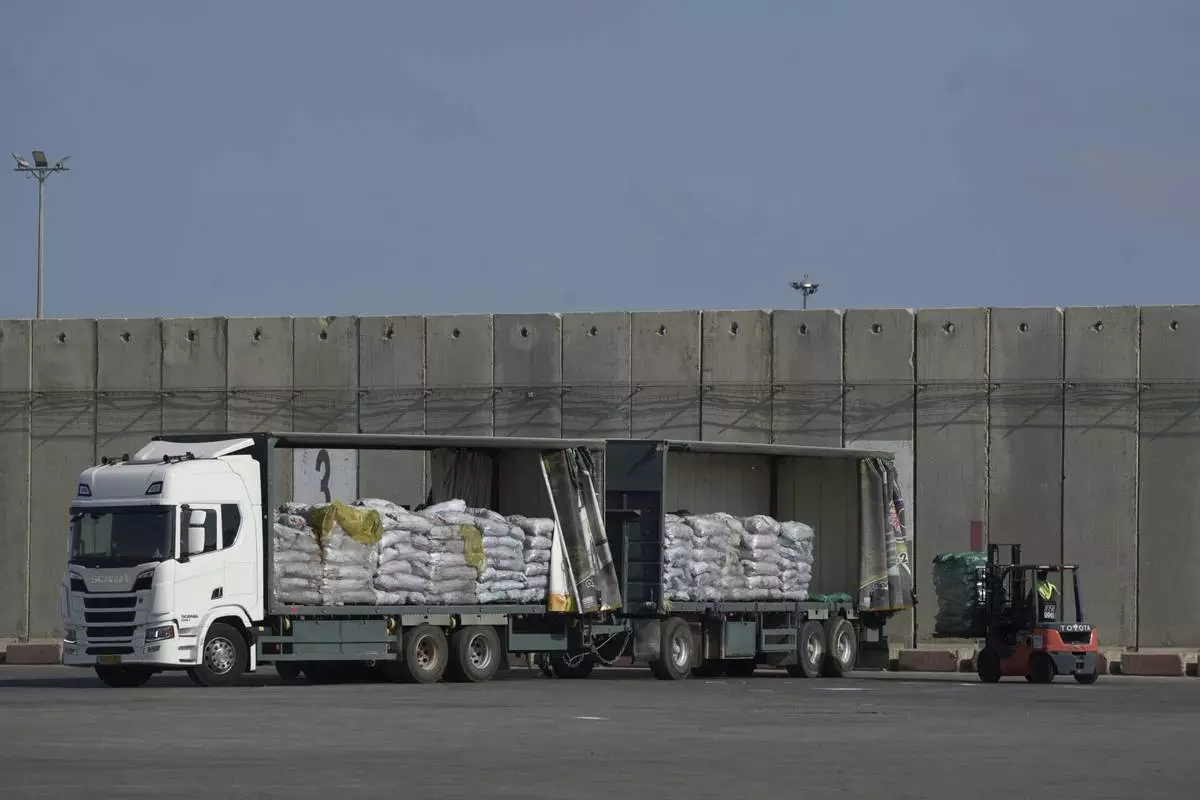
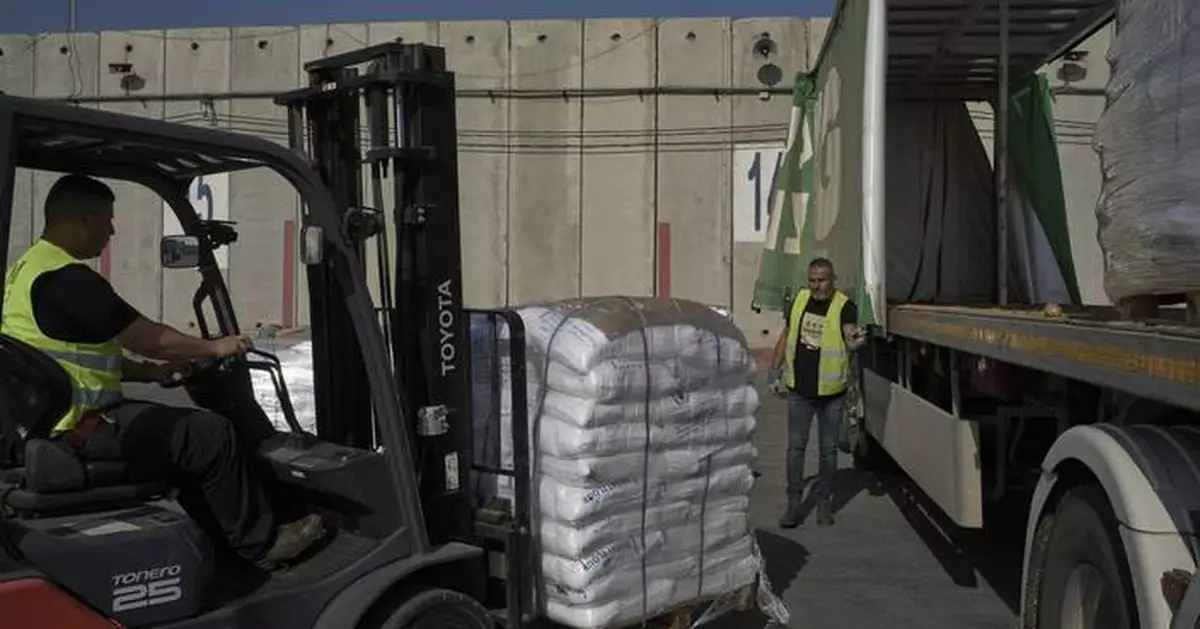
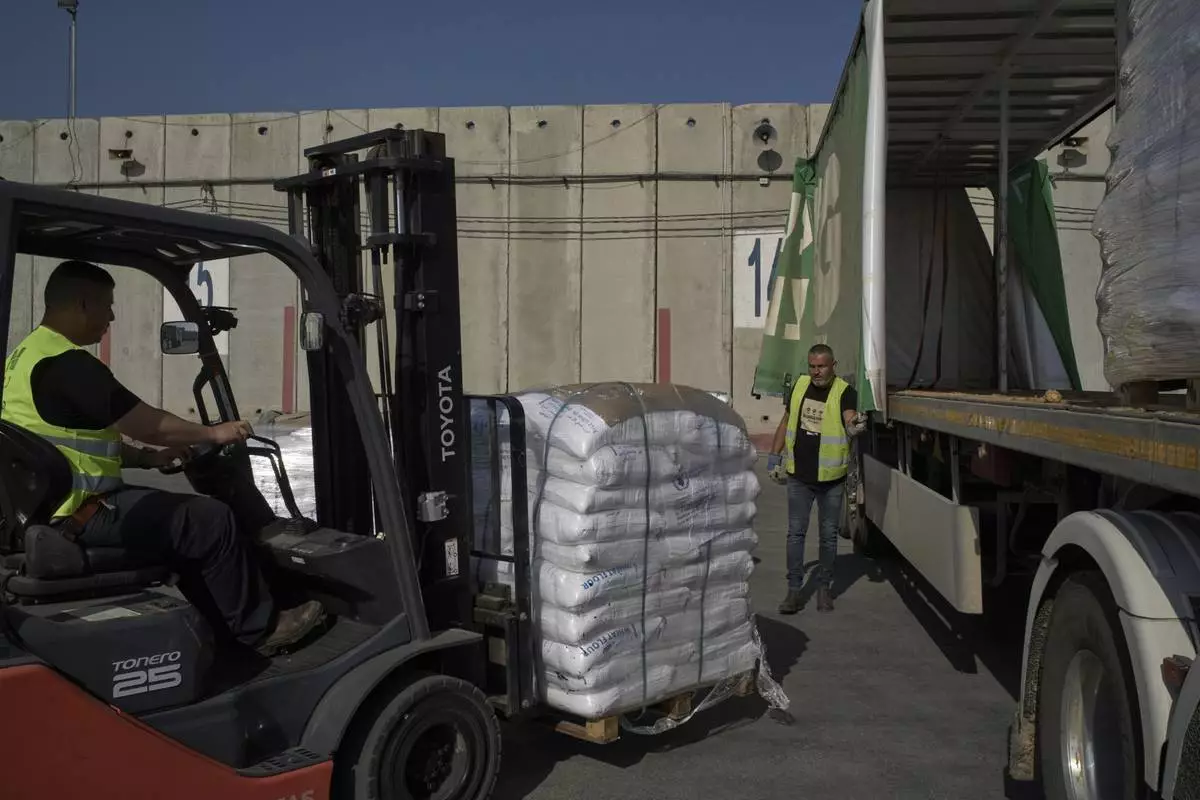
A worker unloads cargo from a truck carrying humanitarian aid for the Gaza Strip at the offload area of the Kerem Shalom border crossing between Israel and Gaza, southern Israel, Thursday, May 22, 2025. (AP Photo/Leo Correa)
A worker unloads cargo from a truck carrying humanitarian aid for the Gaza Strip at the offload area of the Kerem Shalom border crossing between Israel and Gaza, southern Israel, Thursday, May 22, 2025. (AP Photo/Leo Correa)

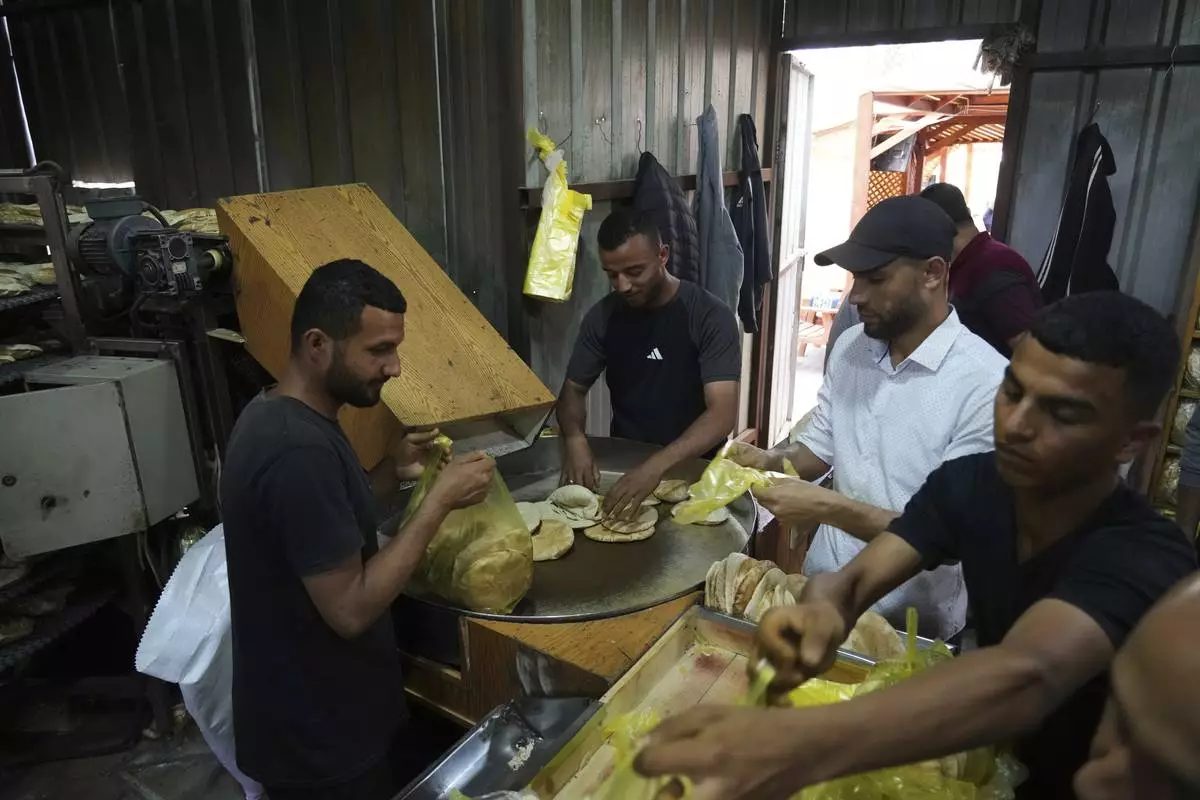
Palestinians bake bread after the World Food Program was able to bring in flour for the first time in over a month as Israel allowed some aid to enter the Gaza Strip, in Deir al-Balah, Gaza Strip, Thursday, May 22, 2025. (AP Photo/Abdel Kareem Hana)
Palestinians bake bread after the World Food Program was able to bring in flour for the first time in over a month as Israel allowed some aid to enter the Gaza Strip, in Deir al-Balah, Gaza Strip, Thursday, May 22, 2025. (AP Photo/Abdel Kareem Hana)

Workers unload cargo from a truck carrying humanitarian aid for the Gaza Strip at the offload area of the Kerem Shalom border crossing between Israel and Gaza, southern Israel, Thursday, May 22, 2025. (AP Photo/Leo Correa)
Workers unload cargo from a truck carrying humanitarian aid for the Gaza Strip at the offload area of the Kerem Shalom border crossing between Israel and Gaza, southern Israel, Thursday, May 22, 2025. (AP Photo/Leo Correa)
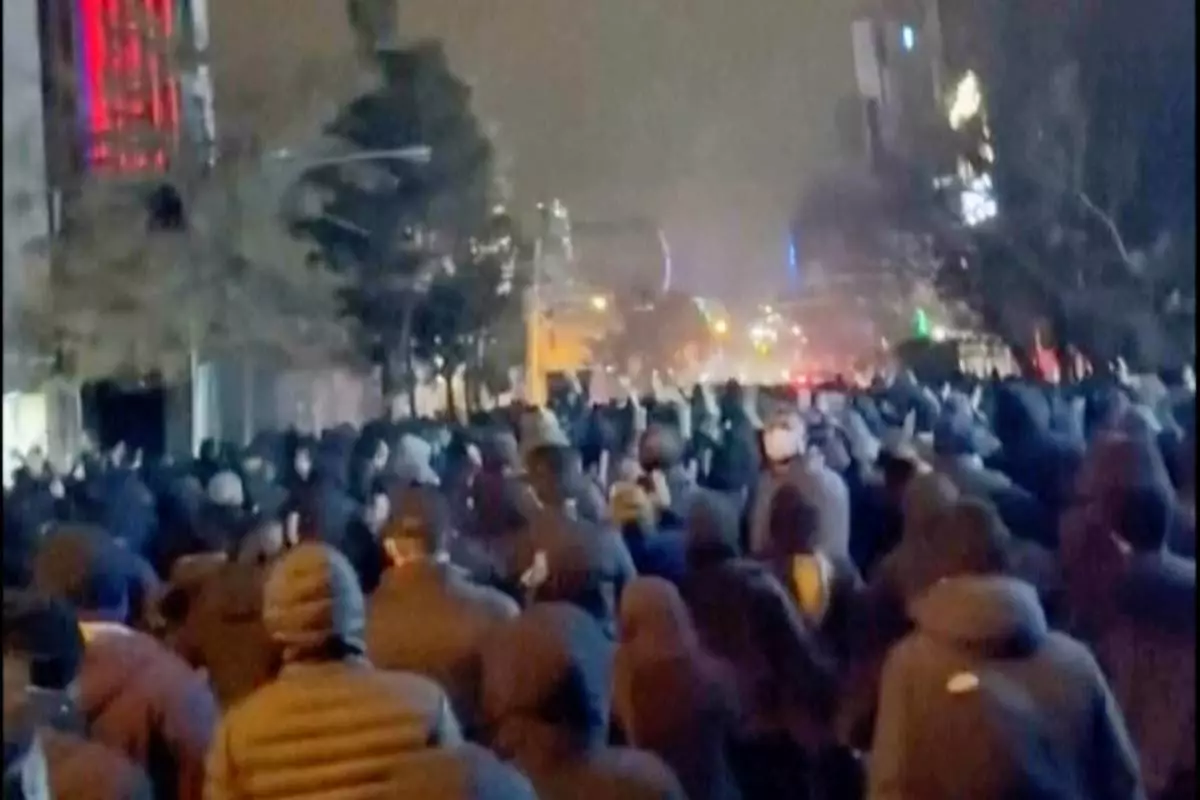
DUBAI, United Arab Emirates (AP) — U.S. President Donald Trump said Iran wants to negotiate with Washington after his threat to strike the Islamic Republic over its bloody crackdown on protesters, a move coming as activists said Monday the death toll in the nationwide demonstrations rose to at least 544.

Iran had no immediate reaction to the news, which came after the foreign minister of Oman — long an interlocutor between Washington and Tehran — traveled to Iran this weekend. It also remains unclear just what Iran could promise, particularly as Trump has set strict demands over its nuclear program and its ballistic missile arsenal, which Tehran insists is crucial for its national defense.

Meanwhile Monday, Iran called for pro-government demonstrators to head to the streets in support of the theocracy, a show of force after days of protests directly challenging the rule of 86-year-old Supreme Leader Ayatollah Ali Khamenei. Iranian state television aired chants from the crowd, who shouted “Death to America!” and “Death to Israel!”

Trump and his national security team have been weighing a range of potential responses against Iran including cyberattacks and direct strikes by the U.S. or Israel, according to two people familiar with internal White House discussions who were not authorized to comment publicly and spoke on condition of anonymity.

“The military is looking at it, and we’re looking at some very strong options,” Trump told reporters on Air Force One on Sunday night. Asked about Iran’s threats of retaliation, he said: “If they do that, we will hit them at levels that they’ve never been hit before.”

Trump said that his administration was in talks to set up a meeting with Tehran, but cautioned that he may have to act first as reports of the death toll in Iran mount and the government continues to arrest protesters.

“I think they’re tired of being beat up by the United States,” Trump said. “Iran wants to negotiate.”

He added: “The meeting is being set up, but we may have to act because of what’s happening before the meeting. But a meeting is being set up. Iran called, they want to negotiate.”

Iran through country's parliamentary speaker warned Sunday that the U.S. military and Israel would be “legitimate targets” if America uses force to protect demonstrators.

More than 10,600 people also have been detained over the two weeks of protests, said the U.S.-based Human Rights Activists News Agency, which has been accurate in previous unrest in recent years and gave the death toll. It relies on supporters in Iran crosschecking information. It said 496 of the dead were protesters and 48 were with security forces.

With the internet down in Iran and phone lines cut off, gauging the demonstrations from abroad has grown more difficult. The Associated Press has been unable to independently assess the toll. Iran’s government has not offered overall casualty figures.

Those abroad fear the information blackout is emboldening hard-liners within Iran’s security services to launch a bloody crackdown. Protesters flooded the streets in the country’s capital and its second-largest city on Saturday night into Sunday morning. Online videos purported to show more demonstrations Sunday night into Monday, with a Tehran official acknowledging them in state media.

In Tehran, a witness told the AP that the streets of the capital empty at the sunset call to prayers each night. By the Isha, or nighttime prayer, the streets are deserted.

Part of that stems from the fear of getting caught in the crackdown. Police sent the public a text message that warned: “Given the presence of terrorist groups and armed individuals in some gatherings last night and their plans to cause death, and the firm decision to not tolerate any appeasement and to deal decisively with the rioters, families are strongly advised to take care of their youth and teenagers.”

Another text, which claimed to come from the intelligence arm of the paramilitary Revolutionary Guard, also directly warned people not to take part in demonstrations.

“Dear parents, in view of the enemy’s plan to increase the level of naked violence and the decision to kill people, ... refrain from being on the streets and gathering in places involved in violence, and inform your children about the consequences of cooperating with terrorist mercenaries, which is an example of treason against the country,” the text warned.

The witness spoke to the AP on condition of anonymity due to the ongoing crackdown.

The demonstrations began Dec. 28 over the collapse of the Iranian rial currency, which trades at over 1.4 million to $1, as the country’s economy is squeezed by international sanctions in part levied over its nuclear program. The protests intensified and grew into calls directly challenging Iran’s theocracy.

Nikhinson reported from aboard Air Force One.

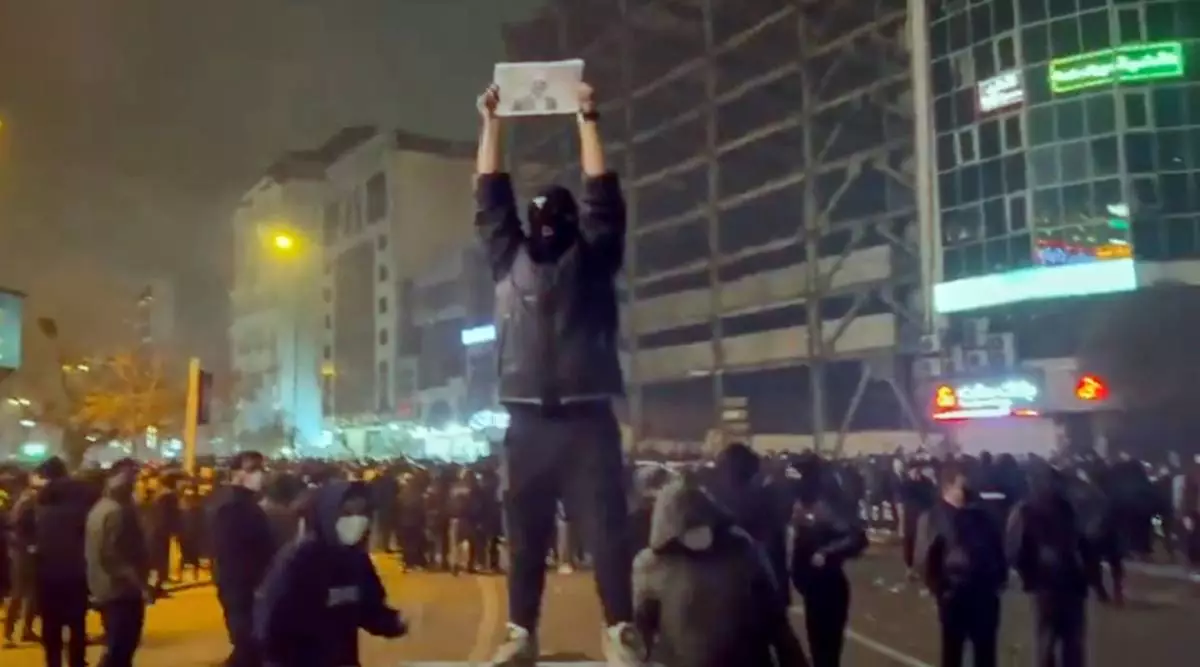
In this frame grab from video obtained by the AP outside Iran, a masked demonstrator holds a picture of Iran's Crown Prince Reza Pahlavi during a protest in Tehran, Iran, Friday, January. 9, 2026. (UGC via AP)

In this frame grab from video obtained by the AP outside Iran, a masked demonstrator holds a picture of Iran's Crown Prince Reza Pahlavi during a protest in Tehran, Iran, Friday, January. 9, 2026. (UGC via AP)

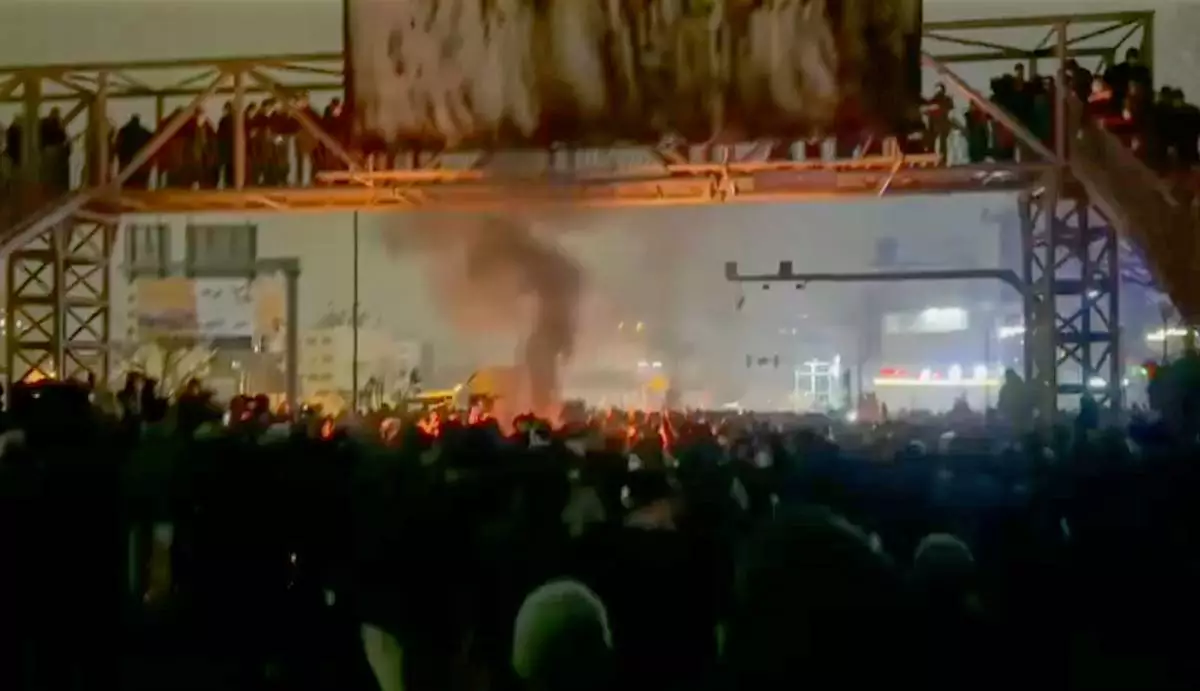
In this frame grab from footage circulating on social media from Iran shows protesters taking to the streets despite an intensifying crackdown as the Islamic Republic remains cut off from the rest of the world in Tehran, Iran, Friday, Jan. 9, 2026.(UGC via AP)

In this frame grab from footage circulating on social media from Iran shows protesters taking to the streets despite an intensifying crackdown as the Islamic Republic remains cut off from the rest of the world in Tehran, Iran, Friday, Jan. 9, 2026.(UGC via AP)

In this frame grab from footage circulating on social media from Iran showed protesters once again taking to the streets of Tehran despite an intensifying crackdown as the Islamic Republic remains cut off from the rest of the world in Tehran, Iran, Saturday Jan. 10, 2026. (UGC via AP)

In this frame grab from footage circulating on social media from Iran showed protesters once again taking to the streets of Tehran despite an intensifying crackdown as the Islamic Republic remains cut off from the rest of the world in Tehran, Iran, Saturday Jan. 10, 2026. (UGC via AP)

Recommended Articles