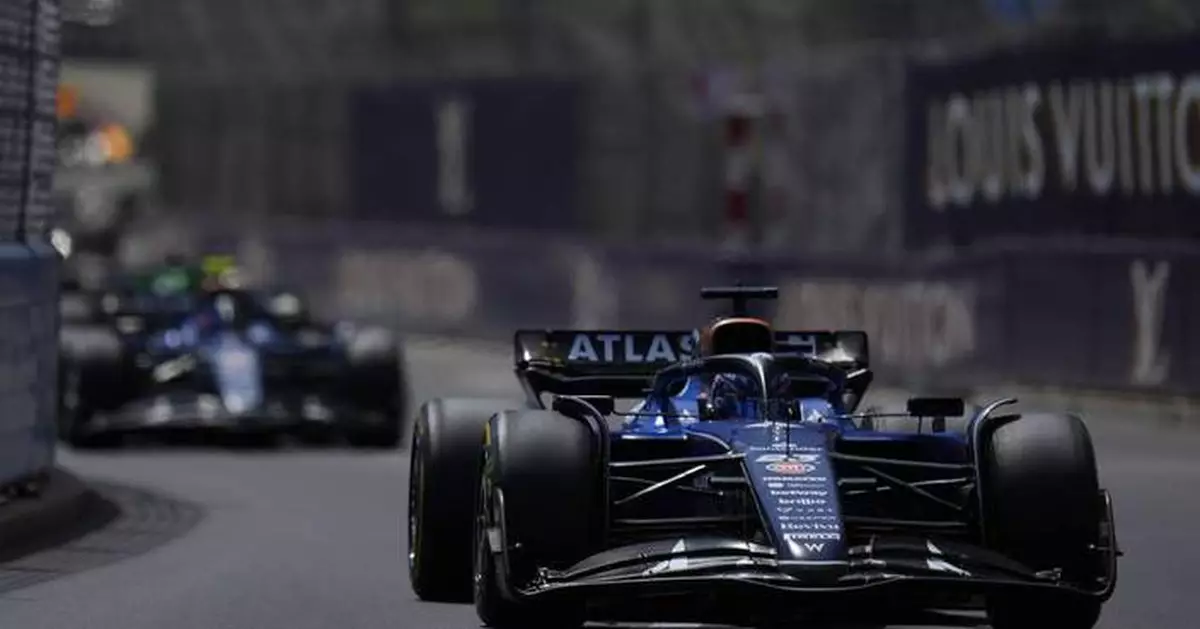
Going slow was one way to secure points at the Monaco Grand Prix on Sunday as Formula 1's much-hyped attempt to shake up the prestigious race brought little drama.
Overtaking is near-impossible on Monaco's narrow streets. To make the race more of a strategy contest, F1's governing body, the FIA, required two tire changes in the hope that smartly timed pit stops would create drama.
Last year's winner Charles Leclerc had predicted “chaos” but instead it was a frustrating race for many drivers as some drove extra slowly to create a gap for a teammate in front to pit without losing positions. Mercedes driver George Russell argued the go-slow led to dangerous situations.
Winner Lando Norris was scathing about the rule change, something he saw as an attempt to create “manufactured racing.”
Norris spent much of the race behind Max Verstappen, who delayed his second stop, hoping for a red-flag stoppage. That would have allowed a free tire change, and maybe given Verstappen the win.
“There’s not been any more overtaking here. I thought that was what was wanted,” Norris said. “Now you just give people opportunity by luck, by waiting for a red flag, waiting for a safety car. You aren’t getting a more deserved winner in the end of things.”
Mercedes driver George Russell spent much of his race stuck behind slow cars. Tensions boiled over when he accused Williams' Alex Albon of “driving dangerously slow” and “slamming on the brakes” in a terse radio message from Russell to his team.
Russell overtook Albon by cutting a chicane, adding he'd rather “take the penalty” than wait any longer. The stewards had predicted drivers might try that and Russell landed a longer-than-usual penalty which dropped him back behind Albon. Russell finished 11th, his worst result this year.
Williams wasn't the first team to drop the pace. Its drivers were reacting to an earlier go-slow from Racing Bulls. Liam Lawson held up cars and secured space for his teammate Isack Hadjar to make two stops before many other drivers had made one.
In the end, though, none of the more unusual strategies made much difference.
Verstappen made his long-delayed second stop and placed fourth, exactly where he'd started. Racing Bulls had little to show for its efforts as Hadjar started fifth but finished sixth. Both Williams drivers stayed in the points after each moved up a spot to ninth and 10th, but that gain was only because Fernando Alonso's Aston Martin broke down.
AP auto racing: https://apnews.com/hub/auto-racing
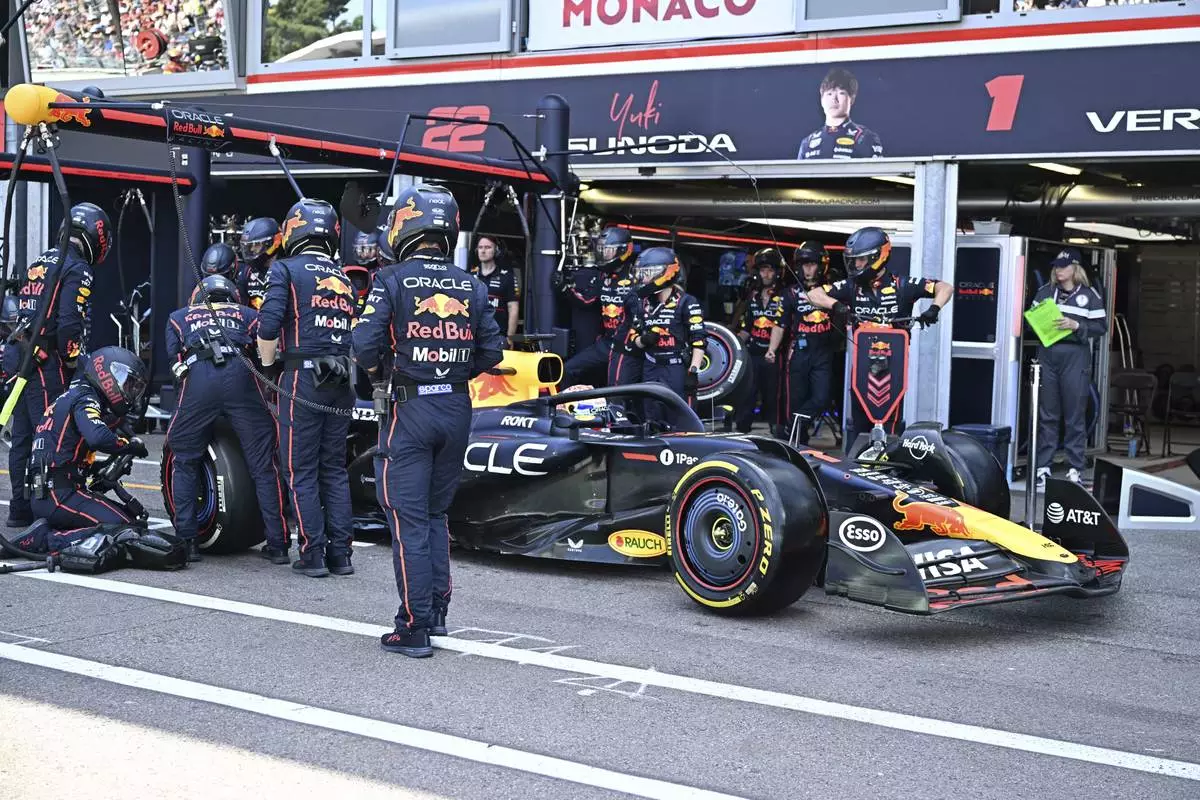
Red Bull driver Max Verstappen of the Netherlands gets a pit service during the Formula One Monaco Grand Prix race at the Monaco racetrack in Monaco, Sunday, May 25, 2025. (Gabriel Bouys/Pool Photo via AP)
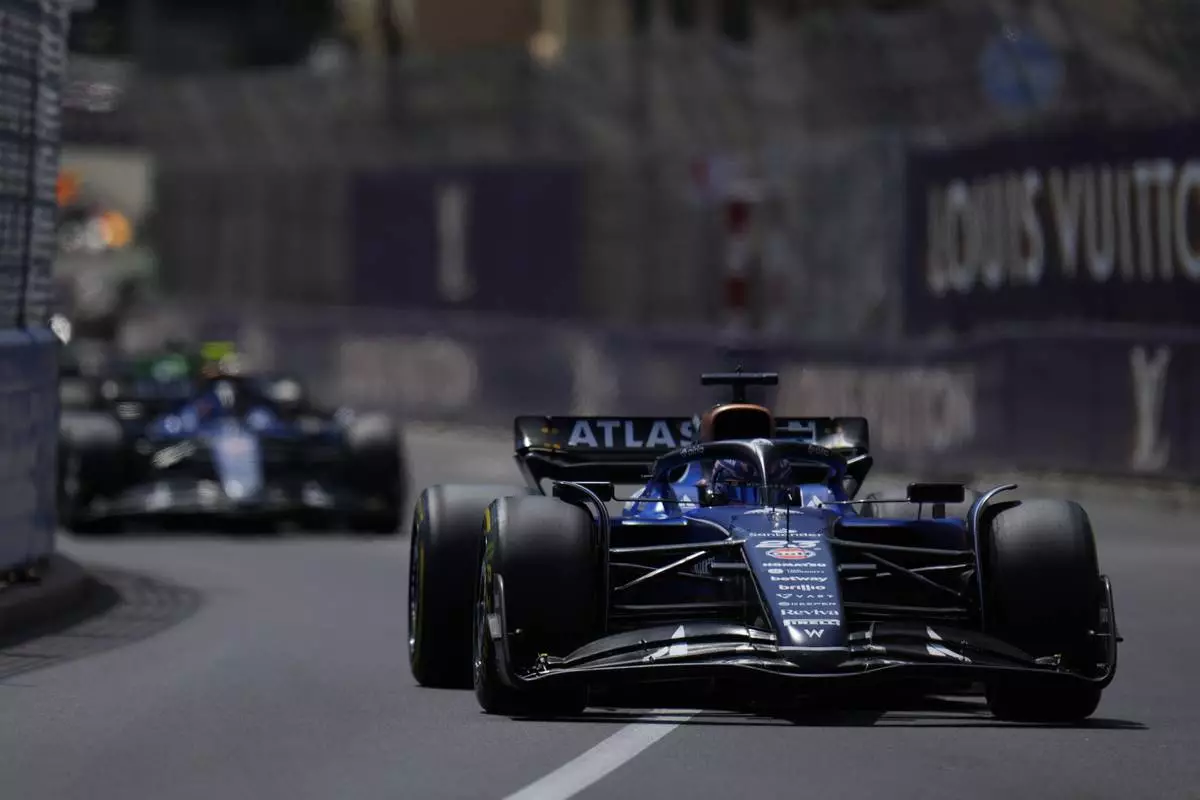
Williams driver Alexander Albon of Thailand steers his car during the Formula One Monaco Grand Prix race at the Monaco racetrack in Monaco, Sunday, May 25, 2025. (AP Photo/Manu Fernandez)
WASHINGTON (AP) — Alabama on Wednesday asked the Supreme Court to allow it to use a congressional map favoring Republicans in this year's elections, despite a lower court's ruling that the redistricting plan intentionally discriminates against Black people.
The state's Republican leadership filed an emergency appeal with the justices a day after a three-judge court refused to let the state use a map it adopted three years ago that has a majority Black population in just one of its seven congressional districts.
The judges instead required Alabama to continue using a court-ordered map that was put in place for the 2024 elections that includes two districts where Black residents comprise a majority or close to it.
Attorney General Steve Marshall told the court that the state did not intentionally discriminate against Black residents and should be allowed to hold elections this year under a map chosen by lawmakers, not judges.
The appeal is the latest development in the fallout from last month's Supreme Court ruling that struck down a Black-majority district in Louisiana and weakened the federal Voting Rights Act. That ruling has led Republicans in several Southern states, including Alabama, to take steps to reshape voting districts with large minority populations that have elected Democrats.
The redistricting frenzy is part of a broader push by President Donald Trump to try to hold on to Republicans’ slim House majority in the November elections.
The Alabama cases stretches back several years. The three-judge panel in 2023 ruled that a map drawn by Republican state lawmakers intentionally diluted the voting power of Black citizens. The court said the state, which is about 27% Black, should have two districts where Black voters are the majority or close to it. The court-selected map was used in 2024.
After the Supreme Court’s recent ruling in the Louisiana case, Alabama officials moved to implement the 2023 state-drawn map. The Supreme Court’s conservative majority agreed to lift the injunction that had blocked the map’s use and sent the case back to the three-judge panel for reconsideration in light of the Louisiana ruling.
In the meantime, voters cast ballots in Alabama’s May 19 primaries, and Republican Gov. Kay Ivey set new special primaries for Aug. 11 in four congressional districts affected by the map switch.
Upon further review, the judicial panel said it was standing behind its initial finding that there was “undisputed evidence” of intentional racial discrimination, a holding that was independent of and unaffected by the Supreme Court ruling on the Voting Rights Act.
It said the special congressional primaries should instead proceed under the previous court-approved districts.
The use of the court-ordered map led to the 2024 election of U.S. Rep. Shomari Figures, a Black Democrat. State Republicans are seeking to use a map that would give the GOP an opportunity to reclaim the south Alabama seat.
This story has been corrected to show the Alabama primaries were May 19, not May 11.
Associated Press writer Kim Chandler contributed to this report from Montgomery, Ala.
Follow the AP’s coverage of the U.S. Supreme Court at https://apnews.com/hub/us-supreme-court.
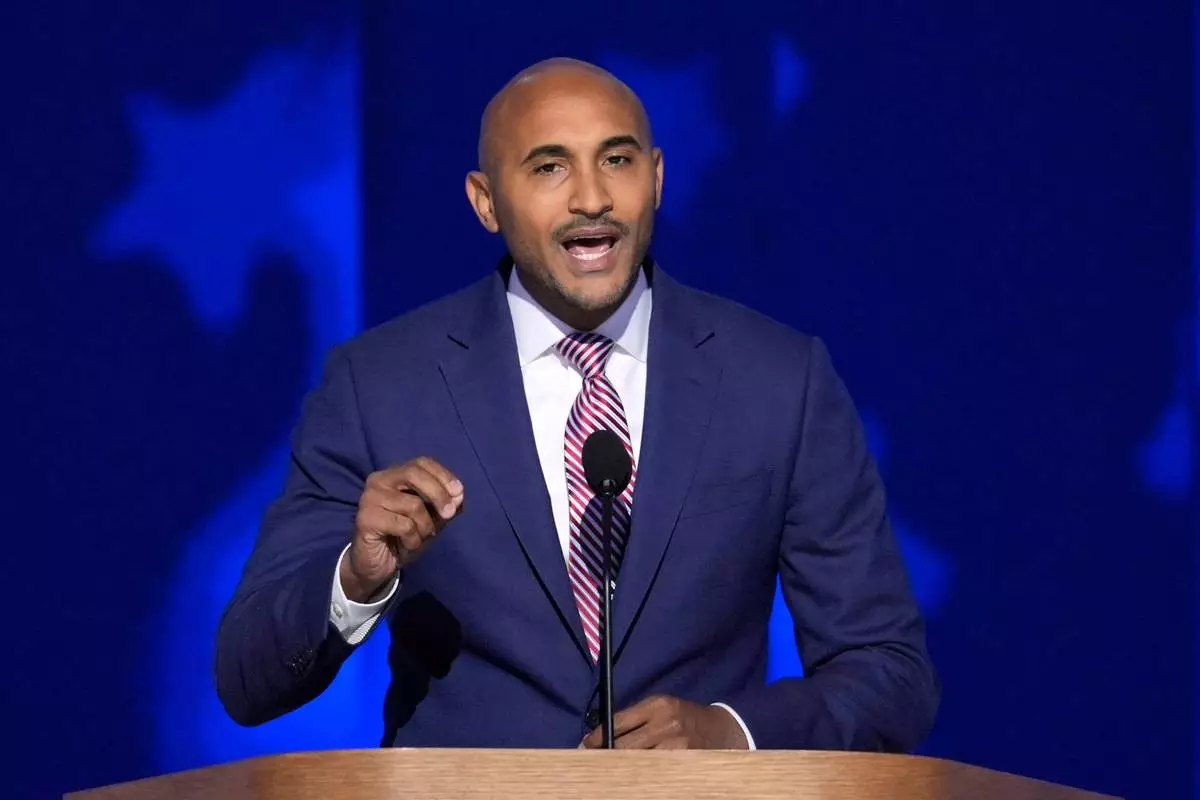
FILE - Shomari Figures, who is running for Alabama's 2nd Congressional District, speaks during the Democratic National Convention, Aug. 22, 2024, in Chicago. (AP Photo/J. Scott Applewhite, File)
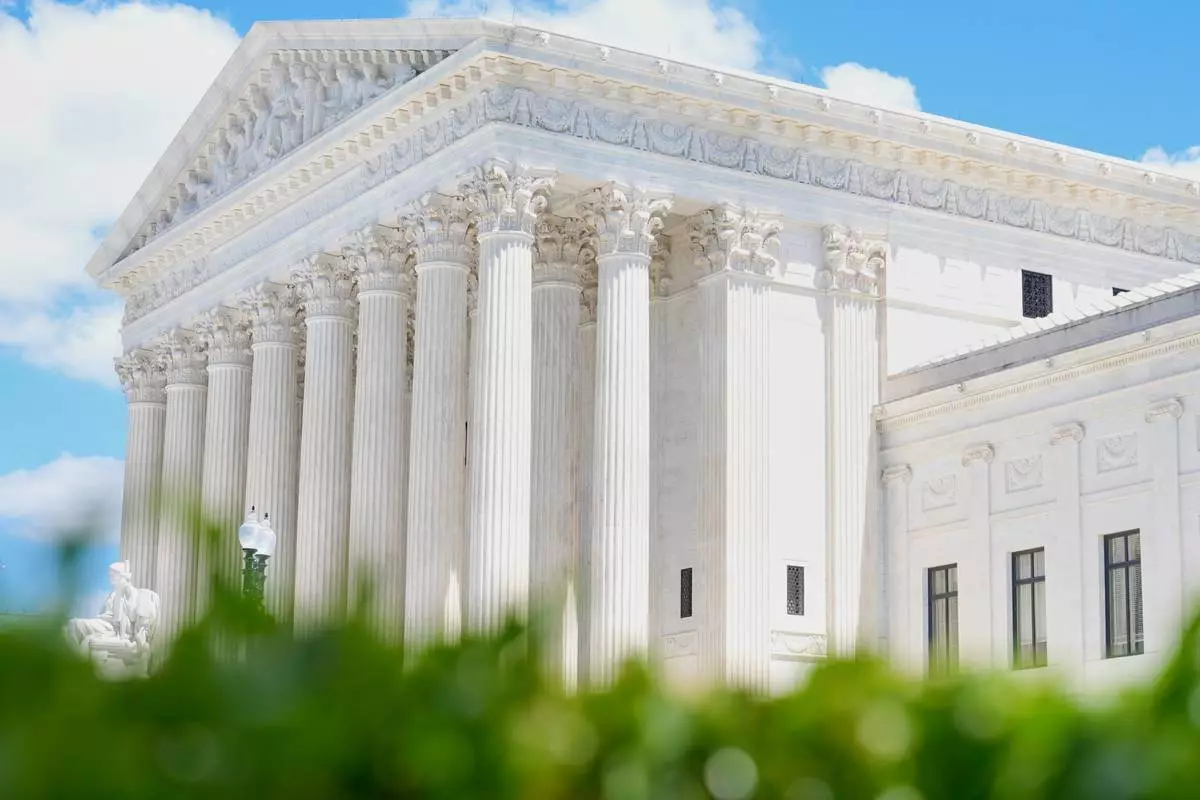
A statue titled the "Authority of Law" sits in front of the Supreme Court on Friday, May 15, 2026, in Washington. (AP Photo/Mariam Zuhaib)
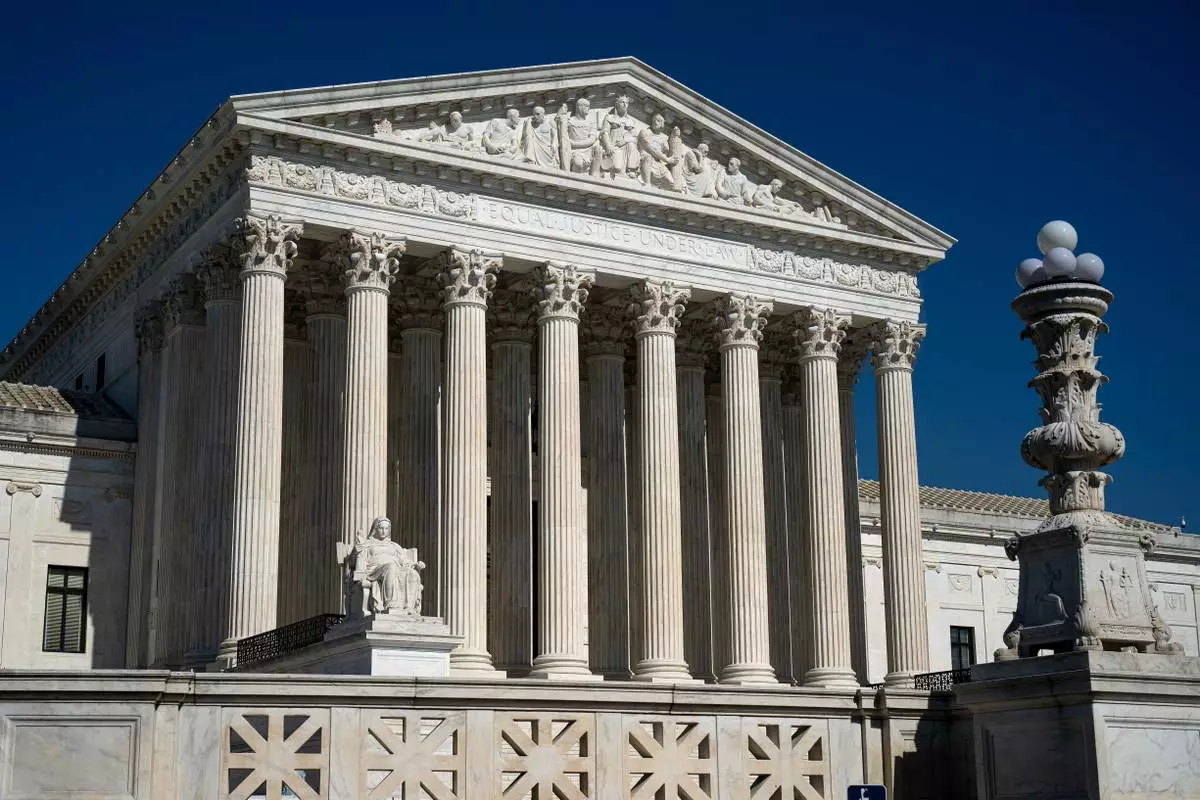
The Supreme Court is seen in Washington, Monday, May 18, 2026. (AP Photo/J. Scott Applewhite)