Speech by Secretary for Health at Plenary Session: Shaping a More Equitable and Sustainable Health System of Asia Summit on Global Health
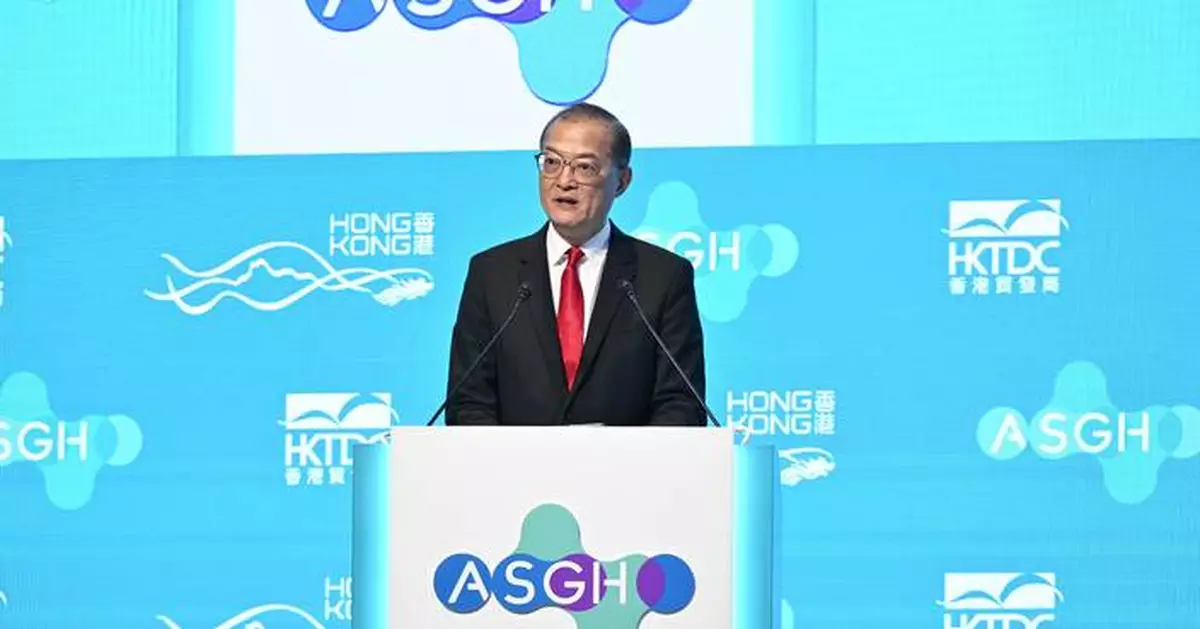
Following is the speech by the Secretary for Health, Professor Lo Chung-mau, at the Plenary Session: Shaping a More Equitable and Sustainable Health System of the Asia Summit on Global Health today (May 26):
Click to Gallery
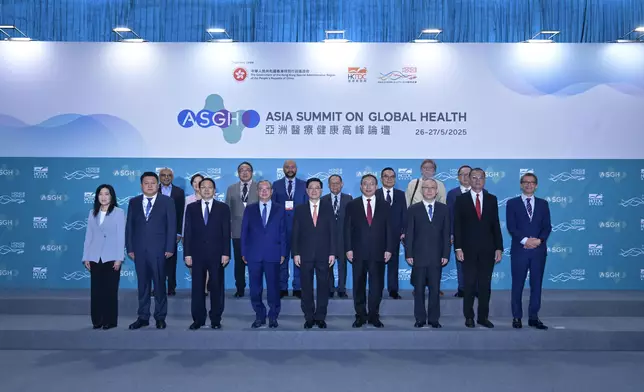
Speech by Secretary for Health at Plenary Session: Shaping a More Equitable and Sustainable Health System of Asia Summit on Global Health Source: HKSAR Government Press Releases
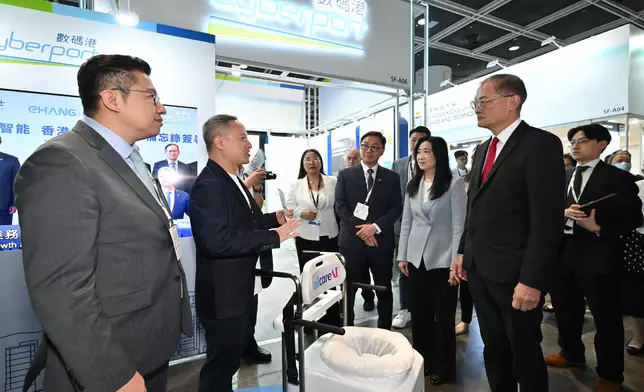
Speech by Secretary for Health at Plenary Session: Shaping a More Equitable and Sustainable Health System of Asia Summit on Global Health Source: HKSAR Government Press Releases
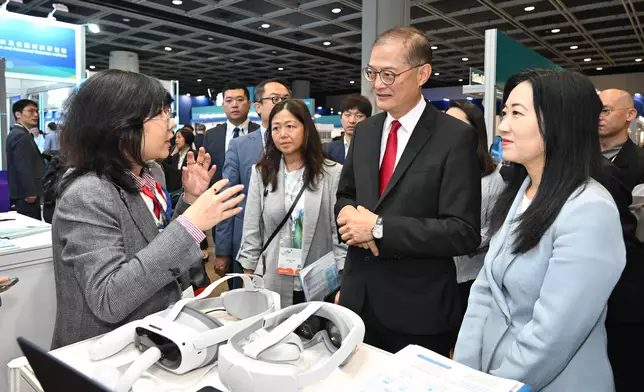
Speech by Secretary for Health at Plenary Session: Shaping a More Equitable and Sustainable Health System of Asia Summit on Global Health Source: HKSAR Government Press Releases
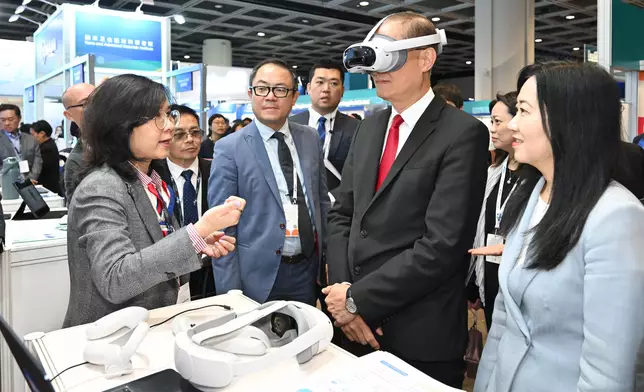
Speech by Secretary for Health at Plenary Session: Shaping a More Equitable and Sustainable Health System of Asia Summit on Global Health Source: HKSAR Government Press Releases
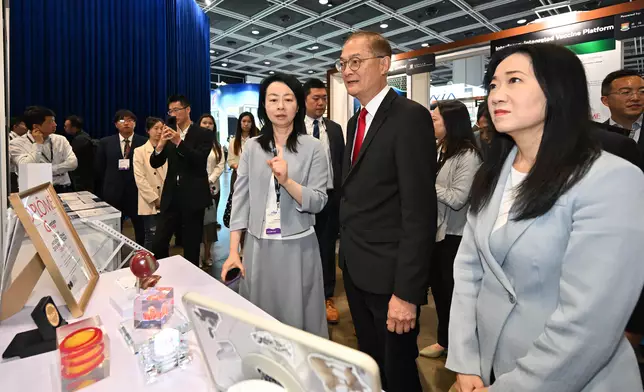
Speech by Secretary for Health at Plenary Session: Shaping a More Equitable and Sustainable Health System of Asia Summit on Global Health Source: HKSAR Government Press Releases
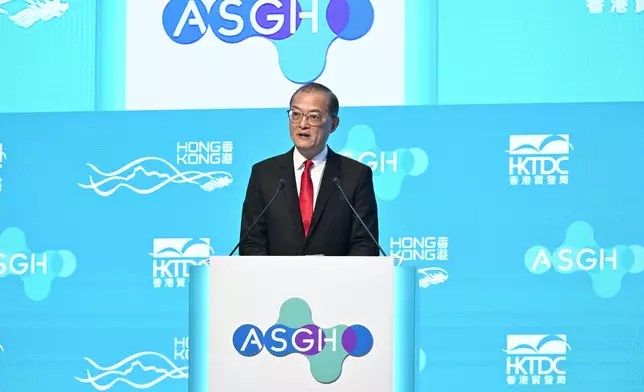
Speech by Secretary for Health at Plenary Session: Shaping a More Equitable and Sustainable Health System of Asia Summit on Global Health Source: HKSAR Government Press Releases
Distinguished guests, healthcare leaders, ladies and gentlemen,
Hong Kong takes pride in the quality and efficiency of its health system. We rank the top globally in many health indexes and we have the best longevity in the world with a life expectancy of over 83 for man and over 88 for woman. Our public healthcare system serves as a safety net for all, providing universal health coverage with an overall subsidy rate of over 97 per cent, to ensure that no one is denied adequate medical treatment due to lack of means. Yet with an aging population, advancement in technology as well as medical inflation, we must deepen reform and embrace innovation to reinforce the quality, efficiency as well as sustainability of our healthcare system.
Hong Kong's unique position as Asia's world city with the institutional advantage of "one country, two systems" gives us unparalleled advantages in healthcare innovation. Our strategic position is reinforced by national policies including the 14th Five-Year Plan, which designates Hong Kong as an international innovation and technology hub, and the Resolution on Further Deepening Reform Comprehensively to Advance Chinese Modernization adopted by the Third Plenary Session of the 20th Communist Party of China Central Committee, emphasising healthcare reform and medical innovation.
As the Chinese Proverb says: "When the winds of change blow, some build walls while others build windmills". While geopolitical tensions strain international co-operation, Hong Kong is building bridges between the East and the West, between tradition and innovation, between laboratory and bed-side and between the rich and the poor. In the next few minutes, I will use four examples in our healthcare policies to show you how.
1. Traditional Chinese Medicine (TCM)
Hong Kong is a place where East meets West. We have a dual tract healthcare system not only between the private and the public, but also between TCM and western medicine. These two not just meet and coexist in our community, but also collaborate and complement each other. With only 16 500 registered western doctors in Hong Kong or only 2.2 per thousand population, our healthcare system is complemented by nearly 11 000 registered TCM doctors, the majority serving our primary health in the community.
TCM is an integral part of our health system. We have government subsidised TCM clinic in all 18 districts in Hong Kong and our Elderly Health Care Voucher subsidises TCM service as well. In public hospitals, we provide integrated Chinese-Western medicine service focusing on cancer care, respiratory diseases, stroke rehabilitation, chronic musculoskeletal pain and osteoarthritis.
New initiatives with policy support include the upcoming Comprehensive TCM development blueprint to be released by the end of this year to lay out the strategy and action plan to further develop TCM. Most important of all, there will be two flagship projects to be commissioned end of this year: First, Hong Kong's first Chinese Medicine Hospital with 400 beds that will provide a Hong Kong model of pure TCM as well as integrated TCM-western medicine in-patient care. It will carry the mission to promote collaboration and integration not just between Chinese and Western medicine but across borders in the Greater Bay Area (GBA) and beyond. Second, our new Government TCM testing institute is committed to the testing for herbal medicine with a view to set internationally recognised reference standards and support the development of International Herbal Pharmacopoeia. Hong Kong is determined to serve as the bridgehead for TCM development and internationalisation.
2. Health and Medical Innovation
In the 2023 Policy Address, the Chief Executive of the Hong Kong Special Administrative Region outlined plans to develop Hong Kong into an international health and medical innovation hub.
To complement technological innovation with regulation innovation, we will establish the Hong Kong Centre for Medical Products Regulation to integrate regulation of drugs and medical devices, enhance innovation support, and implement smart regulatory approaches with a view to implementing "primary evaluation" for medical product registration.
Meanwhile, we have implemented the "1+" mechanism to expedite approvals for new drugs that are supported with local clinical data and approval from one reference drug regulatory authority. Under the national GBA policy 港澳藥械通 (Measure of using HK registered drugs and medical devices used in HK public hospitals in Guangdong-Hong Kong-Macao GBA) Special Measure which allows, up to now 45 designated healthcare institutions in GBA to import and use Hong Kong-registered drugs and medical devices, which are not yet registered in the Mainland, our new drug approval mechanism provides a unique green channel for innovative drugs and devices to enter the Greater Bay Area market.
Another major milestone was the inauguration of the Greater Bay Area International Clinical Trial Institute at the Hong Kong Park of the Hetao Shenzhen-Hong Kong Science and Technology Innovation Co-operation Zone in November last year. Launched in parallel with the GBA International Clinical Trials Center in the Shenzhen Park, this "one zone, two parks" model marks a new chapter in cross-boundary collaboration. Together with the Real-World Study and Application Centre, these one institute and one center will jointly establish a GBA Clinical Trial Collaboration Platform to leverage the GBA's population of over 86 million people to integrate clinical resources, data, and policy advantages, creating an efficient and internationally recognised clinical trial ecosystem.
These initiatives position Hong Kong as a gateway between China and the world in health innovation. By fostering a vibrant ecosystem for advance medical product development, we aim to ensure that safe, effective, and more importantly, affordable treatments are accessible to more people, locally and globally, driving quality and equity in healthcare.
3. Hospital Authority fees and charges reform
We initiate the fees and charges reform for public healthcare services with the objective to maintain a 90 per cent overall subsidisation rate in five years. While the Government's commitment to the public healthcare system will not be lessened, reforming the subsidisation structure of public healthcare for more targeted subsidy aims to guide the public to make optimal use of healthcare resources, reduce wastage and abuse, and enhance healthcare protection for the "poor, acute, serious, critical" patients in all fronts, first of all, by enhancing the fee waiver mechanism, second, introducing an annual cap on fees and charges, and third increasing subsidies on self-financed expensive drugs and medical devices for the critically ill, thereby preventing "patients with serious conditions falling into poverty". The reform will enhance the sustainability of our healthcare system and strengthen the safety net for all for even better universal health coverage.
4. Healthcare talents and the New Medical School
A sustainable health system requires talents and enough healthcare manpower. While the Government has been addressing the issue of manpower shortage through a multipronged strategy, by increasing the number of intakes for local universities and admitting qualified non-locally trained healthcare workers, the 2024 Policy Address announced that the Government supports the plan to establish a third medical school. Indeed, Hong Kong has already hosted two top 30 world class medical schools but we have the ability and the need to develop the third one which shall adopt an innovative strategic positioning in pursuit of complementary development with the two existing ones.
Yet amidst ambitions for innovation, research excellence as well as international ranking, we must remember that at the heart of medicine is not only technology but patients. Our fundamental goal is to train doctors who are not only safe and competent, but doctors who, in every decision and every moment, are fit to practice and place patients first.
The strategic location of the proposed school in the Northern Metropolis will further enhance our healthcare collaborative capacity within the Greater Bay Area. The third medical school is not only a cornerstone in our journey towards shaping a more equitable and sustainable health system in Hong Kong. It will also be a new powerhouse to bolster Hong Kong's position as an international hub for health and medical innovation as well as university education.
Closing
Ladies and gentlemen, as the world gets more fragmented from unilateralisation, Hong Kong's unique advantages makes us an important player in upholding multilateralisation to safeguard global health. Our role as a neutral hub for global health diplomacy has never been more crucial. We are not just participating in the future of global health. We are helping to shape it. We invite partners worldwide to join this future mission to build equitable and sustainable health system for all.
Thank you very much.
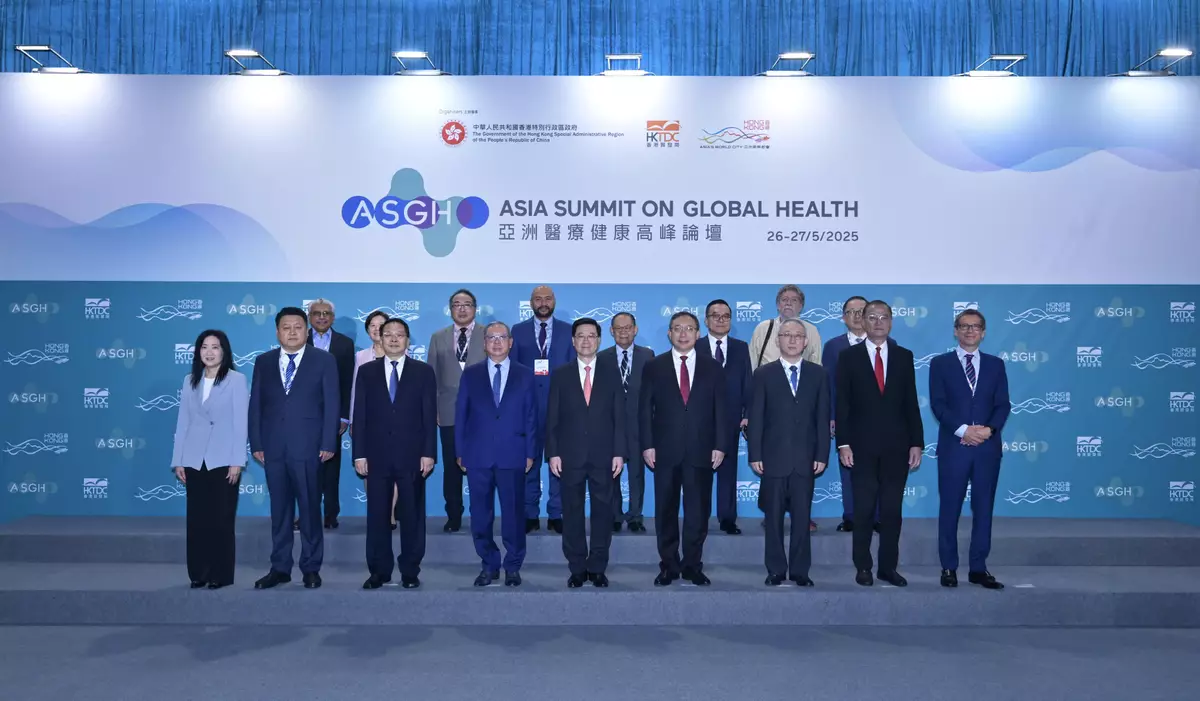
Speech by Secretary for Health at Plenary Session: Shaping a More Equitable and Sustainable Health System of Asia Summit on Global Health Source: HKSAR Government Press Releases
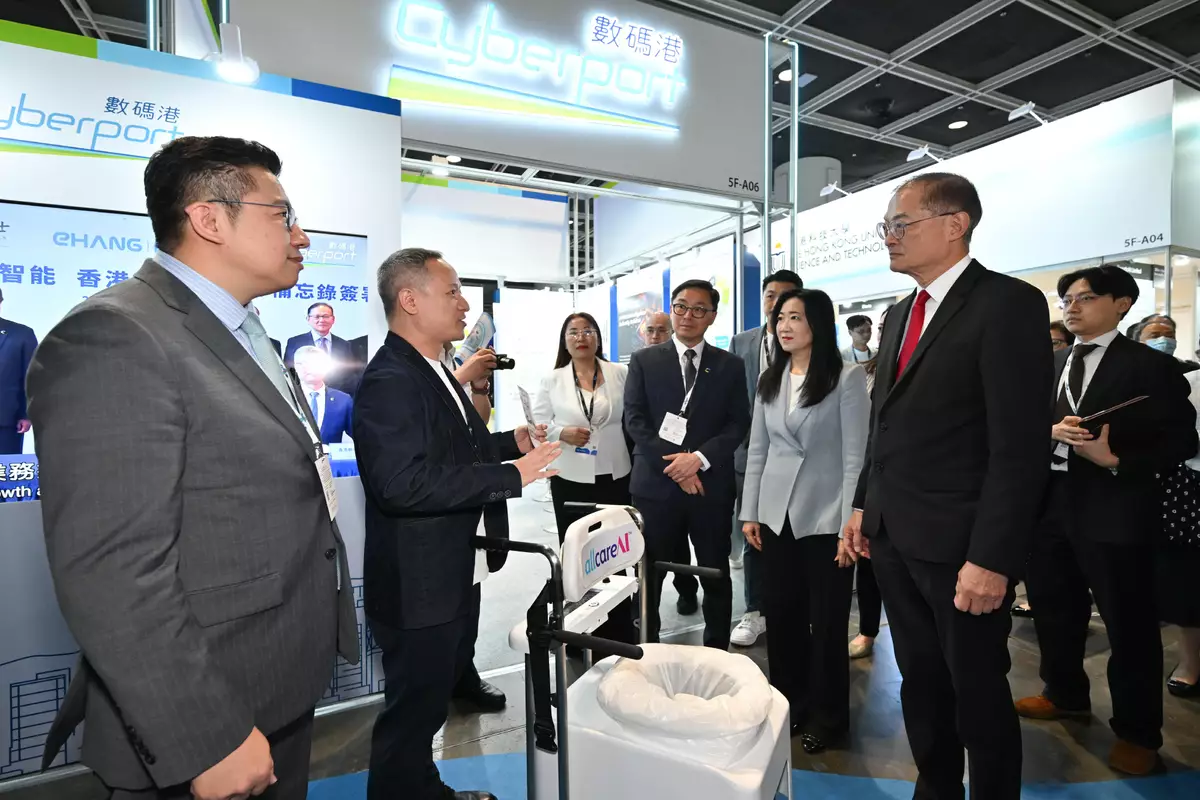
Speech by Secretary for Health at Plenary Session: Shaping a More Equitable and Sustainable Health System of Asia Summit on Global Health Source: HKSAR Government Press Releases
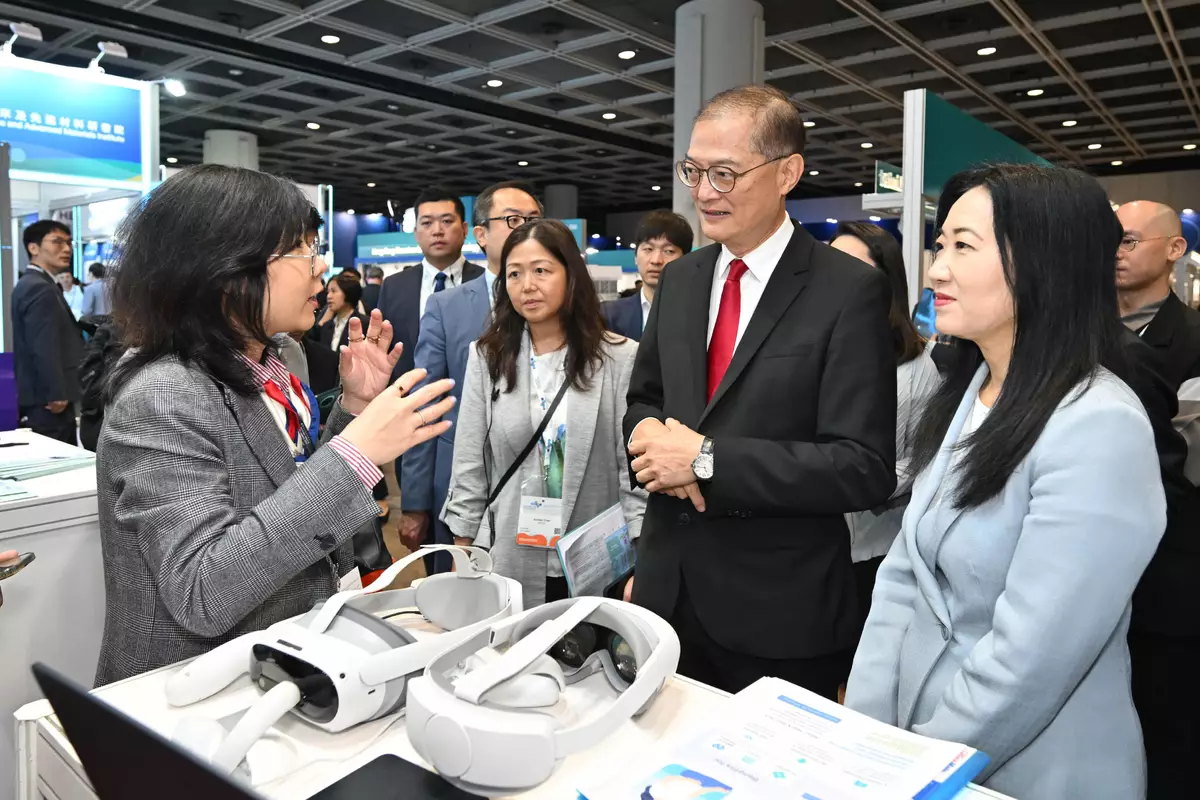
Speech by Secretary for Health at Plenary Session: Shaping a More Equitable and Sustainable Health System of Asia Summit on Global Health Source: HKSAR Government Press Releases

Speech by Secretary for Health at Plenary Session: Shaping a More Equitable and Sustainable Health System of Asia Summit on Global Health Source: HKSAR Government Press Releases
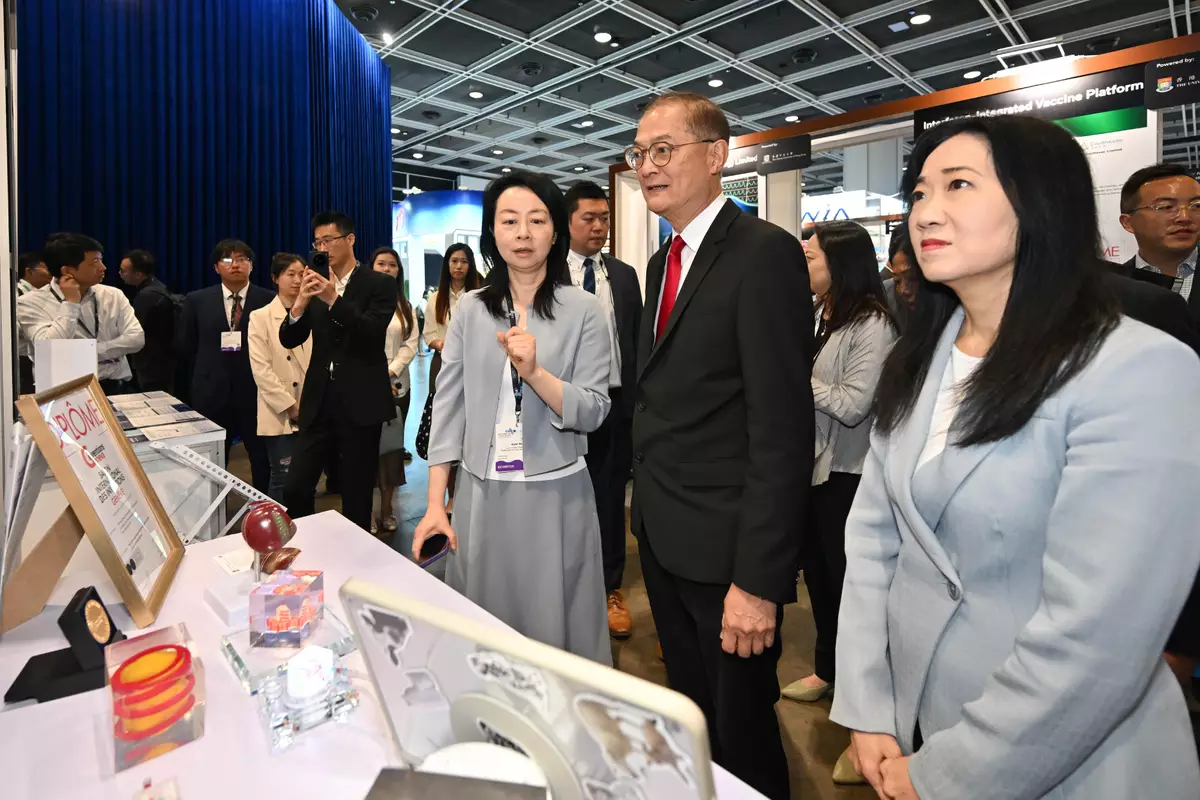
Speech by Secretary for Health at Plenary Session: Shaping a More Equitable and Sustainable Health System of Asia Summit on Global Health Source: HKSAR Government Press Releases
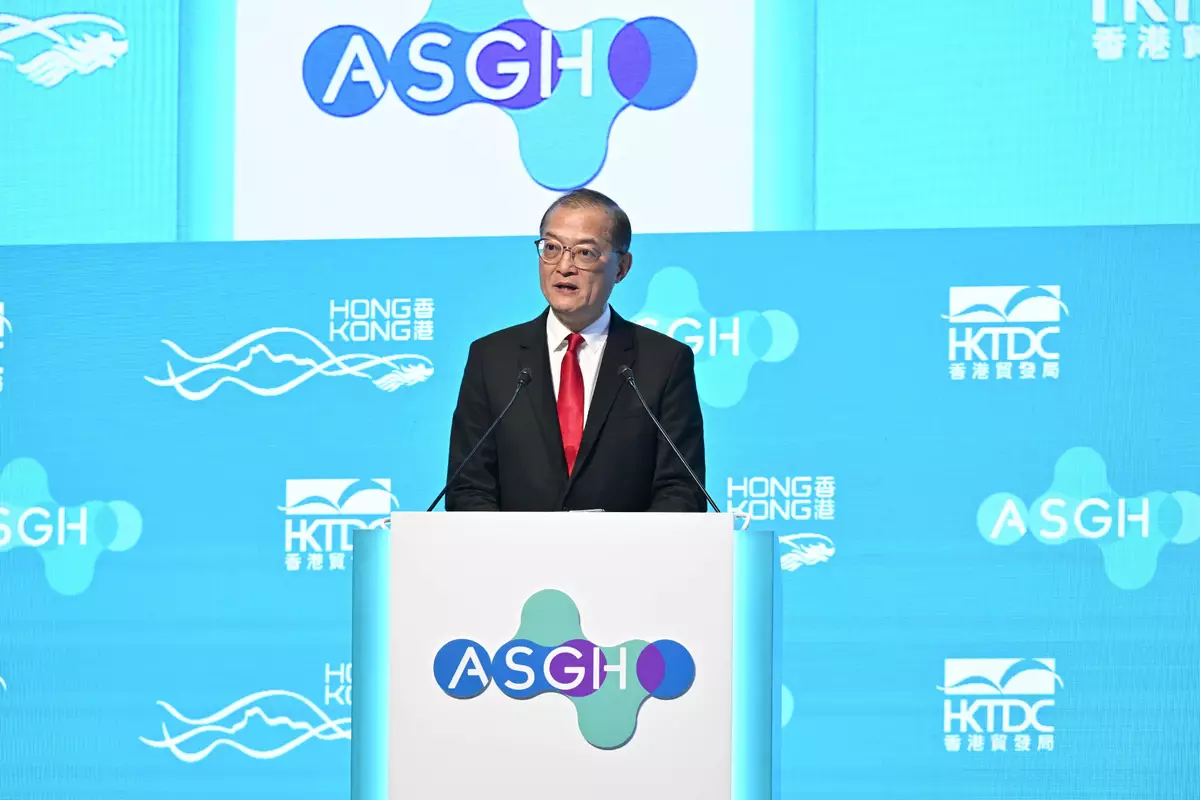
Speech by Secretary for Health at Plenary Session: Shaping a More Equitable and Sustainable Health System of Asia Summit on Global Health Source: HKSAR Government Press Releases