Skip to Content Facebook Feature Image

Philanthropy wants to build Gen Z's confidence in institutions. Will youth empowerment foster trust?

ENT

Philanthropy wants to build Gen Z's confidence in institutions. Will youth empowerment foster trust?
ENT

ENT

Philanthropy wants to build Gen Z's confidence in institutions. Will youth empowerment foster trust?

2025-05-28 23:06 Last Updated At:23:11

NEW YORK (AP) — Gen Z is disillusioned with major institutions and the philanthropic sector knows it.

The generation tends to lack faith in the political, economic and social structures expected by their predecessors to safeguard their futures. Born out of the idea that young people distrust institutions because they don’t feel served or included, civil society is launching numerous initiatives to reverse that trend by empowering Gen Z to make the systemic change they so often seek. The hope is that more responsive institutions will be seen as more legitimate ones.

More Images
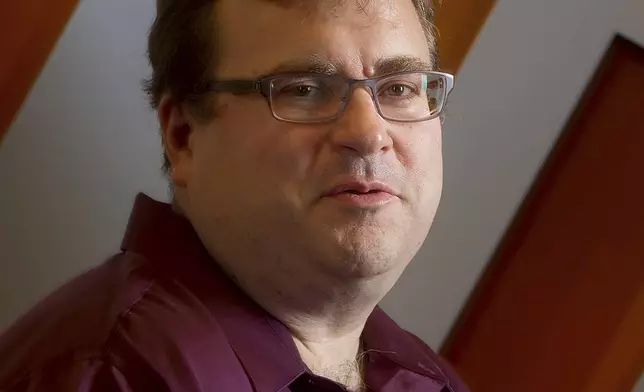
FILE - LinkedIn co-founder Reid Hoffman sits in the lobby of LinkedIn's Mountain View, Calif., headquarters on Tuesday, May 7, 2013. (AP Photo/Noah Berger, File)

FILE - LinkedIn co-founder Reid Hoffman sits in the lobby of LinkedIn's Mountain View, Calif., headquarters on Tuesday, May 7, 2013. (AP Photo/Noah Berger, File)

Summer Dean, 27, works inside a coffee shop, Friday, May 23, 2025, in New York. (AP Photo/Heather Khalifa)
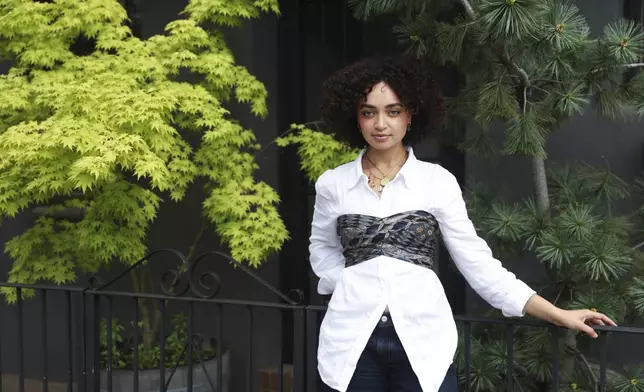
Summer Dean, 27, works inside a coffee shop, Friday, May 23, 2025, in New York. (AP Photo/Heather Khalifa)

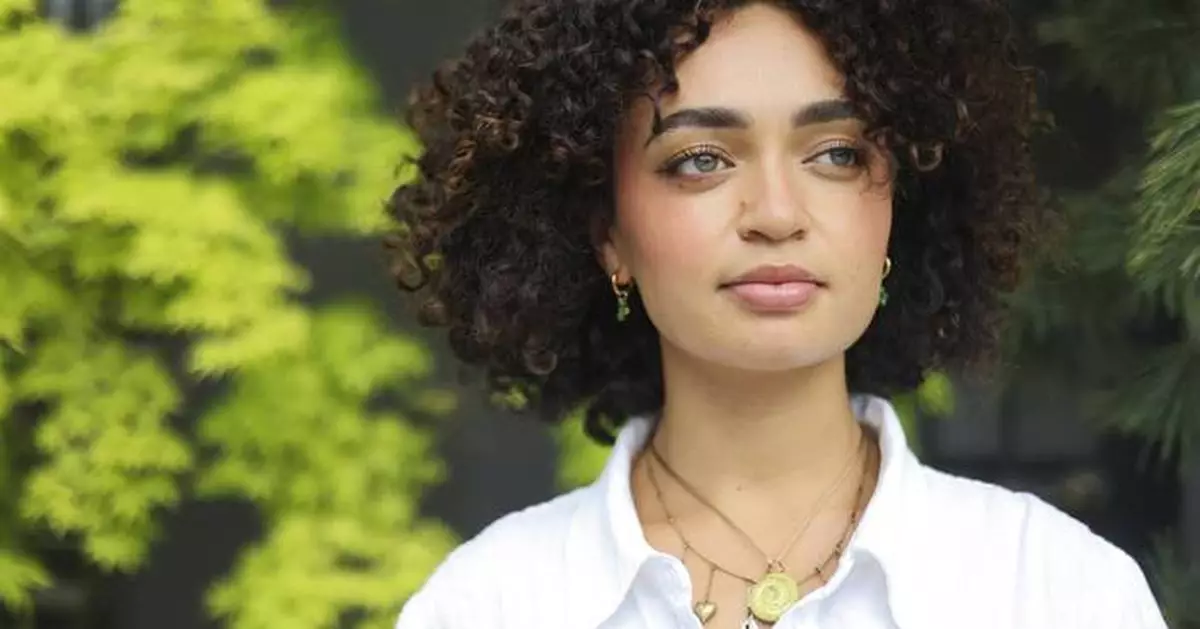
Summer Dean, 27, poses for a portrait, Friday, May 23, 2025, in New York. (AP Photo/Heather Khalifa)
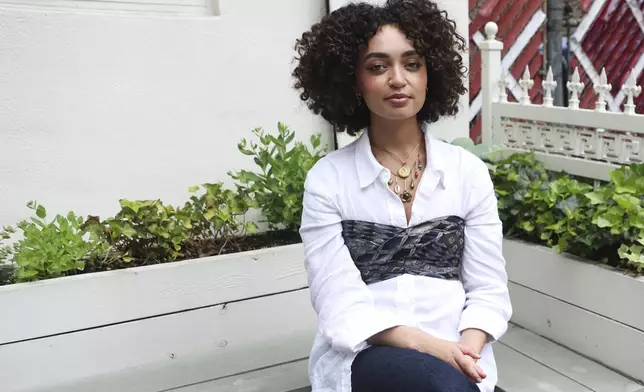
Summer Dean, 27, poses for a portrait, Friday, May 23, 2025, in New York. (AP Photo/Heather Khalifa)
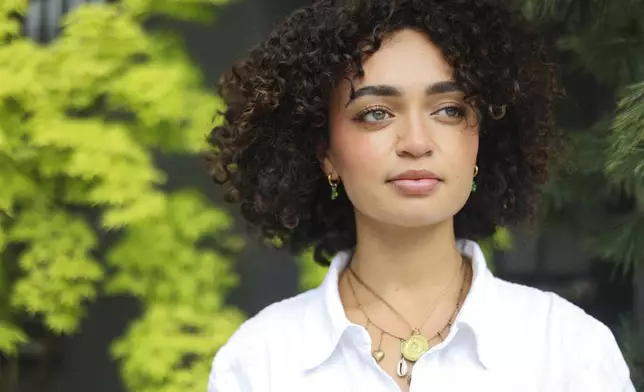
Summer Dean, 27, poses for a portrait, Friday, May 23, 2025, in New York. (AP Photo/Heather Khalifa)

Summer Dean, 27, poses for a portrait, Friday, May 23, 2025, in New York. (AP Photo/Heather Khalifa)

Summer Dean, 27, poses for a portrait, Friday, May 23, 2025, in New York. (AP Photo/Heather Khalifa)

Summer Dean, 27, poses for a portrait, Friday, May 23, 2025, in New York. (AP Photo/Heather Khalifa)

“Young people -- we’re not just victims of these systems. We have agency and we have power,” said Summer Dean, 27, who breaks down complex environmental topics into actionable information for the 116,000 followers of her Instagram, @climatediva.

“If you want to inspire us, actually include us in solid structures of your organization,” she added.

However, public opinion suggests an uphill climb.

Around 1 in 10 adults under 30 had “a great deal of confidence" in the people running the Supreme Court in an AP-NORC poll from June 2024. A May 2023 survey found 44% of adults under 30 had “hardly any confidence at all” in those running banks and financial institutions — about twice the share of adults ages 60 and older, who felt the same way.

An AP-NORC poll conducted in March found only about one-quarter of adults under 30 volunteered their time to charity in the past year or provided non-financial support to people in their community, compared to 36% of those over 60. Younger adults were also more likely than older adults to say they or their household donated $0 to charity, according to the poll.

The outlook could have developed when COVID-19 upended their young lives, hardened as the worst of climate change’s harms grew likelier or even formed from early memories of the Great Recession's financial insecurity. Whatever the reason, the most optimistic believe those life experiences can bring about alternatives to the status quo — if they hold meaningful roles.

When DeNora Getachew became DoSomething CEO during the pandemic, she acknowledged the platform largely provided “slacktivist” opportunities — or low-effort ways to support social causes online. DoSomething was not meeting the desires of its 13- to 25-year-old audience for lasting community change.

The nonprofit was founded in 1993 to boost youth volunteering. Getachew said the “new DoSomething” sees volunteerism as a “step on the ladder" but not "the top rung.”

She pointed to a new program called Talking Trash that does more than just encourage volunteers to recycle plastic bottles. Through educational campaigns and microgrants, DoSomething prompts members to think more deeply about improving overall waste management infrastructure.

“We’re their cheerleader,” she said. “We’re the person who has their back and are helping them figure out how they tap into that, at least initial, sense of curiosity about what they can do.”

Katelyn Knox, a 25-year-old former police officer, is part of the inaugural cohort of “binfluencers” receiving $250 and peer support. After moving from Florida to Los Angeles, Knox noticed many neighbors did not understand recycling guidelines and that recycling bins were scarce.

She is designing an app that identifies which recyclables go where and brings door-to-door recycling services to her community.

“It is very hard to make change. You have to convince so many people to make this change -- especially people who are older than you,” Knox said. “It’s not so scary knowing that other people are with me and doing it right next to me in their own cities."

DoSomething brought Knox and Dean together for a video educating college students about broken recycling systems. Dean said she’s seen many young folks respond to overwhelming issues in one of two ways: accepting they’ll “just have to learn to survive” or “realizing that we can just really imagine a new system of being and governing.”

“A lot of us feel powerless at some point through all of this because there’s many times where these systems make us feel like there is nothing we can do,” she said. “I always just tell people to hold onto these heavy emotions because that is what moves you to take action and not feel so much like a victim.”

LinkedIn co-founder Reid Hoffman launched The Trust in American Institutions Challenge last December with philanthropic accelerator Lever for Change. The $10 million open call will scale local solutions to restore public confidence in anything from education and government to media and medicine.

Hoffman, a 57-year-old Democratic megadonor, finds philanthropy offers more opportunities “for beginning the trust stuff.” He said that’s because there are no conflicting interests other than the mission.

The challenge is not focused solely on youth. Hoffman said “just about everybody” can recognize society's trust issues. As he sees it, the problem isn't that institutions don't work for young people. They do work, according to Hoffman, and “part of being young is learning that.” The idea, he added, “is to reconnect and revivify."

“We’re like fish in water. We don’t realize how important these institutions are to our ongoing environment,” Hoffman said. “Revitalizing them is an important part of a society that works.”

Another effort is connecting youth representatives with decision-makers to help civic institutions reach new generations ahead of the United States' 250th anniversary.

Recognizing that today's teens and young adults will inherit American democracy, Youth250 is passing the microphone to young people as the country reflects on its past and looks ahead to its future. Institutions can request free input from the Youth250 Bureau. The initiative includes 100 advisors ages 18 to 30 — all compensated by the civic network Made By Us — who are working with museums, historic sites and libraries to center Gen Z’s perspectives.

Dillon St. Bernard, the 25-year-old Youth250 documentary series director, said the campaign “is about turning representation into power.”

He emphasized the need to build intergenerational coalitions. Today's challenges — climate change, democracy and racial justice — haven't been solved by their predecessors, according to St. Bernard.

“We as a generation have known nothing but a house on fire and want to see what it would look like to stop that spread,” he said.

Associated Press coverage of philanthropy and nonprofits receives support through the AP’s collaboration with The Conversation US, with funding from Lilly Endowment Inc. The AP is solely responsible for this content. For all of AP’s philanthropy coverage, visit https://apnews.com/hub/philanthropy.

FILE - LinkedIn co-founder Reid Hoffman sits in the lobby of LinkedIn's Mountain View, Calif., headquarters on Tuesday, May 7, 2013. (AP Photo/Noah Berger, File)

FILE - LinkedIn co-founder Reid Hoffman sits in the lobby of LinkedIn's Mountain View, Calif., headquarters on Tuesday, May 7, 2013. (AP Photo/Noah Berger, File)

Summer Dean, 27, works inside a coffee shop, Friday, May 23, 2025, in New York. (AP Photo/Heather Khalifa)
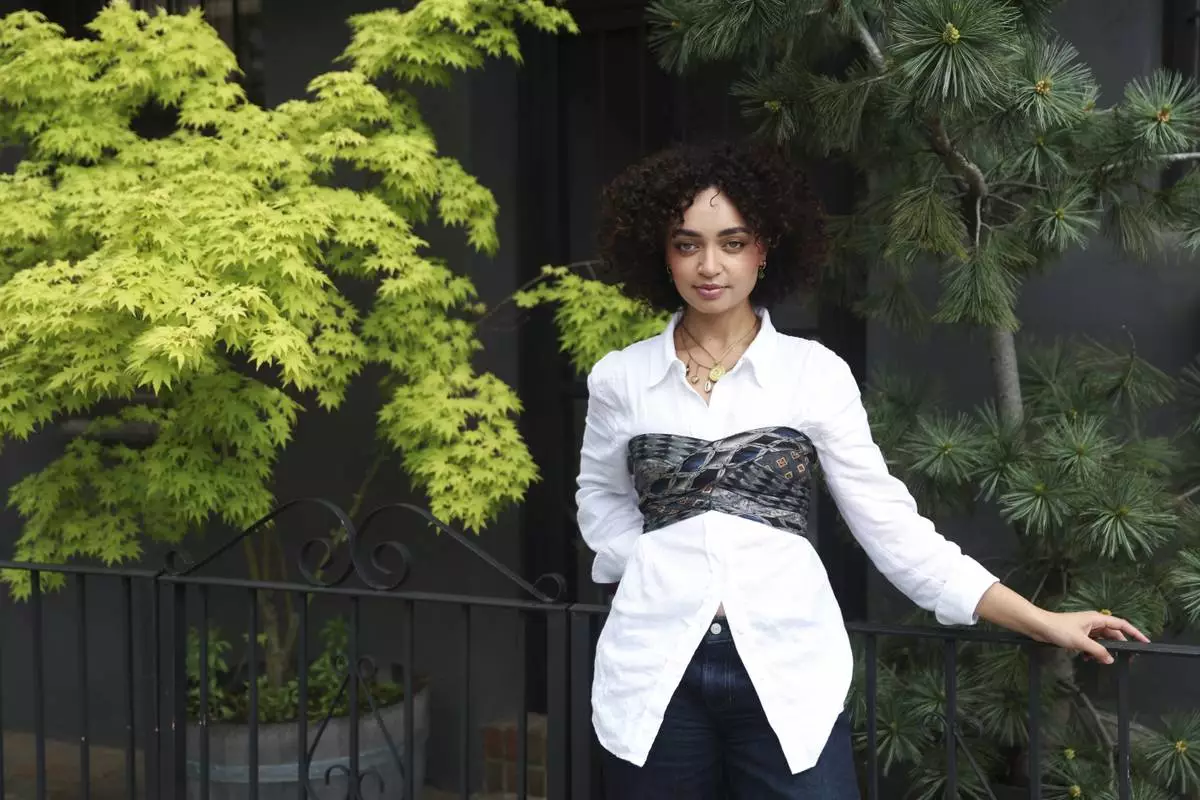
Summer Dean, 27, works inside a coffee shop, Friday, May 23, 2025, in New York. (AP Photo/Heather Khalifa)

Summer Dean, 27, poses for a portrait, Friday, May 23, 2025, in New York. (AP Photo/Heather Khalifa)

Summer Dean, 27, poses for a portrait, Friday, May 23, 2025, in New York. (AP Photo/Heather Khalifa)
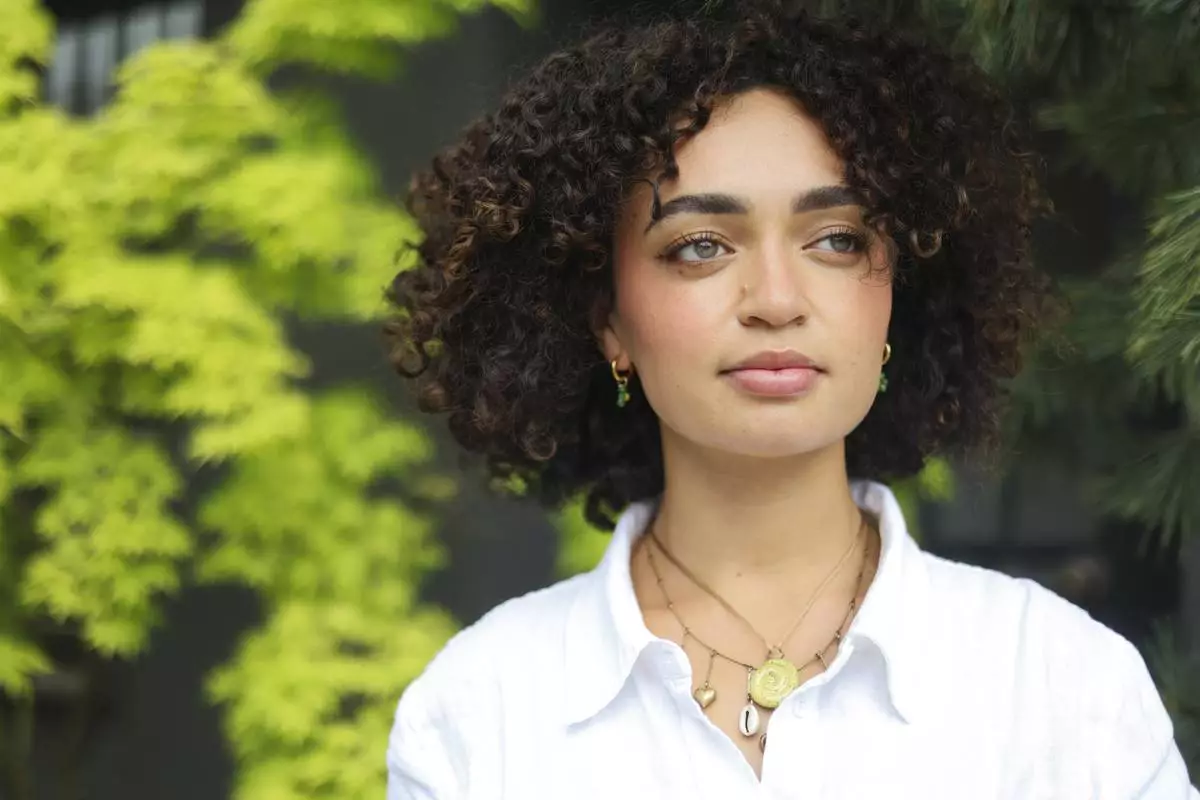
Summer Dean, 27, poses for a portrait, Friday, May 23, 2025, in New York. (AP Photo/Heather Khalifa)
Summer Dean, 27, poses for a portrait, Friday, May 23, 2025, in New York. (AP Photo/Heather Khalifa)
Summer Dean, 27, poses for a portrait, Friday, May 23, 2025, in New York. (AP Photo/Heather Khalifa)

Summer Dean, 27, poses for a portrait, Friday, May 23, 2025, in New York. (AP Photo/Heather Khalifa)
DUBAI, United Arab Emirates (AP) — U.S. President Donald Trump said Iran wants to negotiate with Washington after his threat to strike the Islamic Republic over its bloody crackdown on protesters, a move coming as activists said Monday the death toll in the nationwide demonstrations rose to at least 544.

Iran had no immediate reaction to the news, which came after the foreign minister of Oman — long an interlocutor between Washington and Tehran — traveled to Iran this weekend. It also remains unclear just what Iran could promise, particularly as Trump has set strict demands over its nuclear program and its ballistic missile arsenal, which Tehran insists is crucial for its national defense.

Meanwhile Monday, Iran called for pro-government demonstrators to head to the streets in support of the theocracy, a show of force after days of protests directly challenging the rule of 86-year-old Supreme Leader Ayatollah Ali Khamenei. Iranian state television aired chants from the crowd, who shouted “Death to America!” and “Death to Israel!”

Trump and his national security team have been weighing a range of potential responses against Iran including cyberattacks and direct strikes by the U.S. or Israel, according to two people familiar with internal White House discussions who were not authorized to comment publicly and spoke on condition of anonymity.

“The military is looking at it, and we’re looking at some very strong options,” Trump told reporters on Air Force One on Sunday night. Asked about Iran’s threats of retaliation, he said: “If they do that, we will hit them at levels that they’ve never been hit before.”

Trump said that his administration was in talks to set up a meeting with Tehran, but cautioned that he may have to act first as reports of the death toll in Iran mount and the government continues to arrest protesters.

“I think they’re tired of being beat up by the United States,” Trump said. “Iran wants to negotiate.”

He added: “The meeting is being set up, but we may have to act because of what’s happening before the meeting. But a meeting is being set up. Iran called, they want to negotiate.”

Iran through country's parliamentary speaker warned Sunday that the U.S. military and Israel would be “legitimate targets” if America uses force to protect demonstrators.

More than 10,600 people also have been detained over the two weeks of protests, said the U.S.-based Human Rights Activists News Agency, which has been accurate in previous unrest in recent years and gave the death toll. It relies on supporters in Iran crosschecking information. It said 496 of the dead were protesters and 48 were with security forces.

With the internet down in Iran and phone lines cut off, gauging the demonstrations from abroad has grown more difficult. The Associated Press has been unable to independently assess the toll. Iran’s government has not offered overall casualty figures.

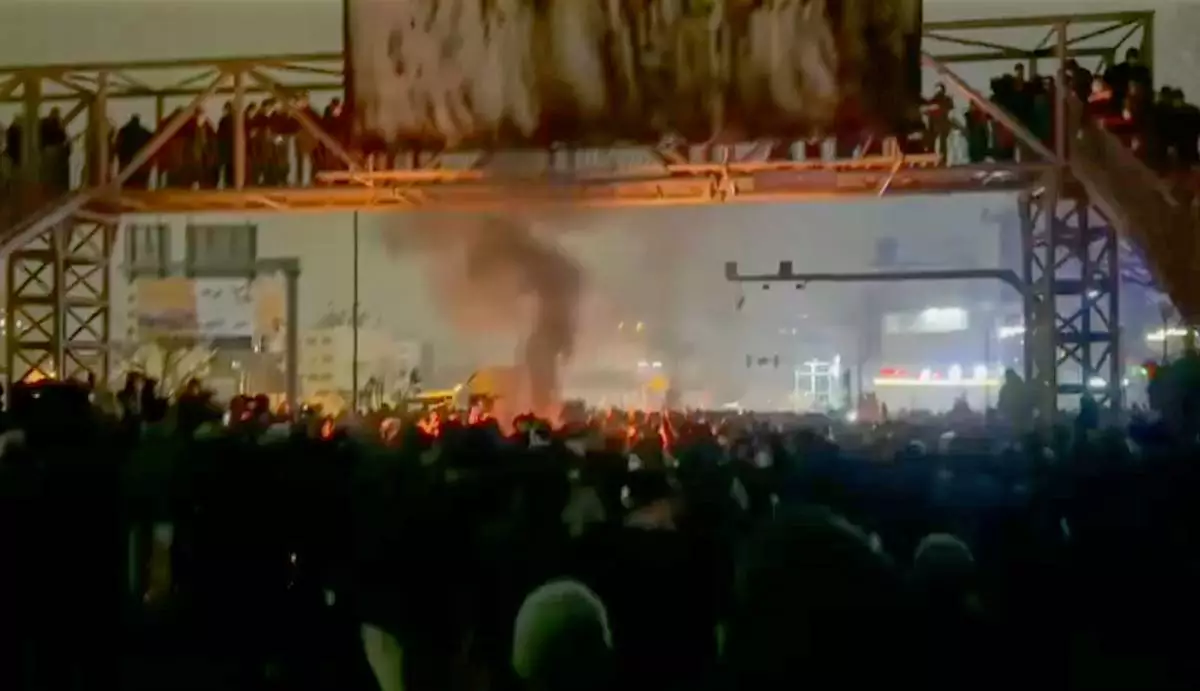
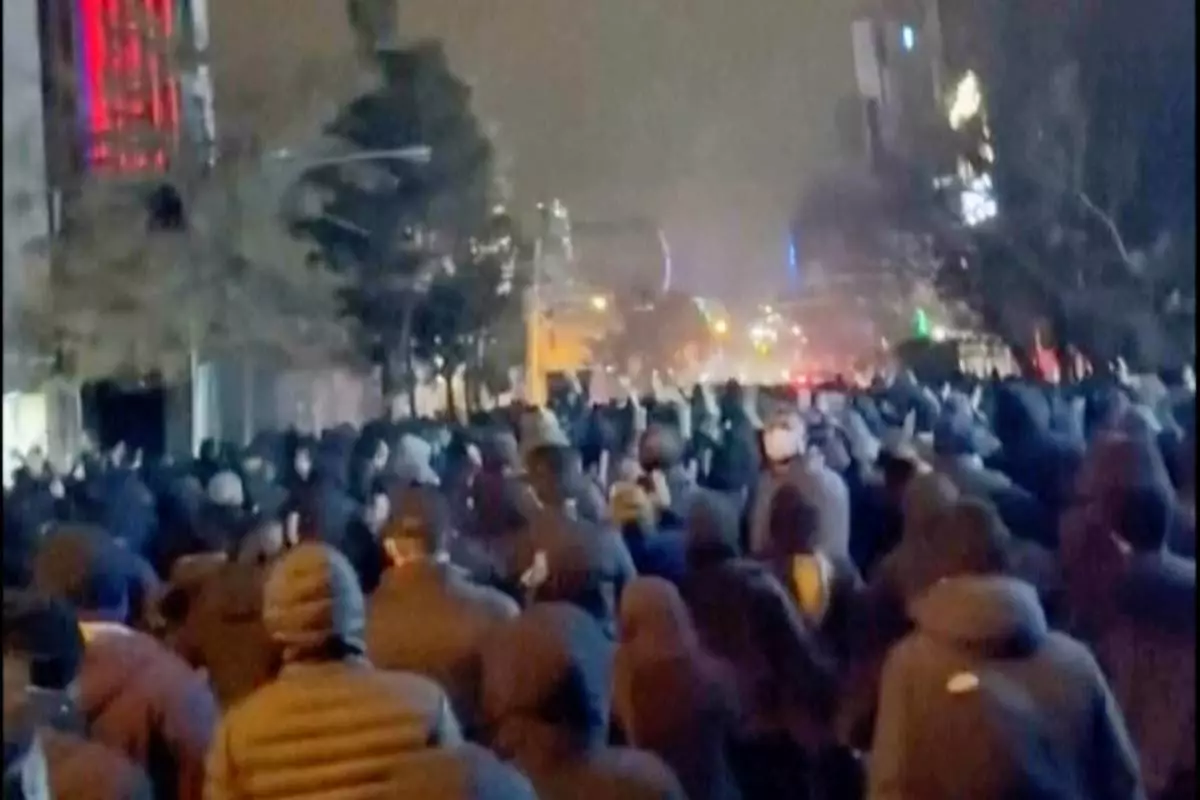
Those abroad fear the information blackout is emboldening hard-liners within Iran’s security services to launch a bloody crackdown. Protesters flooded the streets in the country’s capital and its second-largest city on Saturday night into Sunday morning. Online videos purported to show more demonstrations Sunday night into Monday, with a Tehran official acknowledging them in state media.

In Tehran, a witness told the AP that the streets of the capital empty at the sunset call to prayers each night. By the Isha, or nighttime prayer, the streets are deserted.

Part of that stems from the fear of getting caught in the crackdown. Police sent the public a text message that warned: “Given the presence of terrorist groups and armed individuals in some gatherings last night and their plans to cause death, and the firm decision to not tolerate any appeasement and to deal decisively with the rioters, families are strongly advised to take care of their youth and teenagers.”

Another text, which claimed to come from the intelligence arm of the paramilitary Revolutionary Guard, also directly warned people not to take part in demonstrations.

“Dear parents, in view of the enemy’s plan to increase the level of naked violence and the decision to kill people, ... refrain from being on the streets and gathering in places involved in violence, and inform your children about the consequences of cooperating with terrorist mercenaries, which is an example of treason against the country,” the text warned.

The witness spoke to the AP on condition of anonymity due to the ongoing crackdown.

The demonstrations began Dec. 28 over the collapse of the Iranian rial currency, which trades at over 1.4 million to $1, as the country’s economy is squeezed by international sanctions in part levied over its nuclear program. The protests intensified and grew into calls directly challenging Iran’s theocracy.

Nikhinson reported from aboard Air Force One.

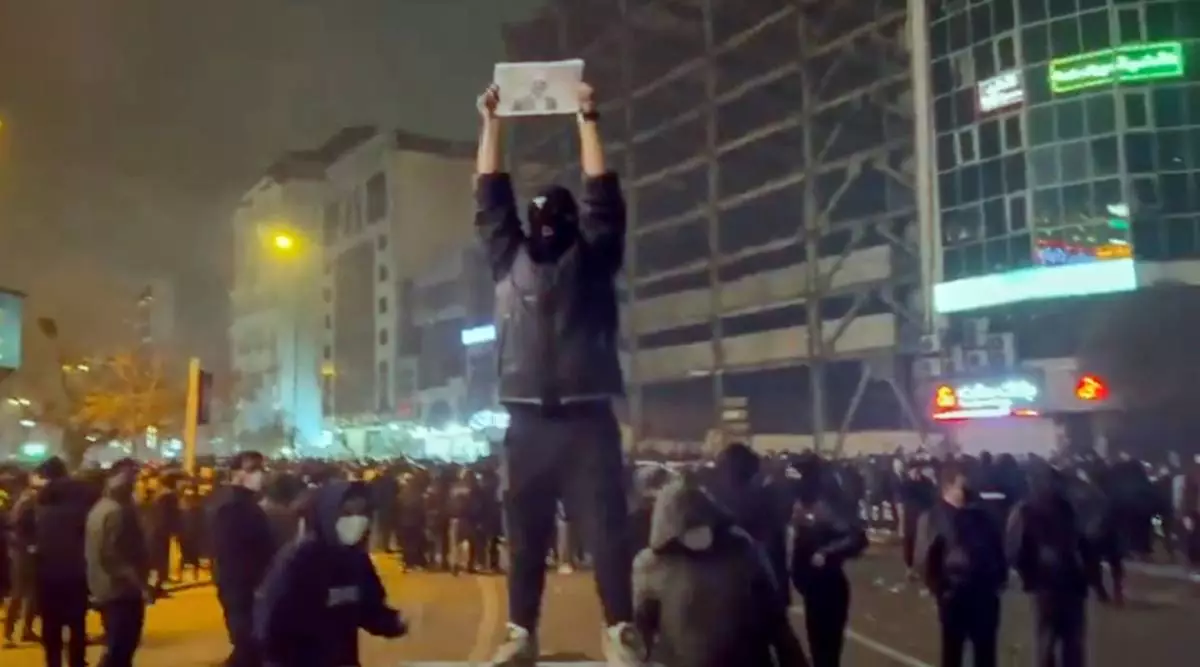
In this frame grab from video obtained by the AP outside Iran, a masked demonstrator holds a picture of Iran's Crown Prince Reza Pahlavi during a protest in Tehran, Iran, Friday, January. 9, 2026. (UGC via AP)

In this frame grab from video obtained by the AP outside Iran, a masked demonstrator holds a picture of Iran's Crown Prince Reza Pahlavi during a protest in Tehran, Iran, Friday, January. 9, 2026. (UGC via AP)

In this frame grab from footage circulating on social media from Iran shows protesters taking to the streets despite an intensifying crackdown as the Islamic Republic remains cut off from the rest of the world in Tehran, Iran, Friday, Jan. 9, 2026.(UGC via AP)

In this frame grab from footage circulating on social media from Iran shows protesters taking to the streets despite an intensifying crackdown as the Islamic Republic remains cut off from the rest of the world in Tehran, Iran, Friday, Jan. 9, 2026.(UGC via AP)

In this frame grab from footage circulating on social media from Iran showed protesters once again taking to the streets of Tehran despite an intensifying crackdown as the Islamic Republic remains cut off from the rest of the world in Tehran, Iran, Saturday Jan. 10, 2026. (UGC via AP)

In this frame grab from footage circulating on social media from Iran showed protesters once again taking to the streets of Tehran despite an intensifying crackdown as the Islamic Republic remains cut off from the rest of the world in Tehran, Iran, Saturday Jan. 10, 2026. (UGC via AP)

Recommended Articles